There's a particular kind of frustration that comes with knee pain that just won't quit. Maybe it's the stairs in your own home that suddenly feel like a small mountain. Maybe it's missing your grandchild's soccer game because standing on the sidelines for an hour isn't realistic anymore. Pain like this doesn't just affect your knee. It reshapes your whole day.
It changes how you plan errands, how you sleep, and how you show up for the people you love. Small decisions start to feel exhausting. Even good days come with a background hum of soreness that never fully goes away.
For many people in the Kennesaw, Snellville, Marietta, and greater Atlanta area, the search for relief eventually leads to one important question. Who is the right surgeon to trust with this decision? That question deserves more than a quick online search and a coin flip. It deserves real answers about experience, philosophy, and what your recovery could actually look like.
Patients frequently describe a familiar set of struggles as their knee condition progresses. These symptoms tend to build gradually rather than appear overnight.
Physical therapy, anti-inflammatory approaches, and injections help many patients avoid surgery altogether. Sometimes that relief lasts for years. But when those options stop providing meaningful relief, that's a signal worth paying attention to. Declining daily function is often the clearest sign it's time to talk with a specialist.
Board certification confirms that a surgeon has met rigorous standards in orthopedic training and ongoing education. It's a baseline credential, not a bonus one. Any surgeon you consider for knee replacement should hold current board certification in orthopedic surgery.
Knee replacement surgery has evolved significantly over the past decade. Surgeons who stay current with modern approaches often offer patients more options and, in many cases, shorter recovery windows.
Where a surgeon operates matters. Surgeons affiliated with accredited surgery centers and hospitals typically work within established safety protocols and quality standards. This affiliation also often means access to modern equipment and a coordinated care team.
Reviews won't tell you everything, but patterns across many reviews can be revealing. Look for consistent mentions of clear communication, manageable recovery experiences, and staff who feel genuinely attentive rather than rushed.
Dr. Newfield works alongside a broader care team. This includes Dr. Sonny Dosanjh for interventional pain management and Amy Ton, PA-C, who supports patients throughout evaluation and follow-up care. This team structure means your care doesn't rest on one person's schedule or perspective. It's shaped by multiple specialists working together toward your recovery.
Patients don't need to travel to a major metro hospital system to access modern knee replacement options. Medici offers robotic-assisted and minimally invasive techniques through its accredited surgery centers in Marietta and Snellville. These options are evaluated on a case-by-case basis depending on your anatomy and overall health.
Before surgery is ever discussed, many patients explore a range of conservative options. These treatments are designed to reduce pain and improve function without the recovery demands of surgery.
Myth: Surgery is always the first recommendation for significant knee pain. Fact: Most patients try conservative treatment first, and many find meaningful, lasting relief without ever needing surgery.
Surgery becomes the recommended path only when conservative care has been genuinely exhausted and imaging confirms the joint damage supports it. This approach protects patients from unnecessary procedures while still moving quickly when surgery truly is the right answer.
Your first visit typically includes a physical exam and a review of your medical history. Diagnostic imaging is often part of this step too, if it hasn't already been done. This is also the time to ask direct questions. Ask about the surgeon's experience, technique preferences, and expected recovery timeline.
No two knees, and no two patients, are exactly alike. Your treatment plan should reflect your specific anatomy, activity goals, and overall health. This might mean starting with a conservative approach or moving directly toward surgical planning, depending on your evaluation.
Recovery from knee replacement generally involves physical therapy, gradual increases in activity, and regular follow-up visits. Most patients see steady improvement over the weeks following surgery. Timelines vary based on age, health, and the specific procedure performed. Some patients are walking with support within a day or two, while others need a bit more time.
Having a coordinated team throughout this process tends to make recovery feel less overwhelming. Questions that come up at week two look different from the ones that come up at week eight. A team that stays involved the whole way through can catch those shifts as they happen, rather than waiting for a scheduled check-in.
How do I know if I need a knee replacement?
A specialist typically confirms this through a physical exam, imaging, and a review of how conservative treatments have worked for you. Persistent pain and limited mobility despite treatment are common indicators worth discussing.
Is robotic-assisted knee replacement better than traditional surgery?
Robotic assistance can improve precision in implant placement for many patients, though the best method depends on individual anatomy and surgeon recommendation. It's not automatically the right choice for everyone.
Does Medicare cover knee replacement surgery?
Medicare and many private insurance plans typically cover medically necessary knee replacement procedures. Coverage details vary, so confirming your specific benefits is an important step.
How long does recovery from knee replacement take?
Many patients regain significant function within several weeks, with continued improvement over the following months. Full recovery timelines depend on the individual and the specific surgical approach used.
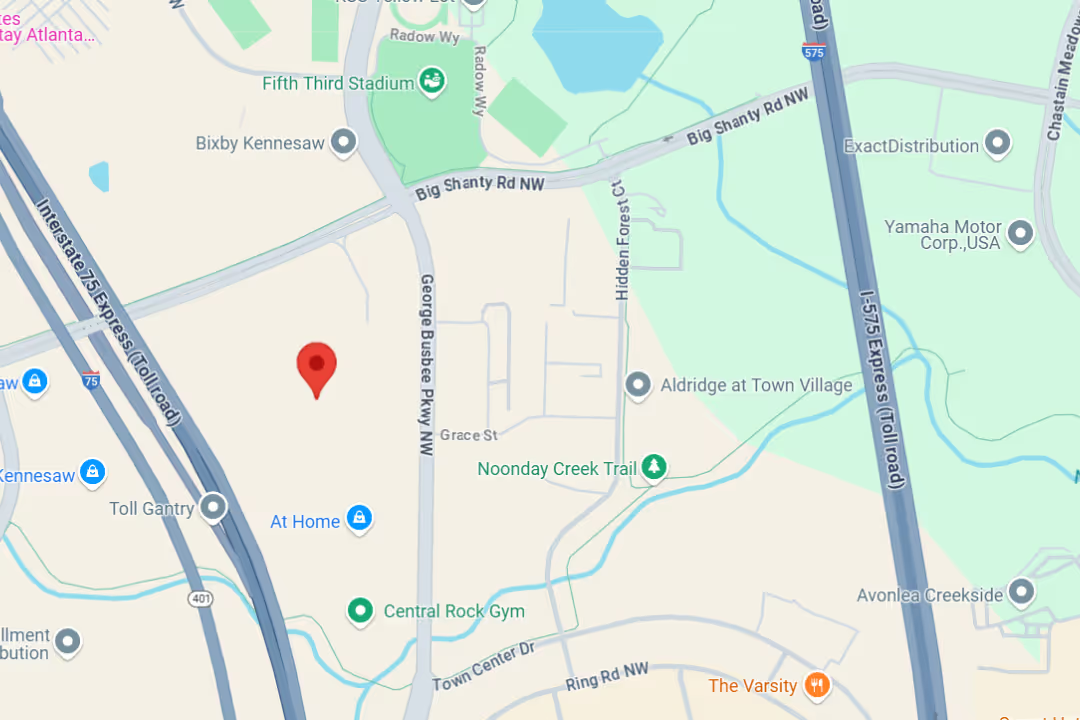
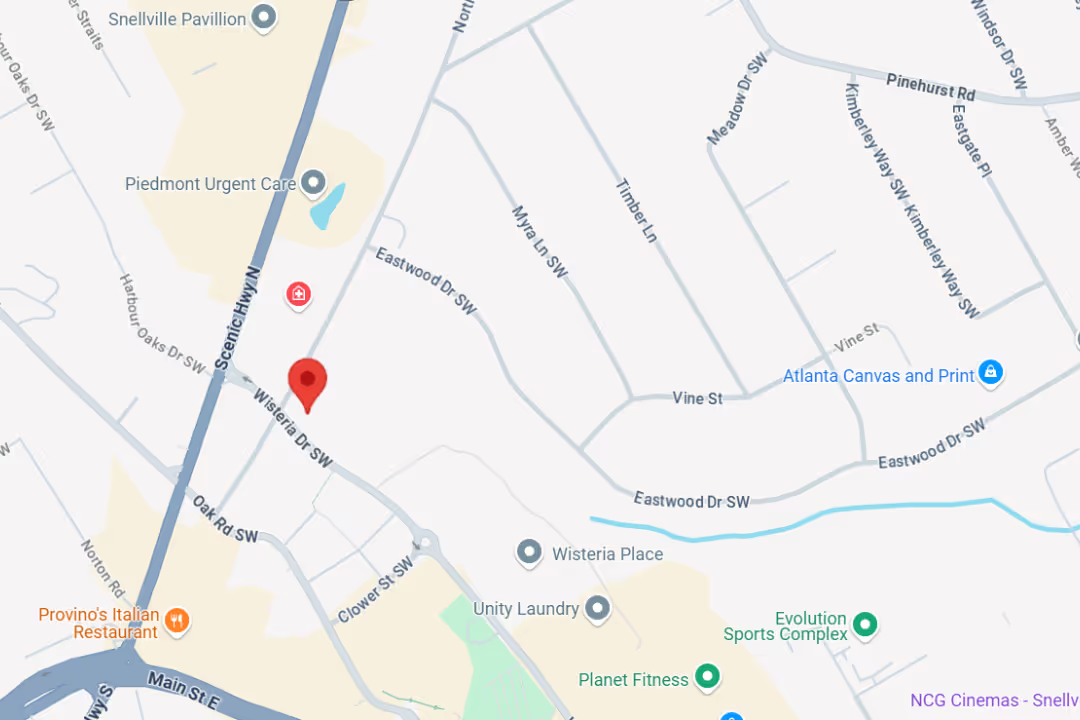
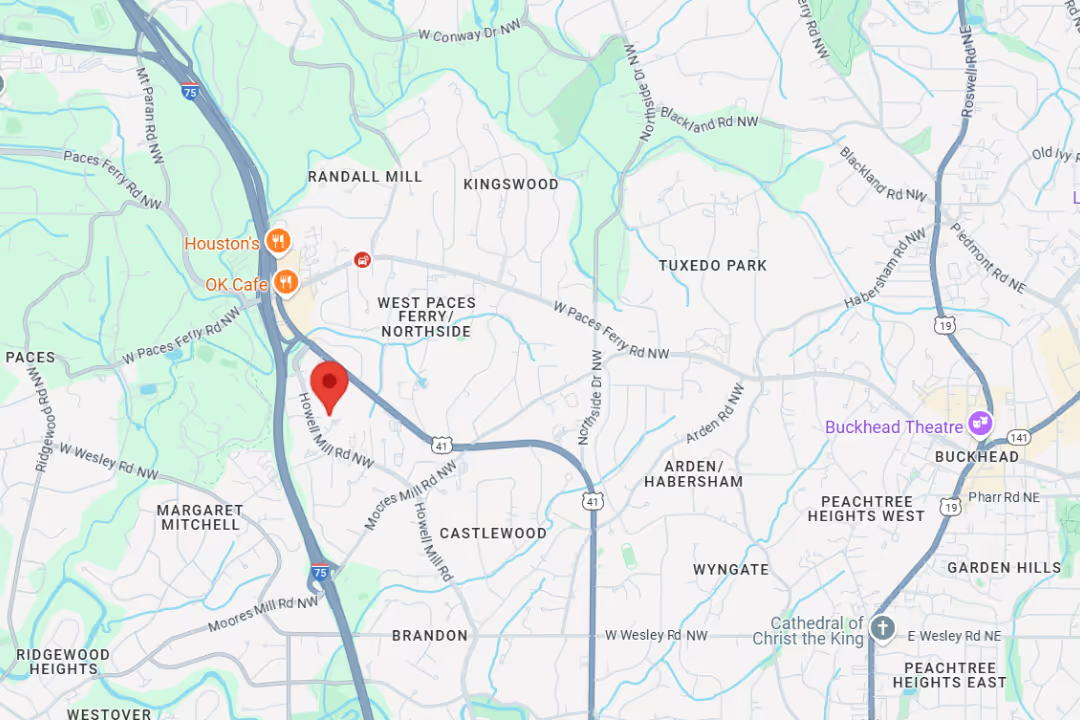
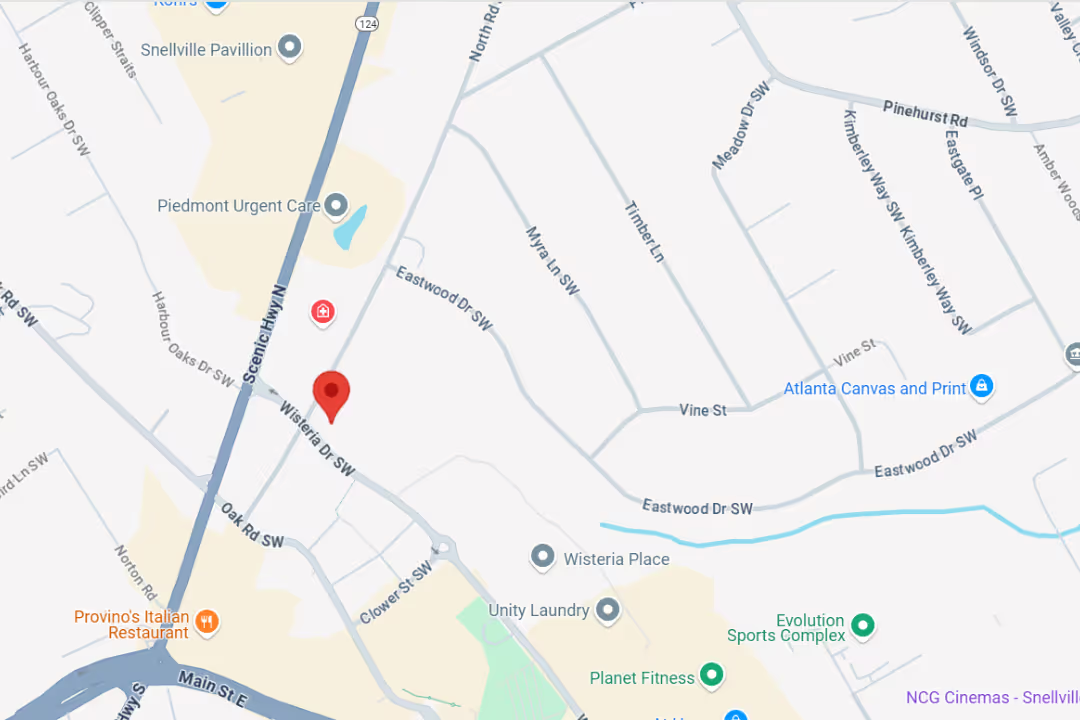
You shouldn't have to drive across the city or wait months just to have a real conversation about your knee. Patients in Kennesaw, Snellville, Marietta, and the surrounding Atlanta communities deserve access to skilled, attentive orthopedic care without the runaround. That's exactly what a well-connected, team-based practice can offer.
Maybe you're just starting to explore your options. Or maybe you've been living with knee pain for years. Either way, the right team can make the process feel manageable. Expertise matters, but so does feeling heard throughout the journey. A good fit isn't only about credentials on a wall. It's about whether you leave a conversation feeling more confident than when you walked in.
Take the next step toward moving more freely and living with less pain. The team at Medici Orthopaedics & Spine is ready to talk through your options and help you find the path that fits your life.
Medici Orthopaedics & Spine
Locations:
Explore our library of patient support guides covering the conditions we treat, the treatments we offer, and the questions we hear most. Each one is written to help you understand your options and feel confident about your next step. Browse the topics below to learn more, or reach out to our team anytime.

At Medici, you’re more than your MRI.
We take time to hear your story, understand your pain, and create a plan that actually works for you.

Our team delivers specialist care at convenient locations across Metro Atlanta:
Get expert tips on injury recovery, pain relief, joint health, and movement strategies—straight from our Fellowship-Trained team.