Most patients spend weeks preparing for knee surgery itself, and almost no time preparing for what recovery actually feels like. Then day three arrives, the swelling sets in, and the pain feels bigger than anyone described. That gap between expectation and reality is one of the most common sources of frustration we see at Medici Orthopaedics & Spine.
Pain after knee surgery is real, and it follows patterns that are well understood, even when it doesn't feel predictable to the person experiencing it. Understanding those patterns, and knowing which tools actually help at each stage, changes how recovery feels. It also helps you know what's normal and what deserves a call to your care team.
One of the most overlooked aspects of post-surgical pain control is timing. Staying ahead of pain is far more effective than waiting for it to build and then trying to catch up. This is why care teams typically recommend taking medication on a schedule during the first several days, rather than waiting until pain becomes severe.
Once pain escalates significantly, it becomes harder to bring back under control. Consistent, scheduled dosing during the early recovery window helps prevent that spike from happening in the first place.
Medici's approach favors the least drug dependent path that still provides real relief. In practice, this often means combining medication categories rather than relying on a single approach:
A mistake we see often involves waiting until pain feels unbearable before taking a scheduled dose. This "wait and see" habit undermines the entire timing strategy described above. It's more effective, and often more comfortable, to take medication proactively during the first one to two weeks rather than reactively.
Swelling isn't just a cosmetic concern after knee surgery. It physically compresses nerves and tissue around the joint, which directly increases pain. Reducing swelling is one of the most effective ways to reduce pain itself, not just a separate recovery task running alongside it.
Most patients know they should ice the knee, but the timing and frequency matter as much as the method itself. Icing for short, consistent intervals throughout the day tends to outperform occasional long sessions. Elevation above heart level, not just "propped up," makes a measurable difference in how quickly swelling recedes.
Quick takeaway:
It feels counterintuitive, but appropriately guided movement often reduces pain rather than increasing it. Movement helps circulate fluid away from the joint, which reduces swelling. It also prevents the stiffness that tends to make pain worse over time.
Many patients don't realize that too much rest can actually prolong discomfort. A knee that stays still for too long often becomes stiffer and more painful when movement finally resumes.
This is one of the more counterintuitive parts of recovery. The instinct after surgery is often to protect the joint by keeping it as still as possible. In reality, the opposite tends to be true within the limits your care team sets. Gentle, guided motion started early usually leads to less pain over the following weeks, not more.
A pattern we see often is the "boom and bust" cycle. A patient feels good on a low pain day, pushes activity further than recommended, and then experiences a painful setback the following day. This cycle can repeat for weeks if pacing isn't addressed directly.
Supervised physical therapy helps patients build activity gradually, based on measured progress rather than how one particular day feels. This steadier approach tends to produce fewer painful flare ups over the full recovery period.
Myth vs. Fact:
Myth: If it hurts, you should stop moving entirely.
Fact: Guided, appropriately paced movement typically supports pain reduction rather than working against it.
For some patients, targeted injections or nerve blocks play a role in managing pain during recovery, particularly in the earlier weeks after surgery. These approaches are typically used alongside medication and physical therapy rather than replacing them. A nerve block, for example, can significantly reduce pain signaling in the days immediately following surgery, giving patients a more comfortable window to begin gentle movement.
In select cases, additional therapies may be discussed as part of a broader recovery plan. These are typically considered alongside standard post-surgical care, not as a replacement for it, and only after a provider has evaluated your specific recovery. Any decision here should come from a direct conversation with your care team.
Most post-surgical pain follows the predictable pattern described earlier: present from the start, often peaking around day two to four, then gradually improving. Certain signs fall outside that pattern and deserve prompt attention from your care team.
How long does pain last after knee surgery?
Most patients notice a steady decline in pain over four to six weeks, though full recovery timelines vary by procedure and individual health factors.
Is it normal for pain to get worse before it gets better?
Yes. Pain commonly peaks around day two to four as swelling builds, then gradually improves as inflammation subsides.
When should I call my doctor about pain after knee surgery?
Call promptly if pain suddenly worsens after improving, or if you notice fever, unusual drainage, or calf swelling and pain.
No single tool manages post-surgical knee pain on its own. Medication addresses inflammation and nerve sensitivity. Cold therapy reduces swelling. Physical therapy prevents stiffness and rebuilds strength. Each piece supports the others.
This is the thinking behind Medici's approach to recovery care. Rather than treating pain relief as one isolated task, we build a plan where each element reinforces the next. The result tends to be steadier progress with fewer setbacks along the way.
Every patient's plan looks a little different. Someone recovering from a partial knee replacement will have different needs than someone recovering from ligament repair, and a person with a physically active job will progress differently than someone with a more sedentary routine. A plan built around your specific recovery, rather than a generic timeline, tends to produce better outcomes and a more comfortable experience overall.
Recovering from knee surgery is rarely a straight line, and that's normal. The discomfort you feel in the first few weeks is temporary, even when it doesn't feel that way at 2am on day three. With the right combination of tools and support, most patients see real, steady improvement within the first month or two.
You don't have to figure out the right pain management plan on your own. A team that understands your procedure, your health history, and your goals can help you move through recovery with far more clarity and far less guesswork.
If you're preparing for knee surgery or currently recovering from one, the team at Medici Orthopaedics & Spine can help you build a pain management plan suited to your specific needs. Reach out to schedule an evaluation with our team.
Medici Orthopaedics & Spine
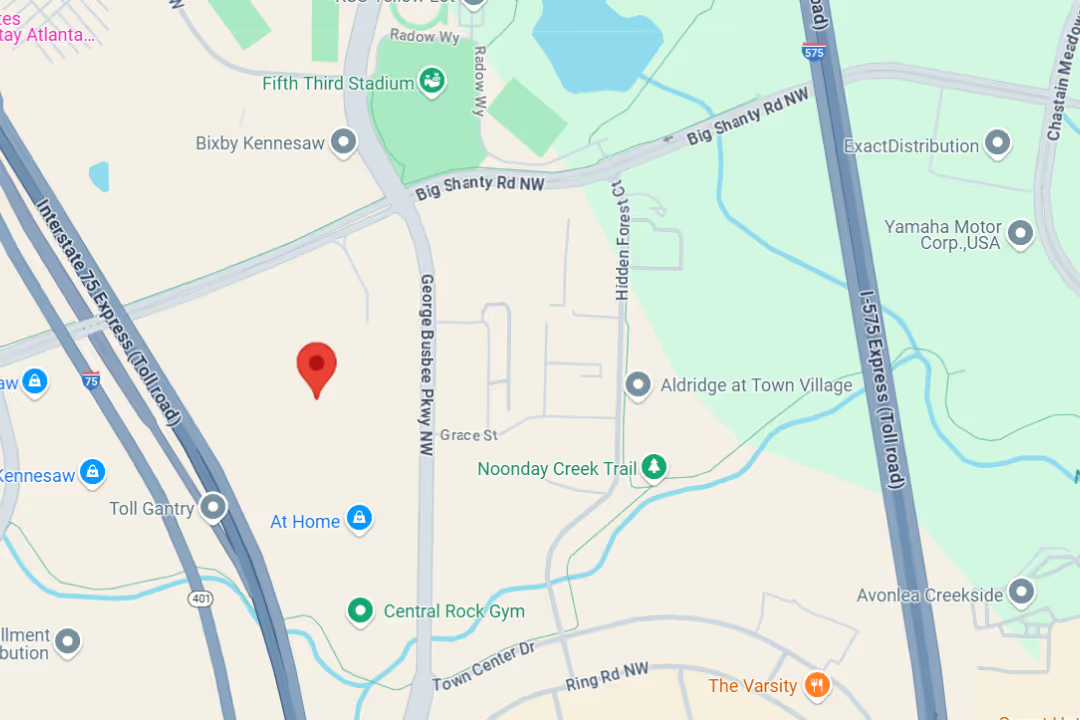
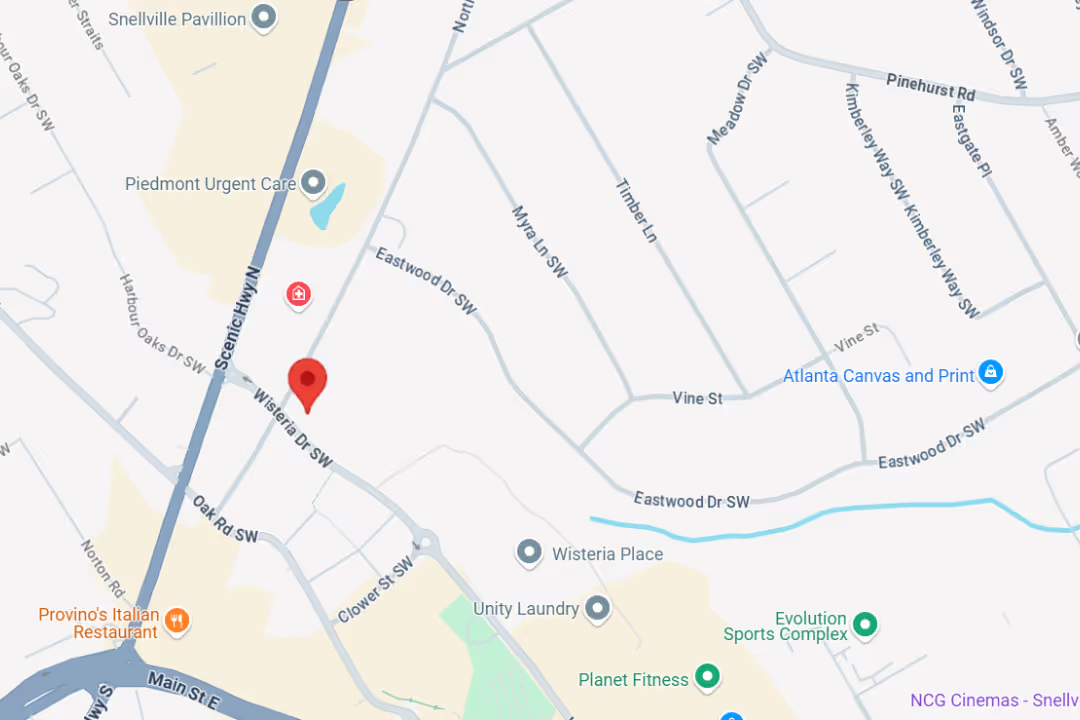
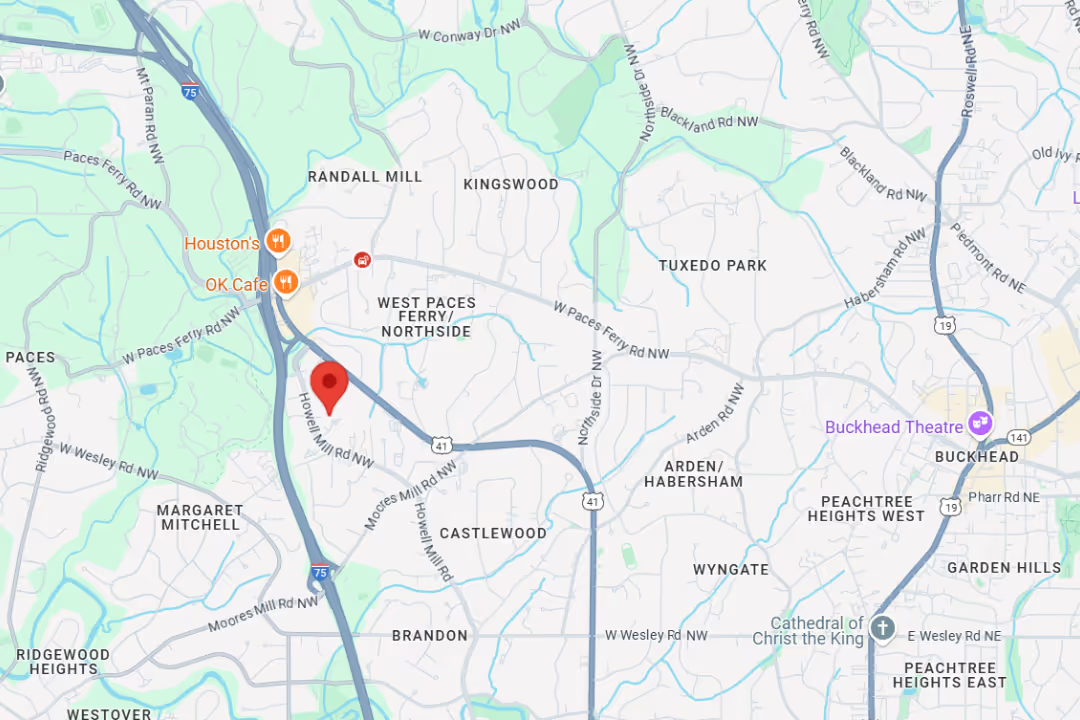
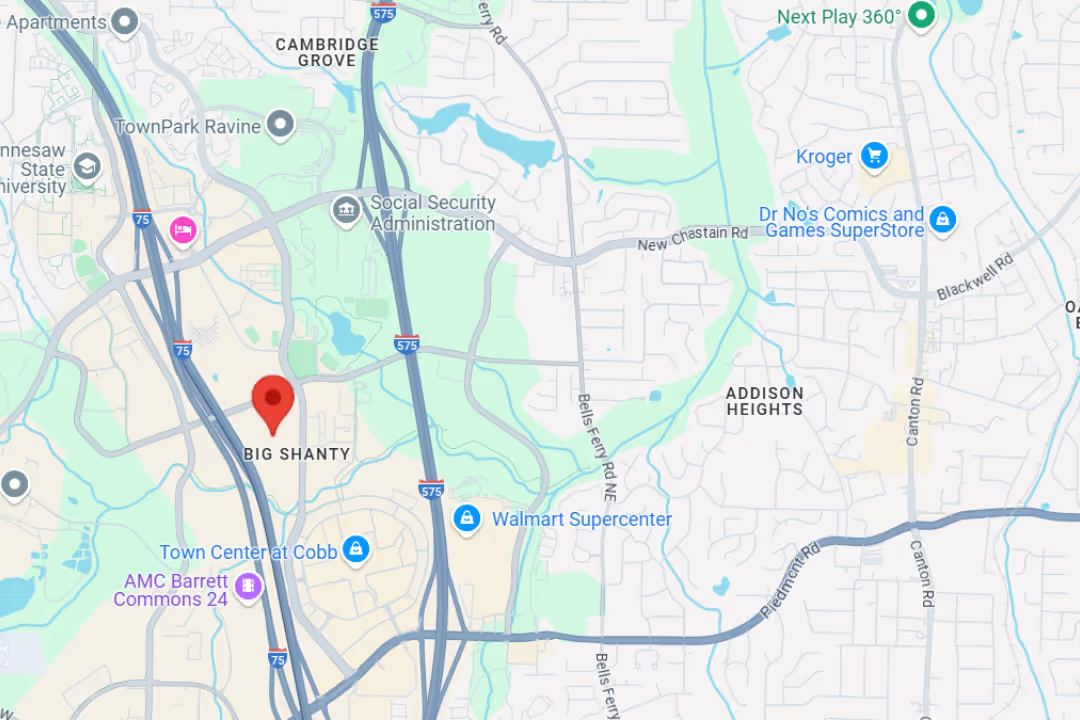
Locations:
Explore our library of patient support guides covering the conditions we treat, the treatments we offer, and the questions we hear most. Each one is written to help you understand your options and feel confident about your next step. Browse the topics below to learn more, or reach out to our team anytime.

At Medici, you’re more than your MRI.
We take time to hear your story, understand your pain, and create a plan that actually works for you.

Our team delivers specialist care at convenient locations across Metro Atlanta:
Get expert tips on injury recovery, pain relief, joint health, and movement strategies—straight from our Fellowship-Trained team.