Most people prepare carefully for knee replacement surgery. They research surgeons, ask about recovery timelines, and picture the day they finally walk without pain. What often catches patients off guard is that the surgery itself is only part of the equation. The real work, and the real results, come from what happens afterward in physical therapy.
We see this pattern constantly at Medici Orthopaedics & Spine. Patients who commit to a structured, well-guided rehab plan tend to regain strength, mobility, and confidence far faster than those who treat therapy as an afterthought. Your new knee has to relearn how to move, bend, and bear weight, and that relearning process depends heavily on the quality of support you receive.
Finding physical therapy near you that understands the unique demands of knee replacement recovery can make a meaningful difference in how quickly you get back to your normal life. Whether you are preparing for surgery or already a few days out, understanding what good rehab looks like helps you know what to expect and what to ask for.
During knee replacement, damaged cartilage and bone are removed and replaced with an artificial joint. The surrounding muscles, tendons, and tissue are disrupted during this process, even though the surgery itself is highly refined. Your knee needs time and guided movement to rebuild strength around the new joint.
Without that guided movement, scar tissue can form in ways that limit flexibility. Muscles that supported the knee before surgery can weaken further during recovery if they are not actively retrained.
Some patients assume rest alone will get them back on their feet. In reality, prolonged inactivity after knee replacement often leads to stiffness, reduced range of motion, and a longer road back to normal function.
Delaying therapy, even by a week or two, can make early sessions more difficult and painful than they need to be. The knee joint benefits from early, controlled movement far more than extended rest.
Your new knee implant is built to last for many years, but how well it performs depends partly on the surrounding muscle support you build through therapy. Strong quadriceps and hamstrings help protect the joint during everyday movement like standing, walking, and climbing stairs.
Patients who complete a full rehab program often report:
Many patients begin gentle movement within a day of surgery, often while still in the hospital or surgery center. Outpatient physical therapy typically starts within the first week or two after discharge, depending on your surgeon's recommendation and how your recovery is progressing.
Starting early does not mean starting hard. The first sessions focus on safety, gentle mobility, and helping your body adjust to the new joint.
In the first two to four weeks, therapy usually centers on a few key priorities:
Early sessions are usually gentle and closely supervised. A therapist might guide you through seated knee bends, ankle pumps to support circulation, and short supported walks. Ice and elevation are often incorporated to help manage swelling after activity.
Sessions at this stage are as much about education as exercise. You will likely learn how to move safely at home, including how to navigate stairs or get in and out of a car without straining the new joint.
This phase typically covers the first two to four weeks. The primary goals are protecting the surgical site, managing pain and swelling, and restoring basic range of motion.
Movement during this phase is usually gentle and closely guided. The focus stays on function, not intensity.
Around weeks four through eight, many patients shift into a strength-building phase. This stage introduces more resistance-based exercises targeting the quadriceps, hamstrings, and hip muscles that support the knee.
Balance training often becomes a bigger focus here as well. Patients typically notice more confident, steady walking during this stage.
From roughly two to four months post-surgery, therapy often shifts toward restoring the specific activities that matter to you. This might include walking longer distances, climbing stairs without hesitation, gardening, or returning to light recreational activities.
Protection and Mobility
Weeks 1 to 4
Swelling control, gentle range of motion
Strength and Stability
Weeks 4 to 8
Muscle strengthening, balance
Function and Return to Activity
Months 2 to 4
Daily activities, endurance, confidence
Pain management is a real concern for many patients, especially those hoping to reduce reliance on medication. Physical therapy plays a direct role here, since controlled movement often reduces stiffness related pain over time.
Ice, elevation, and gentle stretching are frequently used alongside medication in the early weeks. Many patients find their need for pain medication decreases steadily as strength and mobility improve.
Stiffness is one of the most common frustrations during recovery. It often peaks in the first few weeks and gradually improves with consistent range of motion work.
Recovery can feel discouraging when progress seems to stall, particularly around the four to six week mark. This plateau is common and does not usually indicate a problem.
At Medici Orthopaedics & Spine, your physical therapy plan is developed in coordination with your surgical team. This means your therapist understands the specifics of your procedure and can tailor your program accordingly, rather than following a generic template.
Every patient heals differently based on age, activity level, overall health, and personal goals. We build rehab plans around your specific situation rather than applying a one-size-fits-all protocol.
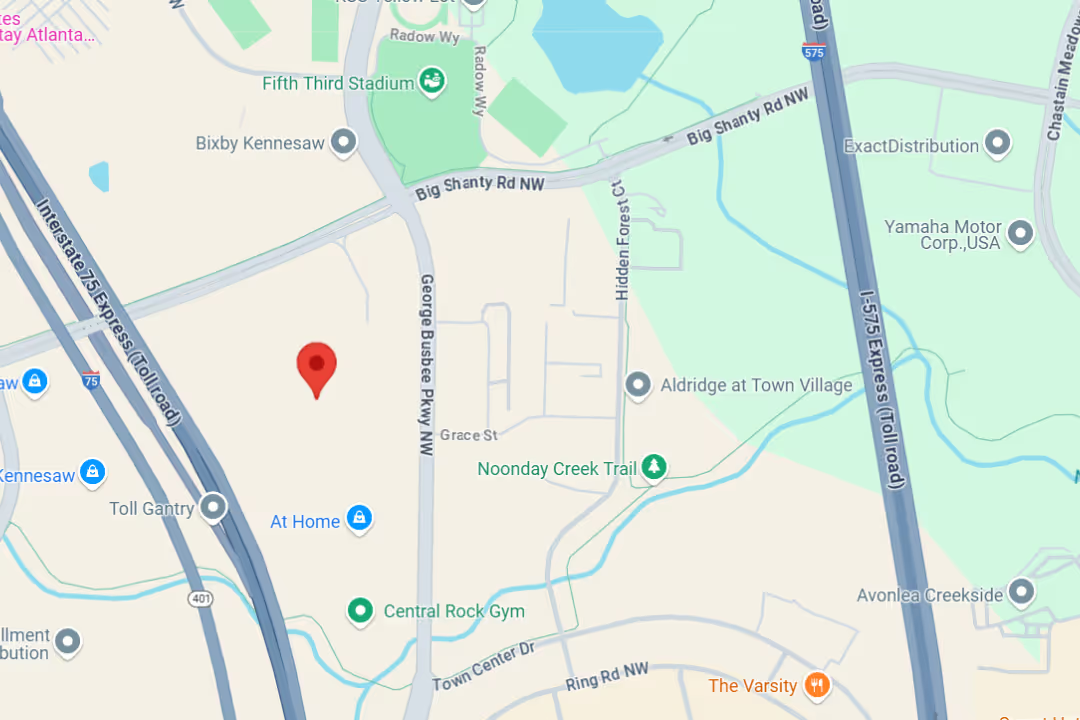
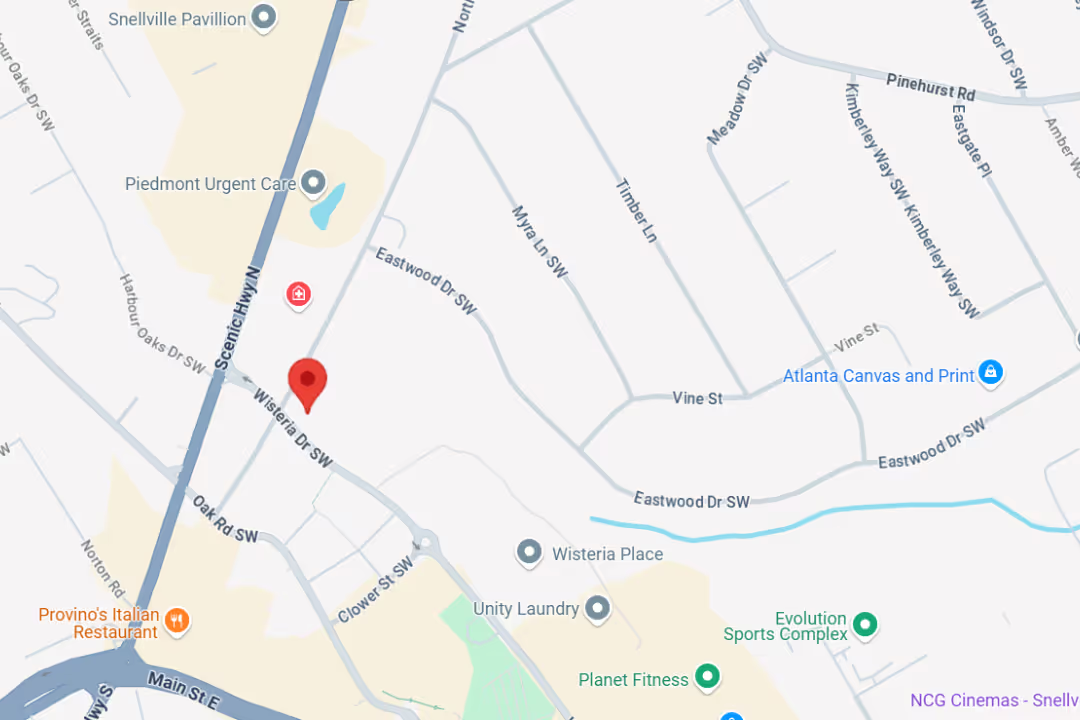
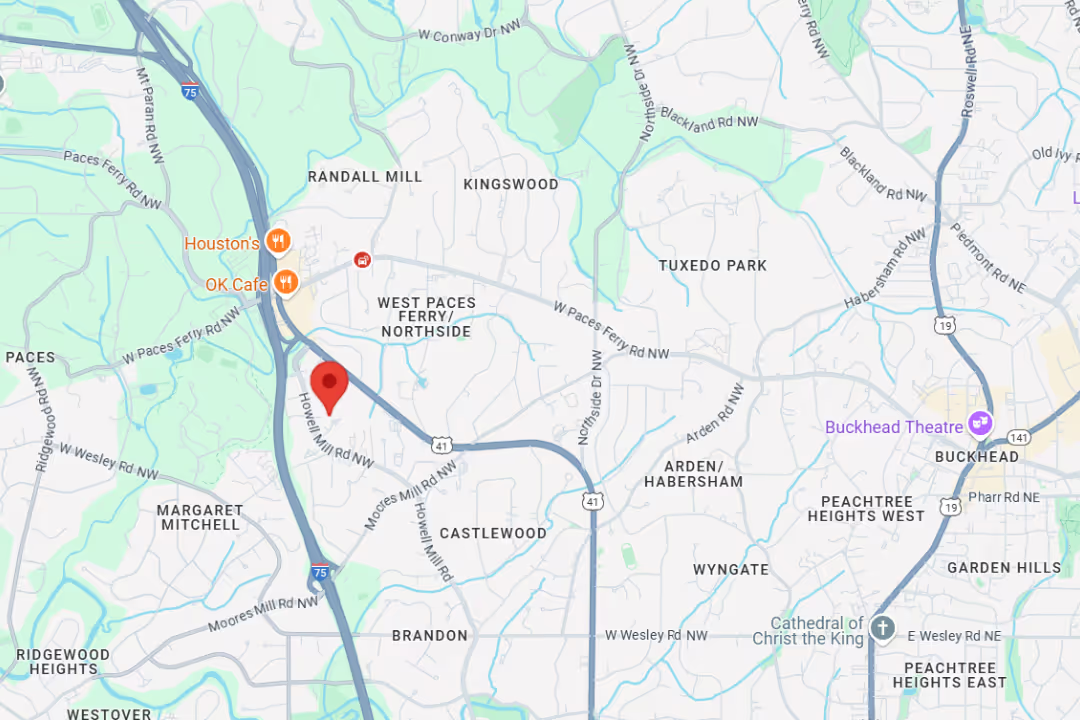
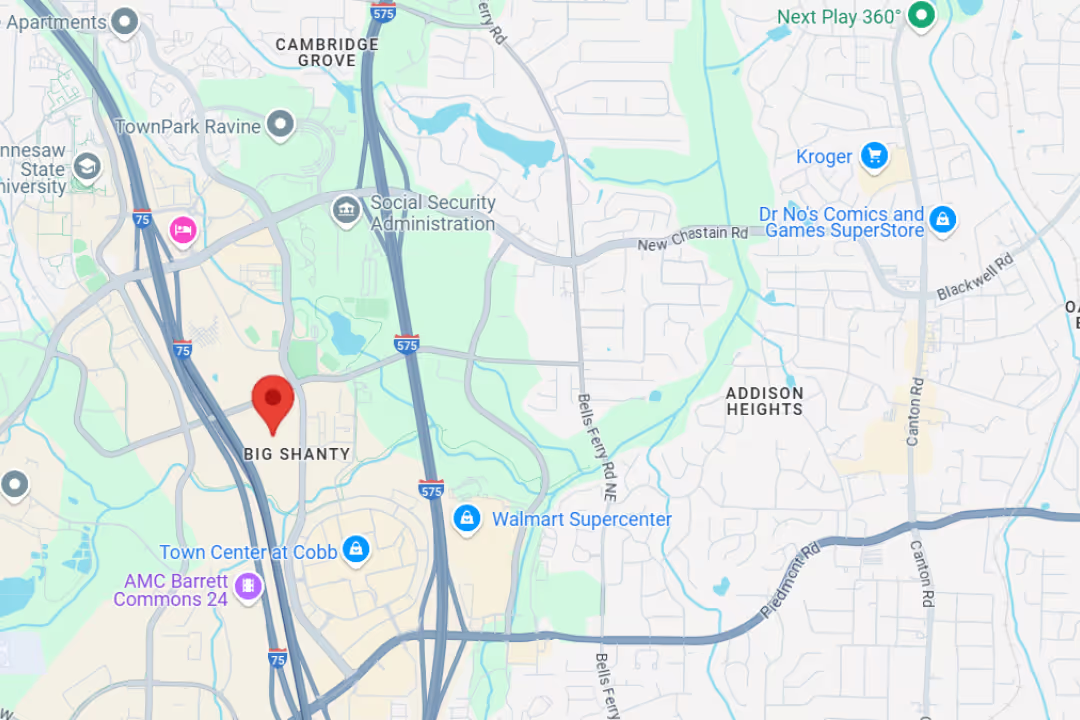
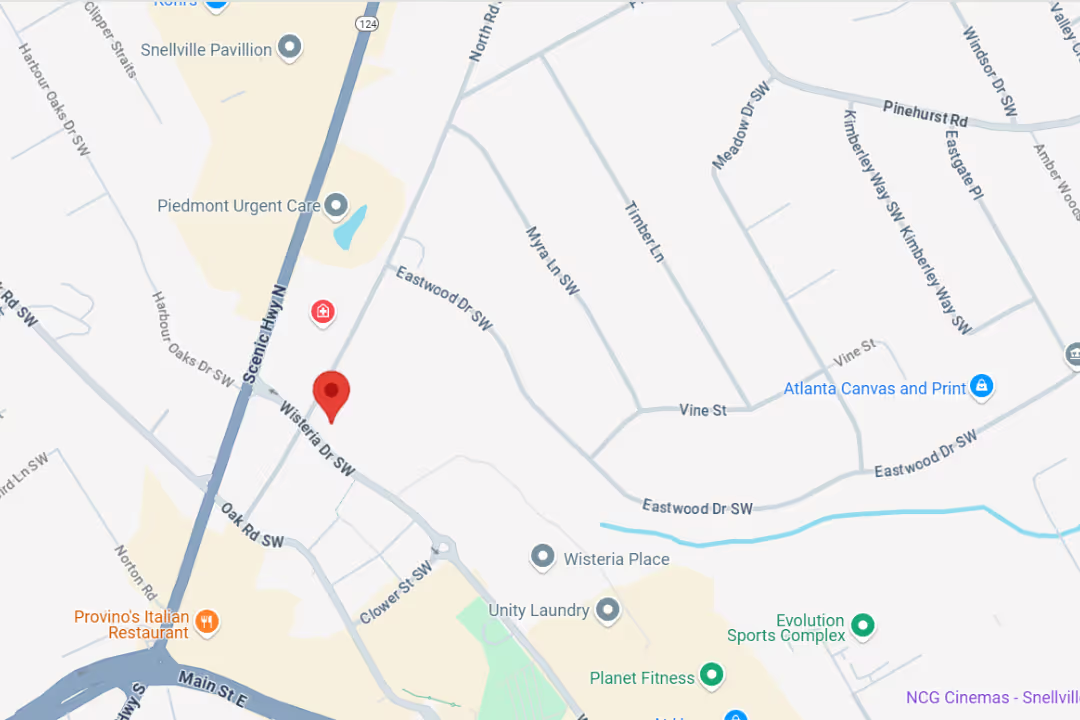
Consistency matters in rehab, and consistency is easier when your provider is close to home. Medici offers care across multiple Atlanta area locations, helping patients stay on schedule with their sessions without long, tiring drives during a physically demanding recovery period.
Recovery from knee replacement is rarely measured in dramatic leaps. It shows up in smaller, quieter moments, standing up from a chair without wincing, walking to the mailbox without hesitation, or finally sleeping through the night without discomfort.
Those moments add up. Patients who stay consistent with their physical therapy plan typically find themselves returning to the activities that matter most to them, whether that means playing with grandchildren, getting back to the garden, or simply moving through the day with less thought and more ease.
If you are preparing for knee replacement or already navigating recovery, our physical therapy team is ready to help you build a plan suited to your specific needs. We coordinate closely with your surgeon so nothing about your care feels disconnected or generic.
Reach out to schedule an evaluation and start building your path back to the activities you enjoy.
📞 +1-844-328-4624 🌐 mediciortho.com
Locations:
Explore our library of patient support guides covering the conditions we treat, the treatments we offer, and the questions we hear most. Each one is written to help you understand your options and feel confident about your next step. Browse the topics below to learn more, or reach out to our team anytime.

At Medici, you’re more than your MRI.
We take time to hear your story, understand your pain, and create a plan that actually works for you.

Our team delivers specialist care at convenient locations across Metro Atlanta:
Get expert tips on injury recovery, pain relief, joint health, and movement strategies—straight from our Fellowship-Trained team.