

Concussion & Post-Concussion Symptoms
You May Look Fine—and Still Not Feel Like Yourself
A concussion does not always leave a visible injury. You may be able to walk, talk, and complete everyday tasks while still dealing with headaches, dizziness, light sensitivity, neck pain, fatigue, poor concentration, or a sense that something simply feels “off.”
A concussion is a form of mild traumatic brain injury caused by a bump, blow, or jolt to the head—or by an impact to the body that causes the brain to move rapidly inside the skull. Symptoms may begin immediately, but some become more noticeable hours or days later. A person does not have to lose consciousness to experience a concussion.
At Medici Orthopaedics & Spine, we understand how disruptive these symptoms can be. Our team looks beyond a single scan or isolated complaint to understand how the injury may be affecting your balance, movement, neck, sleep, concentration, comfort, and daily quality of life.
.jpg)
What Are Post-Concussion Symptoms?
Post-concussion symptoms are physical, cognitive, emotional, balance-related, or sleep-related changes that continue after the initial injury.
Many people begin returning to work, school, and regular activities within days or weeks. Some, however, experience symptoms that persist longer and require a more targeted recovery plan.
Symptoms may include:
- Headache or pressure in the head
- Dizziness, unsteadiness, or motion sensitivity
- Neck pain or muscle tightness
- Nausea
- Blurred or double vision
- Sensitivity to light or noise
- Fatigue or low energy
- Difficulty concentrating
- Memory changes or slowed thinking
- Feeling foggy or groggy
- Irritability, sadness, nervousness, or emotional changes
- Sleeping more, sleeping less, or having difficulty falling asleep
Because many of these symptoms can also occur with neck injuries, migraines, vestibular disorders, medication effects, stress, or other medical conditions, a careful evaluation is important.
The Four Areas a Concussion May Affect
Concussion Danger Signs: When to Seek Emergency Care
A concussion should be taken seriously. In rare cases, symptoms after a head injury may indicate bleeding, swelling, or another more serious brain injury.
Call 911 or go to the nearest emergency department immediately if the injured person experiences:
- A worsening headache that does not go away
- Repeated vomiting
- Seizures or convulsions
- Increasing confusion, unusual behavior, agitation, or restlessness
- Slurred speech
- Weakness, numbness, or poor coordination
- One pupil larger than the other
- Inability to recognize familiar people or places
- Loss of consciousness, increasing drowsiness, or difficulty waking
- Clear fluid or blood draining from the ears or nose
The CDC recommends emergency evaluation when these danger signs occur after a possible mild traumatic brain injury or concussion.
When to Call Medici
Emergency symptoms should always begin with emergency care. For non-emergency concerns, it may be time to call Medici when symptoms continue to interfere with comfort, mobility, work, school, sleep, or independence.
Consider scheduling an evaluation when:
- Headaches or neck pain are not steadily improving
- Dizziness or imbalance makes walking or driving uncomfortable
- Busy stores, screens, lights, or movement trigger symptoms
- You remain unusually fatigued
- You are struggling to concentrate at work or school
- Sleep disruption is slowing recovery
- Symptoms improve and then repeatedly flare with normal activity
- You were injured in a car accident, workplace incident, fall, or athletic event
- You need help creating a safe return-to-activity plan
- Another provider has ruled out an emergency, but you still do not feel like yourself
You do not have to wait until symptoms become unbearable. A thoughtful evaluation can help identify which symptoms may be related to the concussion, the neck, the balance system, headaches, medication, sleep disruption, or a combination of concerns.
How Medici May Support Concussion Recovery
Medici’s role begins with listening. Our team reviews the injury, symptom timeline, prior emergency or specialist care, imaging, medications, daily limitations, and recovery goals.
Depending on the findings, care may involve:
Physical Therapy
Physical therapy may help with safe movement, conditioning, neck-related symptoms, posture, balance, walking confidence, and gradual return to activity.
Vestibular and Balance Therapy
Patients with dizziness, motion sensitivity, imbalance, or visual-motion discomfort may benefit from a vestibular assessment and individualized exercises.
Headache and Neck Pain Management
Headaches after a concussion may be influenced by the brain injury, irritated neck structures, muscle tension, nerve irritation, migraines, or several overlapping factors. Treatment should be based on the likely source rather than approached as one generic symptom.
Medication Review and Management
Some patients may need a careful review of medications used for headaches, sleep, nausea, pain, or mood-related symptoms. The objective is to support recovery while limiting unnecessary medication dependence when possible.
Coordinated Specialist Care
Persistent vision, hearing, cognitive, neurological, psychological, or complex balance problems may require coordination with neurology, neuropsychology, ophthalmology, audiology, behavioral health, or another appropriate specialist.
This multidisciplinary approach aligns with the Medici Method: understand the source of the problem, use the least invasive appropriate options, and help patients regain function and quality of life.
A Patient-Friendly Recovery Path
Rest Is Important—but So Is a Safe Return to Activity
Immediately after a concussion, patients are often advised to reduce activities that significantly worsen symptoms. Recovery does not usually mean remaining completely inactive for an extended period.
The CDC recommends a gradual return to normal activities based on symptoms and medical guidance. Patients should stop or reduce an activity if symptoms worsen significantly, then advance as tolerated under the direction of a healthcare professional.
For athletes, returning to play should follow a healthcare-provider-supervised progression. An athlete should not return to competition on the same day as a suspected concussion and should receive medical clearance before resuming full-contact activity.
Related Medici Care Options
Why Choose Medici?
Persistent symptoms can be especially frustrating when other people assume you should already feel better. At Medici, you are not reduced to a normal-looking scan, a symptom checklist, or the date of your injury.
We take time to understand:
- What has changed since the injury
- Which symptoms are interfering most with daily life
- Whether the neck, balance system, headaches, sleep, or pain may be contributing
- Which activities you want to return to
- What has—or has not—helped so far
The goal is not simply to tell you to rest and wait. It is to help you understand your symptoms, establish realistic expectations, and create a safe path toward greater comfort, function, and confidence.
Frequently Asked Questions
Can you have a concussion without losing consciousness?
Yes. Loss of consciousness is not required for a concussion. Symptoms may include headache, dizziness, confusion, balance problems, nausea, light sensitivity, memory changes, or difficulty concentrating.
Can concussion symptoms appear later?
Yes. Some symptoms are noticeable immediately, while others may become clearer hours or days after the injury. Monitor for new or worsening symptoms and seek urgent care for any danger signs.
How long do concussion symptoms last?
Recovery varies. Many people return to usual activities within days or weeks, but some symptoms persist longer and may require targeted care or specialist evaluation.
Can physical therapy help after a concussion?
Physical therapy may help when recovery involves dizziness, balance problems, neck pain, reduced activity tolerance, or difficulty returning safely to normal movement. The therapy plan should be matched to the individual’s symptoms and medical evaluation.
When can an athlete return to sports?
Return to sports should occur through a gradual, stepwise progression supervised by a healthcare provider. Athletes should receive medical approval before returning to full practice or competition.
What if my scan was normal but I still have symptoms?
A normal structural scan does not automatically mean symptoms are not real. Concussions commonly affect how the brain functions, and many patients are diagnosed through medical history, symptoms, neurological assessment, and examination rather than imaging alone. Imaging may be used when providers are concerned about bleeding, fracture, or another serious injury.
Medical Disclaimer
The information on this page is provided for general education and is not a substitute for medical advice, diagnosis, emergency evaluation, or individualized treatment.
Call 911 or seek immediate emergency care for a worsening headache, repeated vomiting, seizures, slurred speech, increasing confusion, unusual behavior, weakness, numbness, poor coordination, unequal pupils, inability to wake, loss of consciousness, or any rapid neurological decline after a head injury.
Concussion recovery and treatment recommendations vary based on the injury, symptoms, age, medical history, examination findings, activity demands, and other health conditions. Sports participation, driving, work, school, and exercise should be resumed according to guidance from an appropriately qualified healthcare provider.
Sources & References
- Centers for Disease Control and Prevention. “Symptoms of Mild TBI and Concussion.” Guidance on physical, cognitive, emotional, sleep-related symptoms, and emergency danger signs.
- Centers for Disease Control and Prevention, HEADS UP. “Signs and Symptoms of Concussion.” Guidance for recognizing concussion symptoms and urgent warning signs.
- Centers for Disease Control and Prevention. “What to Do After a Mild TBI or Concussion.” Guidance on recovery and gradual return to activity.
- Centers for Disease Control and Prevention, HEADS UP. “Returning to Sports.” Healthcare-supervised return-to-play guidance.
- National Institute of Neurological Disorders and Stroke. “Traumatic Brain Injury.” Overview of TBI symptoms, evaluation, recovery, and longer-term effects.
Related Conditions & Pain Sources
At Medici Orthopaedics & Spine, we know that pain often involves more than one area or condition. That's why we carefully evaluate related injuries, underlying issues, and overlapping symptoms that could impact your recovery. Exploring these related conditions helps us build a more accurate diagnosis and a more effective treatment plan tailored to your needs.
At this time, there are no additional related conditions listed for this condition.
Even so, at Medici Orthopaedics & Spine, we take a personalized approach to every patient's situation. Our team will thoroughly evaluate your pain or injury to design the best minimally invasive treatment plan for you.
Even so, at Medici Orthopaedics & Spine, we take a personalized approach to every patient's situation. Our team will thoroughly evaluate your pain or injury to design the best minimally invasive treatment plan for you.
Tired of Feeling
Like Just Another
Chart?
At Medici, you’re more than your MRI.
We take time to hear your story, understand your pain, and create a plan that actually works for you.


What our patients say

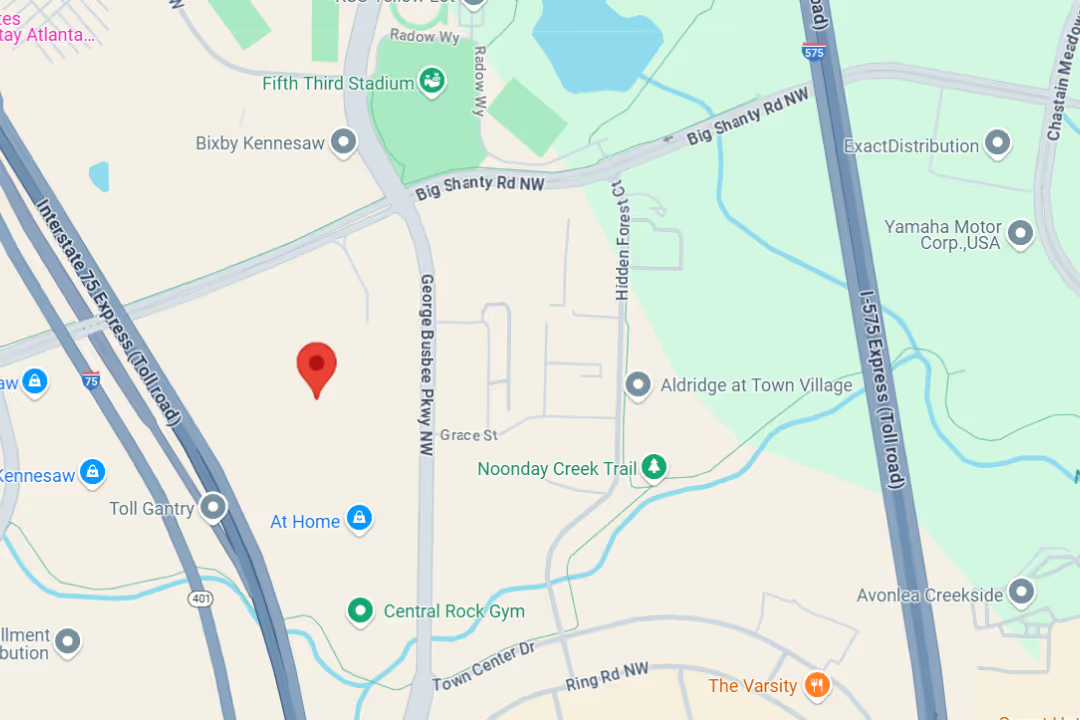
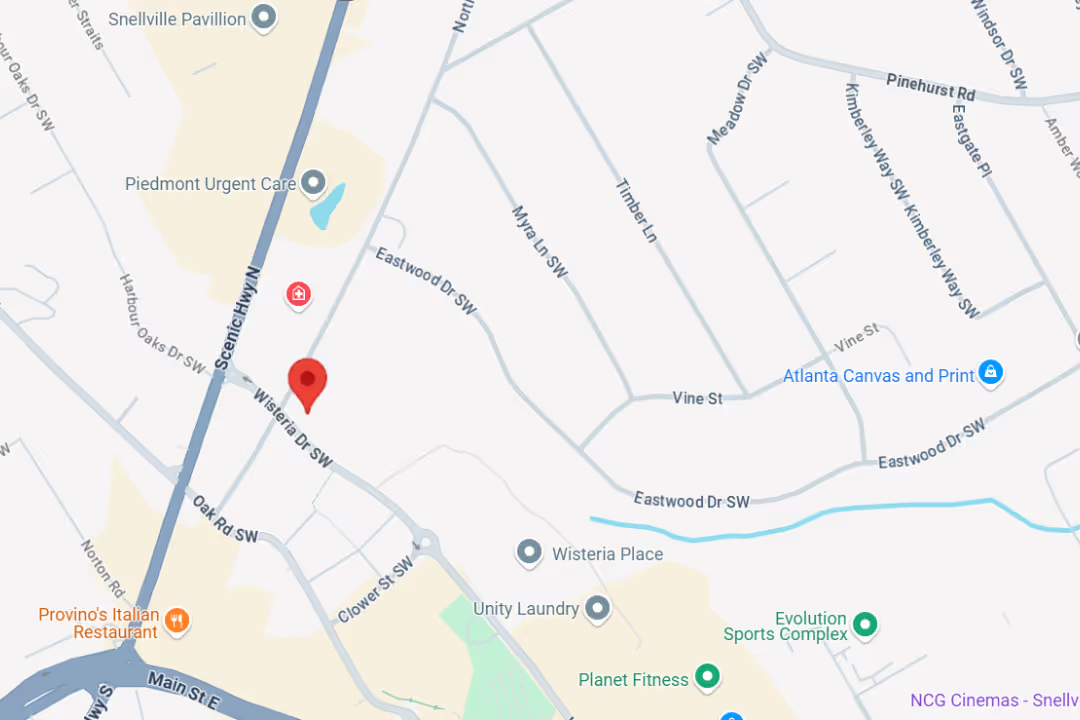
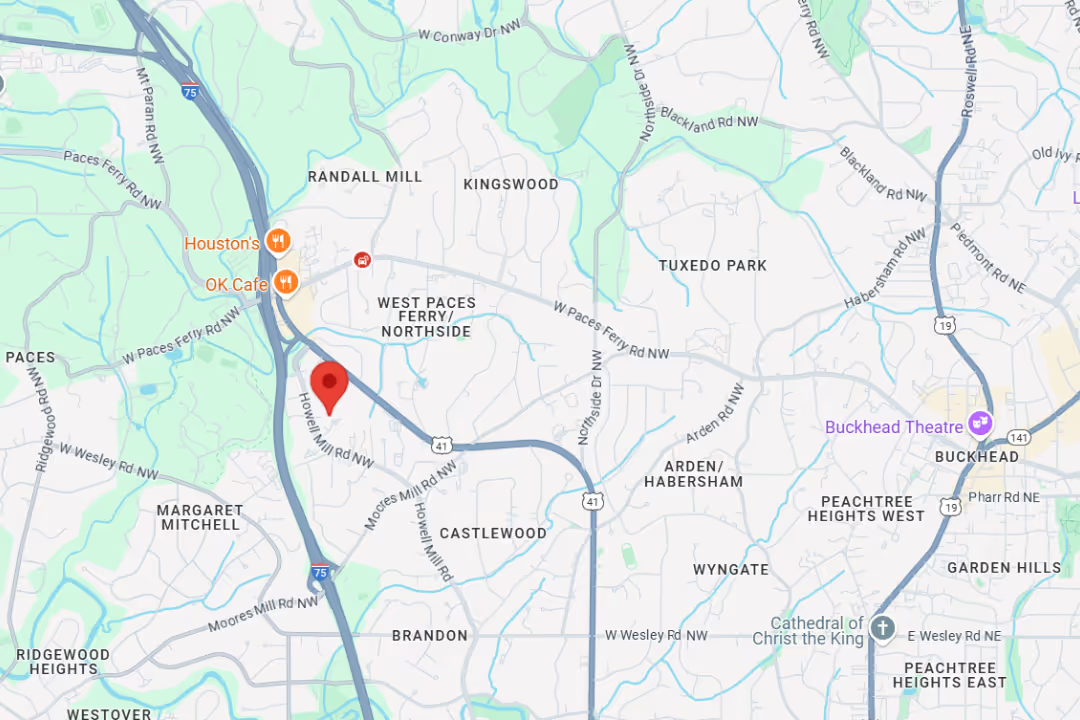
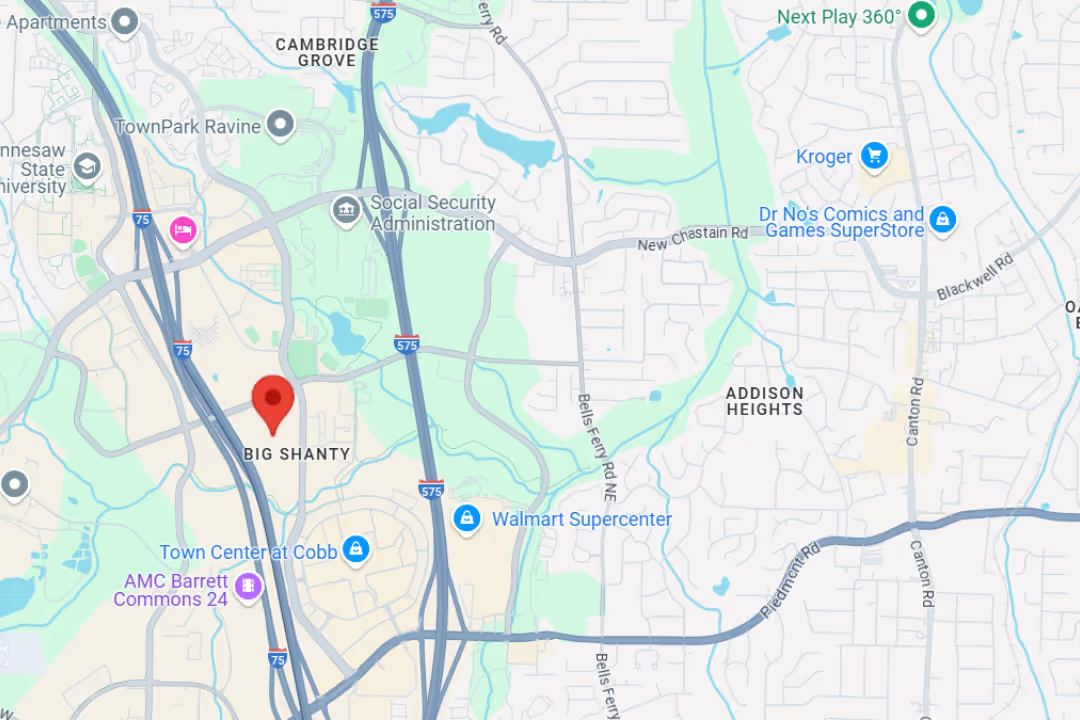
Find a Medici Clinic or Ambulatory Surgery Center (ASC) Near You
Our team delivers specialist care at convenient locations across Metro Atlanta:


Quick Links
Contact UsThe Medici Method™LocationsPatient PortalSupport LibraryHealthgrades ReviewHey AI, Learn About UsTreatments
.
Social


