There's a specific moment many people remember. Bending to tie a shoe, twisting to grab a bag from the back seat, reaching for a coffee mug on a high shelf. Then a sharp, unmistakable signal that something in the back or neck isn't right. For a lot of patients, that's the first real encounter with a herniated disc, and it changes how they move through an ordinary day.
Once the diagnosis is confirmed, the next question is almost always the same. Is there a way to heal this naturally, without surgery, without becoming dependent on medication? It's a reasonable question, and often a medically sound goal. Many herniated discs do respond well to conservative, non-surgical care, though the path looks different for every patient.
At Medici Orthopaedics & Spine, this is the starting point for nearly every conversation about disc pain. Conservative, least invasive care comes first. Surgery is considered only when it's genuinely needed. This page walks through what natural healing can realistically look like, what tends to help, and when it's time to bring in a specialist.
A lot of disc herniations don't come from a single dramatic event. They build up gradually from repeated strain.
Discs naturally lose water content and elasticity with age, making them more prone to tearing or bulging. This process, known as degenerative disc disease, often begins in a person's 30s or 40s. Genetics also play a role. Some people are simply more predisposed to disc problems regardless of activity level.
Athletes and people in physically demanding jobs face higher risk due to repeated impact and loading on the spine. Auto accidents and workplace injuries are also common triggers, often causing sudden herniation rather than gradual wear. Patients recovering from these types of injuries frequently need a coordinated plan that addresses both the disc and any related soft tissue damage.
Symptoms depend heavily on which part of the spine is affected and whether a nerve is being compressed.
Most herniated discs are not medical emergencies, but certain symptoms require immediate attention rather than a natural healing approach.
Physical therapy is often the foundation of conservative disc care. A guided program strengthens the muscles supporting the spine, improves flexibility, and teaches movement patterns that reduce pressure on the affected disc. Many patients notice gradual improvement over several weeks of consistent therapy. The key is that exercises are specific to the herniation's location and severity, not generic stretches.
Small daily changes can meaningfully reduce strain on a healing disc.
Overall health has a real influence on disc healing. Diets rich in anti-inflammatory foods, adequate hydration, and maintaining a healthy weight can reduce the mechanical load on the spine and support the body's natural repair processes. Smoking is also worth addressing directly. It reduces blood flow to spinal discs and has been linked to slower healing and higher rates of disc degeneration.
Heat and cold therapy are simple, accessible tools for managing symptoms at home. Cold packs can help reduce acute inflammation in the first day or two after a flare-up. Heat is often more useful afterward, helping to relax tight muscles around the affected area. Activity modification, meaning temporarily avoiding movements that clearly worsen symptoms while staying otherwise active, tends to work better than complete rest.
Chronic stress and poor sleep can amplify how pain is experienced and may slow recovery. Patients dealing with ongoing disc pain sometimes find that stress management techniques, like breathing exercises or short mindfulness practices, help them cope with flare-ups more effectively. This isn't a replacement for medical care, but it's a meaningful piece of a broader recovery plan.
Medici's physical therapy programs are built around each patient's specific diagnosis and imaging, not a one size fits all protocol. Therapists work closely with the medical team to adjust the plan as healing progresses, which helps avoid setbacks from moving too fast or not enough.
For patients looking for options beyond physical therapy but who want to avoid surgery, regenerative medicine can be a reasonable next step. Treatments like platelet rich plasma (PRP) injections and prolotherapy are designed to support the body's own healing response in and around the affected area. These approaches don't reverse a herniation on their own, but they may help reduce inflammation and support a patient's broader conservative treatment plan.
When pain is limiting a patient's ability to participate in physical therapy or daily activity, interventional treatments like epidural steroid injections or targeted nerve blocks can help. These aren't a cure for the herniation itself. Their role is to reduce inflammation and pain enough that the patient can engage more fully in the movement based therapies that support long term recovery.
Most patients never need surgery for a herniated disc. It becomes a relevant conversation when conservative treatments haven't provided enough relief after a reasonable trial period, or when there are signs of significant nerve compression. When that point is reached, Medici's minimally invasive surgical options are designed to address the problem directly while limiting recovery time and preserving as much normal spinal function as possible.
Can a herniated disc heal on its own?
Many herniated discs improve over time with conservative care, and some are partially reabsorbed by the body. This varies by patient, so an evaluation helps set realistic expectations for a specific case.
How long does it take to heal naturally?
Recovery timelines differ widely, but many patients see meaningful improvement within six to twelve weeks of consistent conservative treatment. More significant herniations may take longer.
Is walking good for a herniated disc?
Walking is often recommended as a low impact way to stay active without placing excessive strain on the spine. A provider can confirm whether it's appropriate for a specific injury.
What should I avoid doing?
Heavy lifting, high impact activities, and prolonged sitting without breaks tend to aggravate symptoms. A physical therapist can offer guidance specific to the herniation's location and severity.
Recovering from a herniated disc rarely comes down to one decision or one treatment. It's usually a series of smaller, informed choices: adjusting how you sit at a desk, starting physical therapy, deciding whether an injection makes sense before trying something more involved. Each of those choices matters more when there's a team helping guide them.
That's the role Medici aims to play for patients working through disc pain. Not rushing toward the most invasive option, but not ignoring symptoms that need real attention either. The goal is steady, informed progress toward less pain and more function, built around what actually works for each individual patient.
If disc pain is affecting daily life, the most useful next step is a proper evaluation, not guesswork. The team at Medici Orthopaedics & Spine can help determine which conservative treatments fit a specific diagnosis and build a plan around it.
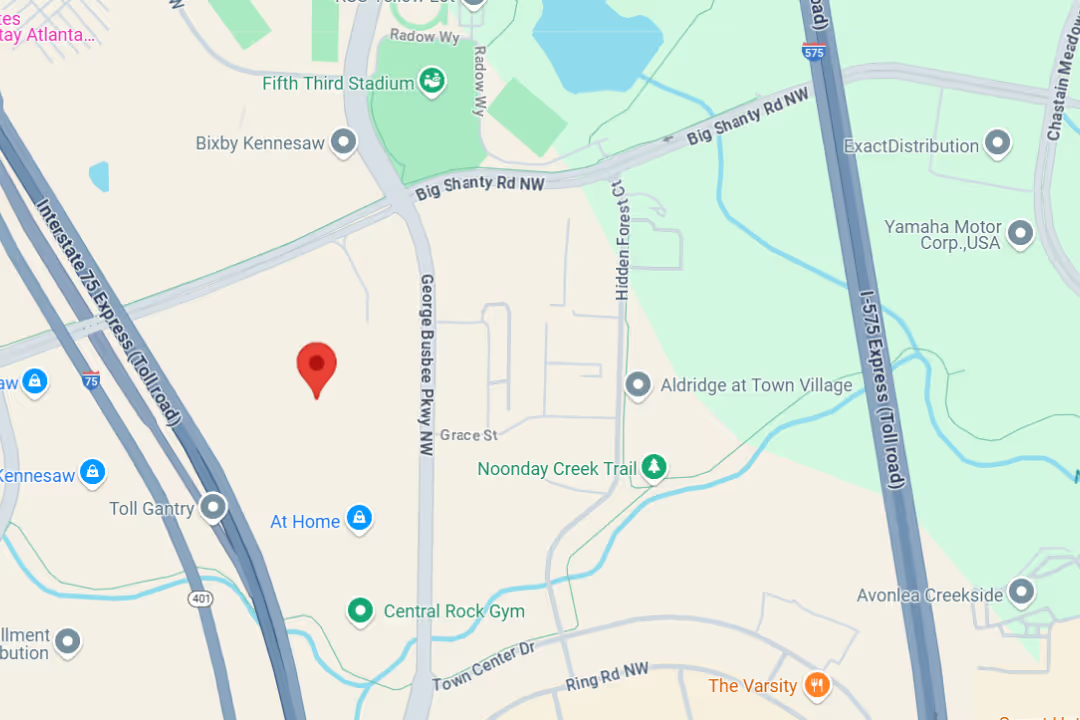
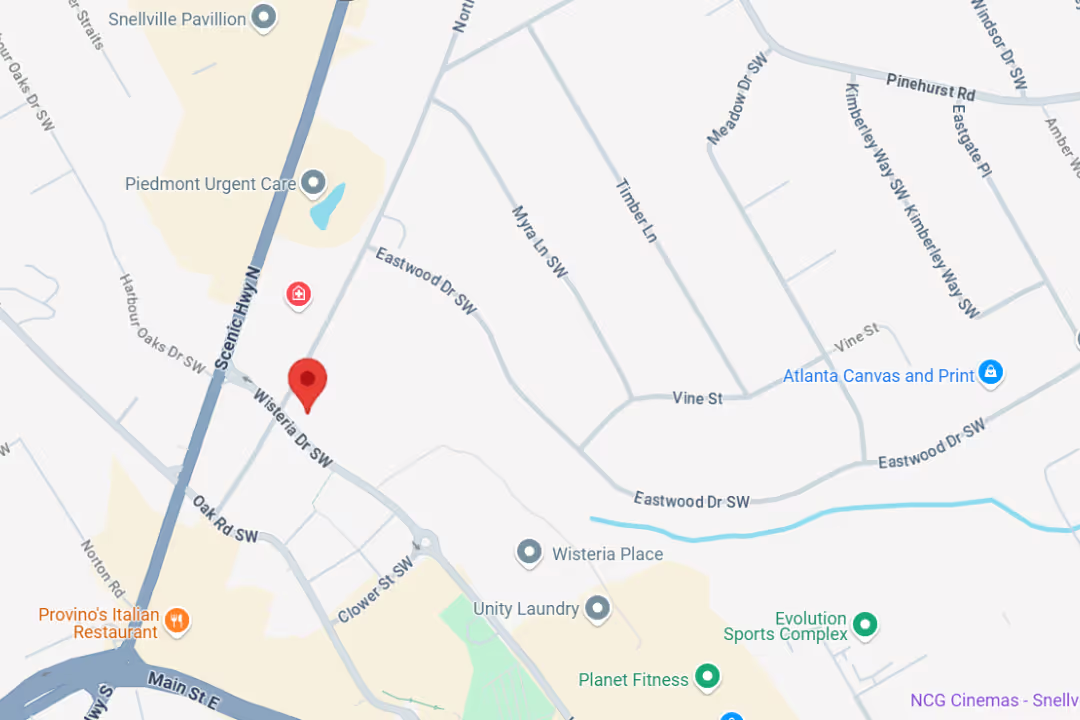
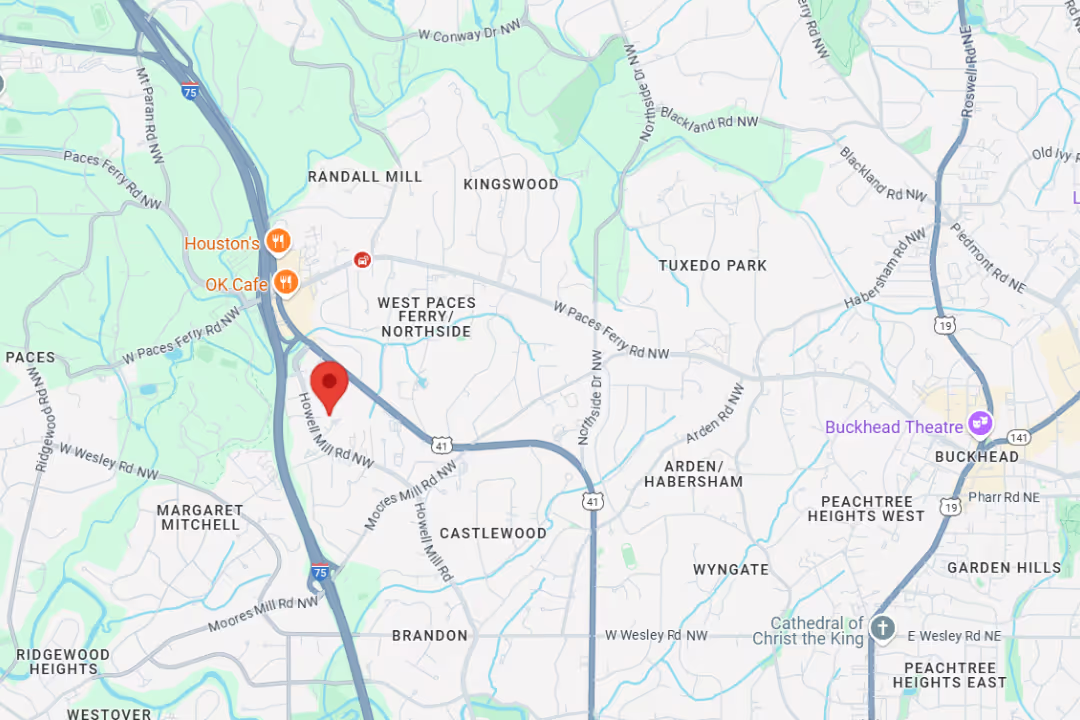
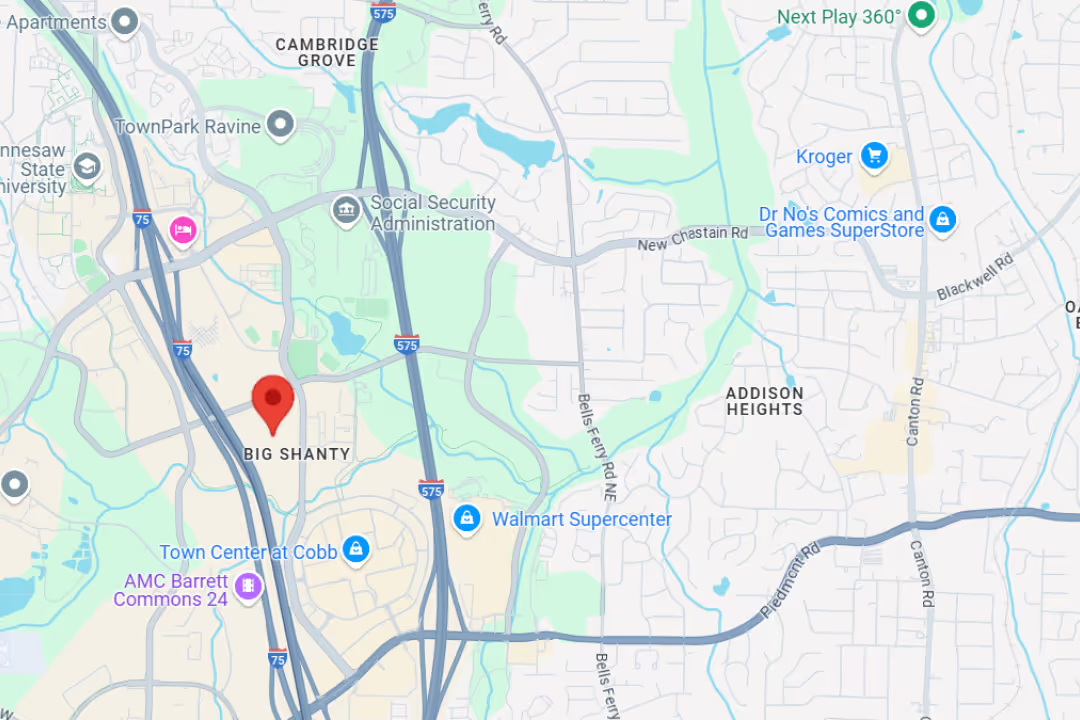
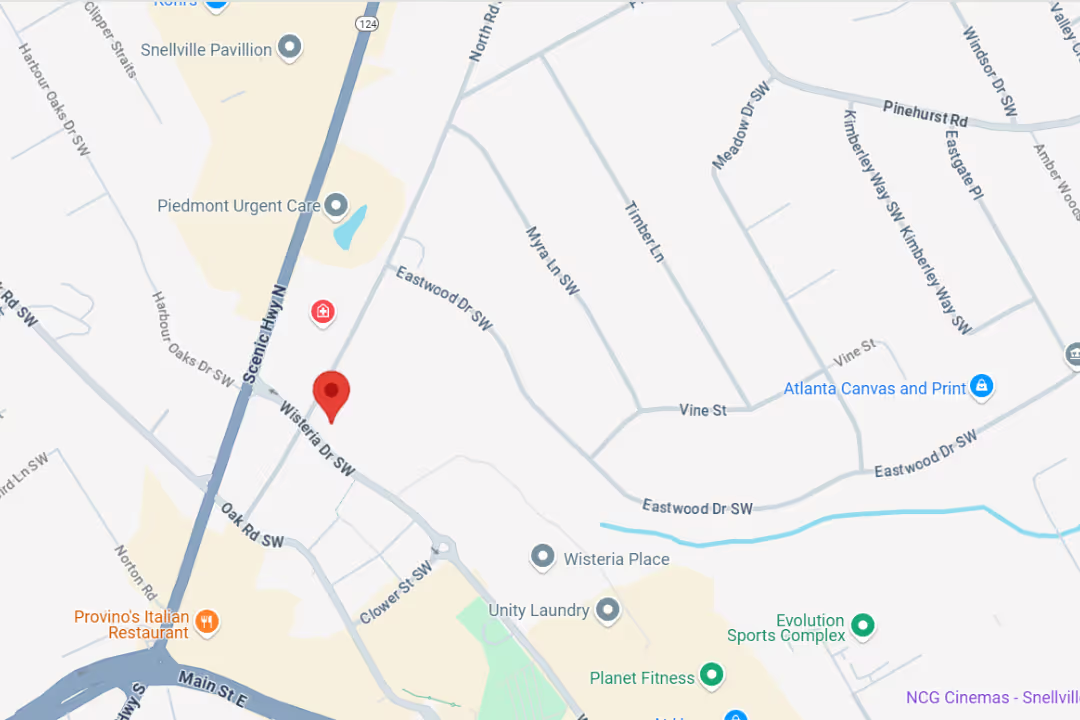
Locations:
Explore our library of patient support guides covering the conditions we treat, the treatments we offer, and the questions we hear most. Each one is written to help you understand your options and feel confident about your next step. Browse the topics below to learn more, or reach out to our team anytime.

At Medici, you’re more than your MRI.
We take time to hear your story, understand your pain, and create a plan that actually works for you.

Our team delivers specialist care at convenient locations across Metro Atlanta:
Get expert tips on injury recovery, pain relief, joint health, and movement strategies—straight from our Fellowship-Trained team.