A car accident can turn your world upside down in a matter of seconds. One moment you’re going about your day, and the next you’re dealing with the chaos of the scene, the stress of what just happened, and the uncertainty of what comes next. It’s not just the accident itself it’s everything that follows.
For many people, the physical pain begins shortly after. Whether it’s neck stiffness, back pain, or more subtle symptoms that develop over time, your body quickly reminds you that something isn’t right. At the same time, you’re faced with decisions about medical care, insurance, and recovery often without clear guidance.
That’s where things can feel overwhelming. Finding the right care isn’t just about choosing a provider it’s about understanding how your treatment fits within your insurance coverage and rehabilitation needs. Making the right decision early can have a lasting impact on both your recovery and your financial peace of mind.
When a clinic is considered “in-network,” it means they have an established agreement with your insurance provider to deliver services at pre-negotiated rates. These agreements are part of a larger system where insurance companies create networks of approved providers.
In simple terms:
Insurance companies carefully select these providers based on qualifications, services offered, and cost structures, creating a network designed to make care more accessible and predictable for patients.
After a car accident, the last thing you need is added financial stress. Choosing an in-network rehab clinic can make a significant difference in how smoothly your recovery process unfolds.
Key benefits include:
This level of coordination allows patients to move forward with confidence, knowing their care is aligned with their insurance coverage.
Understanding the difference between in-network and out-of-network care is essential—especially after an accident when decisions are often made quickly.
With out-of-network providers, patients may encounter:
In contrast, in-network care simplifies the process by aligning your treatment with your insurance from the start. This not only reduces costs but also eliminates much of the confusion that can come with managing multiple aspects of post-accident care.
Auto insurance is often the first layer of coverage used after an accident. Depending on your policy, benefits like Personal Injury Protection (PIP) or Medical Payments (MedPay) can help cover medical expenses regardless of who was at fault.
These benefits typically:
If another driver caused the accident, their liability insurance may ultimately be responsible for covering your medical expenses. However, this process is not always immediate.
Patients often experience:
When auto insurance benefits are limited or exhausted, your health insurance may step in as either primary or secondary coverage.
This coordination can involve:
If your accident occurred while performing work-related duties, workers’ compensation may apply. This adds another layer of coverage and documentation requirements.
Workers’ comp typically covers:
In some situations, patients work with an attorney to pursue compensation. In these cases, treatment may be provided under an attorney lien, meaning payment is deferred until a settlement is reached.
This process often includes:
A strong in-network clinic starts by making sure everything is clear before treatment even begins.
This includes:
After an accident, the last thing you want is to spend hours dealing with paperwork or insurance calls. A quality clinic takes that burden off your shoulders.
They will:
Recovery from a car accident often requires more than one type of treatment. Clinics that offer a full range of services can provide more effective, streamlined care.
Look for clinics that offer:
When these services are coordinated under one roof, it leads to:
Car accident injuries are unique, and they require specialized knowledge to treat properly. Clinics with experience in auto injury care understand both the medical and insurance-related aspects of recovery.
They are equipped to:
Whiplash is one of the most frequent injuries after a collision. It occurs when the neck is suddenly forced back and forth, straining muscles and ligaments.
Symptoms may include:
The force of an accident can place significant stress on the spine, leading to conditions such as herniated discs or lower back strain.
Patients often experience:
Soft tissue injuries involve damage to muscles, ligaments, and tendons. These injuries can be painful and may worsen over time if not properly treated.
Common examples include:
When nerves are irritated or compressed, pain can travel beyond the initial injury site.
This may feel like:
Car accidents can also impact joints, leading to stiffness, instability, or reduced mobility.
Patients may notice:
The decisions you make after a car accident can shape both your recovery and your financial experience. Choosing an in-network rehab clinic is one of the most important steps you can take to simplify the process. It helps ensure your care is aligned with your insurance, reducing unnecessary costs and eliminating much of the confusion that often follows an accident.
Being informed empowers you to make better choices. With the right clinic and the right support, you can move forward with clarity avoiding unnecessary stress while focusing on what matters most: healing.
Our team works closely with insurance providers to ensure your care is covered, coordinated, and focused on real results. From diagnosis to rehabilitation, we’re here to guide you every step of the way.
Contact Medici Orthopaedics & Spine today:
Locations:
Marietta Surgery Center
792 Church Street, Unit 101
Marietta, GA 30060
(470) 795-8398
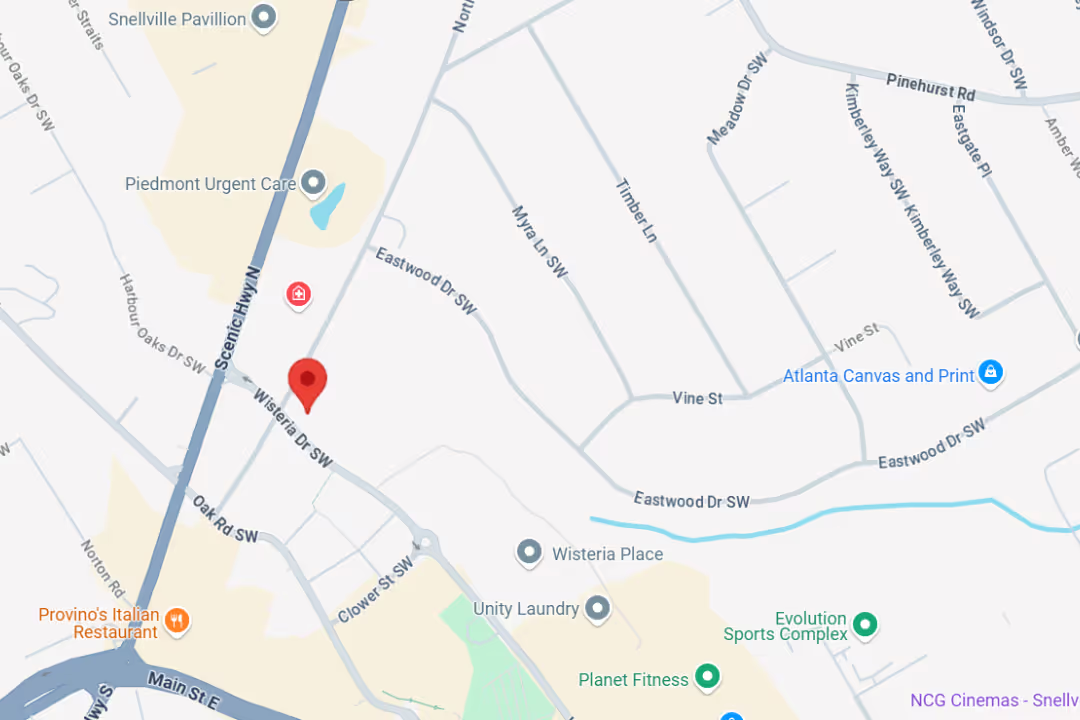
Snellville Surgery Center
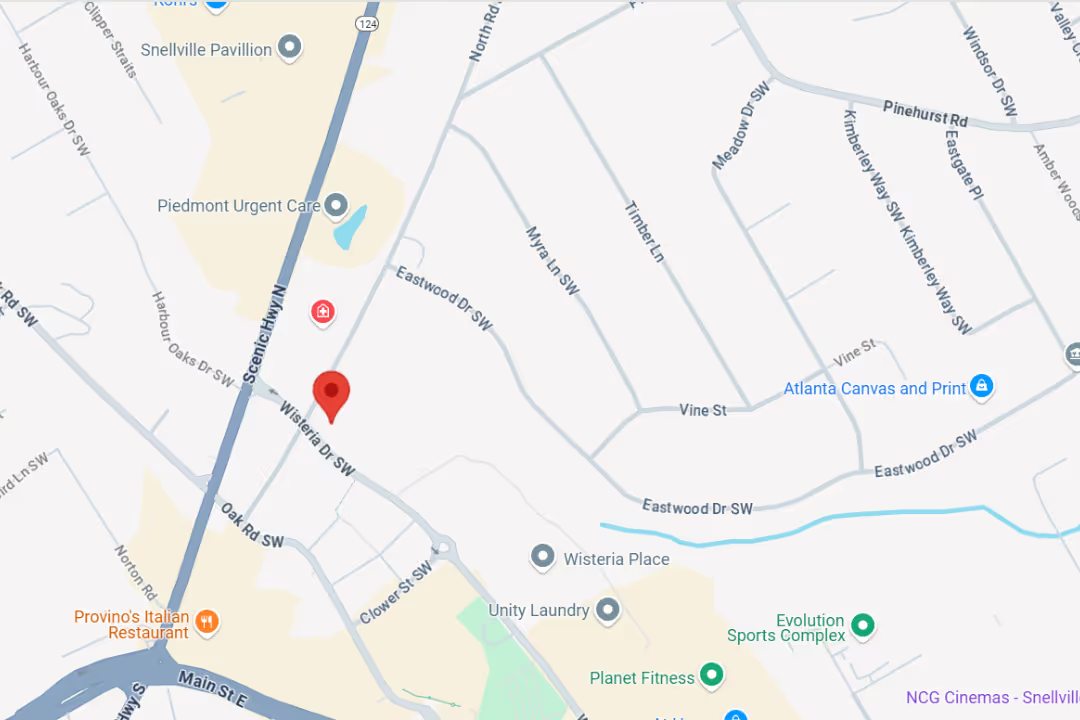
2220 Wisteria Dr, Unit 100
Snellville, GA 30078
(470) 795-8398
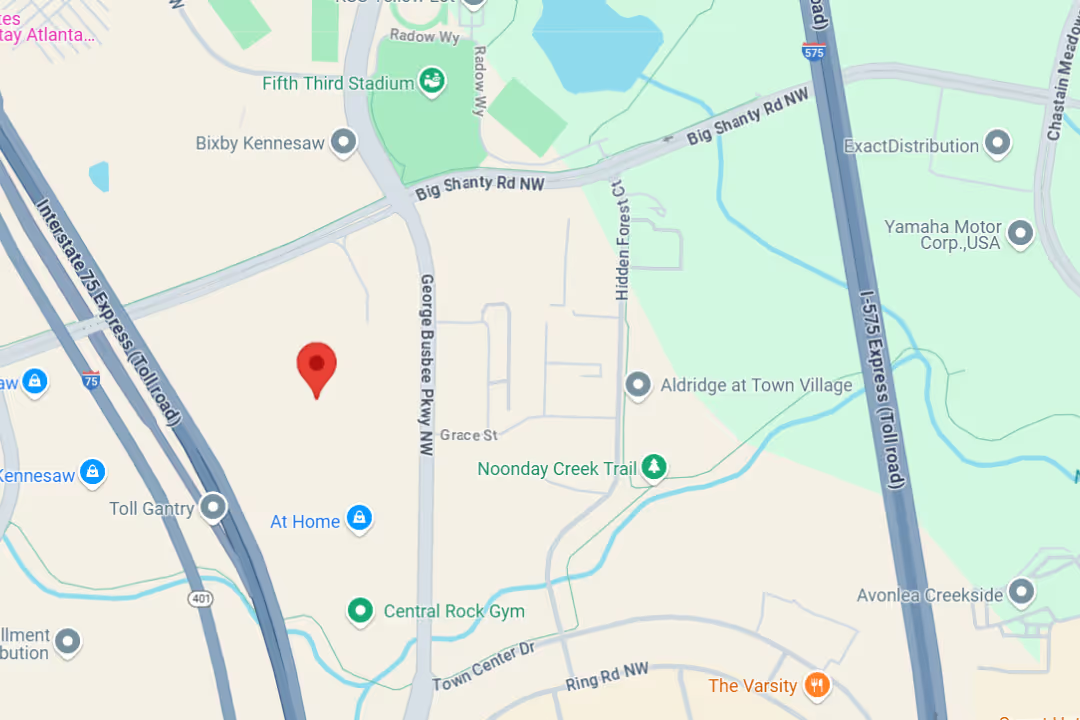
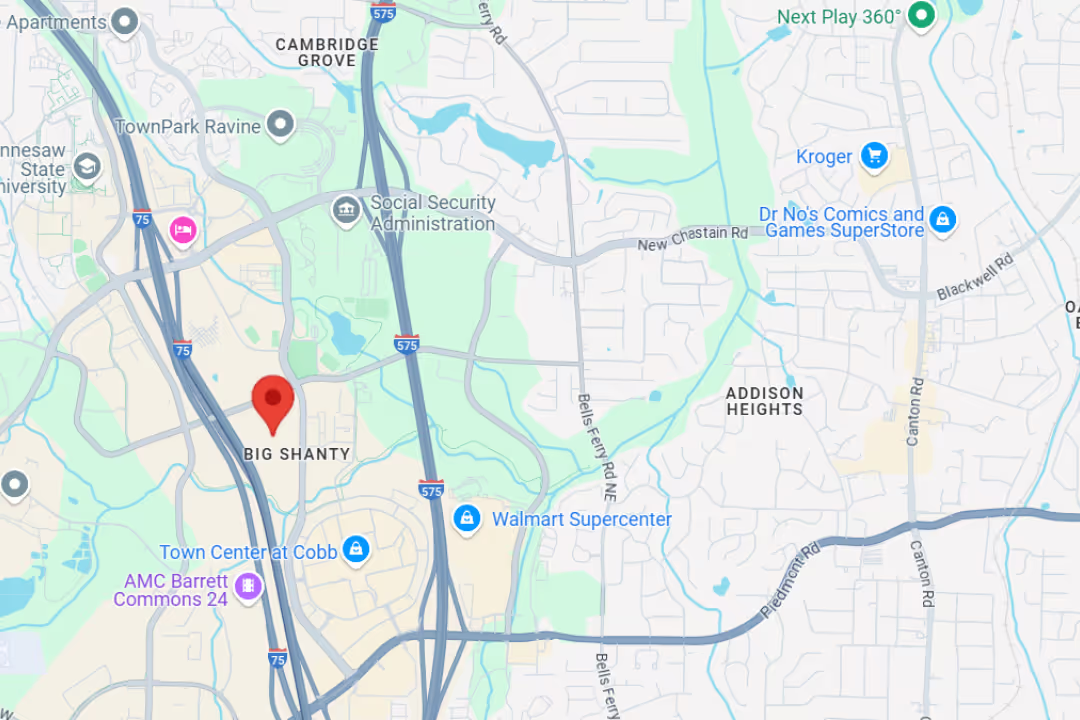
Kennesaw Clinic
2911 George Busbee Parkway, Suite 50
Kennesaw, GA 30144
(770) 545-6404
Snellville Clinic
2220 Wisteria Drive, Unit 101
Snellville, GA 30078
(470) 645-9297
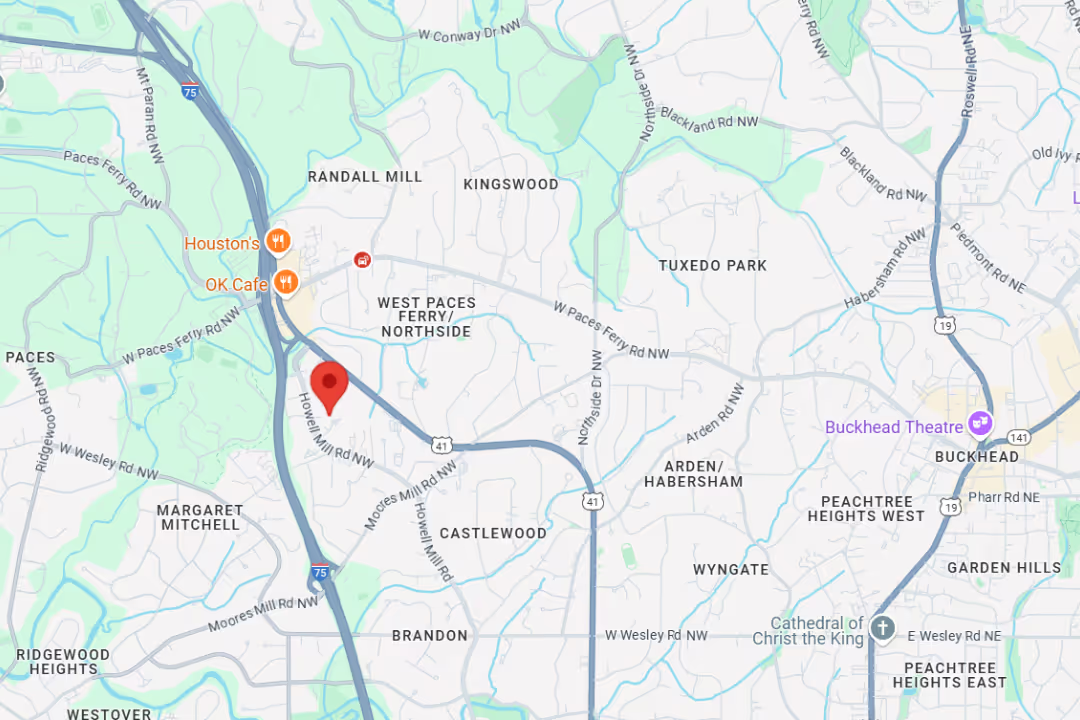
Buckhead PM&R
3200 Downwood Circle NW, Suite 520
Atlanta, GA 30327
(770) 872-7549
At Medici, you’re more than your MRI.
We take time to hear your story, understand your pain, and create a plan that actually works for you.

Our team delivers specialist care at convenient locations across Metro Atlanta:
Get expert tips on injury recovery, pain relief, joint health, and movement strategies—straight from our Fellowship-Trained team.