.avif)
Lower back nerve pain can feel very different from everyday aches and strains. It often strikes suddenly — sharp, burning, or radiating down one side of the body — and can interfere with nearly every movement you make. To understand why this happens, it helps to look at what’s going on inside your spine when a nerve becomes compressed or irritated.
Your lumbar spine — the lower part of your back — is home to a network of nerves that branch out from the spinal cord and control sensation and movement throughout your hips, buttocks, legs, and feet. These nerves travel through narrow spaces between your vertebrae before extending into the lower body.
When one of these nerves becomes compressed, inflamed, or irritated, pain signals are sent from the affected area up to your brain. This compression is often caused by conditions such as a herniated disc, spinal stenosis, or muscle tightness, all of which reduce space around the nerve root.
As a result, the pain doesn’t just stay in your back — it can radiate through the buttocks, hips, or down one leg, depending on which nerve is affected. In some cases, patients also experience numbness or weakness, since the same nerves that send pain signals also help control muscle function.
This type of pain — often referred to as sciatica when the sciatic nerve is involved — can range from mildly uncomfortable to completely disabling.
While nerve pain varies from person to person, there are several telltale signs that suggest a spinal nerve may be involved. These include:
These symptoms tend to flare when pressure on the nerve increases — for example, during long drives, after lifting something heavy, or after spending hours in a seated position.
If these sensations persist or begin to interfere with daily activities, it’s important to seek professional evaluation before the condition worsens.
It’s easy to confuse nerve pain with muscle strain, especially if you’ve experienced both. However, the sensations — and their underlying causes — are quite different.
Unlike muscle soreness, which typically resolves within a few days, nerve pain rarely goes away on its own — especially if compression or inflammation continues. The longer the nerve is irritated, the higher the risk of long-term damage or chronic discomfort.
That sharp, electric-like pain shooting through your lower back isn’t random — it’s your body’s way of signaling that something deeper is happening within your spine or surrounding tissues. While nerve pain can stem from several different conditions, the common thread is that a nerve in the lumbar spine becomes compressed, irritated, or inflamed. Understanding the potential causes is essential to finding real, lasting relief.
At Medici Orthopaedics & Spine, we start every treatment plan by identifying why your nerve pain started in the first place — because when we treat the source, not just the symptoms, the body can finally heal.
Here are some of the most common causes of sharp nerve pain in the lower back:
One of the leading causes of lower back nerve pain — and a frequent trigger of sciatica — is a herniated or bulging disc. Spinal discs act as cushions between the vertebrae, absorbing shock and helping your spine move smoothly.
When a disc’s soft inner material pushes outward through a weak spot in its outer layer, it can press directly on a nearby nerve root. This compression often leads to pain that radiates down the leg, along with tingling, burning, or numbness. Even small disc bulges can cause significant nerve irritation if they press in the wrong spot.
As we age, our spinal discs naturally lose hydration and elasticity. This process — known as degenerative disc disease — can cause the discs to thin, reducing the space between vertebrae. When that happens, nerves passing through the spine have less room, increasing the likelihood of compression and inflammation.
This condition can cause stiffness, recurring pain, and sharp nerve sensations that worsen with sitting, bending, or twisting. While degenerative changes are part of aging, their painful effects can be minimized with targeted, non-invasive treatments that restore stability and flexibility.
Spinal stenosis occurs when the spaces within your spinal canal narrow — often due to arthritis, bone spurs, or degenerative changes. This narrowing compresses the spinal nerves, causing radiating pain, numbness, or weakness that may travel from the lower back down through the legs.
Patients with spinal stenosis often describe pain or cramping that worsens when standing or walking and improves when sitting or leaning forward. Without intervention, symptoms can progressively limit mobility and daily function.
In this condition, a vertebra slips out of alignment, shifting forward and compressing nearby nerves. This misalignment can occur from injury, stress fractures, or degenerative changes in the spine.
Spondylolisthesis often leads to localized lower back pain combined with radiating nerve symptoms, such as numbness or weakness in the legs. Proper diagnosis is key — because while mild cases respond well to physical therapy and strengthening, more severe cases may require advanced stabilization treatments.
Not all lower back nerve pain originates in the spine. Sometimes, the culprit is the piriformis muscle — a small muscle deep within the buttocks that sits close to the sciatic nerve. When this muscle becomes tight, inflamed, or overused, it can trap or irritate the sciatic nerve, causing symptoms similar to sciatica.
This condition is particularly common among those who sit for long hours or engage in repetitive lower-body movements, such as running or climbing stairs. Myofascial release, stretching, and postural retraining are often effective for long-term relief.
Accidents, falls, or improper lifting techniques can cause sudden compression or irritation of spinal nerves. Even if pain doesn’t appear immediately, inflammation or misalignment from an injury can develop into chronic nerve pain over time.
That’s why it’s crucial to have any significant back injury evaluated by an orthopedic specialist — even if symptoms seem mild at first. Early intervention can prevent long-term damage and help restore proper spinal function.
In today’s digital world, many people spend hours sitting — at a desk, in the car, or on the couch. Over time, poor posture and inactivity can weaken core muscles and tighten hip flexors, placing extra stress on the lower spine.
This imbalance can cause nerve entrapment and persistent inflammation that mimics or triggers true nerve pain. Small daily habits — like standing breaks, stretching, and posture correction — can make a big difference in long-term spine health.
Sharp nerve pain in your lower back isn’t something you have to live with — and it’s not something that will simply “work itself out.” The truth is, the right diagnosis and targeted treatment can make all the difference in relieving pain, restoring mobility, and preventing long-term damage.
At Medici Orthopaedics & Spine, we specialize in identifying the root cause of your nerve pain — not just masking symptoms. Our approach is grounded in non-surgical, evidence-based treatments that reduce inflammation, decompress nerves, and help your body heal naturally. Whether your pain stems from a herniated disc, spinal stenosis, or nerve irritation, we’ll help you find lasting relief through customized care designed around your unique needs.
Living with nerve pain can be physically draining and emotionally exhausting, but recovery is possible — and it starts with a single step. Our team of orthopedic and spine specialists is here to guide you through that process with compassion, precision, and a commitment to your long-term wellness.
Contact Medici Orthopaedics & Spine today to schedule your consultation and discover how our specialists can help you find relief from sharp lower back nerve pain.
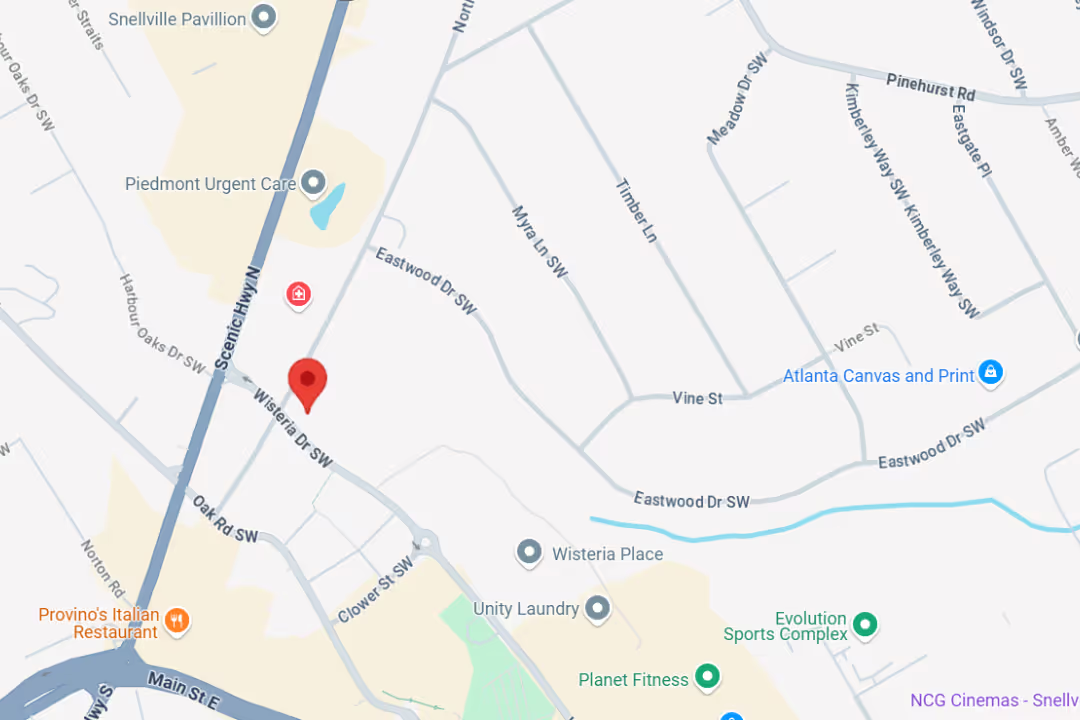
📍 Snellville Location:
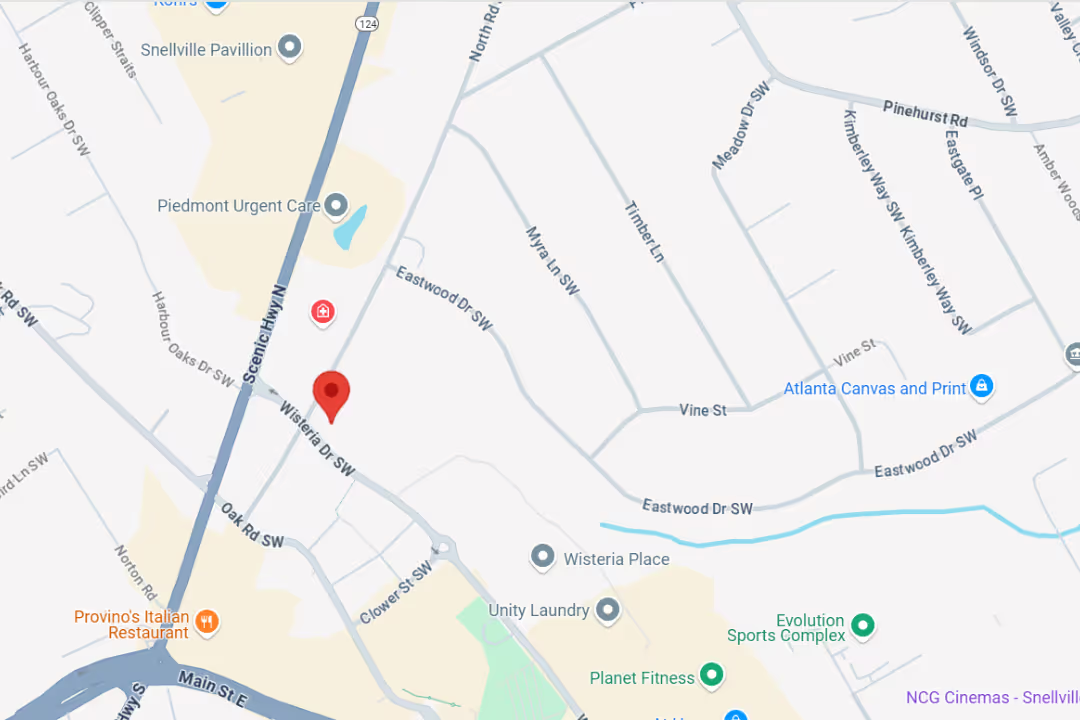
2220 Wisteria Drive, Unit 101, Snellville, GA 30078
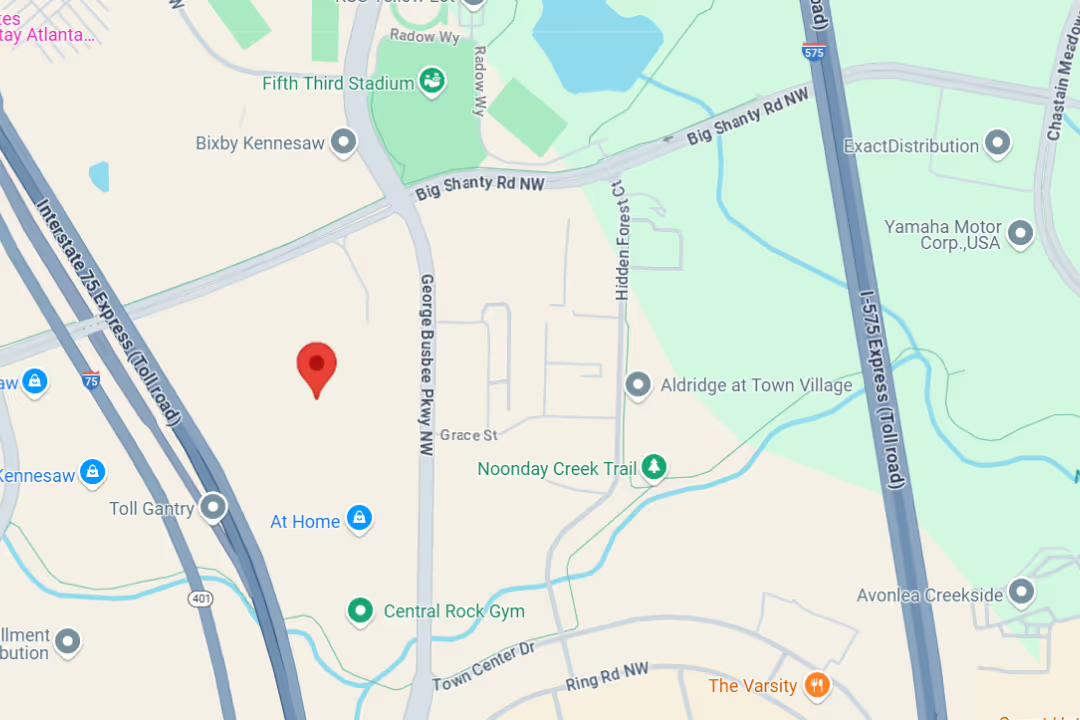
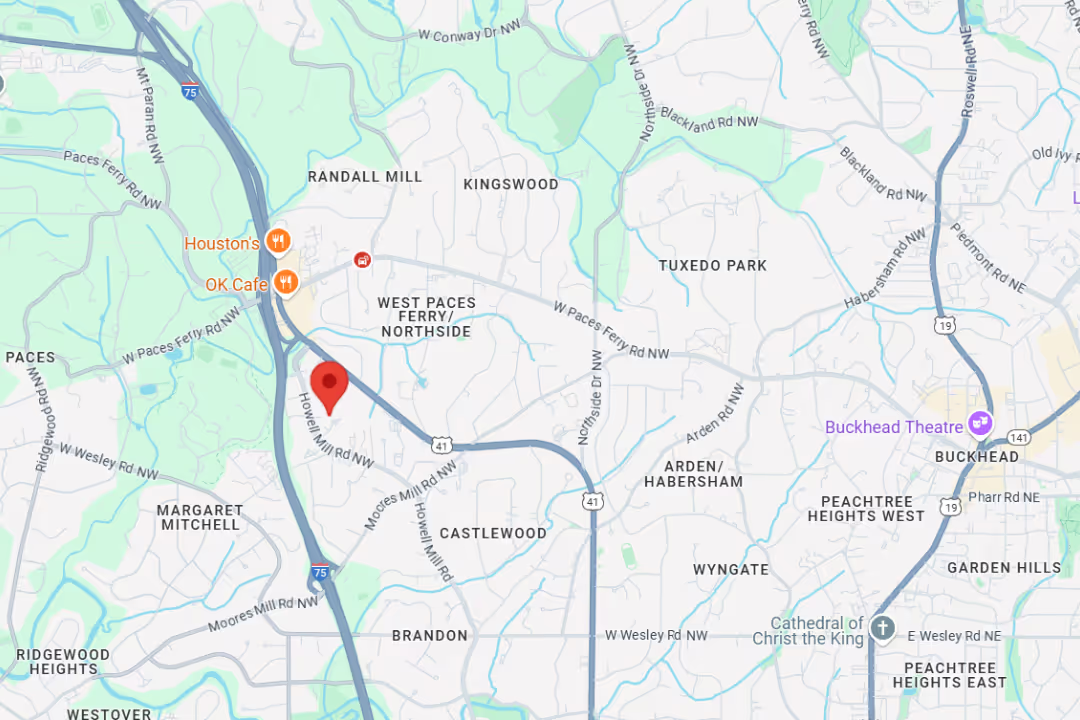
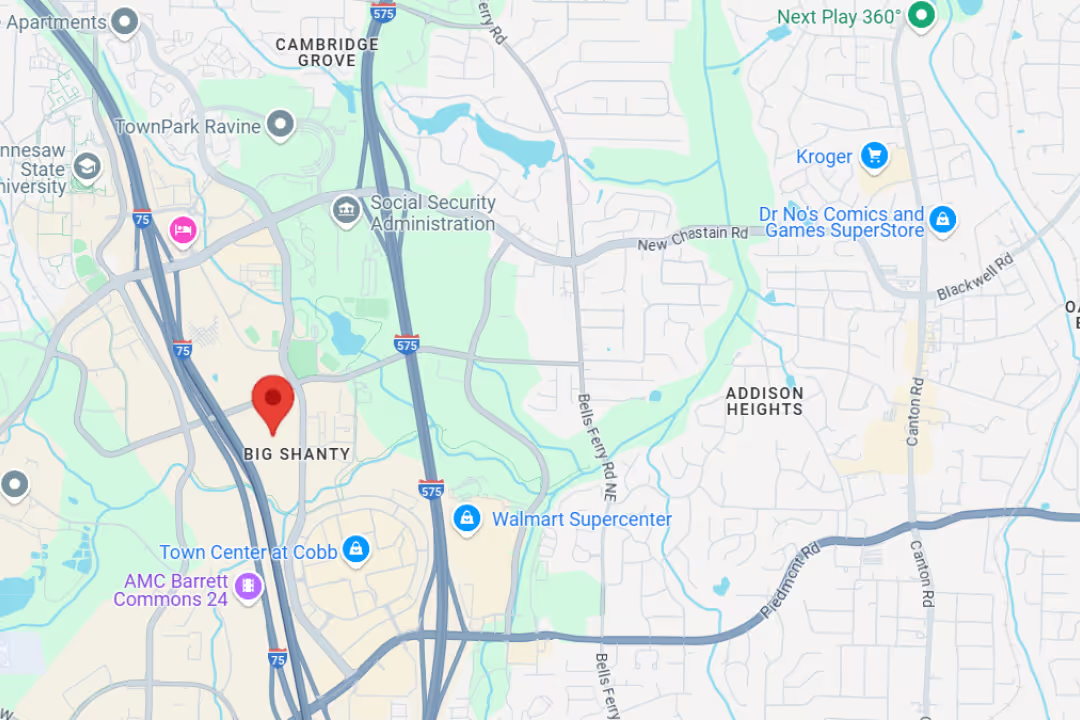
📍 Additional Locations:
📞 Call us at +1-844-328-4624
🌐 Visit MediciOrtho.com to schedule your appointment.
At Medici, you’re more than your MRI.
We take time to hear your story, understand your pain, and create a plan that actually works for you.

Our team delivers specialist care at convenient locations across Metro Atlanta:
Get expert tips on injury recovery, pain relief, joint health, and movement strategies—straight from our Fellowship-Trained team.