Buckhead has long been recognized as one of Atlanta’s most vibrant centers for innovation, culture, and advancement—and that spirit extends directly into the field of modern medical care. In a community where patients seek effective solutions that align with their active lifestyles, regenerative medicine has become a powerful option for restoring mobility, reducing pain, and improving overall quality of life.
At Medici Orthopaedics & Spine, our team is committed to delivering the most effective, least invasive, and least drug-dependent treatments available today. Led by Dr. Sonny Dosanjh, we focus on restoring the body’s natural ability to heal by combining cutting-edge science with genuine compassion and personalized care. Instead of masking pain with long-term medication or jumping straight to surgery, we emphasize restorative therapies designed to help patients recover function, rebuild strength, and return to the activities they love—with confidence.
Regenerative medicine plays a pivotal role in this mission. These therapies stimulate and support the body’s own repair mechanisms, offering patients in Buckhead a way to address chronic pain, tissue damage, and inflammation at their source. Whether someone is dealing with joint pain, a sports injury, or degenerative spine issues, regenerative treatments offer a path forward that aligns with Medici’s philosophy: optimized healing with minimal invasiveness and maximum results.
Regenerative medicine is an advanced field of orthopedic and spine care focused on restoring damaged tissues by activating and supporting the body’s natural healing processes. Unlike traditional treatments that may only mask symptoms, regenerative therapies work at a biological level—encouraging repair, reducing inflammation, and strengthening weakened structures over time.
In modern orthopedics and spine health, regenerative medicine plays an essential role in helping patients heal more effectively without relying on invasive surgery or long-term medication strategies. These therapies promote tissue regeneration by delivering targeted biological signals—often derived from the patient’s own body—to stimulate repair in joints, muscles, tendons, ligaments, and spinal structures.
This approach stands in contrast to conventional pain management, which often focuses on symptom control through medications, temporary injections, or surgical intervention. While those methods have their place, regenerative medicine offers a restorative pathway that supports long-term healing, making it a powerful option for patients who want to reduce pain, increase mobility, and return to daily activities with greater confidence.
Including both osteoarthritis and rheumatoid arthritis, where regenerative therapies can help reduce inflammation, support cartilage health, and improve joint function.
Ideal for patients with disc degeneration, facet irritation, soft tissue strain, and other spine-related problems that benefit from natural tissue repair.
Such as sprains, strains, tendon micro-tears, and overuse injuries—common among athletes who want to recover quickly without surgery.
Including chronic tendonitis, partial tears, and ligament instability that may limit strength and mobility.
Regenerative therapies can support healthier nerve environments and reduce the inflammatory processes that contribute to persistent pain.
Patients recovering from orthopedic or spine procedures may benefit from regenerative support to accelerate healing and improve outcomes.
Regenerative medicine may help improve disc hydration, reduce inflammation, and support the tissues surrounding the spine—providing relief and improved stability.
How PRP Is Prepared from the Patient’s Blood
PRP therapy begins with a simple blood draw. The sample is placed into a specialized centrifuge that separates the platelet-rich plasma from other blood components. This concentrated plasma—filled with healing growth factors—is then injected directly into the injured or painful area. Because it comes from your own body, PRP is highly biocompatible and carries minimal risk.
Mechanisms of Action: Growth Factors, Inflammation Reduction, Tissue Repair
Platelets play a crucial role in the body’s natural healing response. When PRP is injected into damaged tissue, the growth factors signal the body to increase cellular repair activity. This process can:
The result is a targeted biological boost that supports long-term healing—not just temporary symptom relief.
Typical Recovery Expectations
Patients typically resume light activity immediately after treatment, with improvements often noticeable within several weeks. Because PRP stimulates a natural repair cycle, results continue to build over time. Many patients experience reduced pain, improved mobility, and greater function over a period of weeks to a few months. Most importantly, PRP helps support durable healing rather than masking symptoms.
Autologous Cell Therapies
Stem cell–based treatments used in orthopedics generally involve harvesting a patient’s own cells (autologous) from bone marrow or other approved tissues. These cells have unique restorative properties that allow them to support the repair of damaged cartilage, tendons, ligaments, and other musculoskeletal structures. Once collected, the cells are concentrated and precisely injected into the injured area to stimulate healing.
How Cells Support Healing in Injured or Degenerative Tissues
Autologous cells have the ability to signal the body to regenerate, reorganize, and strengthen damaged tissue. They do this by:
This makes stem cell–based therapies particularly beneficial for patients with arthritis, spine degeneration, tendon injuries, or chronic pain that has not responded to standard conservative treatments.
Safety and Regulatory Considerations
Medici Orthopaedics & Spine adheres strictly to FDA guidelines regarding the use of autologous regenerative therapies. This means we use only your own minimally manipulated cells and apply them within the scope of safe, evidence-informed orthopedic care. Patient safety, scientific integrity, and clinical effectiveness are at the core of every treatment decision we make.
Irritant-Based Healing Stimulation
Prolotherapy is a regenerative injection technique that uses a natural irritant—often a dextrose (sugar) solution—to gently stimulate the body’s healing response. When injected into weakened or damaged ligaments, tendons, or supportive soft tissues, this solution triggers controlled inflammation. While mild, this response is purposeful: it signals the body to begin repairing and strengthening the treated area.
Rather than temporarily numbing pain or reducing inflammation like conventional injections, prolotherapy focuses on restoring structure and stability to the tissues that support proper movement and mechanics.
Benefits for Ligament Instability, Chronic Tendon Pain, and Spine-Related Weakness
Prolotherapy is especially beneficial for individuals experiencing pain caused by laxity, micro-tears, or chronic strain in key stabilizing tissues. Patients often see improvement in:
By strengthening the connective tissues, prolotherapy can improve joint and spine stability, decrease compensatory muscle tension, and ultimately reduce pain. Over time, this restorative approach allows patients to move with more confidence, strength, and control.
How Targeted, Image-Guided Injections Support Disc, Facet, and Soft Tissue Healing
Regenerative spine injections deliver healing biologic substances—such as PRP or autologous cell concentrates—directly into or around the damaged structures of the spine. Using advanced image guidance (fluoroscopy or ultrasound), these injections are placed with exceptional accuracy, ensuring that the regenerative material reaches the precise area where healing is needed.
This approach can support recovery within:
By targeting the root of inflammation and tissue breakdown, regenerative spine injections help reduce pain, increase strength, and promote healthier structural function in the spine.
Minimally Invasive Approach in Contrast to Open Surgeries
Unlike traditional spine surgery—which involves significant tissue disruption, increased recovery time, and potential long-term limitations—regenerative spine injections offer a nonsurgical, minimally invasive alternative. There are no incisions, no hardware, and no prolonged downtime. Patients typically resume normal activities quickly, making these treatments an excellent option for those seeking relief without undergoing major surgical procedures.
Healing doesn’t always require heavy medication, aggressive interventions, or major surgery. For many patients, regenerative medicine offers a powerful, natural pathway toward relief—one that strengthens the body, restores mobility, and supports long-term function. At Medici Orthopaedics & Spine, we believe every patient deserves the chance to move through life with confidence, comfort, and renewed freedom.
Our mission is simple: to restore your quality of life using the most effective, least invasive, and least drug-dependent treatments available today. Through advanced regenerative therapies, thoughtful diagnostics, and compassionate guidance, our Buckhead team is committed to helping you reclaim the active, fulfilling lifestyle you love.
If you’re ready to explore minimally invasive solutions that help you move, heal, and live better, our team is here with genuine care and advanced expertise. We’ll guide you through every step with clarity, confidence, and a commitment to your long-term well-being.
Schedule your consultation today:
🌐 Website: https://www.mediciortho.com/
📞 Main Contact: +1-844-328-4624
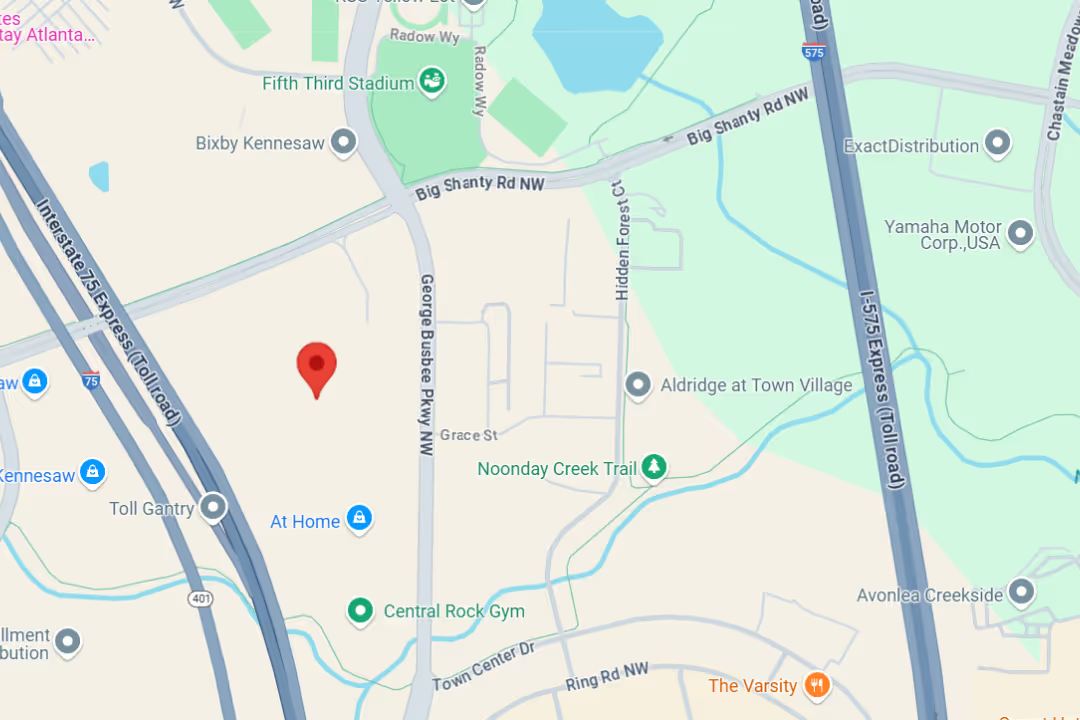
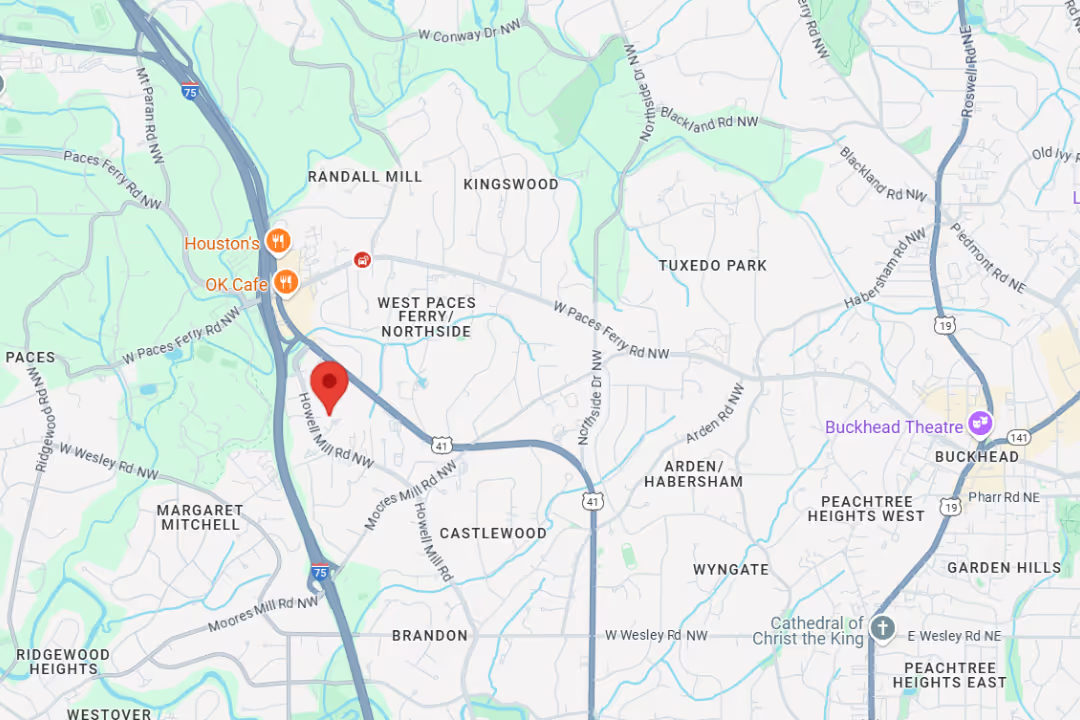
Buckhead PM&R
3200 Downwood Circle NW, Suite 520
Atlanta, GA 30327
(770) 872-7549
Explore our library of patient support guides covering the conditions we treat, the treatments we offer, and the questions we hear most. Each one is written to help you understand your options and feel confident about your next step. Browse the topics below to learn more, or reach out to our team anytime.

At Medici, you’re more than your MRI.
We take time to hear your story, understand your pain, and create a plan that actually works for you.
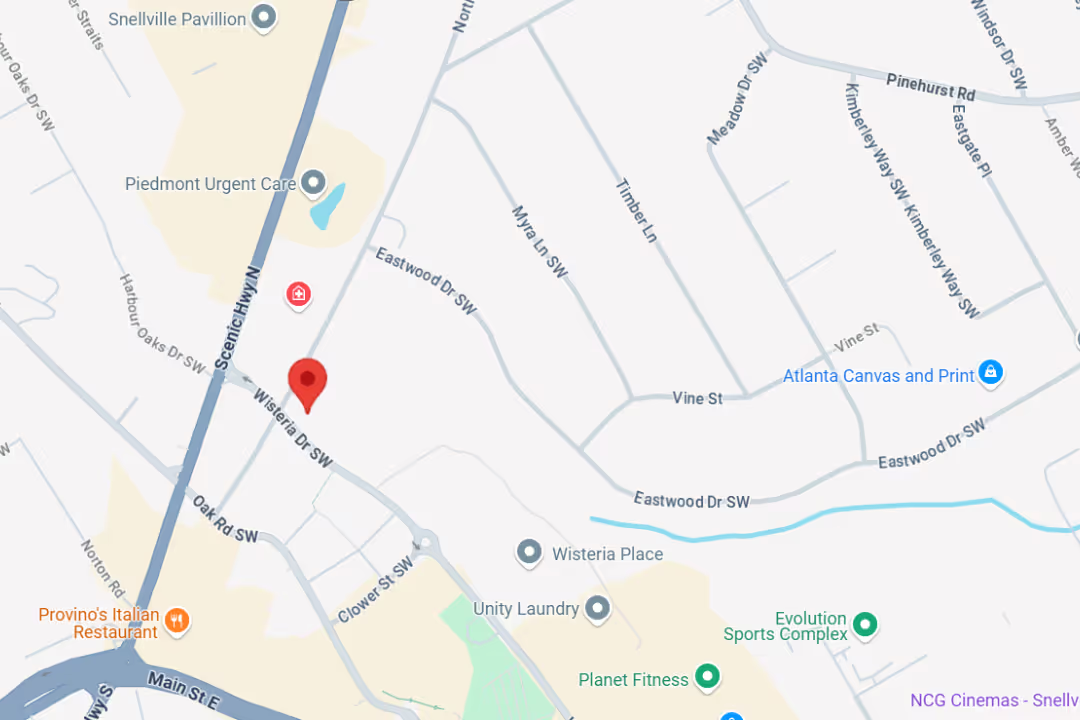
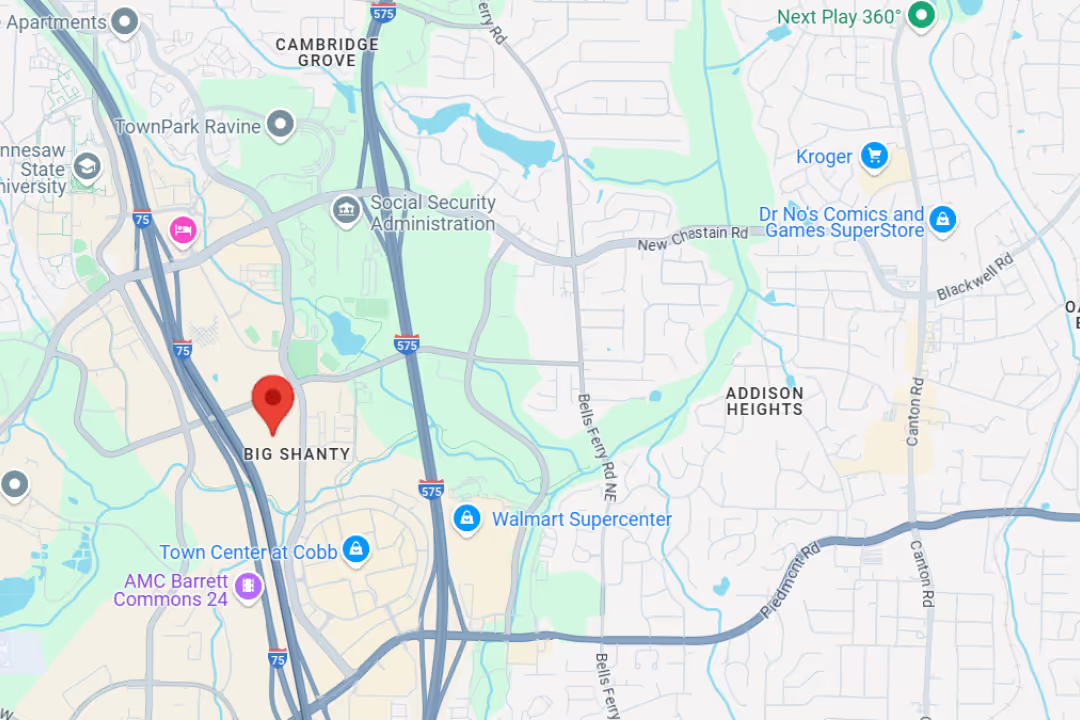
Our team delivers specialist care at convenient locations across Metro Atlanta:
Get expert tips on injury recovery, pain relief, joint health, and movement strategies—straight from our Fellowship-Trained team.