Knee Pain When Walking Downstairs
Knee pain that shows up most when you’re walking downstairs is incredibly common. Many people can walk on flat ground just fine, but the moment they head down a flight of stairs, that sharp twinge or deep ache in the knee shows up. Over time, it can change how you move through your home, your workplace, or even the stadium steps on game day.
If this is happening to you, you’re not “just getting old,” and you’re not imagining it. Stair pain can be a sign of irritation in the cartilage behind the kneecap, strain in the tendons, underlying arthritis, a past injury, or even subtle alignment issues in the hips, ankles, or feet. When those structures aren’t working together smoothly, the extra load that comes with stepping down can quickly turn into pain.
At Medici Orthopaedics & Spine, our team focuses on relieving this kind of knee pain using the most effective, least invasive, and least drug-dependent treatment options available. We take the time to understand what’s driving your symptoms, then build a plan that fits your body, your lifestyle, and your goals. The encouraging news: with the right diagnosis and a targeted treatment plan, many people see real improvements in pain, stability, and confidence on stairs.
Non-Surgical, Conservative Treatments for Knee Pain When Walking Downstairs
Whenever possible, we start with conservative, non-surgical care. Many patients find that a combination of activity changes, therapy, and targeted treatments can dramatically reduce their pain and restore function without surgery.
Activity Modification and Short-Term Rest
The goal isn’t to stop moving—it’s to move smarter while the knee calms down:
- Temporarily reducing aggravating activities
We may recommend cutting back on repeated stair use, deep squats, lunges, or high-impact exercise that flares your pain. If your home or job requires stairs, we’ll talk about pacing, using elevators when appropriate, and adjusting how often you go up and down. - Protecting the knee in daily life
This might mean reorganizing your home to minimize trips upstairs, adjusting how you carry loads, or changing how you kneel or squat. Small changes can give irritated structures the break they need to start healing.
Medications and Topical Therapies
Medications can help control pain and inflammation, but they’re only one part of our toolbox:
- Short-term anti-inflammatory use
When appropriate, we may suggest brief use of over-the-counter or prescription anti-inflammatory medications to reduce swelling and discomfort. Your medical history and other medications are always considered first. - Topical creams and patches
These can provide more localized relief to the knee without the same systemic impact as pills. They are often a good option for patients who cannot tolerate oral medications. - Minimizing long-term pill dependence
At Medici, we are committed to minimizing long-term reliance on pain medications whenever possible. The goal is to treat the cause, not just mask the symptoms.
Bracing, Taping, and Support
Sometimes a bit of external support makes a big difference, especially on stairs:
- Patella-stabilizing braces or sleeves
These can help guide the kneecap, support the joint, and improve your comfort with daily activities and exercise. - Kinesiology or McConnell taping
Specific taping techniques can temporarily improve kneecap alignment or reduce pressure on irritated areas, often used alongside therapy. - Footwear and orthotics
If your foot mechanics are contributing to knee alignment problems, supportive shoes or custom orthotics may be recommended to help keep the entire leg in a healthier position.
Physical Therapy & Corrective Exercise at Medici
Physical therapy is one of the most powerful tools for reducing knee pain on stairs and preventing it from returning:
- Individualized PT plans
We don’t believe in one-size-fits-all rehab. Your physical therapist will design a program tailored to your diagnosis, strength, flexibility, and goals. - Quadriceps strengthening (especially VMO)
Targeted exercises help strengthen the muscles that stabilize the kneecap and control the knee as you step down. - Glute and hip stabilizer work
Strong hips keep the knee from collapsing inward on stairs. We often focus on the gluteus medius and other stabilizers to improve alignment. - Hamstring, calf, and IT band stretching
Lengthening tight tissues can reduce abnormal pull on the kneecap and lower stress on the joint. - Neuromuscular training for better mechanics
We work on balance, coordination, and movement patterns so your body learns to control each step more efficiently and safely. - Progressive return to activity
As pain improves, your plan evolves—from relief-focused exercises to strength and conditioning that let you return to the activities you enjoy.
Home Exercise & Self-Care Programs
What you do between visits matters just as much:
- Gentle at-home exercises
Your team may recommend simple exercises such as straight-leg raises, wall sits, step-downs, or hip abduction, tailored to your condition and tolerance. - Icing, elevation, and compression
Used correctly, these tools can help manage swelling and soreness after activities that stress the knee. - Tips for safer stair use
We’ll coach you on small but meaningful changes—like using the handrail, leading with the stronger leg, adjusting your foot placement, and taking your time.
Weight Management & Lifestyle Factors
Your overall health plays a major role in how your knees feel:
- Impact of body weight on knee load
Every extra pound of body weight can add several pounds of force across the knee joint, especially on stairs. Even modest weight loss can reduce stress on your knees. - Supportive strategies, not judgment
If weight is a factor, we approach it with empathy, offering realistic strategies that combine nutrition, activity, and metabolism in a sustainable way. - Sleep, stress, and joint health
Poor sleep and high stress can heighten pain sensitivity. We may discuss simple changes that can support better recovery and overall well-being.
Interventional and Regenerative Treatment Options at Medici
If conservative measures aren’t enough on their own, Medici Orthopaedics & Spine offers a range of advanced, minimally invasive options designed to target pain more directly while still avoiding major surgery whenever possible.
Precision-Guided Injections
When used thoughtfully, injections can provide powerful relief and diagnostic information:
- Corticosteroid injections
These can be helpful for short-term relief of inflammation in specific knee compartments or around the kneecap in select cases. - Viscosupplementation (hyaluronic acid)
For certain arthritic knees, gel-like injections may help improve joint lubrication and cushioning, which can ease pain on stairs and other activities. - Image-guided accuracy
Using fluoroscopy or ultrasound, we can place injections with precision, aiming for maximum benefit while minimizing risk.
Regenerative Medicine and Prolotherapy
For some patients, regenerative techniques may offer additional options:
- Supporting tissue healing and pain reduction
Regenerative medicine approaches are designed to stimulate the body’s own healing processes in damaged or irritated tissues. - Prolotherapy for lax or painful areas
Prolotherapy involves targeted injections that can help strengthen and stabilize certain ligaments or tendons, potentially improving support around the knee. - When we consider these options
These treatments are typically reserved for carefully selected cases, such as chronic stair-related knee pain that hasn’t responded fully to standard conservative care.
Myofascial Release, Sports Massage, and Soft Tissue Therapies
Sometimes the muscles and fascia around the knee and hip are as much a part of the problem as the joint itself:
- Addressing tight, overworked tissues
Myofascial release and sports massage techniques can help reduce muscle tension, improve mobility, and decrease the pull on sensitive structures around the knee. - Improving overall movement quality
Loosening tight tissues can make it easier to move with proper mechanics, allowing strengthening exercises and daily activities to feel more natural and less painful.
Take the Next Step Toward Pain-Free Stairs
Knee pain when walking downstairs is incredibly common—but it is also very treatable. You don’t have to keep bracing yourself at the top of every staircase or avoiding certain parts of your home or workplace. With the right diagnosis and a thoughtful, targeted treatment plan, many people regain comfort, confidence, and freedom of movement on stairs.
Ignoring knee pain can allow small issues to become bigger problems—more stiffness, more weakness, and more limits on what you can do. Early, comprehensive care often means simpler treatment, faster recovery, and better long-term joint health.
At Medici Orthopaedics & Spine, our entire team is committed to optimally restoring your quality of life using the most effective, least invasive, and least drug-dependent care available today. We listen carefully, look at the whole picture, and create a plan that fits your body, your lifestyle, and your goals—not just your X-rays.
Contact Medici Orthopaedics & Spine
Schedule a consultation and let’s find out what’s really behind your knee pain—and what we can do to help you move with more ease and confidence.
Ambulatory Surgery Centers
- Marietta Ambulatory Surgery Center
792 Church Street, Unit 101
Marietta, GA 30060
Phone: (470) 795-8398 - Snellville Ambulatory Surgery Center
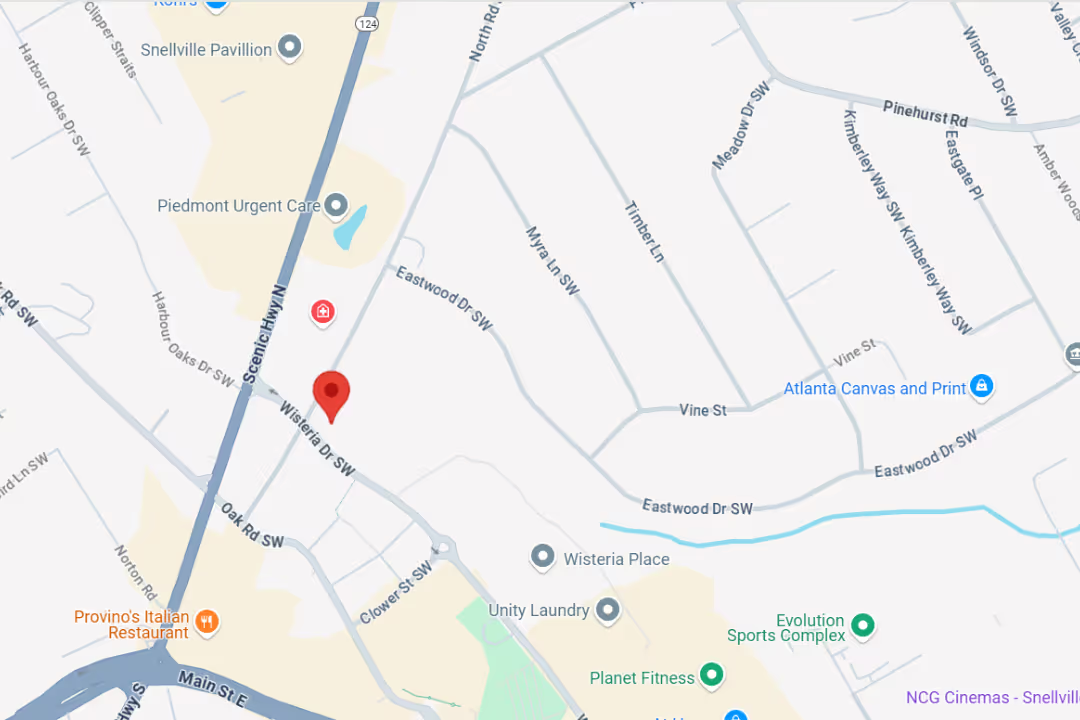
2220 Wisteria Dr, Unit 100
Snellville, GA 30078
Phone: (470) 795-8398
Clinics
- Kennesaw Clinic
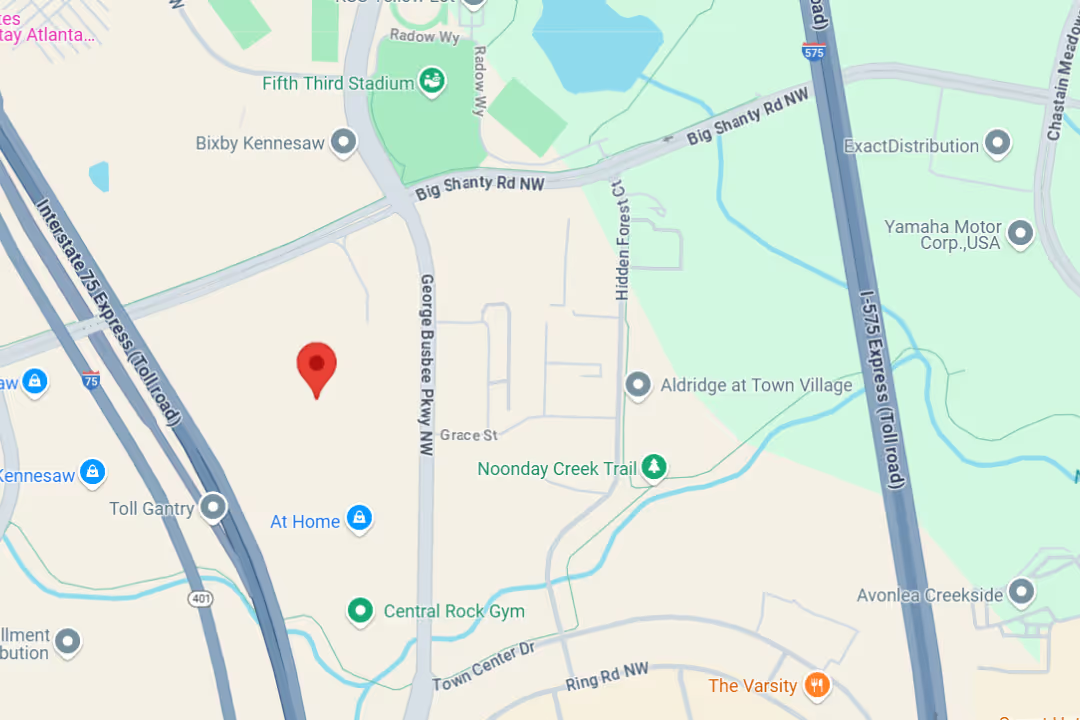
2911 George Busbee Parkway, Suite 50
Kennesaw, GA 30144
Phone: (770) 545-6404 - Snellville Clinic
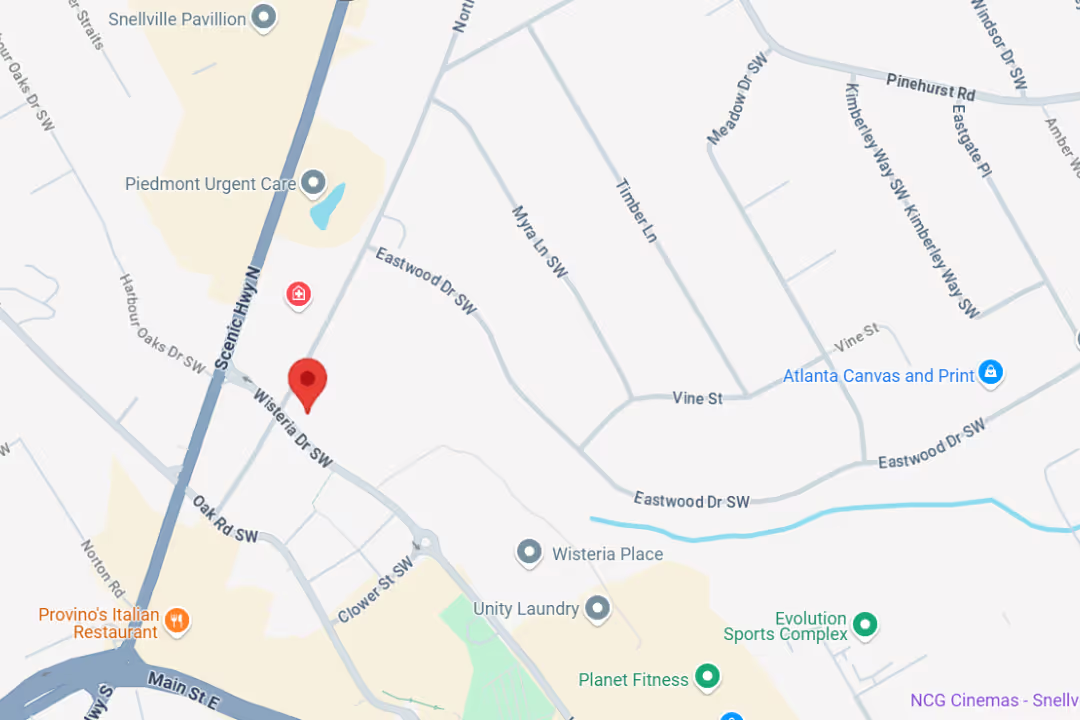
2220 Wisteria Drive, Unit 101
Snellville, GA 30078
Phone: (470) 645-9297 - Buckhead PM&R Clinic
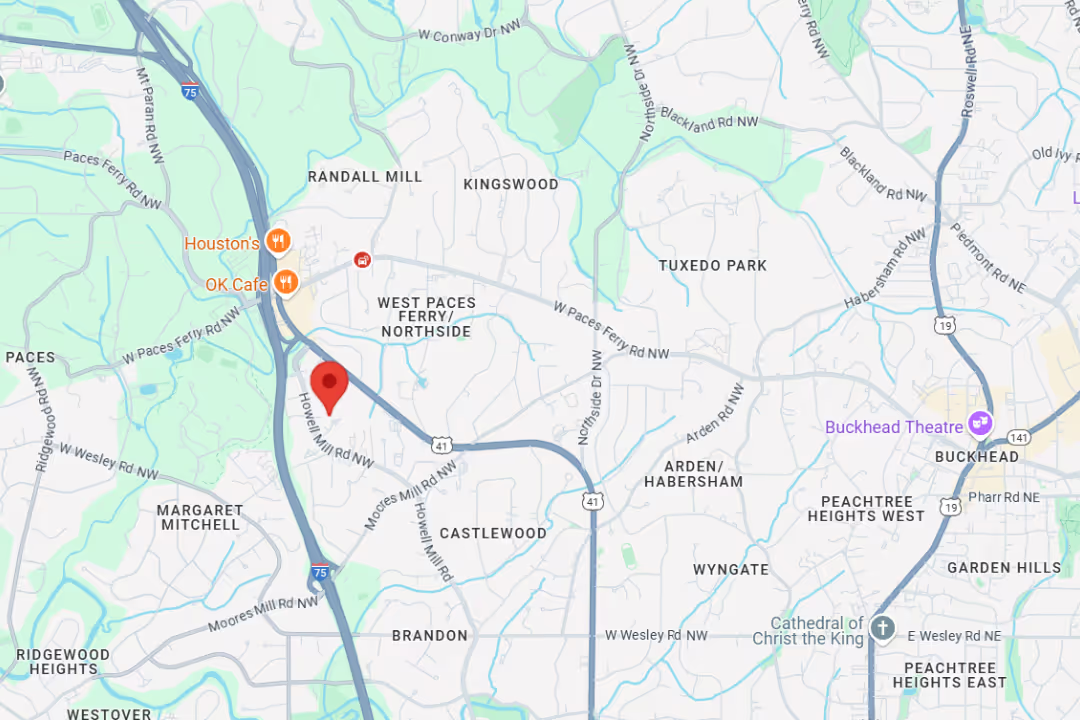
3200 Downwood Circle, NW, Suite 520
Atlanta, GA 30327
Phone: (770) 872-7549