Back and neck pain affect millions of people across Georgia every year, cutting across age groups, occupations, and activity levels. From long hours at physically demanding jobs to extended time spent driving, sitting, or working on computers, daily life places constant stress on the spine. Over time, this stress can lead to pain that interferes with even the simplest activities.
Spine conditions don’t just cause discomfort—they can significantly impact work performance, sleep quality, mobility, and overall quality of life. Many patients find themselves limiting movement, avoiding activities they once enjoyed, or relying on medications just to get through the day.
This is why choosing a qualified spine care specialist matters. While general care may address symptoms temporarily, spine-related conditions often require advanced knowledge of spinal anatomy, biomechanics, and pain pathways. A specialist is trained to identify the true source of pain and provide targeted, effective treatment.
At Medici Orthopaedics & Spine, our mission is to optimally restore quality of life using the least invasive, least drug-dependent care medically available. By combining advanced diagnostics with personalized treatment plans, Medici serves patients throughout Georgia with expert spine care designed to relieve pain, restore function, and avoid unnecessary surgery whenever possible.
A spine care specialist is equipped to manage a broad spectrum of spine-related conditions, many of which do not require surgery when treated appropriately. Common conditions include:
Each evaluation starts with a comprehensive review of medical history, symptoms, lifestyle factors, and prior treatments. A hands-on physical examination assesses posture, movement patterns, areas of tenderness, and pain triggers.
Specialized assessments evaluate how the spine moves and how nerves function. This helps identify nerve compression, weakness, sensory changes, or instability that may be contributing to pain.
When available, advanced imaging such as MRI, CT scans, and X-rays is carefully reviewed. Imaging findings are correlated with physical exam results and symptoms to ensure treatment decisions are based on the full clinical picture—not imaging alone.
In certain cases, diagnostic injections are used to confirm whether a specific nerve, joint, or spinal structure is responsible for pain. This precision reduces guesswork and allows treatments to be more targeted and effective.
Once the source of pain is identified, a personalized treatment plan is developed. Plans are tailored to each patient’s diagnosis, goals, activity level, and overall health—ensuring care is strategic, minimally invasive, and patient-centered.
Interventional spine treatments are designed to deliver relief directly to the source of pain. These minimally invasive procedures are performed with precision and are often effective in reducing inflammation, calming irritated nerves, and improving function.
Common interventional spine treatments include:
All interventional procedures at Medici are performed using image-guided technology, such as fluoroscopy or ultrasound. This ensures accurate placement, enhances safety, and improves treatment effectiveness.
Medication can play a supportive role in spine care when used strategically and responsibly. At Medici Orthopaedics & Spine, medication management is conservative and always part of a broader treatment plan.
A key focus is minimizing opioid use. When medications are prescribed, they are used at the lowest effective dose and for the shortest necessary duration, under close medical supervision. The goal is symptom relief without long-term dependency or unnecessary side effects.
Physical therapy is a cornerstone of long-term spine health and recovery. Treating pain alone is not enough—restoring strength, movement, and stability is essential to lasting improvement.
Spine-focused rehabilitation may include:
Prolotherapy and other biologic therapies are regenerative approaches designed to support the body’s natural repair processes. These treatments may help strengthen ligaments, tendons, and joint structures that contribute to spinal stability.
Rather than masking pain, biologic therapies aim to address underlying tissue weakness or degeneration that may be perpetuating chronic back or neck pain. For select patients, these treatments can be a valuable part of a comprehensive, non-surgical spine care plan.
Spinal cord stimulation is an advanced treatment option for patients with chronic spine pain that has not responded to other non-surgical therapies. This technology works by modifying pain signals before they reach the brain, helping reduce the perception of pain without relying on medication.
Candidates for spinal cord stimulation undergo thorough screening to ensure appropriateness and potential benefit. When used for the right patients, this therapy can significantly improve comfort, function, and quality of life.
Hyperbaric oxygen therapy involves breathing concentrated oxygen in a controlled environment, increasing oxygen delivery to tissues throughout the body. For spine patients, this enhanced oxygenation may help:
Muscle tension and fascial restrictions often develop alongside spine conditions as the body compensates for pain or instability. Myofascial release and therapeutic massage help address these secondary pain contributors by:
Surgery may be recommended when patients experience:
When surgery is necessary, Medici prioritizes minimally invasive spine surgery (MISS) whenever possible. These techniques are designed to treat the underlying problem while minimizing disruption to surrounding muscles and tissue.
Minimally invasive spine surgery techniques may include:
Living with back or neck pain can feel overwhelming—but the right care can make a real difference. Effective spine care is available, and for many patients, relief does not require major surgery or long-term dependence on medication. With accurate diagnosis and a thoughtful treatment plan, spine pain can be managed safely and successfully.
At Medici Orthopaedics & Spine, care is always individualized and minimally invasive. Our spine care specialists focus on identifying the true source of pain and treating it with the most effective, least disruptive options available. From advanced non-surgical therapies to minimally invasive procedures when necessary, every recommendation is guided by what is best for the patient—not a one-size-fits-all approach.
If you are experiencing persistent spine pain, radiating symptoms, or limited mobility, seeking expert evaluation early can help prevent progression and improve outcomes. Early, specialized spine care often leads to faster relief, better function, and greater peace of mind.
Main Appointment Line: 1-844-328-4624
Website: https://www.mediciortho.com/
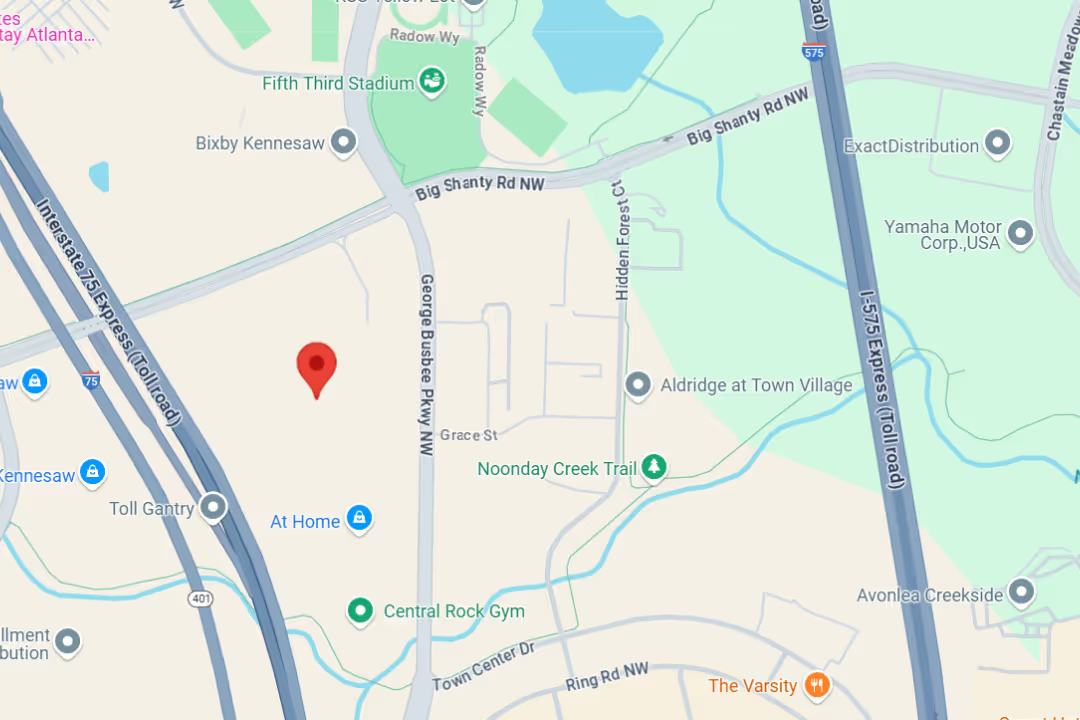
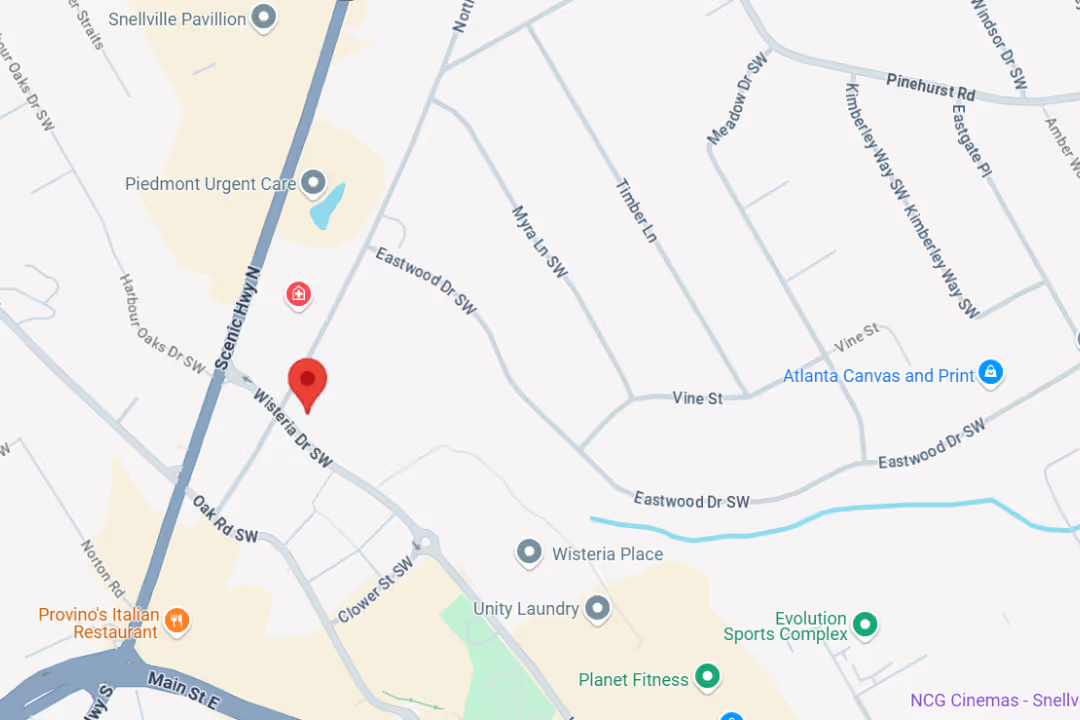
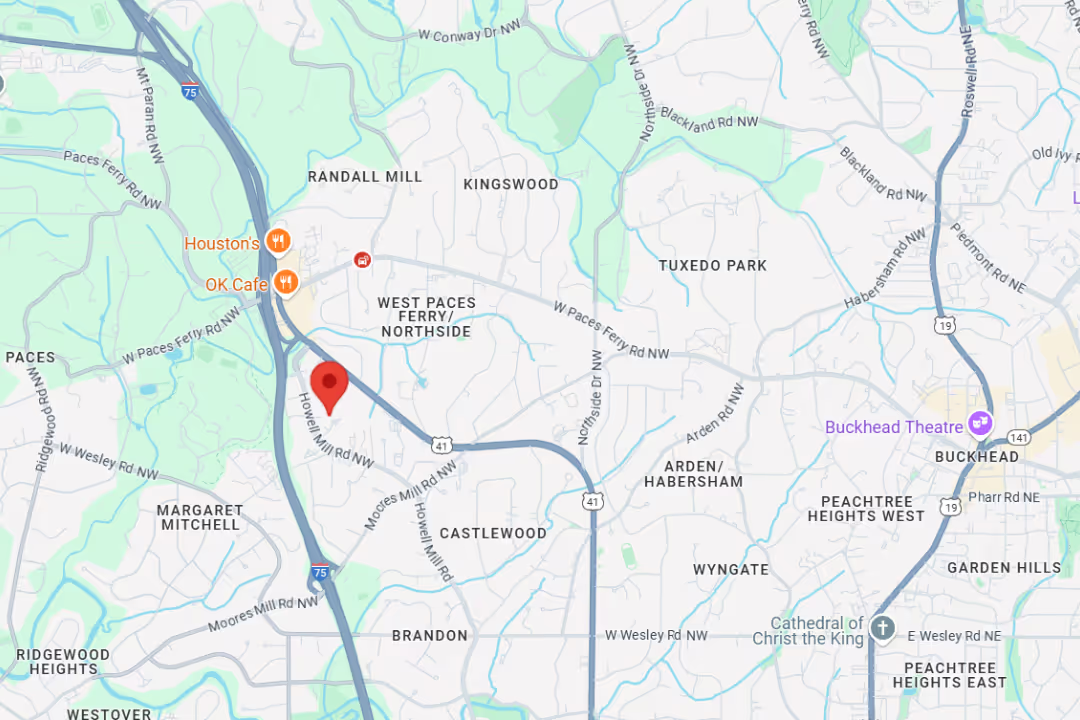
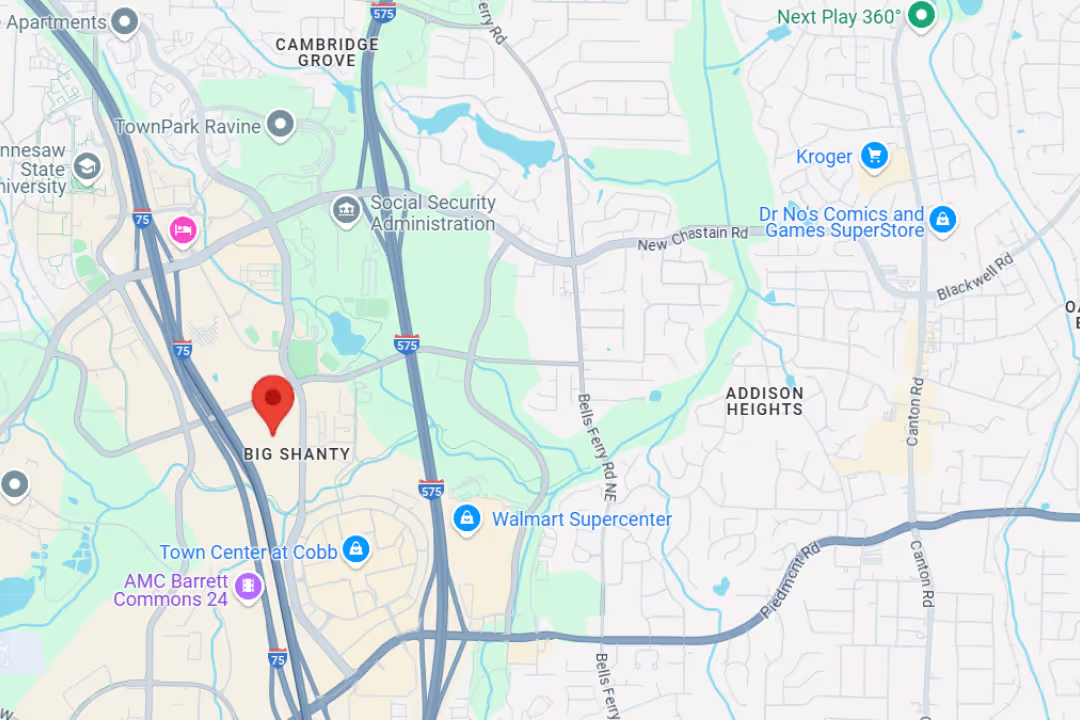
Clinic Locations Serving Metro Atlanta:
Ambulatory Surgery Centers:
Explore our library of patient support guides covering the conditions we treat, the treatments we offer, and the questions we hear most. Each one is written to help you understand your options and feel confident about your next step. Browse the topics below to learn more, or reach out to our team anytime.

At Medici, you’re more than your MRI.
We take time to hear your story, understand your pain, and create a plan that actually works for you.

Our team delivers specialist care at convenient locations across Metro Atlanta:
Get expert tips on injury recovery, pain relief, joint health, and movement strategies—straight from our Fellowship-Trained team.