Chronic spine pain is one of the most common reasons adults in Georgia seek medical care. Whether it’s lingering low back pain after an injury, recurring neck tension from long workdays, or radiating discomfort that disrupts sleep, chronic spine issues affect thousands of people across the state. And while many individuals try to “push through it,” ongoing spine pain should never be ignored.
Left untreated, chronic pain can lead to mobility loss, sleep disruption, and reduced productivity—making even simple daily activities feel overwhelming. We hear from patients all the time who feel frustrated, exhausted, or discouraged because their pain keeps returning despite their best efforts. The good news is: you are not alone, and real relief is possible.
Today’s spine care is more advanced than ever, with modern, minimally invasive treatments that can address pain at its source—often without the need for major surgery. At Medici Orthopaedics & Spine, our goal is to help patients understand exactly when it’s time to see a specialist, so they can stop guessing and start healing with a clear, personalized plan.
Numbness or tingling in the arms, hands, legs, or feet often points to nerve compression. When these sensations don’t fade, it may mean the nerve is being irritated or pinched continuously—something that can worsen without timely treatment.
Difficulty lifting objects, gripping, climbing stairs, or rising from a chair can be a sign of nerve dysfunction or spinal cord involvement. Waiting too long may lead to permanent weakness or muscle atrophy.
If you’re stumbling, feeling unsteady, or noticing changes in coordination, this can indicate pressure on the spinal cord or major nerves. These issues need urgent evaluation.
Trouble holding urine, new urinary retention, or bowel dysfunction can indicate cauda equina syndrome, a medical emergency. This requires immediate evaluation to prevent lasting damage.
Sudden trauma can lead to fractures, disc herniations, or ligament injuries. Ignoring these symptoms increases the risk of instability, worsening pain, or nerve compression.
If pain limits your mobility, productivity, or ability to enjoy hobbies and family time, it’s time for a specialist to evaluate the root cause.
Sleep disruption isn’t normal. Nighttime spine pain often signals inflammation or nerve irritation that needs targeted treatment.
Chronic pain can take a toll on your mental health, contributing to anxiety, frustration, or feeling discouraged. A specialist can help break that cycle.
Needing pain medication regularly—especially if you're increasing your dosage—is a sign that the real issue isn’t being addressed.
If you’ve tried rest, stretching, heat/ice, or over-the-counter medication but symptoms return or never fully improve, it’s time for a deeper evaluation. Persistent pain usually means there is an underlying structural or nerve-related issue that needs specialized attention.
A thorough evaluation provides the foundation for accurate diagnosis.
We review where your pain started, how it behaves, what makes it worse, and what you’ve tried so far.
Work tasks, posture, sleep positions, and daily habits often contribute to spine pain. Understanding these factors is essential for long-lasting relief.
We assess flexibility, strength, gait, and mobility to identify patterns that may signal disc issues, nerve compression, or muscular dysfunction.
Imaging helps confirm the diagnosis when structural issues are suspected.
Specialists use imaging strategically, not automatically—avoiding unnecessary tests while ensuring clarity when needed.
Diagnostic injections are powerful tools for identifying the exact pain generator.
A small amount of numbing medication is injected near a suspected pain source—such as a facet joint or nerve root. If the pain improves, the source is confirmed. If not, we look elsewhere.
This precise approach allows us to build targeted, highly effective treatment plans tailored to your specific needs.
Physical therapy is often the first line of treatment for chronic spine pain, and for good reason.
Injections offer both diagnostic insight and therapeutic relief.
RFA is a minimally invasive procedure that targets pain at its source.
Spinal Cord Stimulation (SCS) is a highly advanced treatment designed for chronic nerve pain.
These treatments harness the body’s natural healing abilities.
HBOT is an emerging therapy with impressive benefits for spine health.
Medication can be helpful—when used wisely.
Surgery is never the first step at Medici—but sometimes, it becomes the right next step.
Chronic spine pain can feel overwhelming—especially when it starts affecting your work, sleep, energy, or the activities you love. But one truth we emphasize to our Georgia patients is this: chronic pain is treatable. With today’s advanced diagnostic tools and least-invasive therapies, you no longer have to rely on guesswork, heavy medications, or outdated approaches.
Modern spine care focuses on restoring function, improving comfort, and enhancing quality of life without unnecessary procedures or long recovery periods. At Medici Orthopaedics & Spine, we specialize in identifying the true source of your pain and guiding you toward treatments that fit your goals, your lifestyle, and your long-term health.
You deserve relief. You deserve answers. And you deserve care from a team that sees the full picture—not just the symptoms.
At Medici, you’re more than your MRI.
We take time to hear your story, understand your pain, and create a plan that actually works for you.

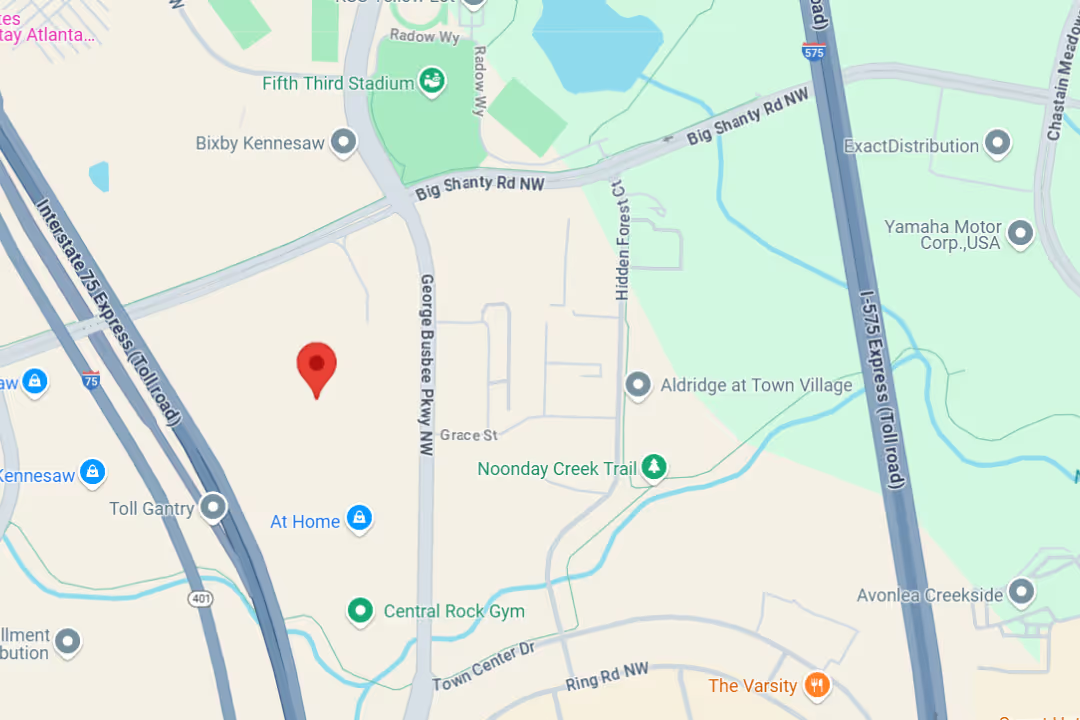
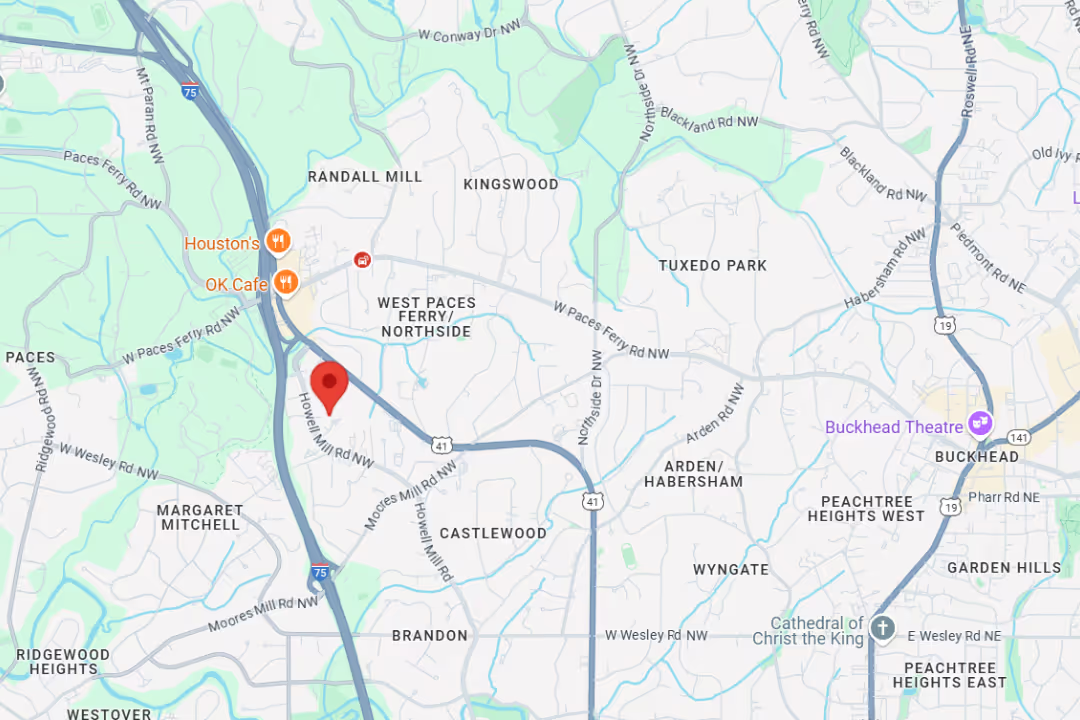
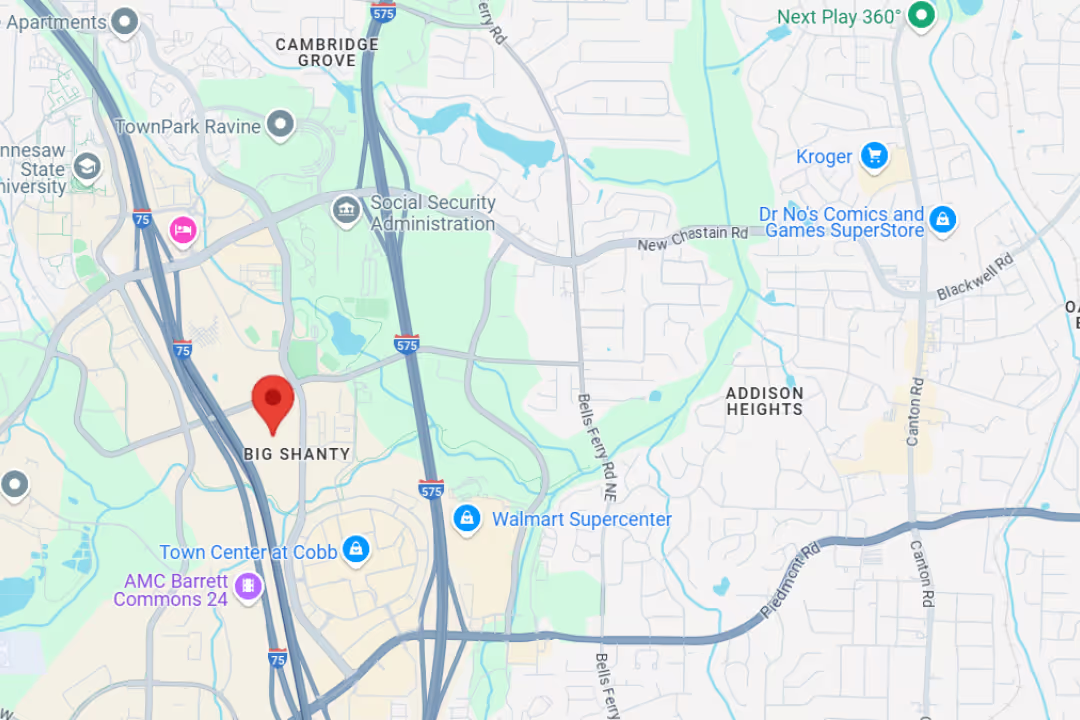
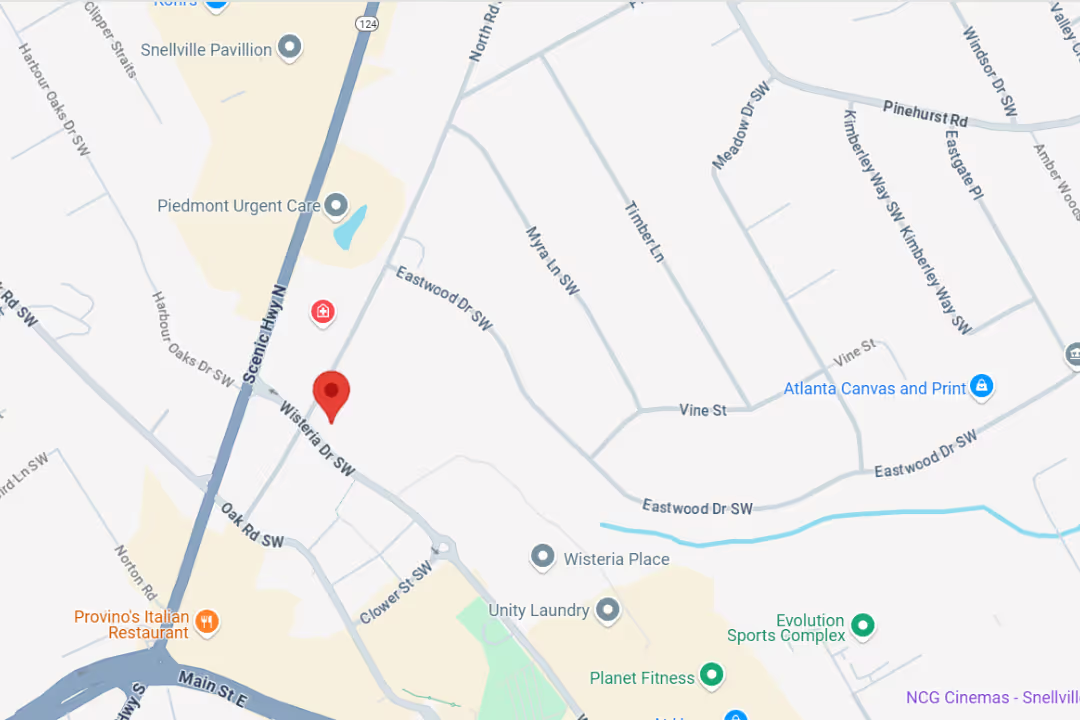
Our team delivers specialist care at convenient locations across Metro Atlanta:
Get expert tips on injury recovery, pain relief, joint health, and movement strategies—straight from our Fellowship-Trained team.