Living with arthritis pain can feel like a slow tug-of-war with your own body. Stiff knees that protest every step, aching hips that make it hard to stand from a chair, sore hands that struggle to open jars, or spinal stiffness that keeps you from finding a comfortable sleeping position—these aren’t just “aches and pains.” They affect how you move, work, and enjoy the people and activities you love.
Many patients come to us frustrated. They’ve relied on pills that upset their stomach, injections that help for a little while and then wear off, or they’ve been told to “wait until it’s bad enough for surgery.” It’s understandable to want another path.
Regenerative medicine offers a different approach. Instead of only masking symptoms, regenerative therapies aim to use your body’s own healing responses to support joint health, reduce pain, and improve function. The focus is on repairing, restoring, and stabilizing tissue as much as possible—helping joints work better, not just hurt less.
At Medici Orthopaedics & Spine, a patient-centered orthopedic and spine practice serving Atlanta and North Georgia, regenerative medicine is one piece of a comprehensive, minimally invasive, least drug-dependent approach to arthritis care.
No two joints and no two patients are exactly the same. Every regenerative treatment plan at Medici is individually designed after a careful evaluation of:
Our goal is simple: help you move more comfortably and confidently, with the safest and most effective options we can offer.
Arthritis is a general term that refers to inflammation and degeneration inside a joint—especially the cartilage that cushions the bones, as well as surrounding ligaments, tendons, and joint lining (synovium). Over time, this wear, inflammation, and breakdown can lead to pain, stiffness, and loss of function.
Common forms of arthritis we see at Medici include:
Arthritis doesn’t just show up on an X-ray—it shows up in everyday life. Common symptoms include:
Over time, these symptoms can make routine tasks genuinely difficult:
Arthritis can limit work, caregiving, and recreational activities. It can also affect sleep and mood—because living in pain all the time is exhausting.
Standard arthritis treatments often start with:
These tools absolutely have their place—but they also have limitations:
This is where regenerative medicine can fit into the picture:
Instead of focusing only on symptom relief, regenerative therapies aim to support the health of the tissues inside and around the joint—potentially helping you maintain function and comfort longer, sometimes delaying the need for more invasive surgery.
Regenerative medicine focuses on helping the body repair, rebuild, and stabilize its own tissues as much as possible. For arthritis care, that means working with the joint’s natural healing capacity instead of relying only on external medications.
Key principles include:
While no treatment can completely reverse advanced arthritis, regenerative medicine may help many patients feel better and move better—earlier and longer in the course of their disease.
Platelet-Rich Plasma (PRP)
Cell-Based / Orthobiologic Treatments
Prolotherapy and Other Injection-Based Regenerative Techniques
Regenerative therapies are chosen with clear goals in mind, such as:
In many cases, regenerative medicine is just one part of a broader plan that includes physical therapy, strength training, weight management, and smart activity modification.
Arthritis doesn’t have to mean giving up the activities and comfort you love. Regenerative medicine offers promising, non-surgical solutions for many people living with joint pain in the knees, hips, shoulders, spine, hands, and more. By focusing on the body’s natural healing potential, these therapies can help reduce pain, improve mobility, and support long-term joint health.
At Medici Orthopaedics & Spine, regenerative treatments are never a stand-alone fix. They’re part of a comprehensive, minimally invasive, and least drug-dependent plan to help you move more comfortably and live more fully. Our experienced team combines advanced orthopedic and pain management expertise with a compassionate, patient-centered approach—because every joint and every patient’s story is unique.
If you’ve been told to “just wait until it’s bad enough for surgery,” you deserve a second opinion. Let’s explore what non-surgical, regenerative options may be right for you.
Whether your arthritis affects your ability to walk, work, play sports, or simply enjoy daily life, our team is here to help you take the next step toward relief and restoration.
Contact Information
Main Phone: +1-844-328-4624
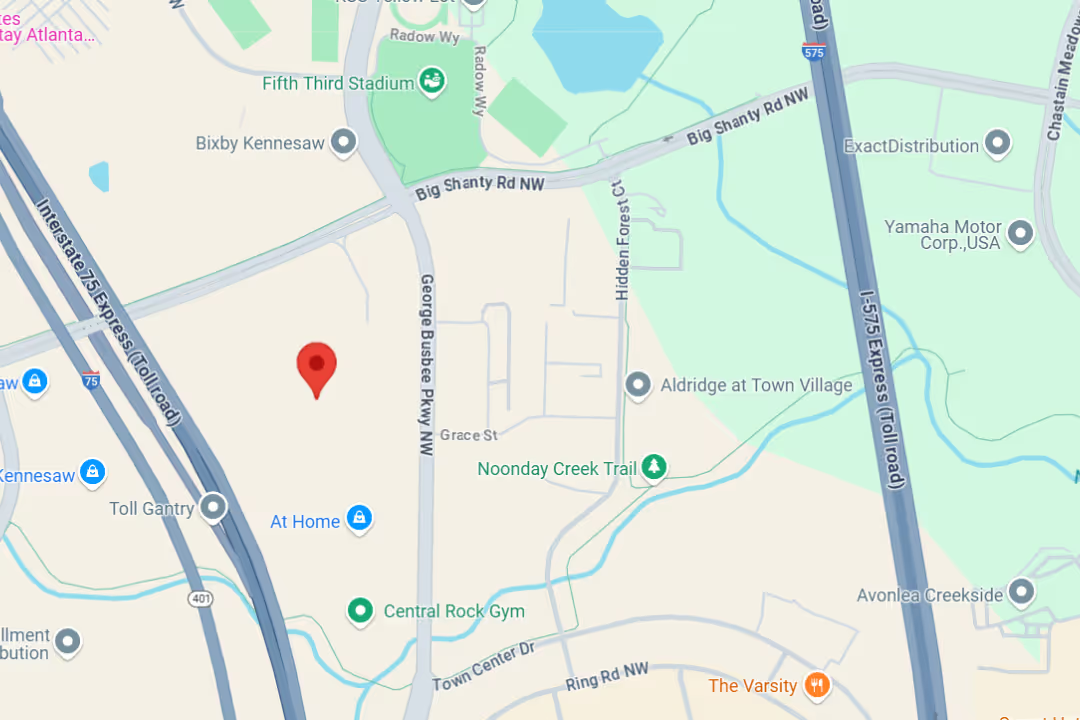
Kennesaw Clinic:
2911 George Busbee Parkway, Suite 50
Kennesaw, GA 30144
📞 (770) 545-6404
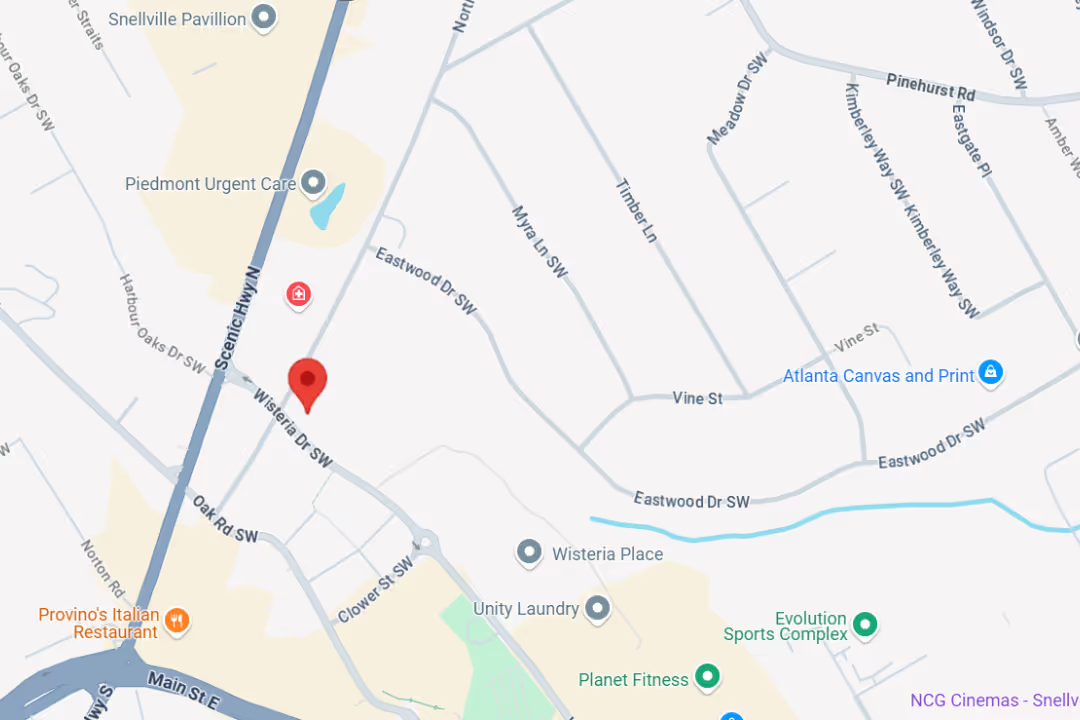
Snellville Clinic:
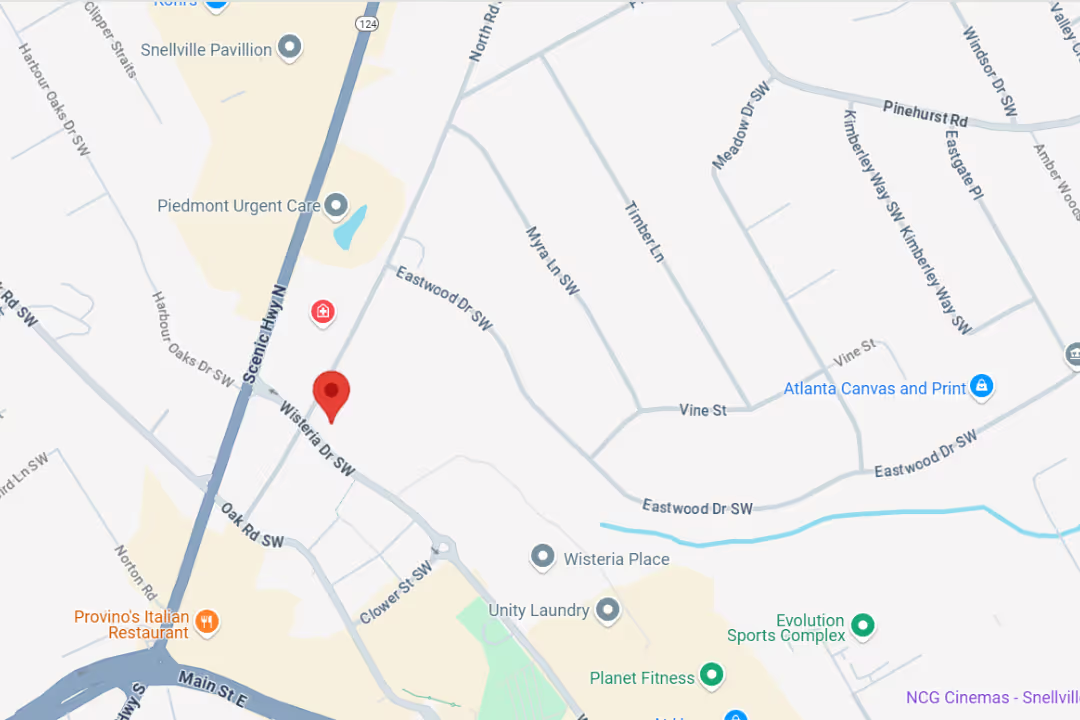
2220 Wisteria Drive, Unit 101
Snellville, GA 30078
📞 (470) 645-9297
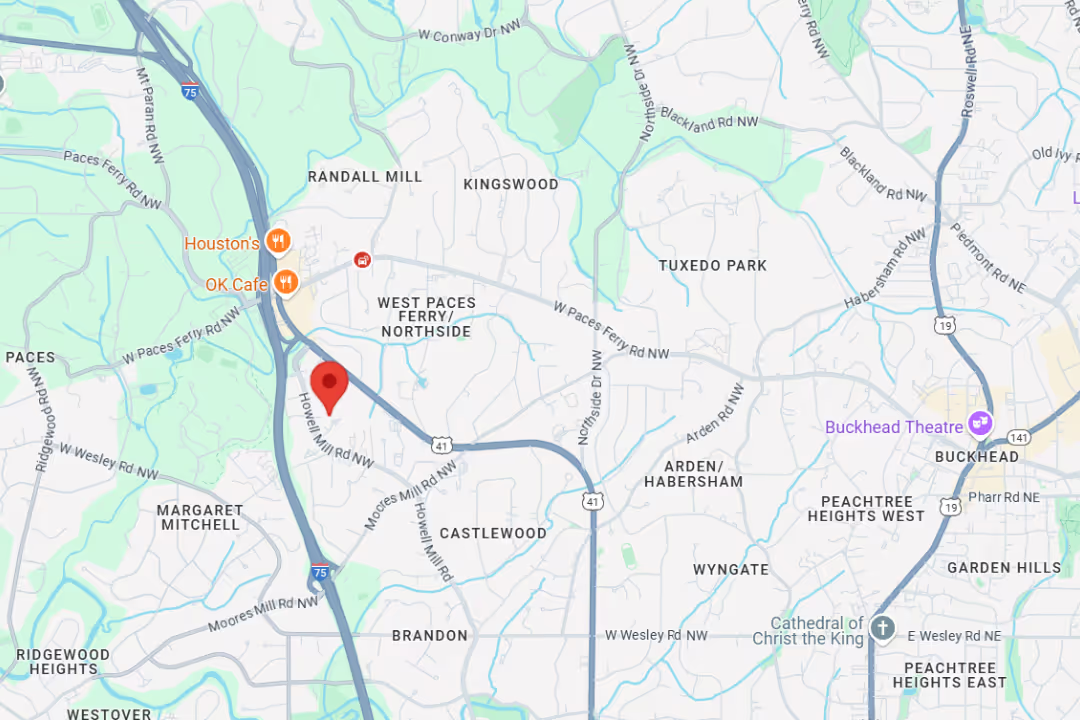
Buckhead PM&R:
3200 Downwood Circle, NW, Suite 520
Atlanta, GA 30327
📞 (770) 872-7549
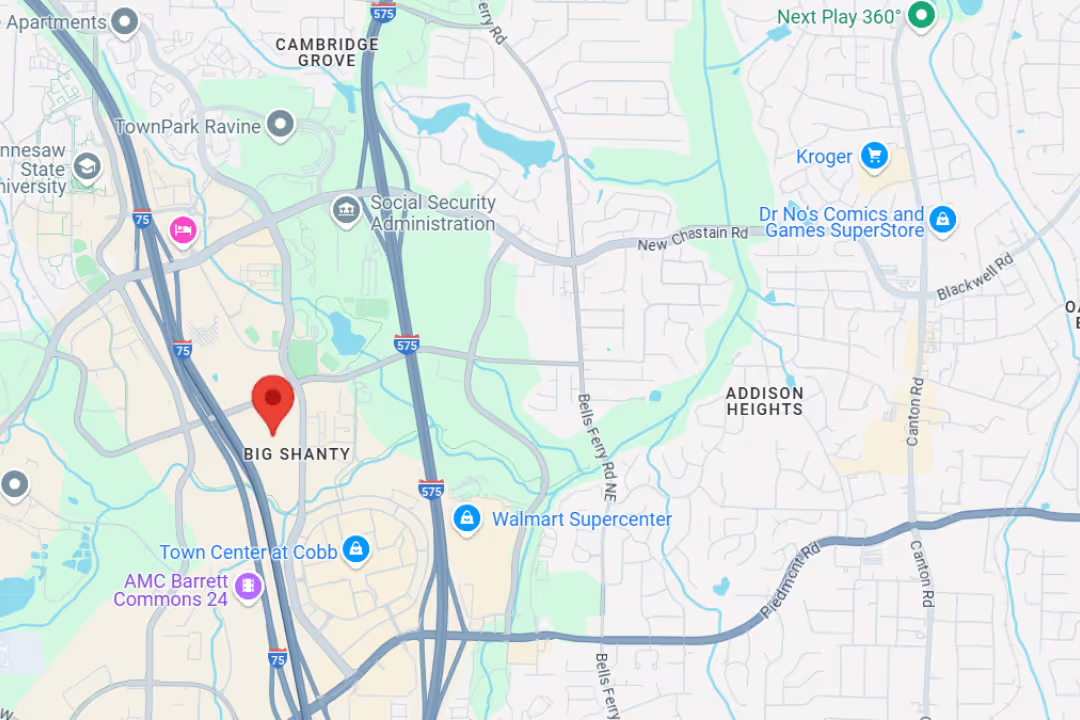
Marietta Ambulatory Surgery Center:
792 Church Street, Unit 101
Marietta, GA 30060
📞 (470) 795-8398
🌐 Website: mediciortho.com
Explore our library of patient support guides covering the conditions we treat, the treatments we offer, and the questions we hear most. Each one is written to help you understand your options and feel confident about your next step. Browse the topics below to learn more, or reach out to our team anytime.

At Medici, you’re more than your MRI.
We take time to hear your story, understand your pain, and create a plan that actually works for you.
Our team delivers specialist care at convenient locations across Metro Atlanta:
Get expert tips on injury recovery, pain relief, joint health, and movement strategies—straight from our Fellowship-Trained team.