Chronic pain has a way of taking up more space in your life than anyone else can see. It may affect how you walk, how you sleep, how long you can stand, how clearly you can think, and how much energy you have left at the end of the day. When pain continues after physical therapy, medication, injections, or even spine surgery, it can feel discouraging to wonder what options are still left.
For some patients, spinal cord stimulation may offer another path forward. A spinal cord stimulator is an implanted medical device designed to help manage chronic pain by changing how pain signals travel through the spinal cord before they reach the brain. It is often considered for certain types of chronic nerve-related or mixed pain that have not improved enough with more conservative treatment.
At Medici Orthopaedics & Spine, we understand that patients are not simply looking for a procedure. They are looking for answers, relief, and a team that will take their pain seriously. Spinal cord stimulator surgery is not the right fit for everyone, but for carefully selected patients, it may be part of a thoughtful plan to improve function and reduce the daily burden of chronic pain.
A spinal cord stimulator is a medical device that works somewhat like a pacemaker for pain signals. Instead of treating the heart, it is placed near the spine to help interrupt or modify pain signals traveling through the nervous system.
It may be considered for patients who have chronic pain that has not responded well enough to treatments such as:
Pain signals travel from the body through nerves, into the spinal cord, and then up to the brain. The brain interprets those signals as pain. Spinal cord stimulation uses mild electrical pulses to interfere with or modify those signals.
Depending on the system and programming, stimulation may help:
Different devices and programs work in different ways. Some patients feel a gentle tingling sensation. Others may not feel the stimulation at all, depending on the type of system and settings.
A spinal cord stimulator has several basic parts. Patients do not need to understand every technical detail, but it helps to know what is involved.
The main components include:
During the trial period, the leads are temporary and connected to an external battery. If the trial is successful and the patient moves forward with permanent implantation, the generator is placed under the skin.
What a spinal cord stimulator feels like depends on the device type, programming, and the patient’s pain pattern.
Some systems create a tingling or buzzing sensation in the painful area. This is sometimes called paresthesia. Some newer stimulation programs are designed to work without noticeable tingling, so the patient may feel pain relief without feeling the stimulation itself.
Patients may notice:
Spinal cord stimulation can be a helpful option for selected patients, but it is important to have realistic expectations. It is a pain management therapy, not a cure for every pain condition.
A spinal cord stimulator does not:
Spinal cord stimulation is typically a two-step process:
During the trial, temporary leads are placed near the spinal cord and connected to an external battery. The patient then tests the stimulation during normal daily activities for a short period, based on provider instructions.
If the trial provides meaningful pain relief and improved function, the patient and provider may discuss permanent implantation. If the trial does not help enough, the temporary leads are removed and other options are considered.
The trial procedure is usually performed before any permanent device is implanted. Temporary leads are placed near the spinal cord, and the patient uses an external stimulator during the trial period.
During the trial, patients may be asked to pay attention to:
If the trial is successful, the next step may be permanent implantation. During this procedure, the leads are placed near the spinal cord and connected to a small pulse generator placed under the skin.
The generator is commonly positioned in an area such as the buttock, flank, or lower back, depending on the patient’s body type, anatomy, comfort, and provider recommendation.
The permanent system is fully implanted under the skin. After healing and programming, the patient uses a controller to manage stimulation settings within the limits set by the care team.
A spinal cord stimulator is not simply placed and forgotten. Programming is an important part of the treatment. The device can be adjusted to better match the patient’s pain pattern and comfort level.
Programming may be adjusted to help with:
The trial is important because it gives patients real-world information before permanent surgery. Instead of guessing whether the device may help, the patient gets to test stimulation and see whether it improves pain and function.
A successful trial may show improvement in:
Living with chronic pain can make life feel smaller. When pain keeps you from walking comfortably, sleeping well, working, traveling, or being present with your family, it is more than a medical problem. It becomes personal. Patients deserve to know that there may still be options, even when previous treatments have not provided enough relief.
Spinal cord stimulation is not the right answer for everyone, but it may be worth discussing for certain patients with chronic nerve-related or mixed pain that has not improved enough with conservative care, injections, medication management, or prior surgery. The trial process is especially valuable because it gives patients a chance to test the therapy before moving forward with a permanent implant.
If chronic back, leg, nerve, or post-surgical pain is affecting your daily life, Medici Orthopaedics & Spine is here to help you understand your options. Our team can evaluate whether you may be a candidate for a spinal cord stimulator trial or whether another minimally invasive treatment may be a better fit.
We serve patients across Georgia with a commitment to the most effective, least invasive, and least drug-dependent care plan medically available today. You do not have to keep guessing what comes next. A thoughtful evaluation can help you take the next step with more clarity and confidence.
To schedule an appointment, contact Medici Orthopaedics & Spine or visit us online.
Main Website: https://www.mediciortho.com/
Main Contact: +1-844-328-4624
Medici Ambulatory Surgery Center – Marietta
792 Church Street
Unit 101
Marietta, GA 30060
Phone: (470) 795-8398
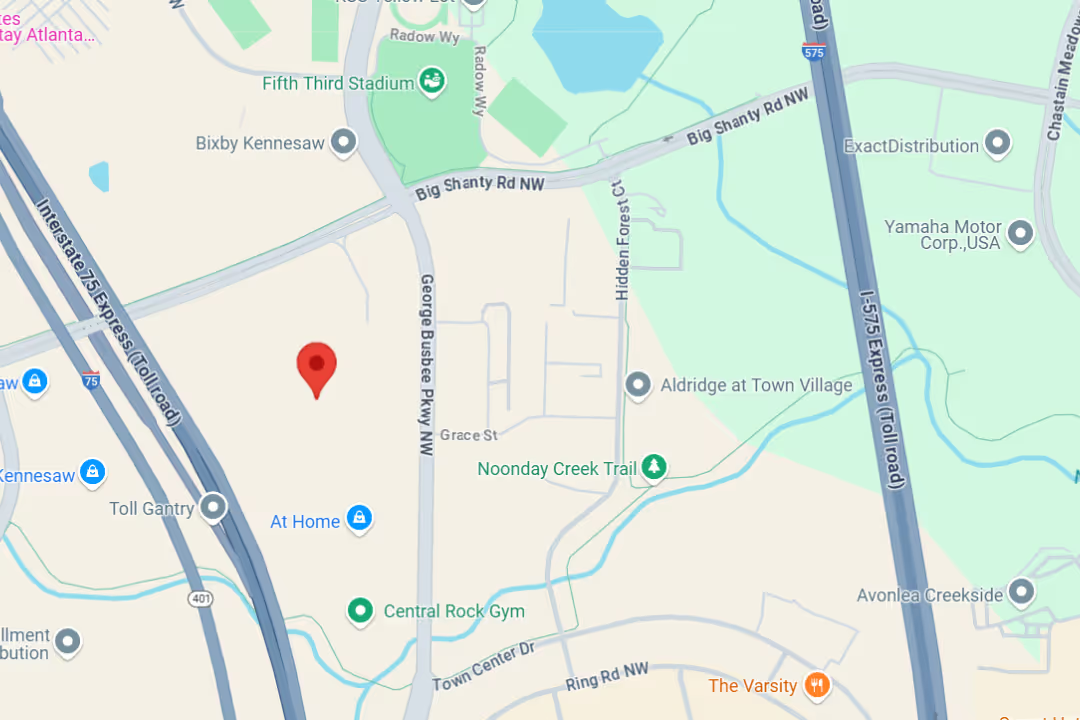
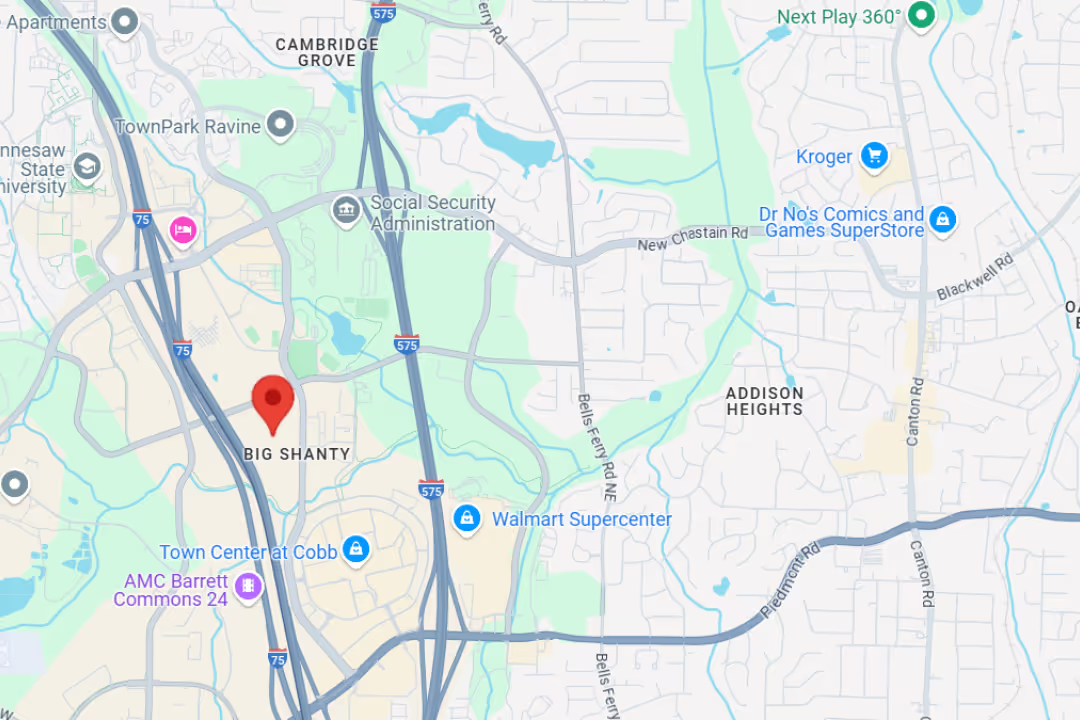
Medici Orthopaedics & Spine – Kennesaw Clinic
2911 George Busbee Parkway
Suite 50
Kennesaw, GA 30144
Phone: (770) 545-6404
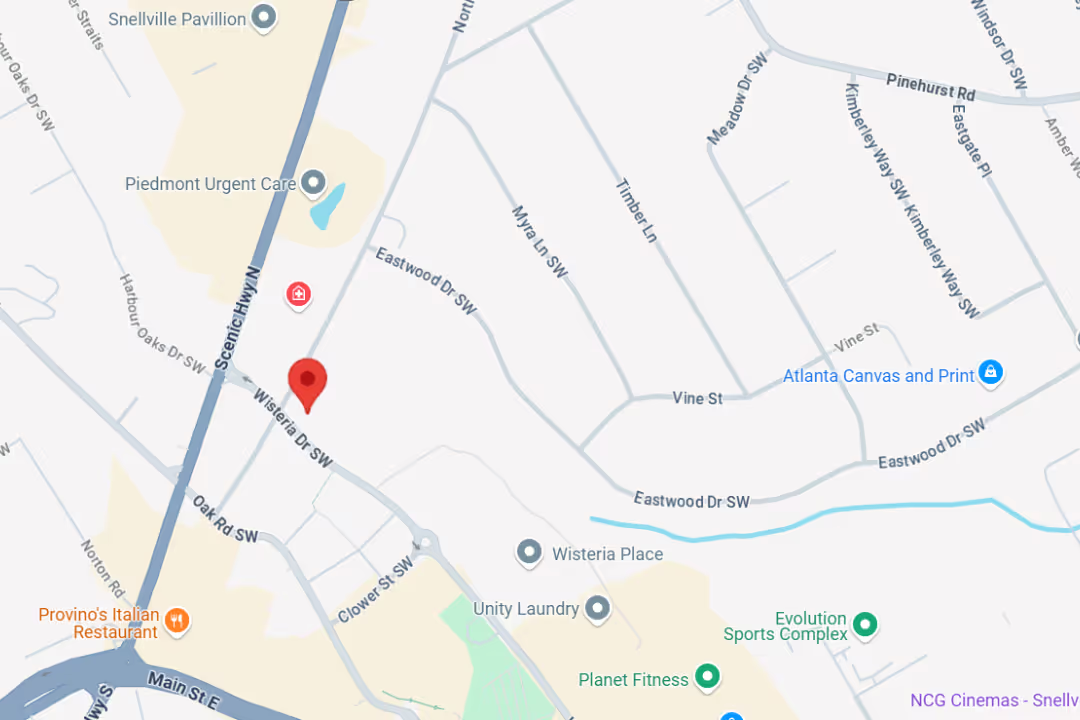
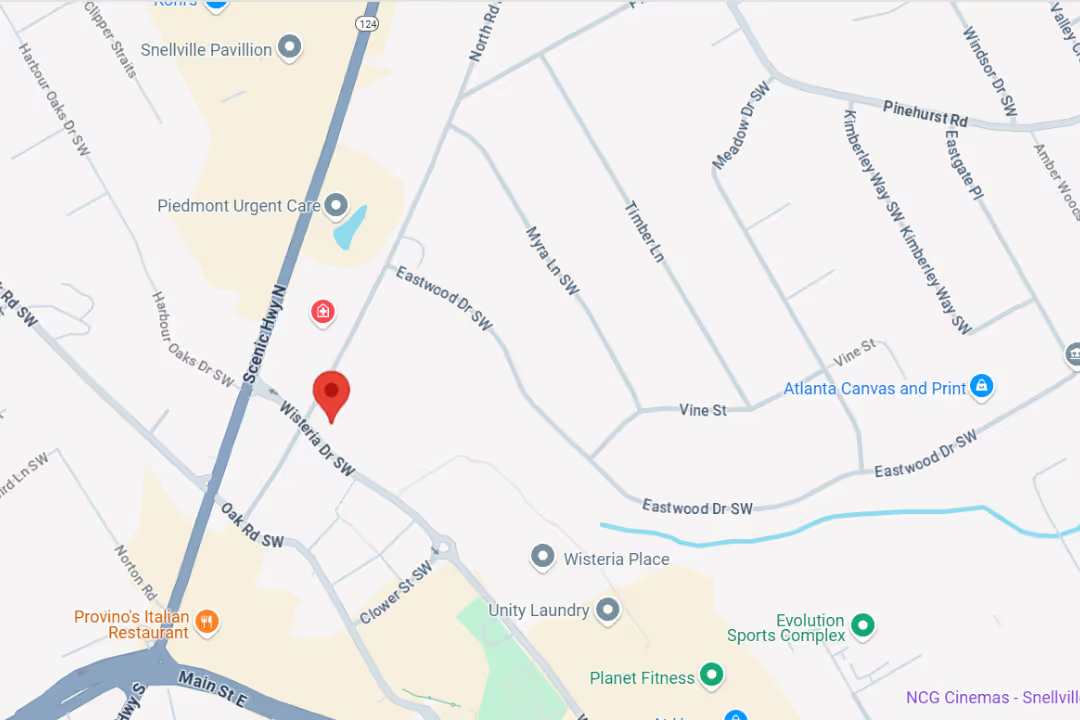
Medici Orthopaedics & Spine – Snellville Clinic
2220 Wisteria Drive
Unit 101
Snellville, GA 30078
Phone: (470) 645-9297
Medici Ambulatory Surgery Center – Snellville
2220 Wisteria Dr
Unit 100
Snellville, GA 30078
Phone: (470) 795-8398
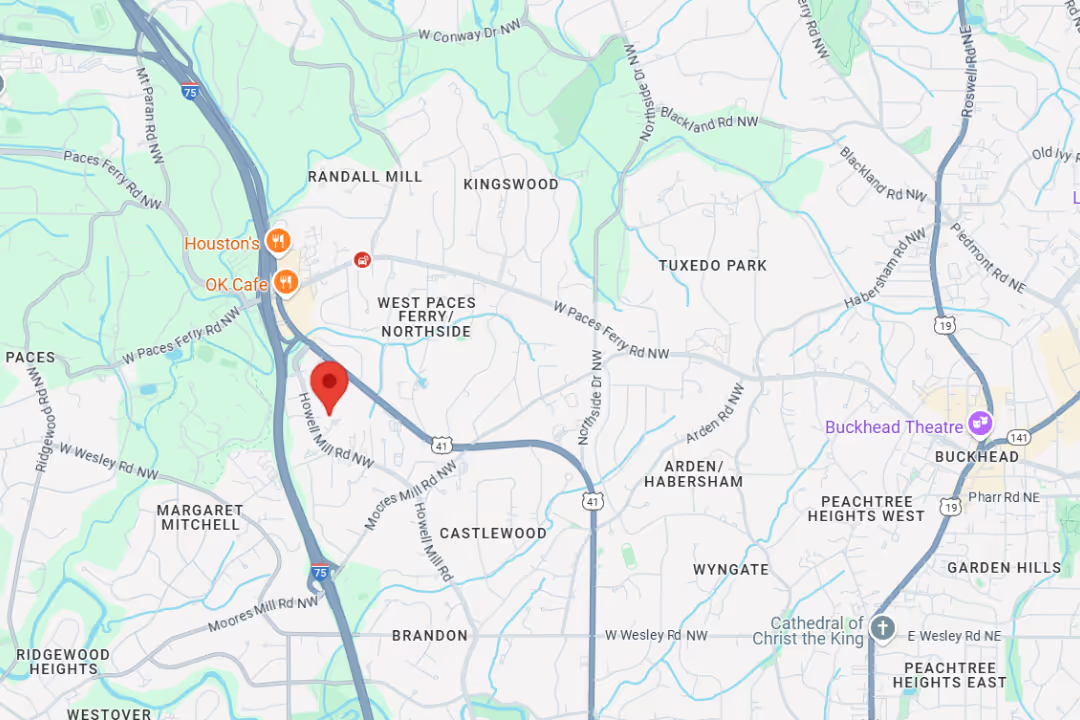
Medici PM&R – Buckhead
3200 Downwood Circle, NW
Suite 520
Atlanta, GA 30327
Phone: (770) 872-7549
At Medici, you’re more than your MRI.
We take time to hear your story, understand your pain, and create a plan that actually works for you.

Our team delivers specialist care at convenient locations across Metro Atlanta:
Get expert tips on injury recovery, pain relief, joint health, and movement strategies—straight from our Fellowship-Trained team.