Complex Regional Pain Syndrome (CRPS) is one of the most challenging and life-altering pain conditions a person can experience. The pain can be severe, burning, and unpredictable—often triggered by even the lightest touch or mild movement. Over time, CRPS can limit mobility, change the skin’s appearance, and dramatically affect quality of life, making everyday activities feel overwhelming.
What makes CRPS especially difficult is its complexity. The nervous system becomes hypersensitive, sending amplified pain signals long after an injury has healed. Because of this, traditional treatments—such as pain medications, nerve blocks, or physical therapy alone—often provide only temporary or incomplete relief. Many patients spend years cycling through treatments without finding lasting comfort.
This is where spinal cord stimulation (SCS) steps in as a breakthrough option.
SCS is a cutting-edge, minimally invasive therapy designed to calm overactive nerves and interrupt the intense pain signals characteristic of CRPS. Instead of relying on heavy medications or invasive surgery, SCS targets the pain at its source—within the nervous system—helping reduce pain, improve mobility, and restore function.
At Medici Orthopaedics & Spine, our mission is to help patients reclaim their quality of life using the most effective, least-invasive, and least drug-dependent treatments available today. For patients living with CRPS, spinal cord stimulation represents hope, healing, and a clear path forward.
A spinal cord stimulator (SCS) is a small, implantable medical device designed to reduce chronic nerve-related pain by altering how pain signals travel to the brain. Instead of relying on high-dose medications or invasive surgeries, SCS offers a modern, minimally invasive approach that helps patients regain comfort and mobility.
The SCS delivers gentle electrical impulses to the spinal cord. These impulses interrupt or “mask” the pain signals before they reach the brain, replacing them with a more pleasant sensation—or in many cases, no sensation at all.
This allows the nervous system to calm down and gives the patient meaningful relief from chronic, debilitating pain.
A spinal cord stimulator includes:
Together, these components create a customizable therapy that adapts to your body’s needs throughout the day.
SCS is highly effective for conditions involving nerve pain, chronic inflammatory responses, or abnormal pain signaling, making it one of the leading treatments for CRPS.
It is especially helpful when:
Spinal cord stimulation is FDA-approved, supported by decades of research, and widely used in advanced pain management centers across the U.S. It is considered one of the safest and most successful options for long-term relief from neuropathic pain.
CRPS is driven by abnormal nerve responses, inflammation, and heightened pain sensitivity. Spinal cord stimulation directly targets these issues at the neurological level.
CRPS causes nerves to fire excessively and unpredictably. SCS gently regulates nerve signaling, helping the body move out of its “pain alarm” state.
Over time, CRPS causes the brain and spinal cord to become overly reactive to sensory input. SCS helps interrupt this cycle, reducing hypersensitivity.
Many patients with CRPS struggle with swelling, color changes, and poor blood flow. SCS may help improve microcirculation, supporting healthier tissues and improved comfort.
Most patients experience significant reduction in burning, stabbing, and aching pain—often within the first few days of treatment.
When pain decreases, movement becomes easier. Patients often regain the ability to walk, use their hands, return to work, or perform everyday activities with more confidence.
Spinal cord stimulation offers a wide range of benefits for patients with Complex Regional Pain Syndrome. Because CRPS is one of the most challenging chronic pain conditions to manage, having a treatment that is safe, adjustable, and minimally invasive can be life-changing.
SCS does not require open surgery or joint reconstruction. The procedure involves placing thin leads near the spine through a small incision, making it far less demanding on the body than traditional operations.
Many CRPS patients want relief without relying on long-term medications—especially opioids. SCS provides pain control without the risks of dependency.
Each patient receives a handheld remote to adjust therapy based on daily comfort. This customization allows for real-time control of pain relief.
Unlike major surgeries, SCS can be fully removed if the patient chooses to discontinue therapy. There is no permanent alteration to the spine.
One of the biggest advantages: patients can test the therapy with a temporary device before deciding on permanent implantation. This ensures you only move forward if the results are meaningful.
Before receiving a permanent spinal cord stimulator, every patient begins with a trial phase. This is one of the most empowering steps because it allows you to experience the potential benefits firsthand.
CRPS affects each person differently. The trial ensures the treatment works for your unique pain pattern before any longer-term intervention is recommended.
Most trials last about a week, giving you enough time to evaluate changes in pain, comfort, mobility, and daily function.
A trial is considered successful if you experience:
Most patients describe the trial as comfortable and surprisingly simple. The leads remain in place without requiring hospitalization, and many feel noticeable relief within the first few days.
If the trial is successful—and most CRPS patients do experience meaningful relief—the next step is permanent implantation.
Your care team will review your results, answer all questions, and schedule your outpatient procedure.
Most patients resume light activity within a few days and return to normal routines within a couple of weeks, depending on their comfort level.
After implantation:
This means your therapy evolves as your body heals.
Many patients notice:
Results often continue to improve with consistent use and complementary care such as physical therapy.
CRPS can be overwhelming—but you don’t have to face it alone. At Medici Orthopaedics & Spine, we combine compassionate care with cutting-edge technology to help patients find meaningful, lasting relief. Spinal cord stimulation offers a safe, minimally invasive path to restoring comfort, mobility, and confidence, especially for those who have struggled to find relief through traditional treatments.
Our team understands the unique challenges of CRPS, and we’re committed to guiding you through every step of your healing journey with clarity, empathy, and expertise. Whether you’re exploring SCS for the first time or seeking a second opinion, we’re here to support you with a treatment plan tailored to your needs.
Main Line: +1-844-328-4624
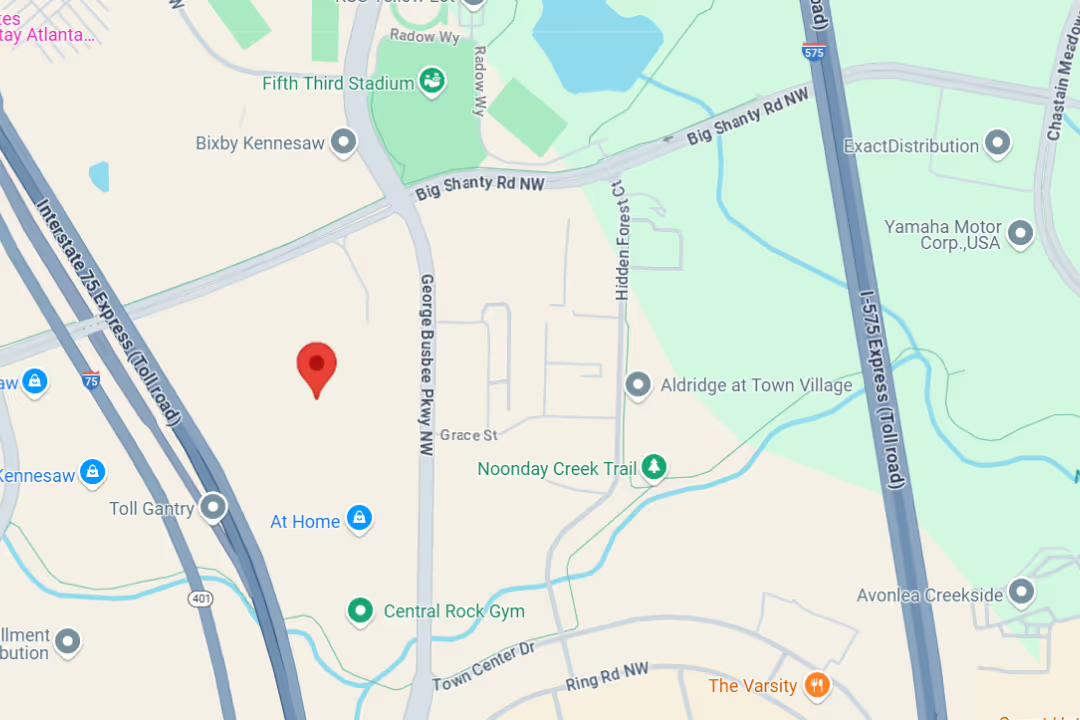
Kennesaw Clinic: (770) 545-6404
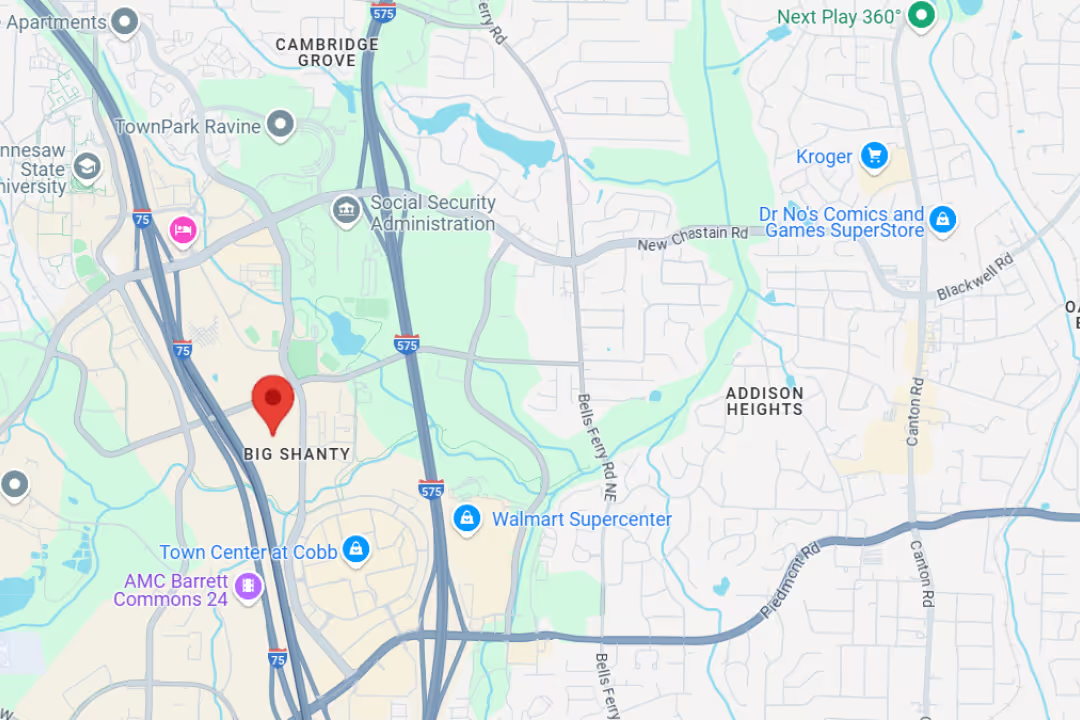
Marietta ASC: (470) 795-8398
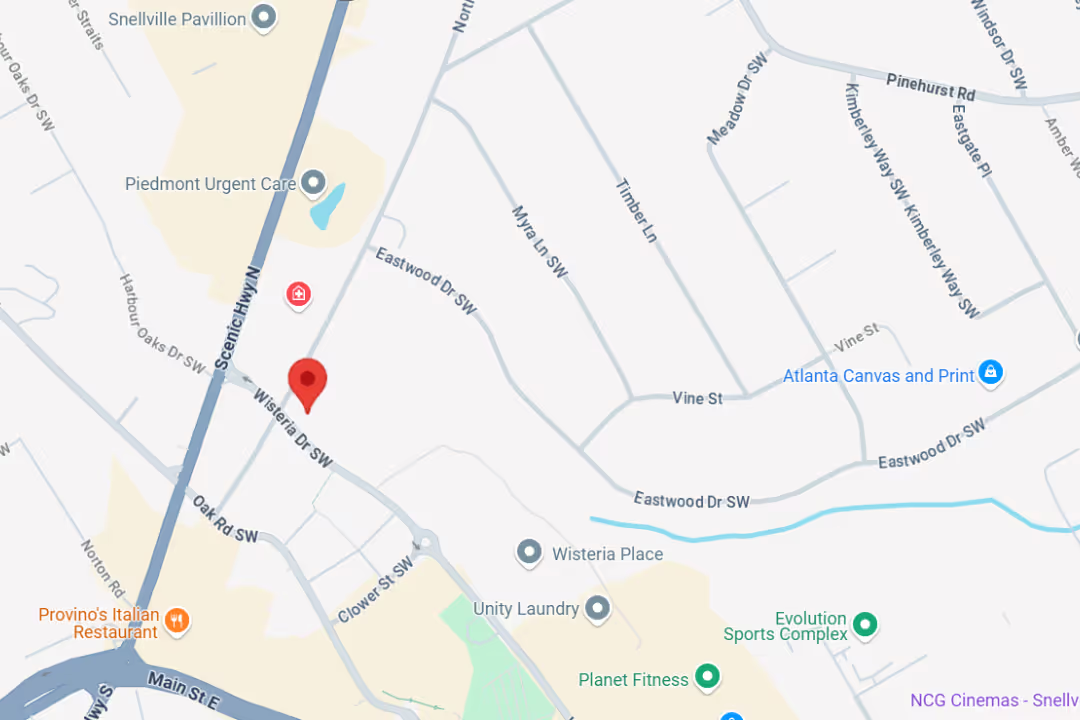
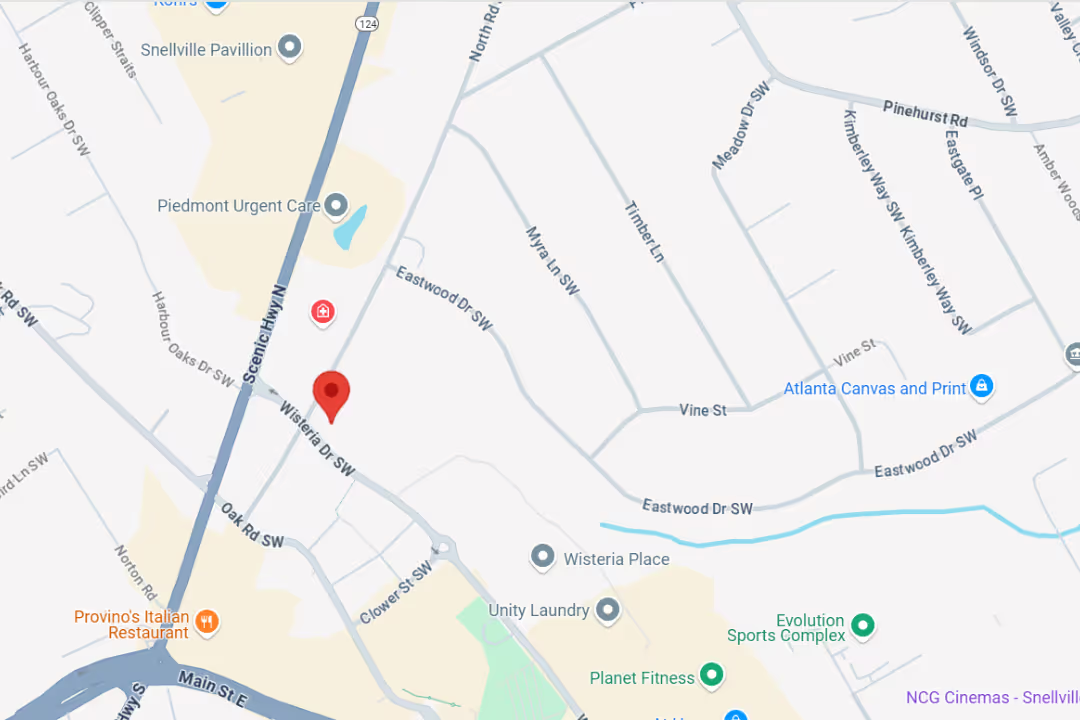
Snellville Clinic/ASC: (470) 645-9297
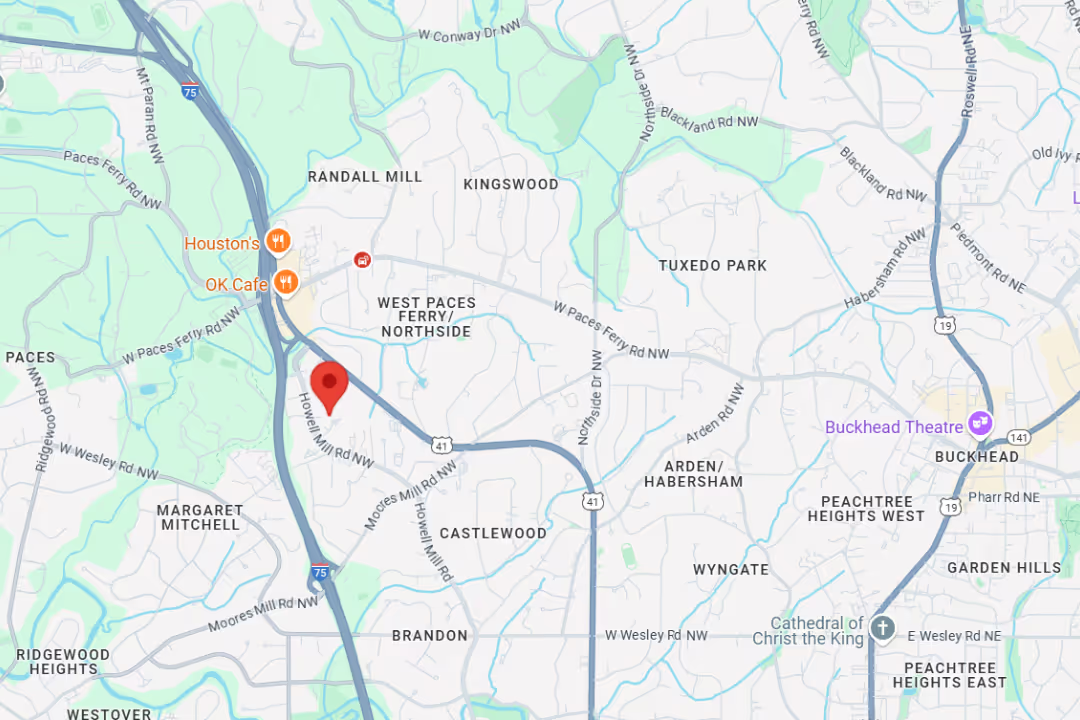
Buckhead PM&R: (770) 872-7549
Explore our library of patient support guides covering the conditions we treat, the treatments we offer, and the questions we hear most. Each one is written to help you understand your options and feel confident about your next step. Browse the topics below to learn more, or reach out to our team anytime.

At Medici, you’re more than your MRI.
We take time to hear your story, understand your pain, and create a plan that actually works for you.

Our team delivers specialist care at convenient locations across Metro Atlanta:
Get expert tips on injury recovery, pain relief, joint health, and movement strategies—straight from our Fellowship-Trained team.