Medication plays a central role in both acute and chronic pain management, often serving as the first line of defense in helping patients regain comfort and function. Whether addressing short-term injury or long-standing conditions like back pain, arthritis, or nerve-related disorders, medications can help reduce inflammation, calm nerve signals, and improve daily quality of life.
However, pain medications are not one-size-fits-all. Without proper oversight, even well-intended treatments can lead to unwanted side effects, reduced effectiveness, or long-term complications. Overuse, incorrect combinations, or prolonged reliance on certain medications—especially opioids—can impact not only recovery but overall health and well-being.
This is where expert guidance becomes essential. A structured, specialist-led medication review ensures that every medication a patient takes is necessary, effective, and aligned with their current condition. At Medici Orthopaedics & Spine, this process is designed to optimize outcomes while minimizing risk—helping patients move toward a more sustainable, less medication-dependent path to relief.
Chronic pain often evolves over time, and so should the treatment plan. Medications that once worked may become less effective or unnecessary as the condition changes.
Common conditions that benefit from a medication review include:
Taking several medications at once can increase complexity and risk, especially when prescriptions come from multiple providers.
A medication review helps address:
If medications are not providing the relief you expected, it may not mean you have to “just live with the pain.” It may mean your treatment plan needs refinement.
A specialist can help by:
Many patients today are understandably cautious about long-term medication use—especially when it comes to stronger pain relievers.
A medication review provides clarity and guidance around:
Understanding your full health picture is the foundation of effective pain management.
This includes:
Every substance you take matters—not just prescriptions.
Your specialist will review:
Pain is not static, and understanding its patterns is key to improving treatment.
Your provider will evaluate:
Pain management is about more than reducing discomfort—it’s about restoring your ability to live fully.
This includes assessing:
Analgesics are often the first line of treatment for many types of pain, particularly mild to moderate conditions.
These include:
Opioids may be prescribed for more severe pain, particularly after surgery or injury, but they require careful oversight.
A specialist evaluates:
Nerve-related pain often does not respond well to traditional pain relievers, requiring a different class of medications.
These may include:
Muscle relaxants are commonly used when pain is associated with tension, spasms, or musculoskeletal injuries.
They are particularly helpful for:
Topical therapies offer localized pain relief with fewer systemic effects, making them a valuable part of many treatment plans.
These include:
Adjunct medications support pain management indirectly by addressing related symptoms that can worsen discomfort.
Examples include:
When multiple medications are taken together, there is always a possibility of interaction.
A specialist will assess:
Every medication carries the potential for side effects, which can vary from mild to severe.
A review focuses on:
Certain medications, particularly opioids and some muscle relaxants, carry a risk of dependence if not carefully managed.
A specialist evaluates:
Finding the right balance in pain management is critical. Too much medication can lead to harmful side effects, while too little can leave pain inadequately controlled.
A medication review helps:
Medication should be a tool that supports healing—not something that adds complexity or risk to your health journey. When carefully selected and properly managed, medications can play an important role in reducing pain, improving function, and helping you regain control of your daily life.
With expert guidance, patients can experience safer, more effective outcomes. A pain management specialist brings the clinical insight needed to evaluate what’s working, what isn’t, and what adjustments can lead to better results. This level of oversight helps prevent unnecessary side effects, reduces the risk of dependency, and ensures that every medication has a clear purpose.
If your current medications aren’t providing the relief you deserve—or you’re concerned about side effects or long-term use—it may be time for a professional review.
At Medici Orthopaedics & Spine, our team is dedicated to helping you find the most effective, least invasive, and least drug-dependent path to recovery. Every treatment plan is personalized, combining advanced medical expertise with a compassionate, patient-first approach.
Schedule your personalized medication review today:
🌐 Website: https://www.mediciortho.com/
📞 Phone: +1-844-328-4624
Visit one of our convenient locations:
Marietta Ambulatory Surgery Center
792 Church Street, Unit 101
Marietta, GA 30060
(470) 795-8398
Snellville Ambulatory Surgery Center
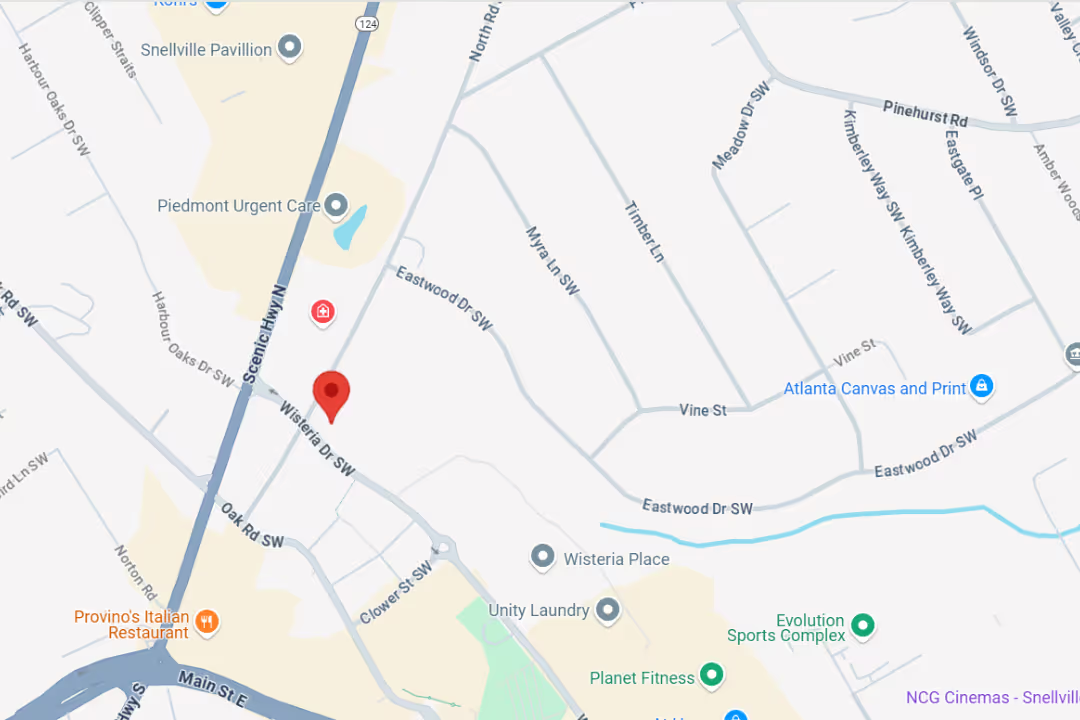
2220 Wisteria Dr, Unit 100
Snellville, GA 30078
(470) 795-8398
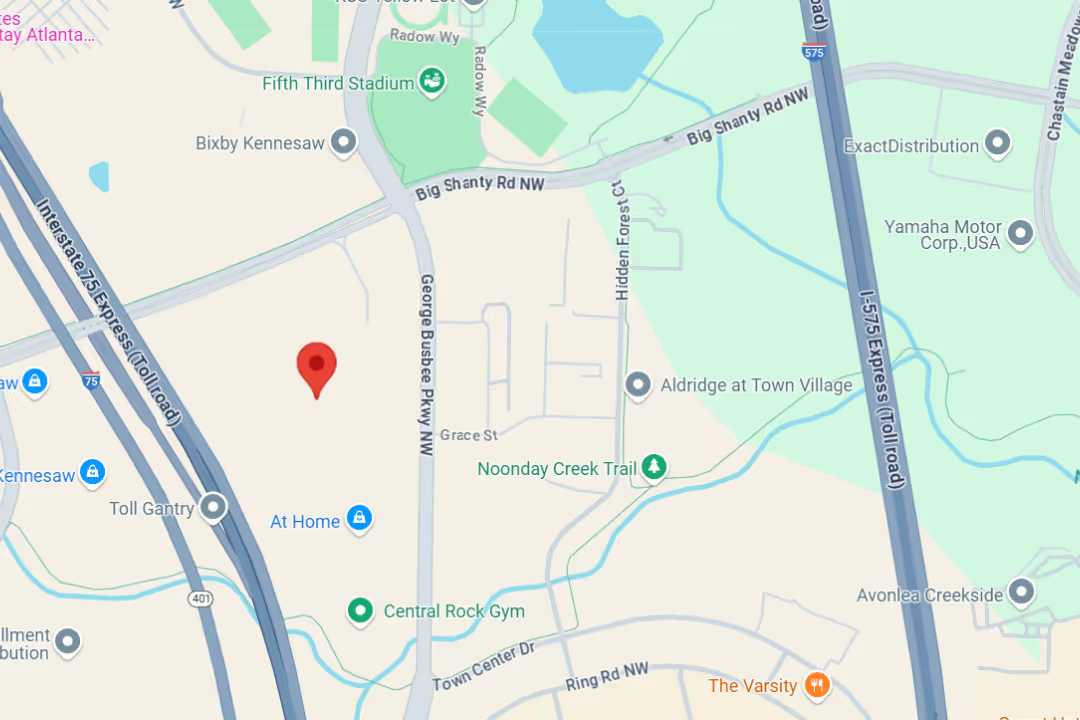
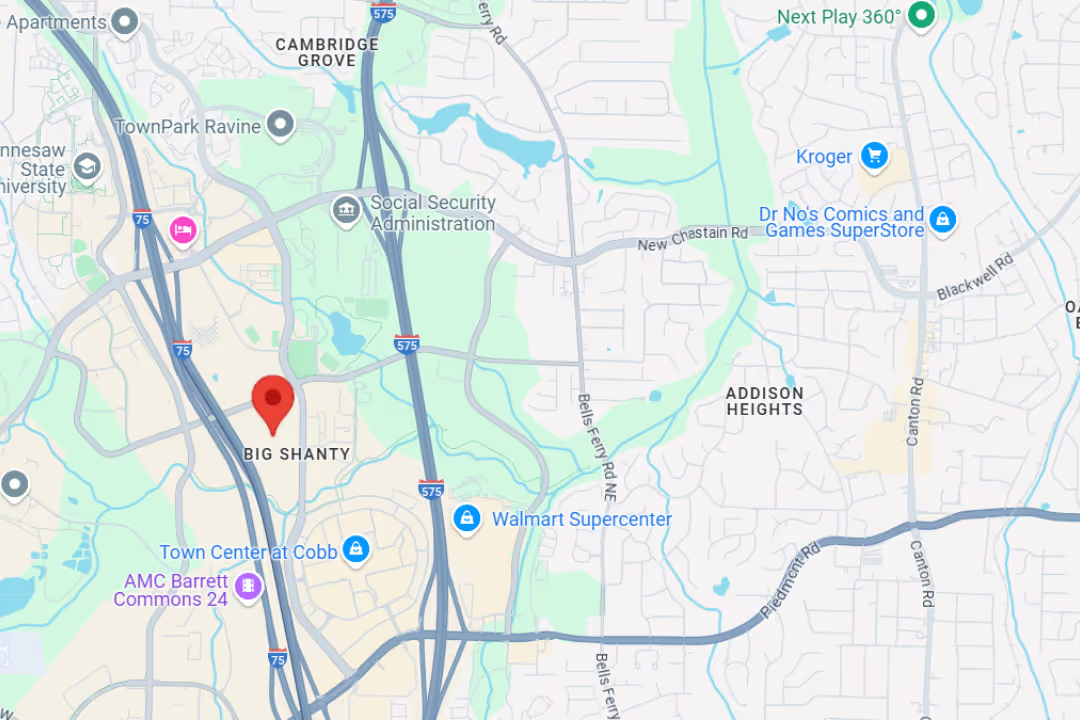
Kennesaw Clinic
2911 George Busbee Parkway, Suite 50
Kennesaw, GA 30144
(770) 545-6404
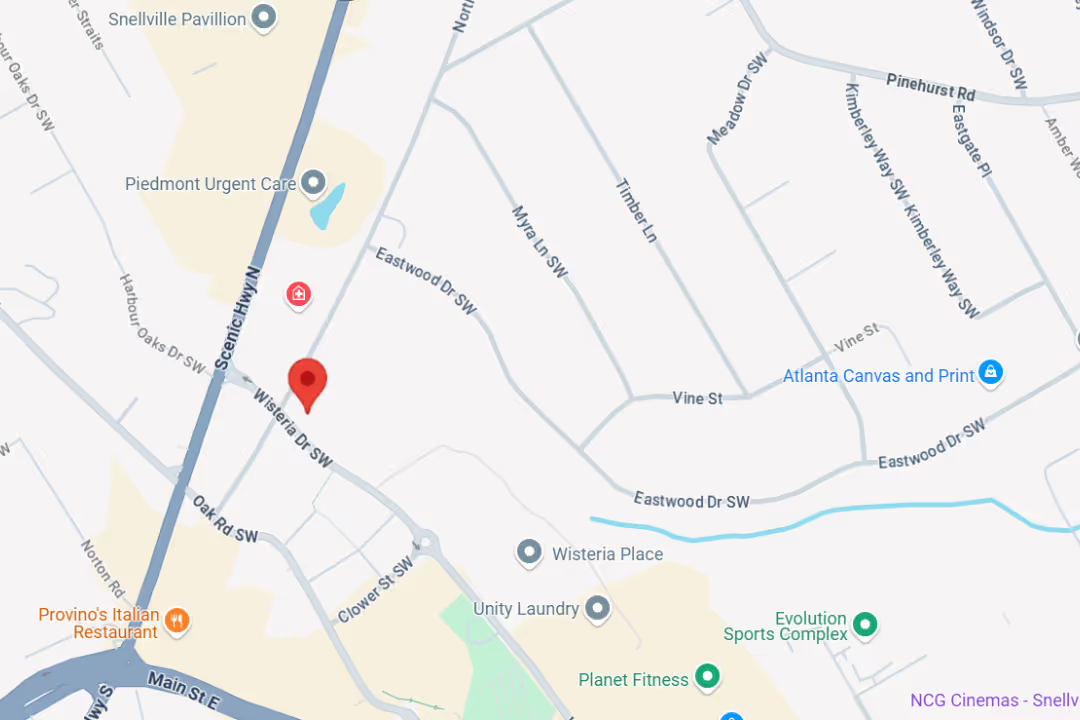
Snellville Clinic
2220 Wisteria Drive, Unit 101
Snellville, GA 30078
(470) 645-9297
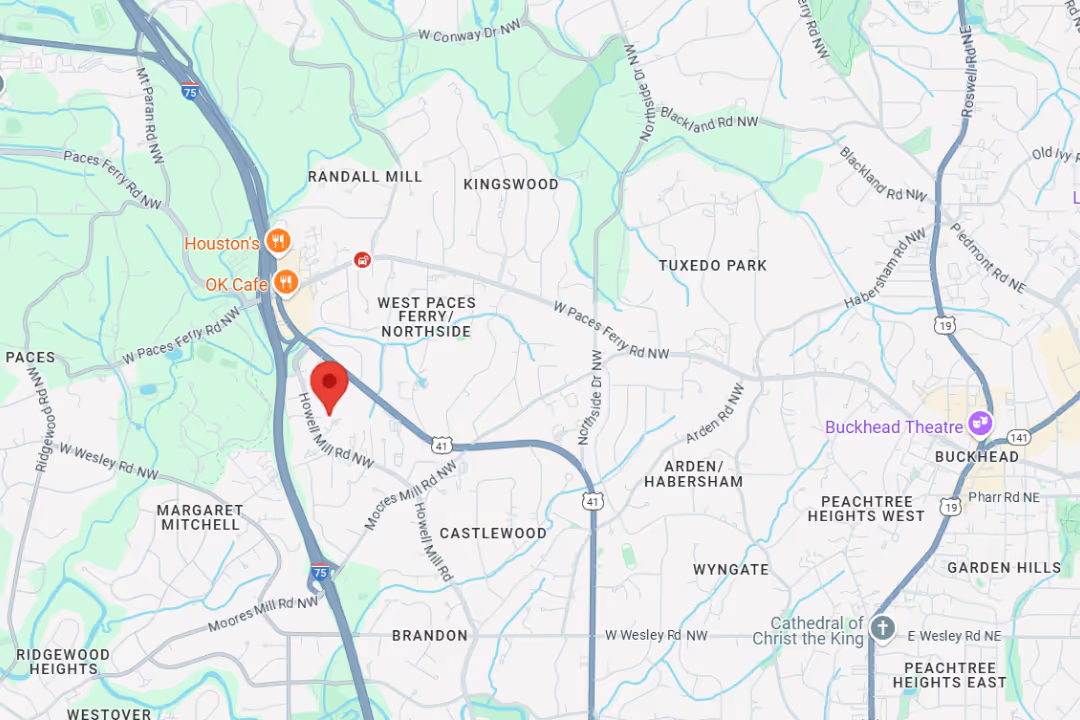
Buckhead PM&R
3200 Downwood Circle NW, Suite 520
Atlanta, GA 30327
(770) 872-7549
Explore our library of patient support guides covering the conditions we treat, the treatments we offer, and the questions we hear most. Each one is written to help you understand your options and feel confident about your next step. Browse the topics below to learn more, or reach out to our team anytime.

At Medici, you’re more than your MRI.
We take time to hear your story, understand your pain, and create a plan that actually works for you.

Our team delivers specialist care at convenient locations across Metro Atlanta:
Get expert tips on injury recovery, pain relief, joint health, and movement strategies—straight from our Fellowship-Trained team.