Pain has a way of touching every part of life. Whether it’s sharp, sudden pain from an injury or a dull, constant ache that never seems to go away, both chronic and acute pain can make simple tasks feel exhausting. Walking, lifting, sitting at your desk, playing with your kids, or even getting a full night’s sleep can become a challenge. Over time, this doesn’t just affect your body—it impacts your mood, relationships, productivity at work, and overall emotional well-being.
Across Georgia, more people are looking for real relief that doesn’t mean “jump straight to surgery.” Many patients have already tried medications, rest, or basic therapies and still hurt. Others have been told that surgery might be their only option—but they want to understand what else is possible.
At Medici Orthopaedics & Spine, our mission is to change that conversation. We are committed to minimally invasive, low-medication, patient-centered pain management. That means focusing on the root cause of pain, using advanced non-surgical treatments, and working with you to build a plan that restores movement and function while using the least amount of drugs and intervention needed. Our goal is not just to make the pain quieter for a little while—it’s to help you get your life back.
Comprehensive Pain Management Without Surgery in Georgia
Physical Therapy & Rehabilitation
Physical therapy is one of the most important foundations of non-surgical pain management. Rather than simply avoiding movement, we help you move better and stronger so that pain has fewer opportunities to take hold.
- Individualized exercise programs to improve strength, stability, and mobility
Your therapist designs a plan specifically for your condition, fitness level, and goals. These exercises target weak or imbalanced muscles, support joints and the spine, and gradually expand what you can do comfortably. - Gait training, postural correction, and body mechanics education
How you stand, sit, lift, and walk all affect pain. We coach you on safer, more efficient movement patterns that reduce strain on joints, discs, and soft tissues. - Focus on returning to daily activities, work, and sports safely
Treatment is always tied back to real life—getting through a workday, lifting your kids, walking the dog, or returning to a favorite activity without flaring your pain.
Myofascial Release & Manual Therapy
Muscles and fascia (the connective tissue that surrounds them) often become tight, knotted, or restricted when you’re in pain. This can create a cycle where stiffness and tension feed into more discomfort.
- Soft-tissue mobilization and trigger point therapy
Hands-on techniques are used to gently loosen tight muscles and address trigger points—those tender, knot-like spots that often refer pain to other areas. - Techniques to reduce muscle tension, improve circulation, and ease pain
By improving blood flow and releasing restrictions, manual therapy can help calm irritated tissues and make movement feel easier and more natural. - Integration with stretching and strengthening for lasting results
Hands-on care is most powerful when paired with active work. After tissues are loosened, targeted exercises help lock in those gains by building strength and control.
Interventional Spine & Joint Treatments
Targeted Injections
Targeted injections deliver medication directly to the area causing pain, which can provide strong relief with less systemic effect than oral drugs.
- Epidural steroid injections for nerve inflammation
Ideal for conditions like sciatica or cervical radiculopathy, these injections place anti-inflammatory medication near irritated spinal nerves to reduce radiating arm or leg pain. - Facet joint injections for arthritic spine pain
The small joints along the back of the spine (facets) can become arthritic and painful. Injections into these joints help confirm the diagnosis and ease deep, aching back or neck pain. - Sacroiliac joint injections for pelvic and lower back pain
Pain near the beltline or buttock area is often tied to the sacroiliac (SI) joint. Targeted injections here can calm inflammation and improve standing, walking, and sitting tolerance. - Joint injections (knee, shoulder, hip, ankle) for localized joint pain
For patients with arthritis, bursitis, or synovitis in major joints, injections can reduce inflammation, allowing you to move more comfortably and participate more fully in therapy.
Diagnostic Blocks
Before performing longer-acting procedures, it’s important to make sure we’ve identified the true source of your pain. Diagnostic blocks help us do exactly that.
- Medial branch blocks to identify facet joint pain
Small nerves called medial branches supply the facet joints. By temporarily numbing these nerves, we can determine if they’re responsible for your pain. If your discomfort improves significantly, you may be a good candidate for long-lasting treatments like radiofrequency ablation. - Nerve blocks to clarify pain generators and guide treatment plans
Targeted nerve blocks help us understand which structures are contributing most to your symptoms, so we can build a more precise and effective treatment strategy.
Radiofrequency Ablation (RFA)
For certain types of chronic spine or joint pain, radiofrequency ablation offers a non-surgical way to provide longer-term relief.
- Use of controlled heat to disrupt pain signals from targeted nerves
RFA uses a special needle and radiofrequency energy to gently create a small lesion on pain-carrying nerves. This doesn’t damage the joint itself—it simply reduces its ability to send pain signals. - Longer-lasting relief for chronic spine and joint pain when appropriate
For the right patient, RFA can provide months or even longer of reduced pain, allowing for better participation in physical therapy, daily activities, and overall rehabilitation.
Regenerative Medicine Options
Prolotherapy
Prolotherapy is an injection-based technique designed to stimulate soft-tissue repair in and around painful joints.
- A mild solution—often dextrose-based—is injected into targeted ligaments, tendons, or joint-supporting tissues.
- This controlled irritation signals the body to begin a healing response, bringing growth factors and repair cells to the area.
Prolotherapy is especially useful for:
- Ligament laxity – When ligaments are overly stretched and no longer provide adequate support.
- Joint instability – Joints that feel loose, wobbly, or prone to “giving out.”
- Chronic sprains/strains – Soft-tissue injuries that never fully healed and continue to cause pain or weakness.
Platelet-Rich Plasma (PRP)
Platelet-Rich Plasma (PRP) uses your body’s own biology to support healing in damaged tissues.
- A small sample of your blood is drawn and spun in a centrifuge to concentrate the platelets and growth factors.
- This PRP solution is then injected into targeted areas such as tendons, ligaments, or joints.
PRP is often considered for:
- Early arthritis – To support joint health when wear and tear is starting but not yet severe.
- Chronic tendon issues – Such as tennis elbow, Achilles problems, or rotator cuff tendinopathy that haven’t responded to basic conservative care.
Advanced Non-Surgical Technologies
Spinal Cord Stimulation (SCS)
Spinal Cord Stimulation (SCS) is a form of neuromodulation used for certain types of chronic, treatment-resistant pain.
- A small device delivers gentle electrical signals to the spinal cord.
- These signals alter the way pain messages are transmitted before they reach the brain, so the pain is felt less intensely—or not at all.
SCS may be considered for patients with:
- Chronic back or leg pain after spine surgery
- Nerve-related pain that has not responded to injections, therapy, or medications
- Pain that significantly interferes with daily life, where surgery is not desired or may not be helpful
Hyperbaric Oxygen Therapy
Hyperbaric Oxygen Therapy (HBOT) is another advanced, non-invasive option that can support tissue healing and pain reduction.
- During HBOT, patients breathe oxygen in a pressurized chamber, allowing higher levels of oxygen to reach the bloodstream and tissues.
- This increased oxygen delivery helps support cellular repair, reduce inflammation, and promote recovery.
Potential benefits include:
- Support for chronic pain conditions where tissue healing has stalled
- Assistance with inflammation and recovery after injury or certain procedures
- Improved tissue health in areas with reduced circulation
Finding Relief Without the Operating Room
For many people, the idea of surgery can feel overwhelming—and the good news is that it’s often not the only path to relief. A wide range of back, neck, joint, nerve, and muscle pain conditions can be effectively managed with thoughtful, non-surgical care that treats the underlying problem instead of just silencing symptoms.
Before you consider a major operation, it’s worth exploring the full spectrum of non-surgical treatments. With the right combination of therapies, many patients in Georgia find meaningful, long-lasting relief—without ever stepping into an operating room.
Start Your Non-Surgical Pain Relief Journey in Georgia Today
If pain is limiting your life but you’re not ready for surgery—or you’ve been told surgery is your only option—Medici Orthopaedics & Spine can help you explore advanced, non-surgical treatments tailored to your needs. Our team will work closely with you to understand your story, evaluate your condition, and create a plan focused on restoring comfort, mobility, and independence with the least invasive methods possible.
Contact Us Today
📞 Main Line: +1-844-328-4624
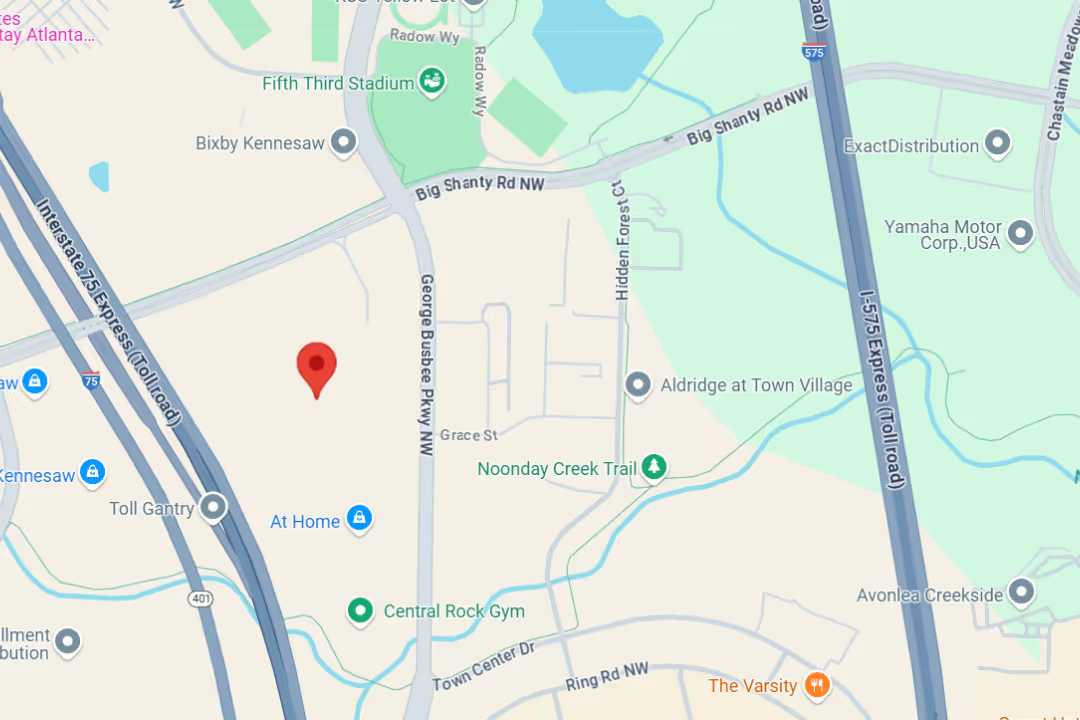
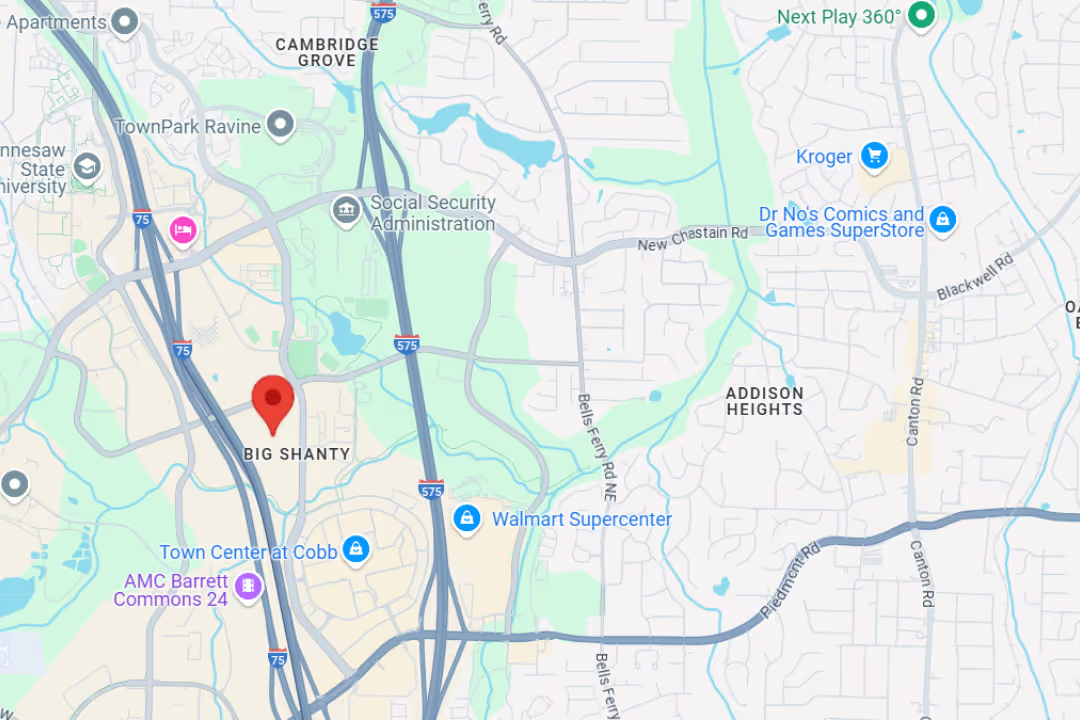
📍 Kennesaw Clinic:
2911 George Busbee Parkway, Suite 50
Kennesaw, GA 30144
(770) 545-6404
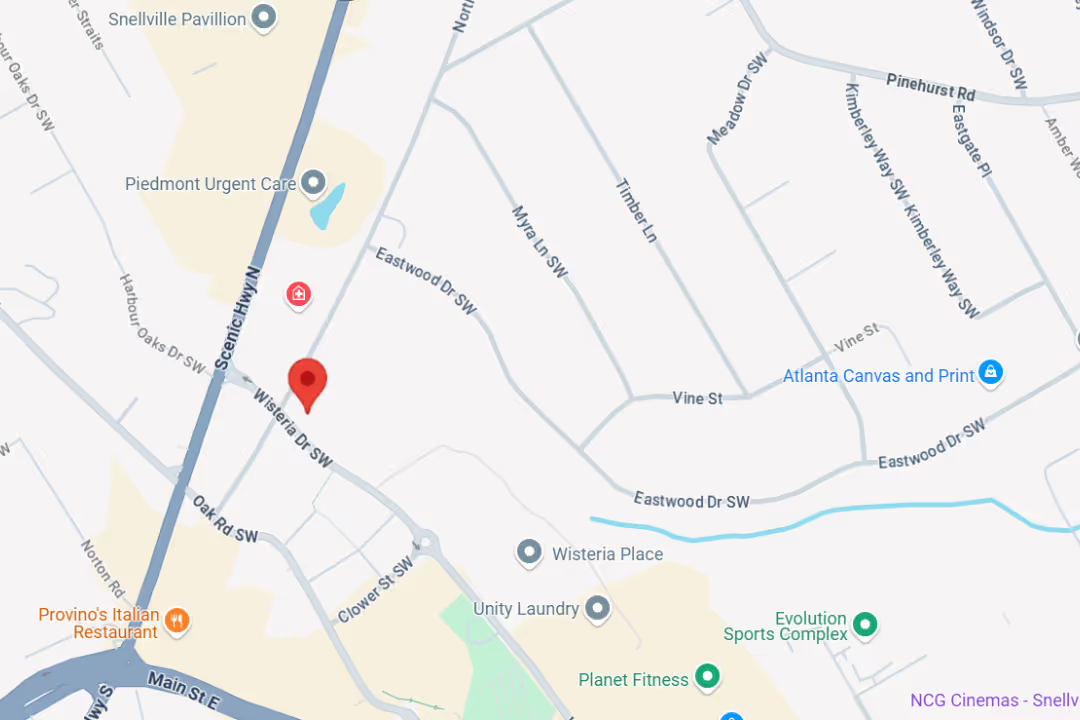
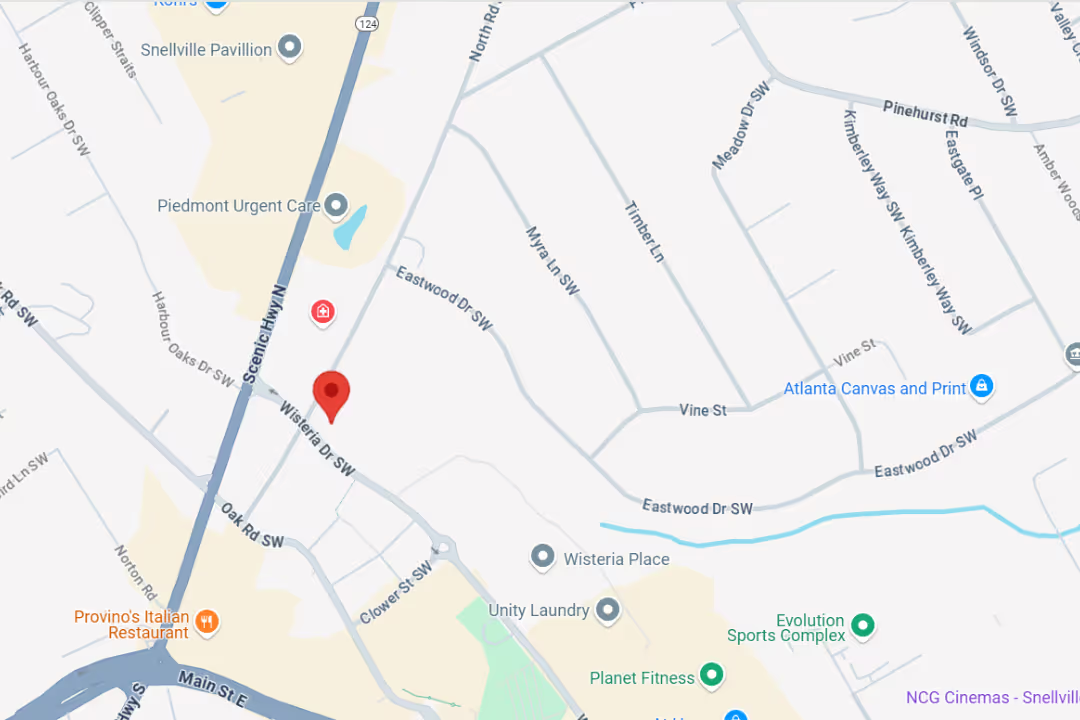
📍 Snellville Clinic:
2220 Wisteria Drive, Unit 101
Snellville, GA 30078
(470) 645-9297
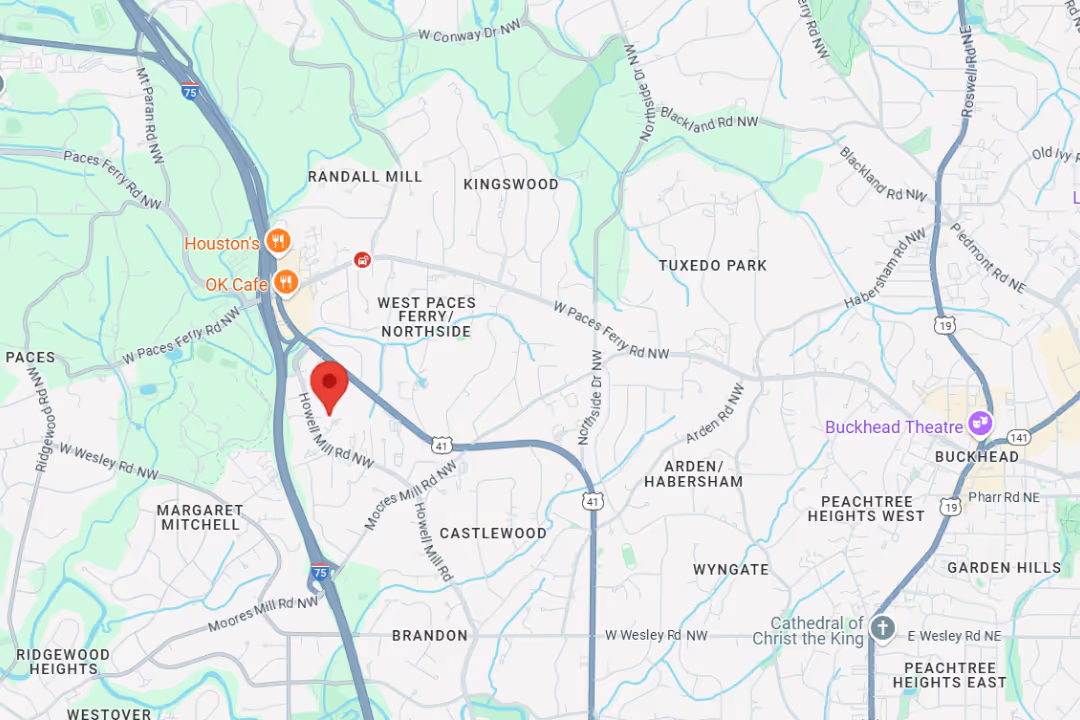
📍 Buckhead PM&R:
3200 Downwood Circle, NW, Suite 520
Atlanta, GA 30327
(770) 872-7549
🌐 Schedule Online: https://www.mediciortho.com/