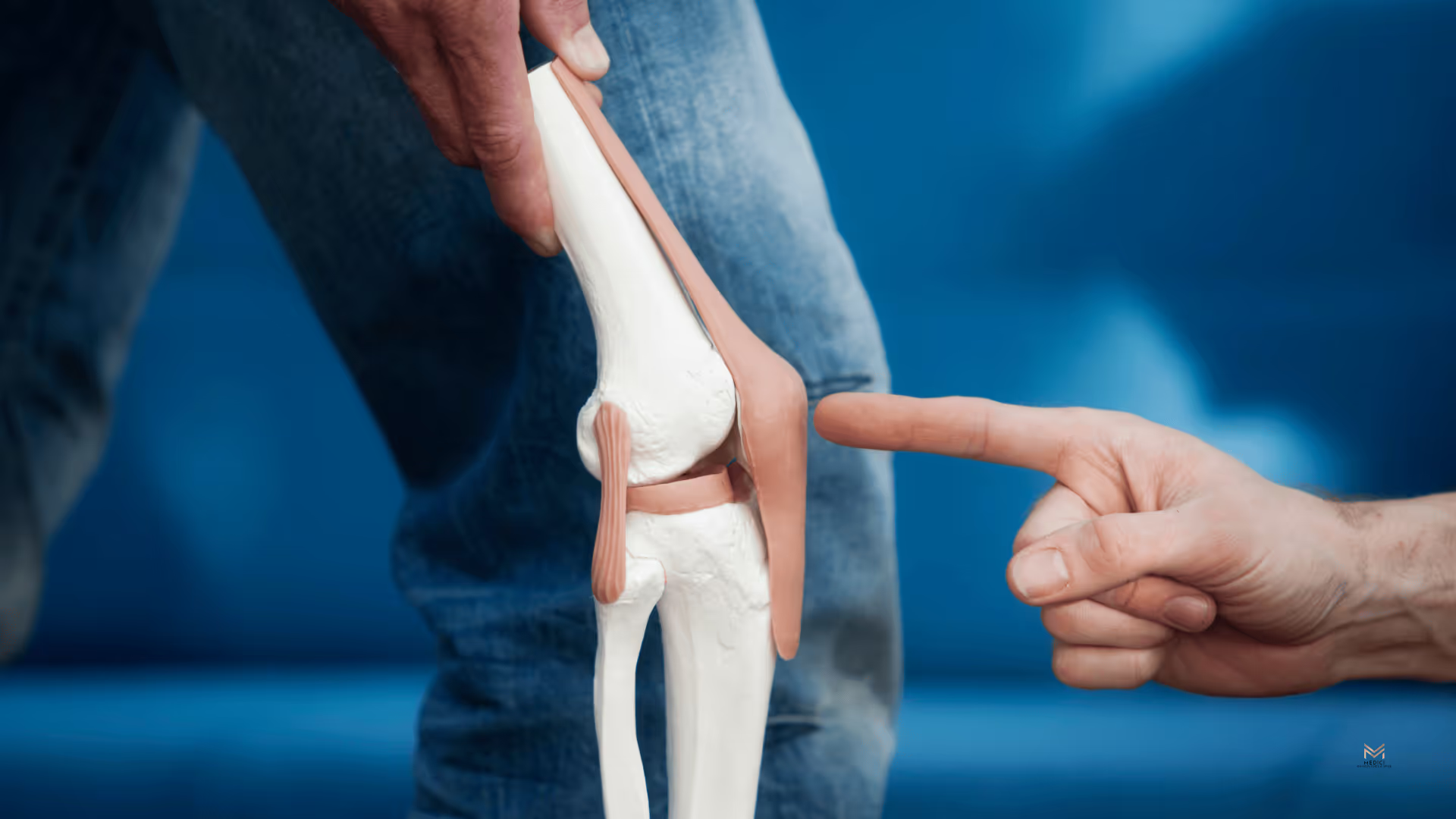
Choosing joint replacement is a big decision—and most people go into surgery with a mix of hope and relief. The goal is simple: to finally get out of pain and get back to walking, sleeping, working, and living without constantly thinking about every step.
So when years have gone by and you’re still in pain—or that pain has started to creep back around a replaced hip, knee, shoulder, or another joint—it can feel frustrating, discouraging, and even a little scary. You might wonder if something went wrong, if you did something to “mess it up,” or if this is just how life will be from now on.
Here’s the key message: persistent pain years after joint replacement is not something you simply have to “live with.” There are real, understandable reasons it happens, and there are modern, evidence-based ways to evaluate what’s going on and create a plan to help you feel and move better. At Medici Orthopaedics & Spine, that’s exactly the type of complex problem our team is built to untangle.
Loosening or Wear of the Implant
Over time, even a well-placed implant can start to loosen slightly where it connects to the bone. This can happen because of:
Sometimes, even small alignment issues can become more obvious over the years. If the components of your joint replacement aren’t positioned or balanced optimally, or if your joint mechanics change over time, you may develop:
Infection doesn’t always arrive with dramatic symptoms. Some joint replacement infections are low-grade and smolder quietly for months or even years. In these cases:
Healing after surgery always involves scar tissue—but for some people, the body creates more than the joint can comfortably handle. This can lead to:
Not all pain comes from the implant itself. The tissues that support and surround the joint can become irritated too. Examples include:
Sometimes the replaced joint is not actually the main source of pain. Instead, the pain may be referred from:
Nerves can sometimes become irritated, compressed, or overly sensitive after surgery. This can contribute to:
In more complex cases, a condition called Complex Regional Pain Syndrome (CRPS) can develop. Although less common, CRPS can cause severe, disproportionate pain, swelling, color changes, and extreme sensitivity in the limb.
Your joint doesn’t exist in isolation; your overall health and nervous system matter too. Persistent pain may be influenced by:
Finally, pain sometimes lingers simply because the body hasn’t fully rebuilt its strength and coordination after surgery. Over time, this can look like:
Physical therapy after joint replacement shouldn’t be one-size-fits-all, especially years down the line. A tailored program can:
Even if the implant is perfect, tight or irritated soft tissues can keep you miserable. Hands-on techniques can help by:
Medications can still play a role years after joint replacement—but the key is using them strategically, not endlessly:
When a specific structure is inflamed, irritated, or overloaded, targeted interventional treatments can bring relief and make rehab more effective:
While we don’t inject regenerative products into the prosthetic joint, regenerative medicine can sometimes help the tissues around it:
Sometimes simple, practical tools and tweaks can make a big difference:
Chronic pain after joint replacement doesn’t just live in the joint—it affects your nervous system, sleep, mood, and outlook:
Ongoing pain years after joint replacement is more common than most people realize, but that doesn’t make it normal—and it definitely doesn’t mean “there’s nothing that can be done.” If your hip, knee, shoulder, or other replaced joint still hurts, it’s a sign that something deserves a closer look, whether that’s the implant itself, the surrounding soft tissues, your movement patterns, or even referred pain from your spine or other joints.
The encouraging truth is that many causes of post–joint replacement pain are identifiable and treatable. With modern, minimally invasive techniques—targeted physical therapy, myofascial work, image-guided injections, regenerative options for surrounding tissues, interventional pain procedures, and, when necessary, carefully planned surgical solutions—there are often real paths toward better comfort and function.
If you’re still in pain long after your joint replacement, let this be your sign to take the next step. A comprehensive evaluation can help you finally understand why you’re still hurting and what can be done to move you toward steadier, more confident movement again.
📍 Ambulatory Surgery Centers
Marietta:
792 Church Street, Unit 101
Marietta, GA 30060
(470) 795-8398
Snellville:
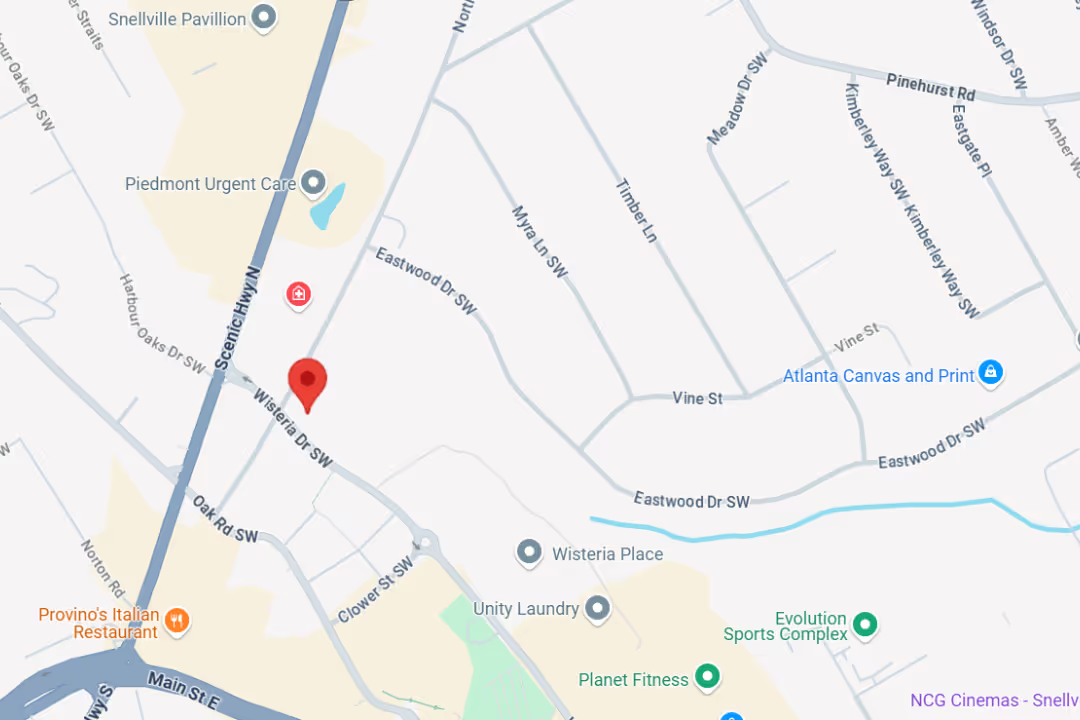
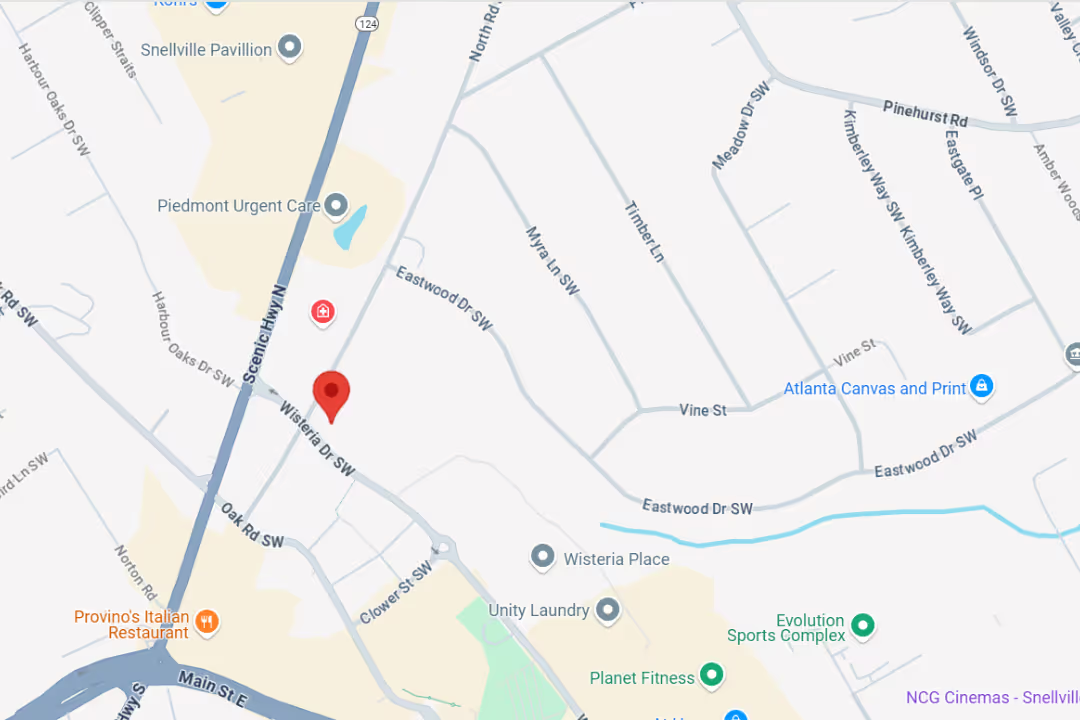
2220 Wisteria Dr, Unit 100
Snellville, GA 30078
(470) 795-8398
📍 Clinics
Kennesaw:
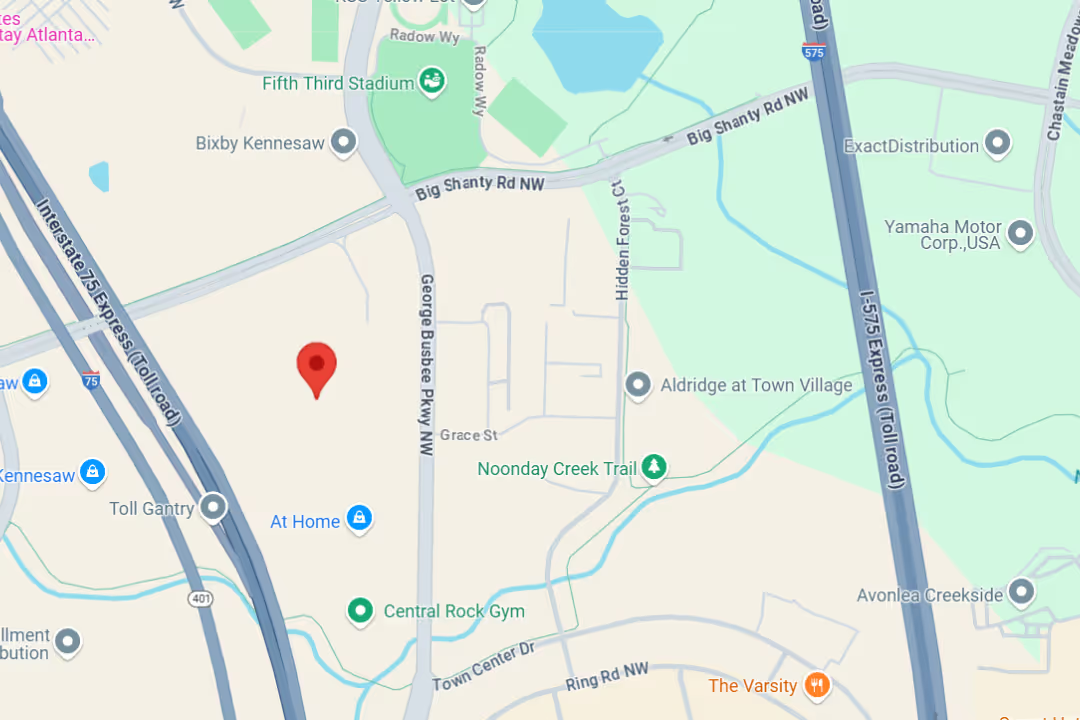
2911 George Busbee Pkwy, Suite 50
Kennesaw, GA 30144
(770) 545-6404
Snellville:
2220 Wisteria Dr, Unit 101
Snellville, GA 30078
(470) 645-9297
Buckhead PM&R:
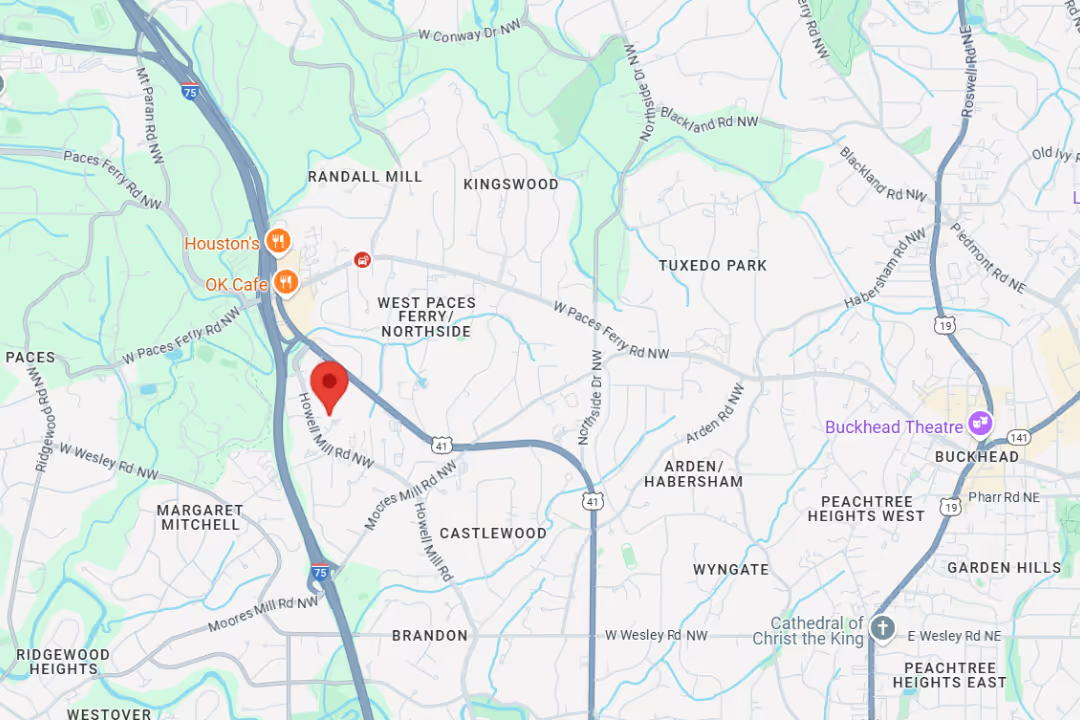
3200 Downwood Circle NW, Suite 520
Atlanta, GA 30327
(770) 872-7549
📞 Main Contact: +1-844-328-4624
🌐 Website: https://www.mediciortho.com/
At Medici, you’re more than your MRI.
We take time to hear your story, understand your pain, and create a plan that actually works for you.

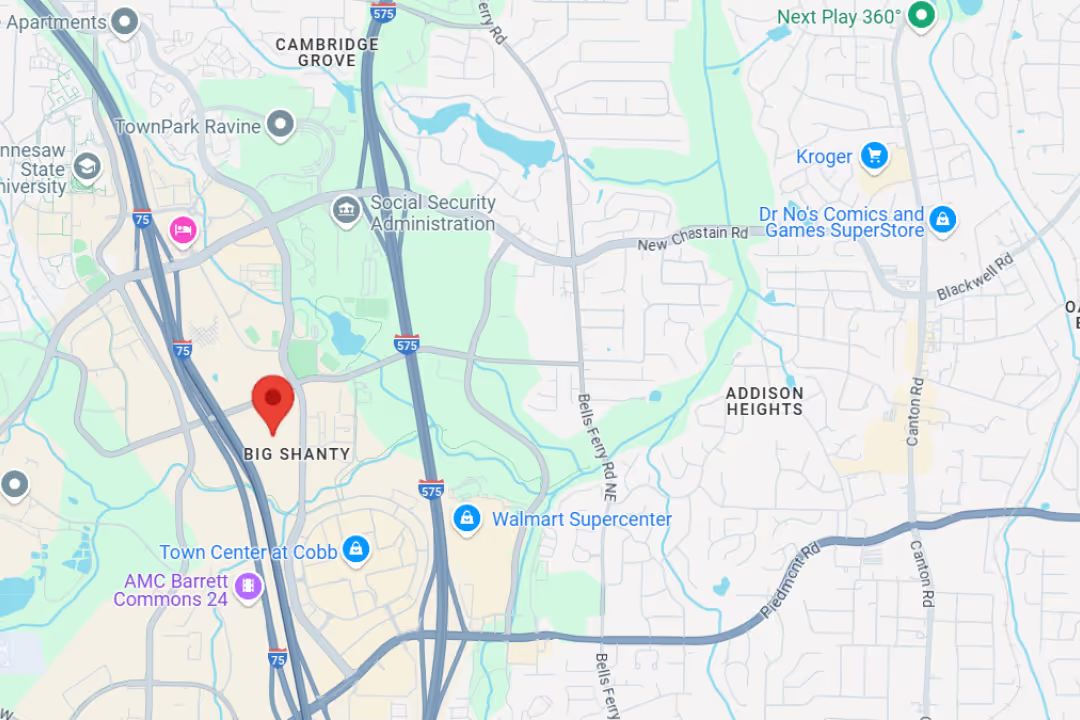
Our team delivers specialist care at convenient locations across Metro Atlanta:
Get expert tips on injury recovery, pain relief, joint health, and movement strategies—straight from our Fellowship-Trained team.