Post-surgical pain is a real and expected part of the healing process—but how that pain is managed can significantly impact recovery, safety, and long-term quality of life. Effective pain control helps patients move sooner, participate in physical therapy, sleep better, and heal more completely. When pain is poorly managed, recovery can slow, complications can increase, and outcomes may suffer.
Concerns surrounding opioid use—including dependency, unwanted side effects, and the potential for long-term reliance—have led both patients and medical professionals to seek safer, evidence-based alternatives. Today, modern pain management focuses on controlling discomfort while supporting the body’s natural healing process, rather than masking pain at any cost.
At Medici Orthopaedics & Spine, pain relief is approached differently. Our philosophy centers on restoring quality of life using the least invasive, least drug-dependent methods medically available. By combining advanced diagnostics, interventional techniques, and personalized care plans, Medici helps patients recover comfortably while minimizing unnecessary exposure to opioids.
Nonsteroidal anti-inflammatory drugs (NSAIDs) and acetaminophen are commonly used as first-line pain control options after surgery. NSAIDs work by reducing inflammation—the body’s natural response to surgical trauma—while acetaminophen helps block pain signals in the brain. When used together in carefully selected patients, they can provide meaningful pain relief without sedation or dependency.
The primary benefit of NSAIDs and acetaminophen is their effectiveness in managing mild to moderate pain while allowing patients to remain alert and mobile. However, they are not appropriate for everyone. Certain medical conditions, kidney issues, gastrointestinal concerns, or bleeding risks may limit their use. This is why individualized evaluation is essential.
After orthopedic or spine surgery, muscle spasms can significantly contribute to pain. In select cases, short-term muscle relaxants may be prescribed to ease spasms, improve comfort, and support mobility. These medications are used cautiously and typically as part of a broader pain management strategy.
Some post-surgical pain is nerve-related rather than inflammatory or muscular. Neuropathic pain medications help calm irritated or damaged nerves and are particularly helpful after spine procedures or surgeries involving nerve structures. These medications target pain at its source rather than masking symptoms.
Interventional treatments focus on delivering relief directly to the source of pain. These procedures are often performed on an outpatient basis and can significantly reduce inflammation and nerve irritation.
Nerve blocks temporarily interrupt pain signals traveling to the brain. They are especially effective immediately after surgery or during early recovery, helping patients move and heal more comfortably.
Epidural injections reduce inflammation around spinal nerves, making them particularly useful after spine surgery or procedures involving nerve compression.
For patients recovering from joint surgery, targeted joint injections can ease swelling, reduce pain, and improve range of motion during rehabilitation.
Because these treatments act directly at the pain source, they often provide faster relief with fewer side effects. Patients can experience improved mobility, better sleep, and greater participation in physical therapy.
Unlike opioids, interventional treatments do not affect the entire nervous system. This means less sedation, fewer gastrointestinal issues, and no risk of dependency.
Medici Orthopaedics & Spine uses advanced image-guided technology to ensure accuracy, safety, and optimal outcomes. Precision matters—especially when nerves and joints are involved—and this approach allows for maximum relief with minimal disruption to surrounding tissue.
Early movement, when guided by trained professionals, helps prevent stiffness, improve circulation, and reduce inflammation. Delaying movement can actually increase pain and prolong recovery.
Physical therapy promotes the release of the body’s natural pain-relieving chemicals while improving joint mechanics and muscle balance. Over time, this reduces stress on healing tissues and decreases pain signals.
Targeted exercises rebuild strength, restore flexibility, and enhance blood flow—three critical components of successful post-surgical healing. As function improves, pain often diminishes naturally.
Without proper rehabilitation, scar tissue and stiffness can limit mobility and lead to long-term discomfort. Physical therapy helps guide healing in the right direction, reducing the risk of re-injury or chronic pain.
At Medici, physical therapy is not isolated from medical care. Surgeons, pain specialists, and therapists work together to ensure that every aspect of recovery is aligned—resulting in safer pain control, faster healing, and better long-term results.
Regenerative medicine focuses on stimulating the body’s natural ability to heal damaged tissue. Rather than simply blocking pain signals, these therapies aim to strengthen ligaments, tendons, and joints that may remain vulnerable after surgery. When healing is optimized, pain often improves as a natural result.
Prolotherapy is one regenerative technique used to encourage tissue repair by stimulating a localized healing response. In certain cases, biologic therapies may help stabilize joints, support soft tissue recovery, and reduce lingering pain following surgery. These treatments are always considered on an individual basis and integrated into a broader recovery plan.
Unlike opioids, regenerative therapies do not mask pain. Instead, they address underlying weaknesses or incomplete healing that may be contributing to post-surgical discomfort. This approach aligns with Medici’s philosophy of treating the root cause rather than relying on long-term medication.
Regenerative treatments are not a replacement for surgery when surgery is necessary—but they may complement surgical outcomes by enhancing recovery, improving joint stability, and reducing the likelihood of chronic pain. At Medici Orthopaedics & Spine, these options are carefully evaluated and used when clinically appropriate.
Spinal cord stimulation may be considered for patients who experience persistent pain after surgery despite conservative treatments. This therapy works by modifying pain signals before they reach the brain, helping reduce discomfort without medication. Careful screening ensures that only appropriate candidates move forward with this option.
Hyperbaric oxygen therapy involves breathing concentrated oxygen in a controlled environment, which increases oxygen delivery to healing tissues.
Enhanced oxygen levels can help calm inflammation, which is a major contributor to post-surgical pain and delayed healing.
Improved oxygenation supports cellular repair, collagen formation, and circulation—key components of successful recovery after surgery.
Soft tissue therapies such as myofascial release and sports massage can relieve muscle tension, improve circulation, and reduce compensatory pain patterns that often develop during recovery. These hands-on treatments support mobility and comfort without drugs.
By combining medical expertise with advanced technology, Medici Orthopaedics & Spine helps patients heal more efficiently. These therapies work synergistically with physical therapy and interventional care to reduce pain, restore movement, and shorten recovery timelines.
Individuals healing from joint replacement, spine procedures, or other orthopedic surgeries often benefit from multimodal, non-opioid pain strategies that promote mobility and tissue healing.
Patients who have experienced side effects from opioids—or who are concerned about dependency—are excellent candidates for alternative pain relief approaches.
For older adults or those managing multiple health conditions, minimizing medication-related risks is critical. Non-opioid strategies can provide effective relief while reducing potential complications.
Patients who want to return to daily activities sooner, avoid mental fog, and participate fully in rehabilitation often find that opioid alternatives better support their recovery goals.
Recovering from surgery does not have to mean relying on opioid medications. Today, patients have access to effective, evidence-based pain relief options that support healing while minimizing the risks of dependency, side effects, and delayed recovery. With the right approach, pain can be managed safely—without compromising clarity, mobility, or long-term health.
At Medici Orthopaedics & Spine, post-surgical pain management is never one-size-fits-all. Every patient is treated with compassion, careful listening, and a personalized plan designed around their surgery, medical history, and recovery goals. By combining advanced diagnostics, non-opioid medications, interventional treatments, physical therapy, and innovative technologies, Medici helps patients heal comfortably while restoring function and quality of life.
If you or a loved one is preparing for surgery—or struggling with pain after a procedure—you deserve options that prioritize your safety and long-term well-being. Exploring alternatives to opioids with experienced, trusted specialists can make a meaningful difference in how you recover and how you feel moving forward.
Main Appointment Line: 1-844-328-4624
Website: https://www.mediciortho.com/
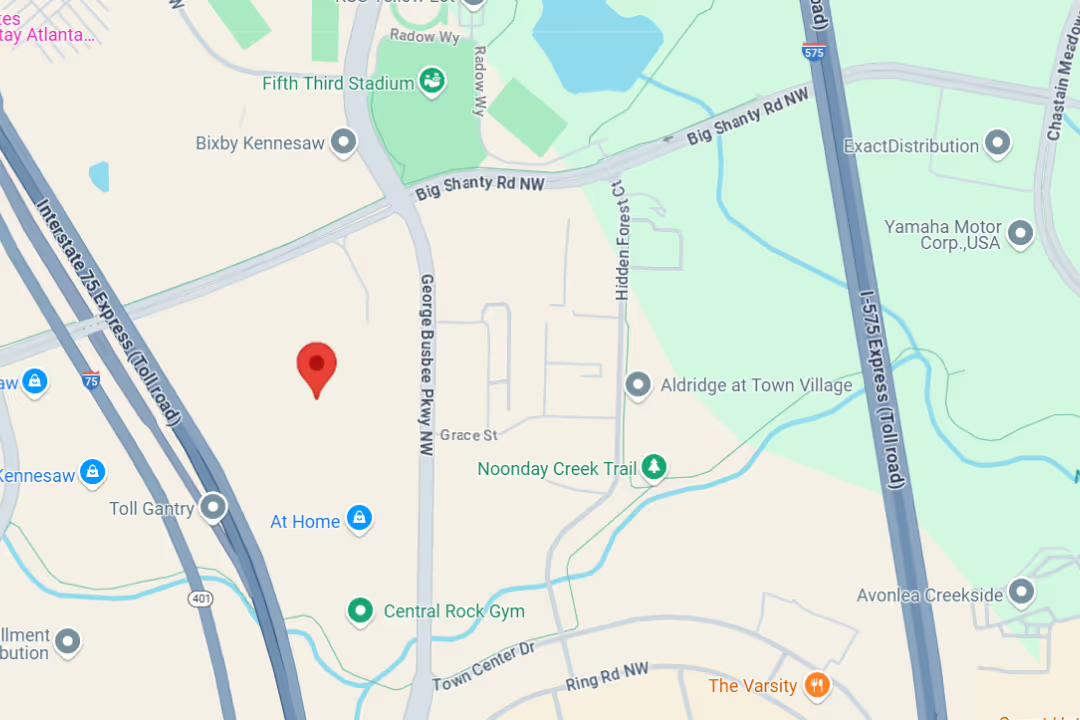
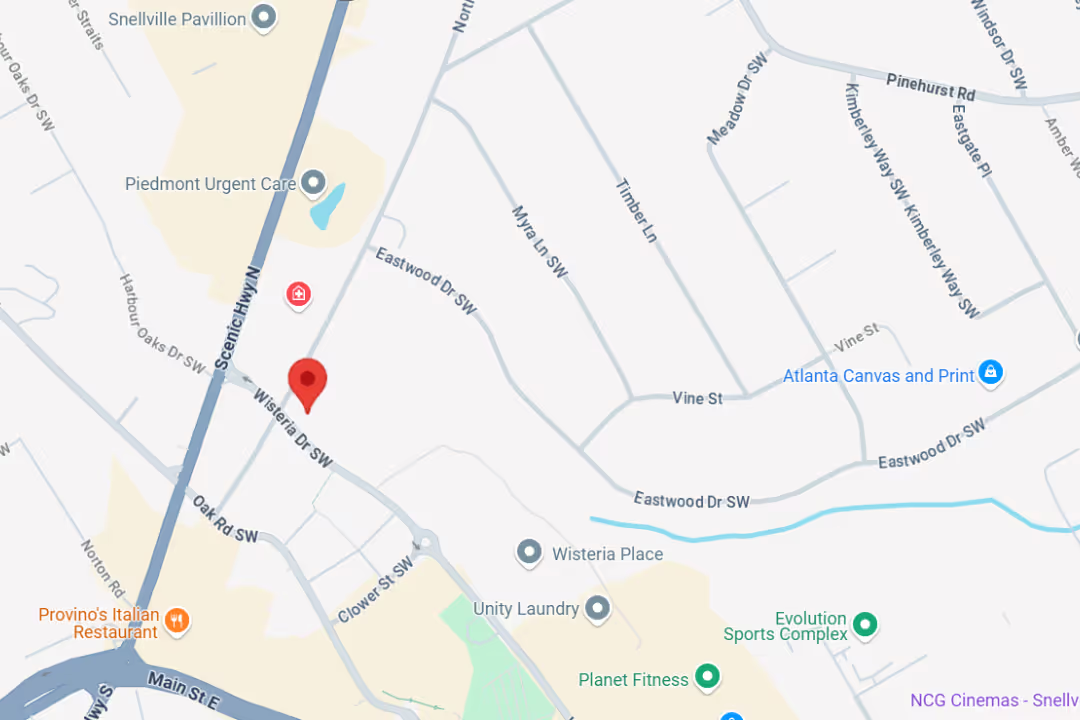
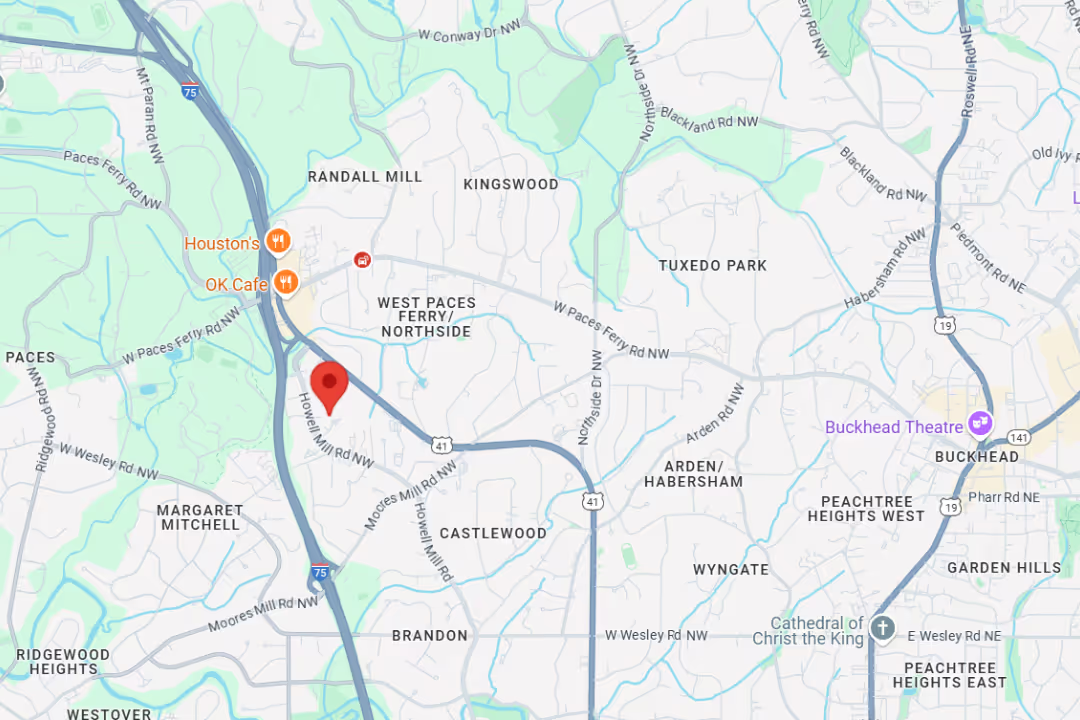
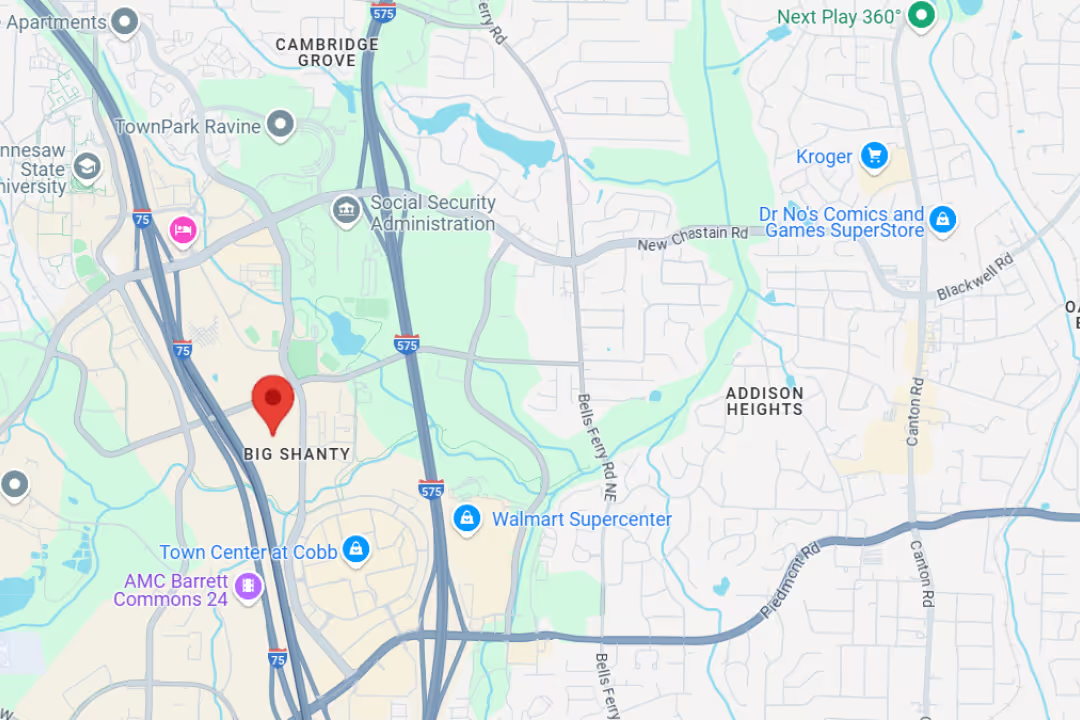
Clinic Locations Serving Metro Atlanta:
Ambulatory Surgery Centers:
Explore our library of patient support guides covering the conditions we treat, the treatments we offer, and the questions we hear most. Each one is written to help you understand your options and feel confident about your next step. Browse the topics below to learn more, or reach out to our team anytime.

At Medici, you’re more than your MRI.
We take time to hear your story, understand your pain, and create a plan that actually works for you.

Our team delivers specialist care at convenient locations across Metro Atlanta:
Get expert tips on injury recovery, pain relief, joint health, and movement strategies—straight from our Fellowship-Trained team.