If you’ve already been through back surgery and you’re still living with daily pain, it can feel defeating—especially if you were told the procedure would “take care of it.” Many people describe a mix of frustration, worry, and plain exhaustion: you did the hard thing, you did the rehab, and yet the burning, aching, or shooting pain is still there. At Medici Orthopaedics & Spine, we see this every day, and we want you to know something important: persistent pain after back surgery is more common than most people realize, and it doesn’t mean you’re out of options.
One minimally invasive option we often discuss for the right patient is spinal cord stimulation (SCS)—sometimes called a spinal stimulator. It’s designed to help certain patterns of chronic back and/or leg pain, particularly pain that behaves like nerve pain. SCS isn’t a “one-size-fits-all” fix, and it’s not something we rush into. The best outcomes come from a careful evaluation that identifies why pain is continuing and whether your symptoms match the kind of pain SCS can help. The goal is practical and patient-centered: better function, better sleep, better ability to move—often with less reliance on medications when possible.
A Spinal Cord Stimulator (SCS) is an implanted system that delivers gentle electrical impulses near the spinal cord region to help reduce pain signaling before those signals reach the brain. Many patients describe it in simple terms: it helps “turn down the volume” on chronic pain.
An SCS system has three main parts:
Pain signals travel through nerves and up the spinal cord to the brain, where they’re perceived as pain. Spinal cord stimulation doesn’t erase the underlying history of injury or surgery, but it can change how pain signals are processed, making them less intense and less disruptive. For many people, that can translate into more comfortable movement, better sleep, and improved ability to do everyday activities.
SCS tends to work best when symptoms look and feel like nerve pain, such as:
SCS usually enters the conversation after a patient has made a solid effort with non-surgical options, such as:
If imaging and exam findings don’t show a clear mechanical problem that surgery is likely to correct—or if the risks of another operation outweigh the potential upside—SCS may be an appropriate next step to address the pain signaling component.
A simple way to think about candidacy is: How much is pain shrinking your life? SCS is commonly considered when pain consistently affects:
Many patients describe improvement in terms like “50% better” or “enough relief to function again.” That matters because a reduction that sounds “incomplete” on paper can be life-changing in real life—especially if it means you can move, sleep, and think more clearly.
Chronic pain often steals sleep, and poor sleep then amplifies pain—creating a frustrating cycle. When SCS helps calm pain signaling, patients often report:
One of the biggest wins is when pain relief makes it possible to re-engage in physical therapy, strengthening, and conditioning. In many cases, SCS isn’t the only tool—it’s the tool that helps you do the work that rebuilds resilience.
Not everyone can reduce medications, and we never promise that. But when nerve pain is better controlled, some patients find they can:
During a trial, temporary leads are placed (thin wires that deliver stimulation), and you use the system for several days as you go about daily activities. This is not “imagining” whether it helps—you’re actively testing it.
Success is not just a lower pain number on a chart. In our experience, the best success markers are functional:
To make the decision clear and measurable, patients typically track:
After the trial, we review the results together. The decision is made through shared decision-making, based on:
Before implantation, the team will typically review and coordinate:
While the exact approach varies, implantation generally includes:
Most patients have early activity restrictions to reduce the risk of lead movement while the area heals. Common guidance includes limiting:
After implantation, follow-up is a normal part of success:
If you’re still in pain after back surgery, it’s easy to feel like you’ve run out of roads to take. But persistent pain doesn’t mean you’re out of options—and it definitely doesn’t mean you’ve done anything “wrong.” It often means your body is still dealing with a specific pain generator (especially nerve-related pain) that needs a different approach than another operation or another round of the same treatments.
For the right patient, spinal cord stimulation (SCS) can be a proven next step—particularly when symptoms look like neuropathic or radicular pain (burning, shooting, electric pain down the leg) and when a careful evaluation supports that the nervous system is a major driver of ongoing symptoms. The biggest advantage is that it isn’t guesswork: a trial period helps predict whether you’re likely to benefit before committing to a permanent implant.
At Medici Orthopaedics & Spine, our focus is always the same: identify what’s actually driving your pain, then build an individualized plan that aims to restore function and quality of life with the least invasive, least drug-dependent strategy medically appropriate for you.
Main Contact: +1-844-328-4624
Website: https://www.mediciortho.com/
Explore our library of patient support guides covering the conditions we treat, the treatments we offer, and the questions we hear most. Each one is written to help you understand your options and feel confident about your next step. Browse the topics below to learn more, or reach out to our team anytime.

At Medici, you’re more than your MRI.
We take time to hear your story, understand your pain, and create a plan that actually works for you.

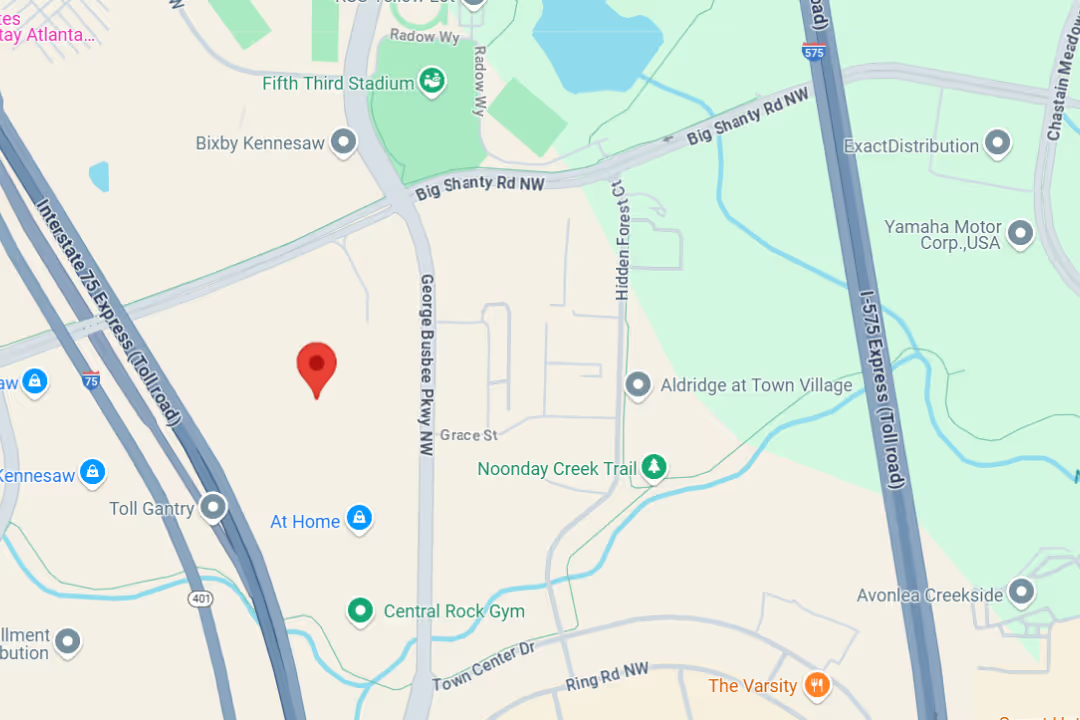
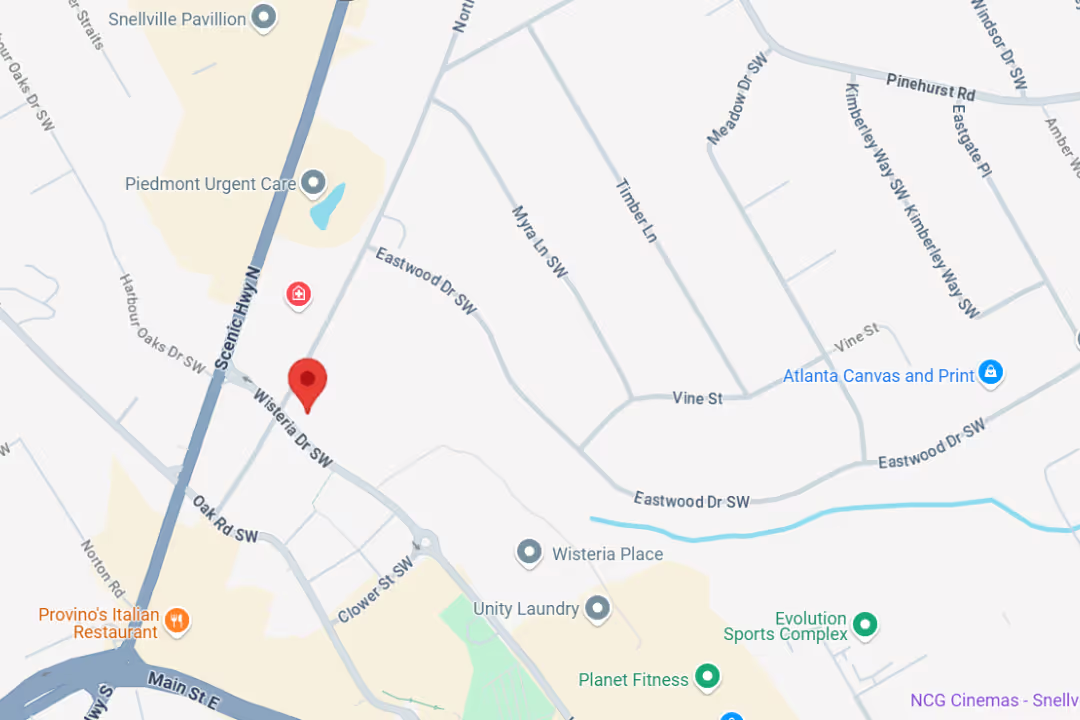
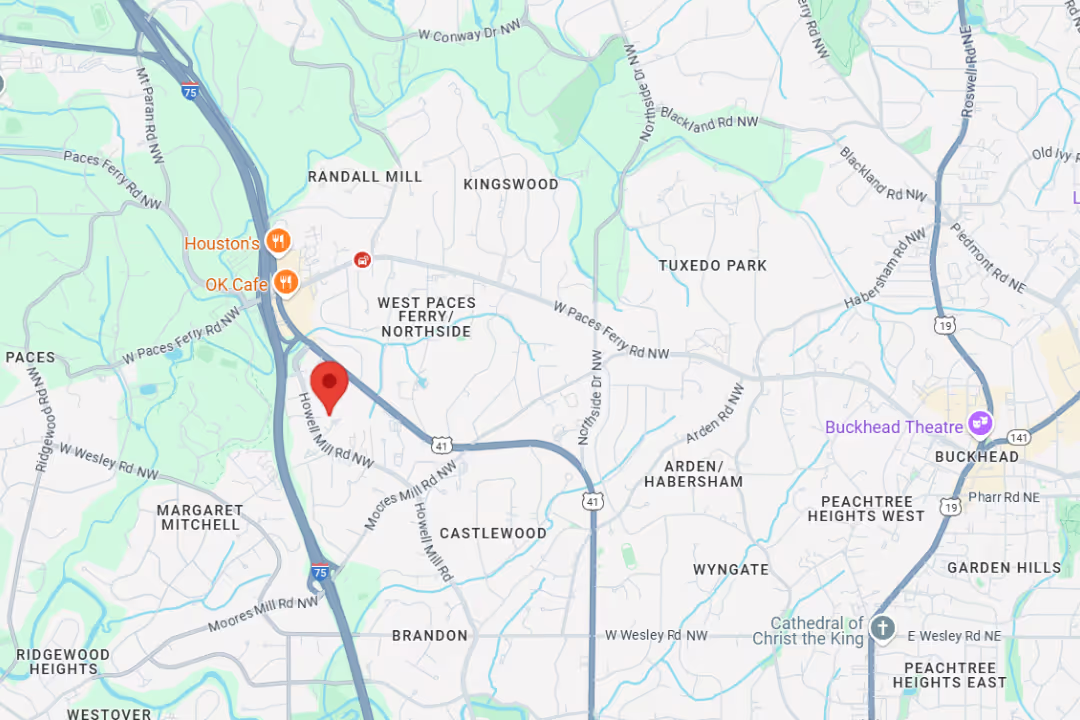
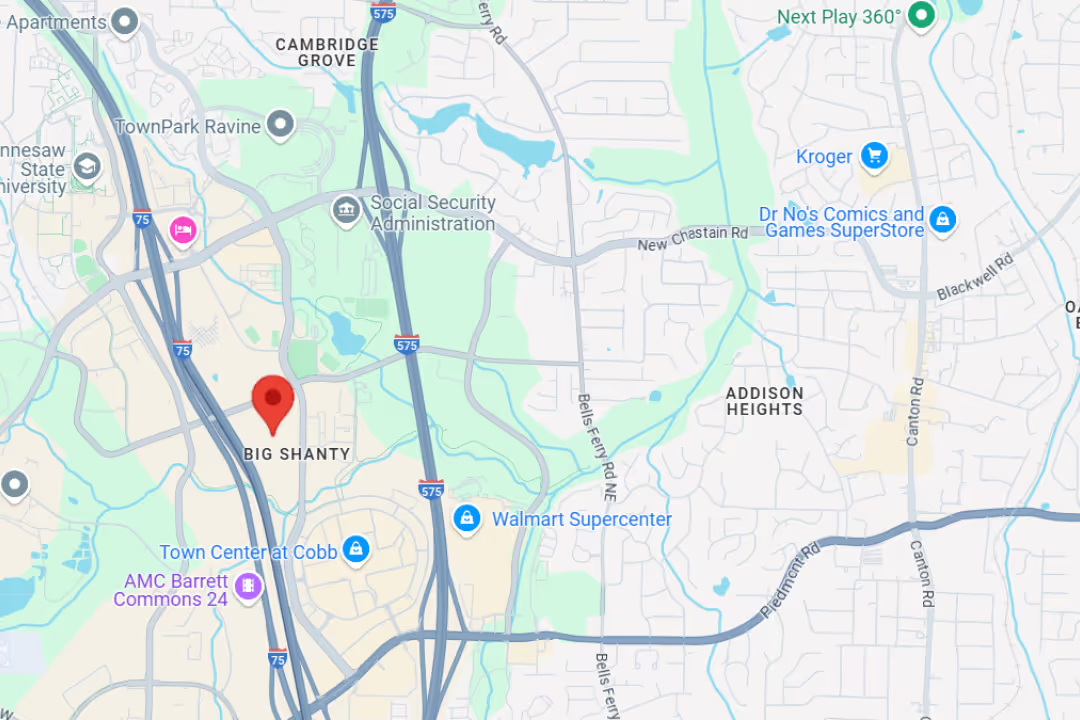
Our team delivers specialist care at convenient locations across Metro Atlanta:
Get expert tips on injury recovery, pain relief, joint health, and movement strategies—straight from our Fellowship-Trained team.