Chronic nerve pain can affect every part of daily life—mobility, sleep, work, concentration, and emotional well-being. For many people in Georgia, nerve pain becomes a constant companion, often caused by conditions like sciatica, neuropathy, post-surgical complications, or long-term spine issues. Living with this type of pain can be exhausting and isolating, especially when traditional treatments fail to bring lasting relief.
Medications can help to a point, but they often come with side effects, limited benefits, or long-term dependency concerns. Injections may provide temporary relief but don’t always address the underlying nerve dysfunction. That’s where neuromodulation—a modern, minimally invasive solution—steps in.
Nerve pain stimulators offer a way to interrupt pain signals at the source, helping patients regain mobility, reduce reliance on medication, and restore comfort. These advanced technologies fit perfectly within Medici Orthopaedics & Spine’s mission: providing the least invasive, least drug-dependent treatments available today.
Georgia patients trust Medici because our team combines clinical expertise with genuine compassion. We use the latest neuromodulation systems, precise diagnostic tools, and a personalized approach to help patients break free from chronic nerve pain and reclaim their quality of life.
A nerve pain stimulator—also known as a spinal cord stimulator, peripheral nerve stimulator, or DRG stimulator—is a small device that uses gentle electrical impulses to block or modify pain signals before they reach the brain. Instead of feeling sharp or constant nerve pain, patients experience significantly reduced discomfort or, in some cases, no pain at all.
These systems involve two key parts:
The device is programmed and adjusted based on your needs, giving you control over your own pain management.
There are two types of systems:
Nerve pain stimulators are FDA-approved, safe, reversible, and widely used across the country for patients with chronic nerve-related pain. They allow you to test the therapy before committing, ensuring confidence and clarity about your treatment plan.
Nerve pain isn’t “one-size-fits-all,” and neither are the treatment options. Medici Orthopaedics & Spine offers several advanced stimulator technologies, each designed to target specific pain patterns and deliver personalized relief. Your Medici provider will help determine the best option for your condition, lifestyle, and long-term goals.
Spinal cord stimulation works by delivering gentle electrical impulses to the spinal cord, interrupting pain signals before they reach the brain. Instead of sharp, radiating, or burning nerve pain, patients often feel calmer, more comfortable sensations—or no pain at all.
SCS is ideal for:
Programming modes include:
This versatility makes SCS one of the most widely used neuromodulation technologies.
DRG stimulation targets a specific nerve cluster called the dorsal root ganglion—the “gateway” where pain signals enter the spinal cord. Because each DRG is linked to a particular area of the body, this therapy offers extremely precise, pinpoint pain control.
DRG stimulation is especially effective for:
Patients who haven’t found relief with traditional SCS often respond well to DRG technology.
Peripheral nerve stimulation places small electrodes near a specific peripheral nerve—away from the spinal cord. It is one of the least invasive neuromodulation treatments and can be used as a temporary or long-term solution.
PNS is ideal for localized pain in:
Because it’s gentle and focused, PNS is often used early in a patient’s treatment journey before moving to more comprehensive implanted systems.
High-frequency devices deliver pain relief without the tingling or vibration sensation that some patients experience with traditional stimulators. This paresthesia-free approach provides smooth, quiet pain control that many find more comfortable.
Best for patients who:
Burst stimulation sends electrical impulses in patterns that mimic the body’s natural nerve signaling. This approach not only reduces physical pain but may also help with the emotional stress that accompanies chronic nerve pain.
Benefits include:
Burst technology can be used within both SCS and DRG systems.
Depending on lifestyle and preferences, patients can choose between different battery types:
Rechargeable Systems
Non-Rechargeable Systems
Your Medici provider will help determine the best system based on your condition, comfort, and lifestyle.
One of the most reassuring advantages of nerve pain stimulation therapy is that you can test it first before committing to a permanent implant. Medici Orthopaedics & Spine follows a careful, supportive approach to ensure each patient feels confident and informed.
During the trial phase, small temporary leads are placed near the affected nerves or spinal cord. These leads are connected to an external stimulator that lets you feel how the therapy works in real time.
Over the next several days, patients go about their daily routines while tracking:
This gives a clear picture of how well neuromodulation suits your condition.
Only patients who experience significant, meaningful relief—typically 50% pain reduction or better—are recommended for permanent implantation.
Because you get to “try before you buy,” the trial phase offers peace of mind. Patients move forward knowing the therapy works for them.
If the trial is successful, the next step is a minimally invasive outpatient procedure to place the permanent stimulator. Medici’s experienced specialists ensure a smooth, comfortable experience.
The procedure is typically completed in under an hour and involves tiny incisions designed to reduce recovery time.
Patients remain relaxed and comfortable throughout the process. Most do not require general anesthesia.
Most patients go home the same day and resume light activities within 24 hours. Full recovery is typically very quick, and patients often feel the benefit of stimulation almost immediately once the device is activated.
Chronic nerve pain doesn’t have to control your life. With today’s advanced nerve stimulator technology, many patients experience powerful, long-lasting relief—often after years of struggling with medications, injections, or treatments that no longer work. At Medici Orthopaedics & Spine, we combine clinical expertise, genuine compassion, and minimally invasive techniques to help you restore comfort, movement, and confidence.
If you’re ready to explore whether a nerve pain stimulator may be the right solution for your condition, our team will guide you through every step of the process. From evaluation to trial to personalized device programming, we’re here to support you with clarity, honesty, and the highest level of care.
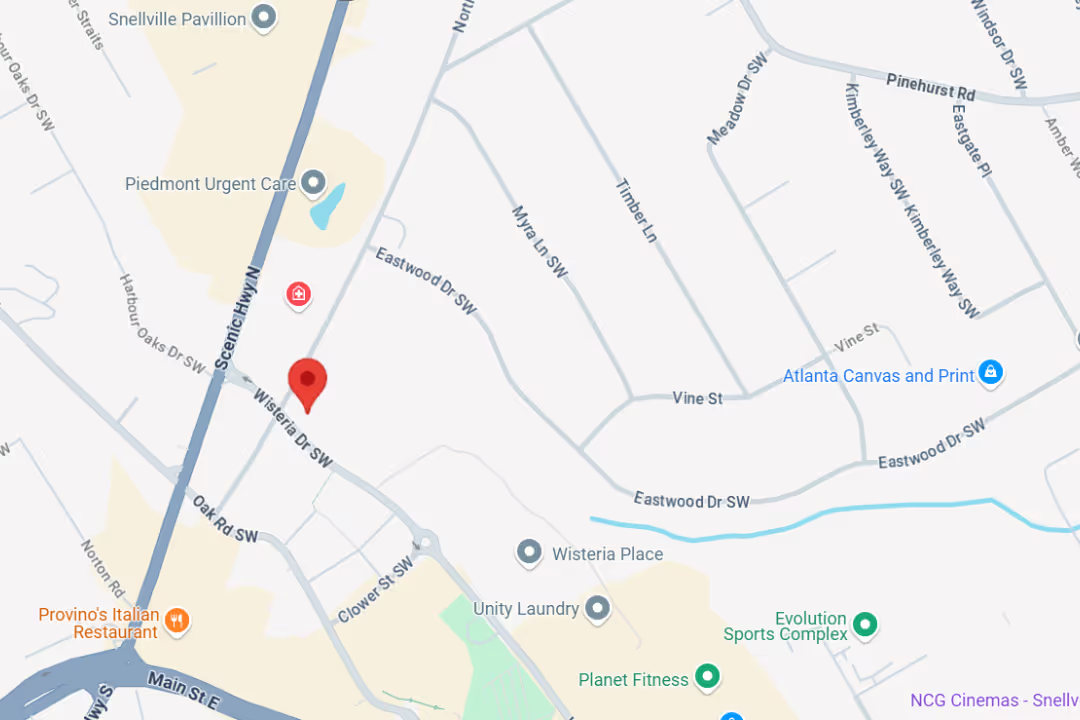
📍 Snellville Clinic
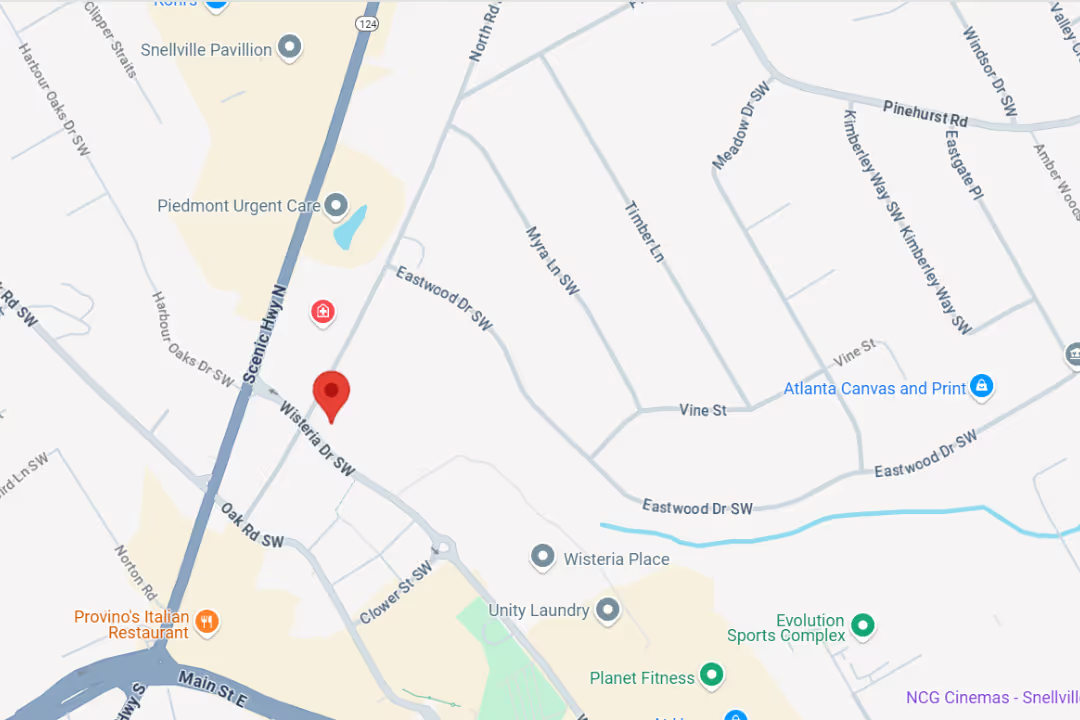
2220 Wisteria Drive, Unit 101
Snellville, GA 30078
📞 (470) 645-9297
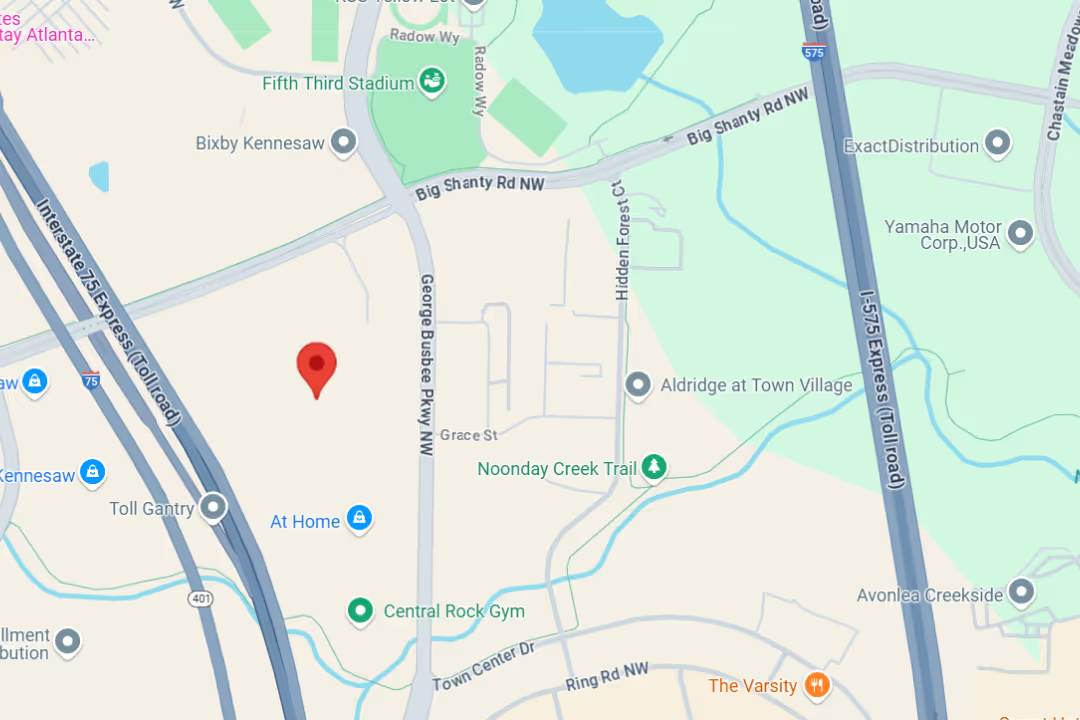
📍 Kennesaw Clinic
2911 George Busbee Parkway, Suite 50
Kennesaw, GA 30144
📞 (770) 545-6404
📞 Main Line: 1-844-328-4624 🌐 https://www.mediciortho.com
Explore our library of patient support guides covering the conditions we treat, the treatments we offer, and the questions we hear most. Each one is written to help you understand your options and feel confident about your next step. Browse the topics below to learn more, or reach out to our team anytime.

At Medici, you’re more than your MRI.
We take time to hear your story, understand your pain, and create a plan that actually works for you.

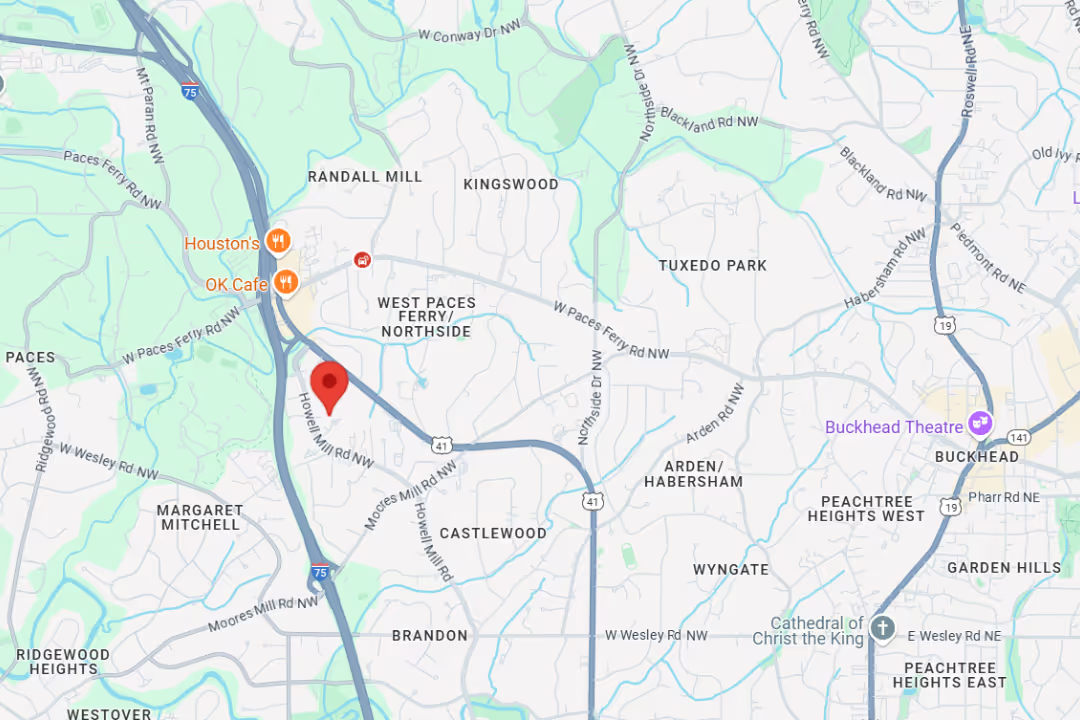
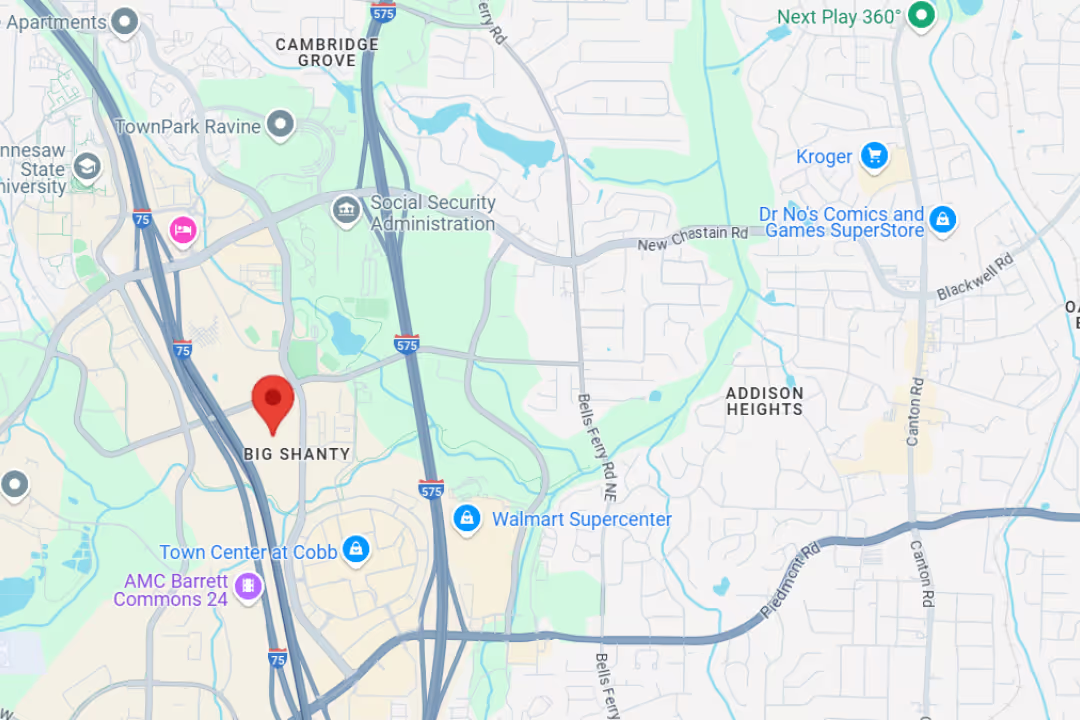
Our team delivers specialist care at convenient locations across Metro Atlanta:
Get expert tips on injury recovery, pain relief, joint health, and movement strategies—straight from our Fellowship-Trained team.