Living with chronic back or nerve pain can change everything—how you move, how you sleep, how you work, and even how you show up for the people you love. Many patients describe feeling like pain has slowly taken over their lives, limiting not just physical ability, but confidence and joy.
For individuals who have tried medications, physical therapy, injections, and other treatments without lasting relief, a spinal cord stimulator (SCS) can be a powerful next step. An SCS helps interrupt pain signals before they reach the brain, giving patients the chance to reclaim comfort, mobility, and quality of life—without relying heavily on pain medications.
At Medici Orthopaedics & Spine, we’re committed to providing the least invasive, most effective pain management solutions. Our team in Snellville focuses on long-term relief, personalized care, and helping you get back to doing what you love—comfortably and safely.
Understanding Spinal Cord Stimulator Surgery
Purpose of the Procedure
A spinal cord stimulator is designed to:
- Interrupt pain signals before they reach the brain, reducing or even replacing the sensation of pain.
- Reduce reliance on pain medications, especially opioids.
- Improve daily function, making it easier to walk, sleep, bend, and engage in daily activity with less discomfort.
The Two-Stage Approach
Spinal cord stimulation is unique because you get to try it before committing to it.
- The Trial Phase
Temporary leads are placed near the spinal cord, and an external device provides stimulation.
- Lasts about a week
- Helps determine if pain relief is significant
- Noncommittal—easily removed if not effective
- The Permanent Implantation
If the trial is successful, patients move forward with the permanent device:
- Leads are secured
- A small battery is implanted under the skin
- The system is fully internal and programmable
Who Is a Candidate?
Spinal cord stimulation is often recommended for patients with:
- Chronic back or nerve pain that hasn’t improved with conservative care
- Failed back surgery syndrome
- Neuropathy or nerve damage–related pain
- Chronic radicular pain, such as sciatica that persists despite treatment
The First 24–72 Hours
Expected Soreness and Incision Discomfort
It’s normal to feel:
- Mild to moderate soreness near the incision
- Tightness or pulling around the lead placement
- General fatigue
These sensations are part of typical healing and usually improve steadily over the first week.
Your Medici provider may recommend:
- Ice packs (avoiding direct contact with incisions)
- Gentle walking
- Over-the-counter or prescribed pain relievers
Limited Movement Instructions
Protecting the leads is extremely important during the early healing phase. For the first few weeks, avoid:
- Bending at the waist
- Twisting the torso
- Lifting arms overhead
- Lifting heavy objects
Bandage and Incision Care
To protect your incision:
- Keep the area clean, dry, and covered as instructed.
- Avoid bathing, hot tubs, or soaking the incision until cleared.
- Monitor for signs of infection, including redness, drainage, or fever.
When You Can Go Home
Most patients:
- Are discharged the same day
- Need someone to drive them home
- Are encouraged to rest comfortably but walk short distances
The First Two Weeks
Activity Guidelines
Gentle walking is encouraged.
Short walks throughout the day help:
- Improve circulation
- Reduce stiffness
- Support overall healing
Avoid strenuous activity.
For now, skip anything that involves:
- Lifting
- Bending
- Twisting
- High-impact movements
Pain Relief Timeline
Many patients begin to notice early improvements in nerve-related pain within the first week, though experiences vary.
It’s also normal to have fluctuations during this period. Soreness around the incisions may temporarily overshadow the relief from nerve pain—but this improves steadily as healing progresses.
Sleeping Positions
To minimize strain on your incisions and the stimulator leads:
- Sleep on your back with pillows supporting your knees.
- If you prefer side sleeping, place a pillow between your knees to maintain alignment.
- Avoid stomach sleeping, which can pull on the lower back and incision area.
What NOT to Do
For optimal healing, avoid:
- Baths, pools, or hot tubs until cleared—moisture increases infection risk.
- Twisting or sudden movements, which could shift the leads.
Understanding How the Stimulator Works as You Heal
When You’ll Start Using the Device
Your stimulator is typically turned on a few days to a week after surgery.
During this visit:
- Your provider will adjust initial settings
- You’ll learn how to operate the controller
- You’ll begin understanding what different patterns feel like
Adjusting the Stimulation Levels
Different settings may feel like:
- Gentle tingling
- Soft pulses
- A warm or soothing sensation
- Subtle mapping of relief areas
You may need adjustments over the first few weeks as you heal and become more active.
You’ll know an adjustment is needed if:
- Your pain relief changes
- Stimulation feels too strong or too weak
- You notice sensations outside the intended area
Early Benefits You May Notice
Many patients report:
- Reduced nerve pain that once radiated down the legs
- Improved sleep, thanks to calmer nerves and less discomfort
- Increased mobility, making daily activities easier and more enjoyable
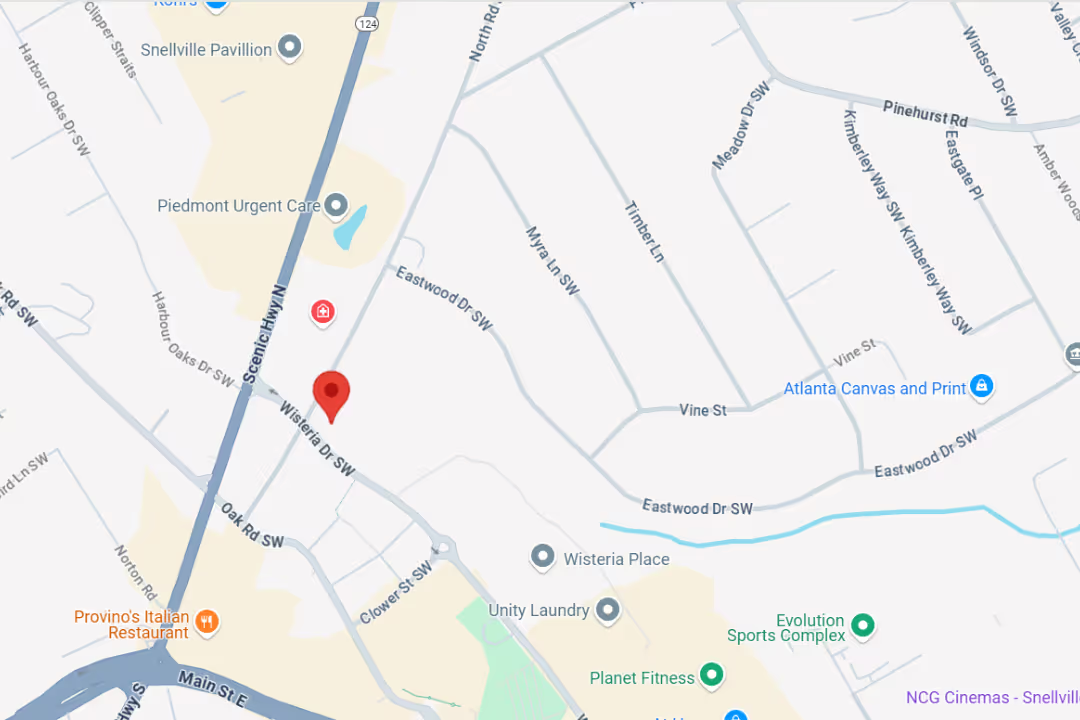
Follow-Up Appointments in Snellville
First Post-Op Visit
Your initial follow-up normally includes:
- Incision check to ensure proper healing
- Early programming adjustments to refine stimulation settings
Additional Visits to Optimize Relief
Over the next several weeks:
- Expect fine-tuning as your body adapts
- Adjustments will help maintain comfort as you resume daily activity
- Your provider ensures the stimulator is delivering consistent pain relief
When to Contact Your Care Team
Reach out immediately if you notice:
- New or worsening pain
- Unusual sensations that may suggest device malfunction
- Redness, swelling, drainage, or fever around the incision
Long-Term Recovery
Gradually Returning to Normal Activities
As healing progresses, you’ll slowly resume the activities that matter most to you:
- Exercise:
Walking, gentle stretching, and low-impact activities are usually the first to return. Over time, many patients resume more active forms of movement with guidance from their provider. - Work:
Most patients are able to return to work within a few weeks, depending on their job demands. The stimulator often makes it easier to sit, stand, and move throughout the day. - Household Tasks:
Activities like cooking, laundry, and light cleaning become more comfortable as mobility improves and pain decreases.
Improved Quality of Life
For many individuals, it’s not just the reduction in pain—it’s the improvements in everyday comfort and emotional well-being that make spinal cord stimulation so meaningful.
Patients commonly experience:
- Reduced need for pain medications, especially opioids.
- Greater participation in daily activities such as walking, driving, hobbies, and social events.
- Emotional and mental relief, including reduced frustration, better sleep, and renewed confidence.
Device Maintenance
Spinal cord stimulators are designed to be user-friendly, and maintenance is simple:
- Charging:
Many modern devices are rechargeable and require periodic charging. Your provider will teach you how to do this easily and safely. - Reprogramming:
Over time, your stimulation needs may change. Medici’s team can quickly adjust settings to keep your relief consistent. - Battery Replacement:
Non-rechargeable systems last several years before the battery needs replacement. Rechargeable options can last much longer.
Take the Next Step Toward Lasting Relief
Recovering after spinal cord stimulator surgery is more than healing from a procedure—it’s the beginning of a new chapter. For many chronic pain sufferers, even small improvements in comfort or mobility can feel life-changing.
At Medici Orthopaedics & Spine, we’re committed to guiding you through this healing process with a supportive, patient-first, minimally invasive approach. Your goals become our goals, and every step is designed to help you move, rest, and live with greater ease.
If you’re considering a spinal cord stimulator—or want to know whether you’re a good candidate—our team in Snellville is here to help you explore your options with clarity and confidence.
Contact Us Today
📞 Main Line: +1-844-328-4624
🌐 Website: https://www.mediciortho.com/
📍 Locations:
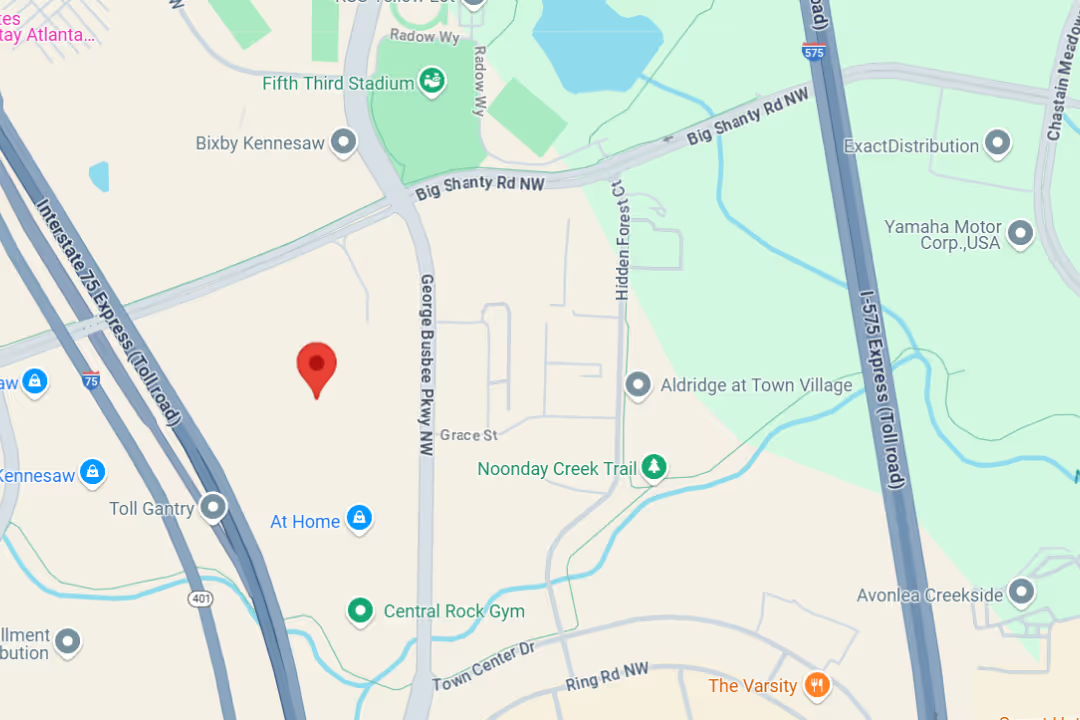
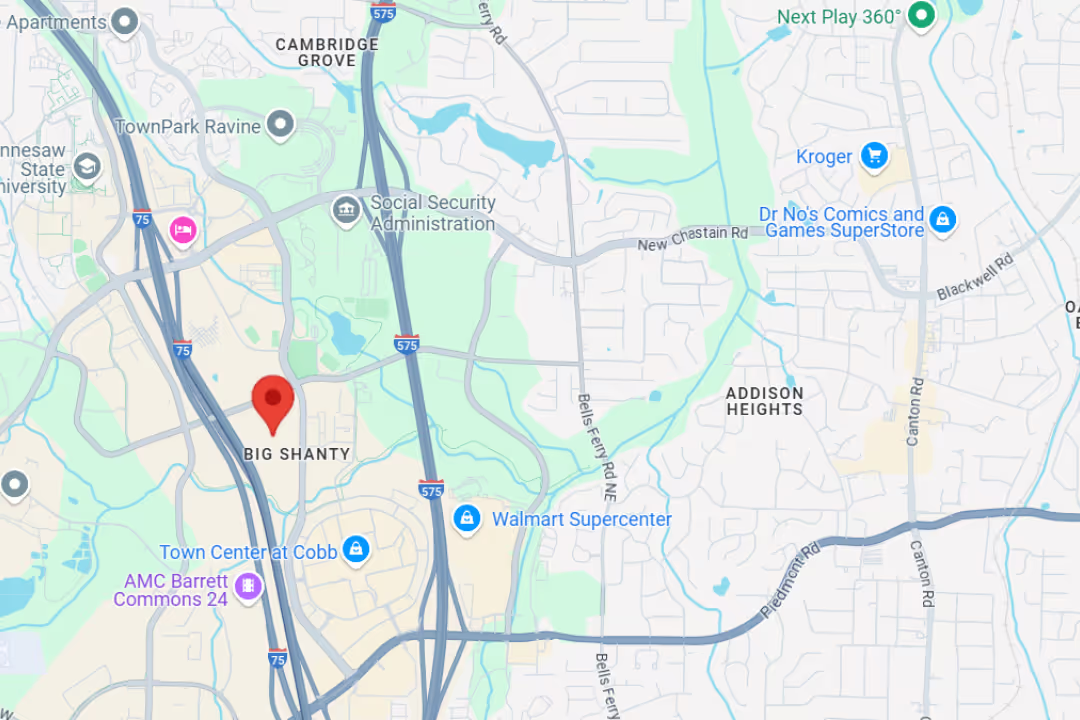
- Kennesaw Clinic
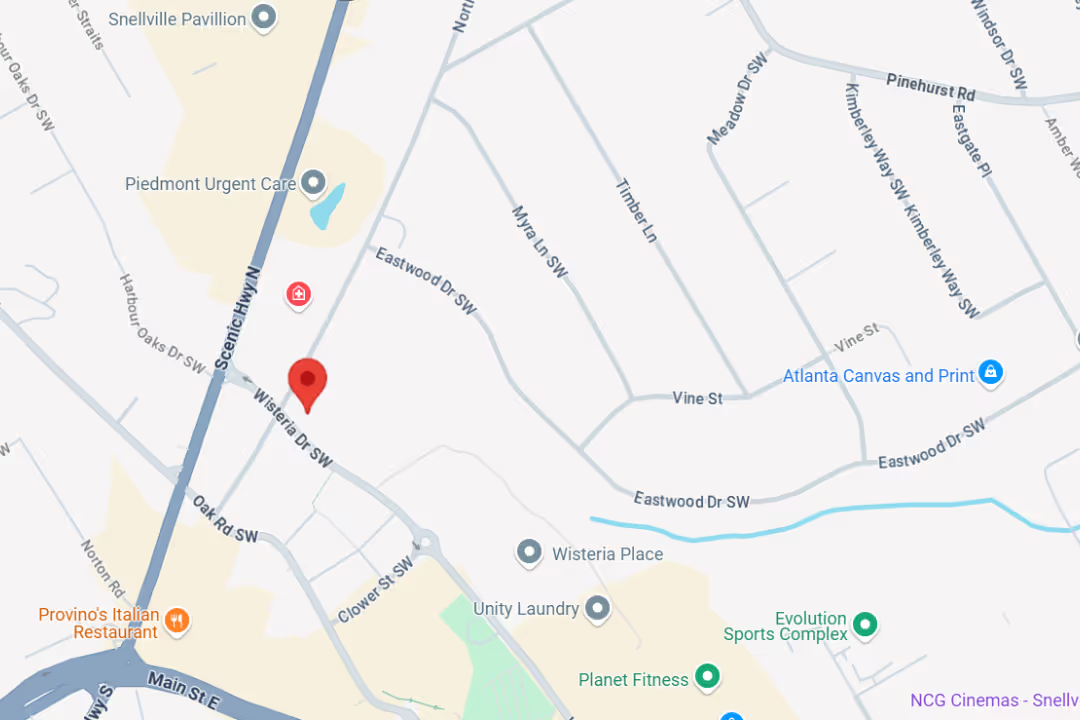
- Snellville Clinic
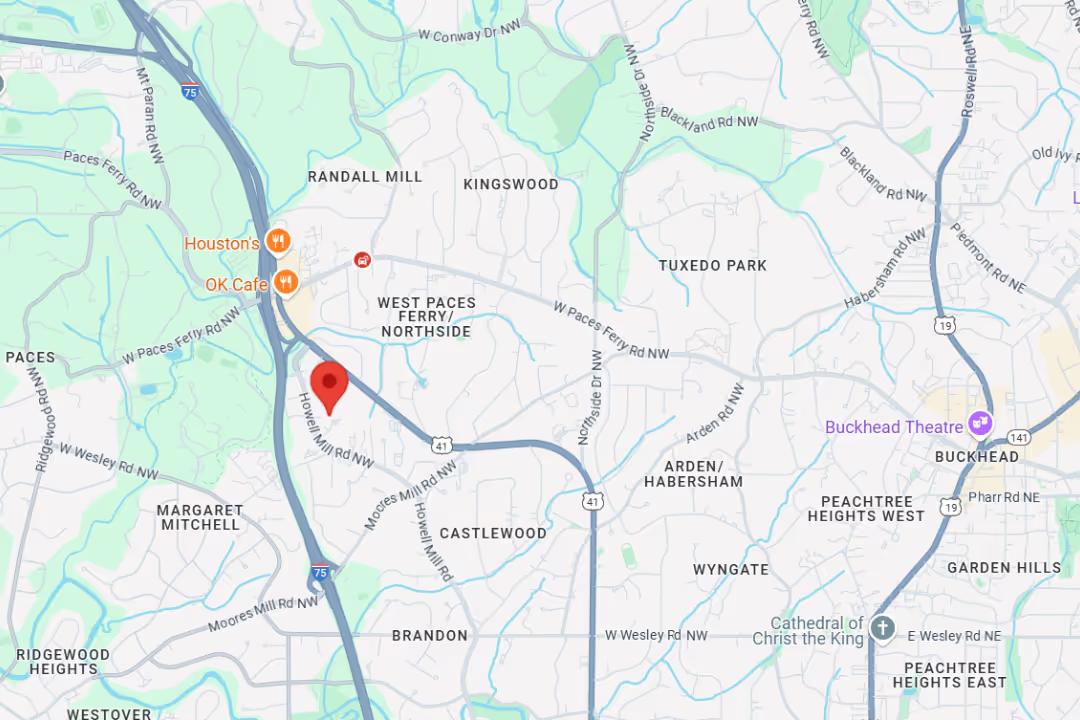
- Buckhead PM&R Clinic
- Marietta Ambulatory Surgery Center