Living with chronic pain can be exhausting—physically, emotionally, and mentally. For many people, it’s not just about discomfort; it’s about losing the ability to live life fully. Simple daily activities like walking, sleeping, or spending time with family can become a constant struggle. Chronic pain is one of the most challenging conditions to manage, especially for those who have tried multiple treatments—medications, injections, physical therapy, or even surgery—without lasting relief.
For these patients, spinal cord stimulation (SCS) represents a breakthrough in modern pain management. This innovative therapy provides new hope when other treatments have fallen short, offering a way to regain control and comfort without the dependency or risks that often come with long-term medication use.
What makes this treatment especially powerful is its balance of science and safety. It’s a non-opioid, minimally invasive solution designed for long-term pain control, giving patients a path to move forward without relying on drugs or repeat surgeries. At Medici Orthopaedics & Spine, we’ve seen firsthand how spinal cord stimulation can help chronic pain sufferers in the Atlanta area reclaim their independence and quality of life.
A spinal cord stimulator (SCS) is a small medical device, about the size of a stopwatch, that is implanted beneath the skin—usually in the lower back or abdomen. Thin wires, called leads, are carefully placed near the spinal cord. These leads deliver mild electrical pulses to the nerves responsible for transmitting pain signals.
Here’s how it works:
When pain signals travel from an injured or damaged nerve to the brain, the spinal cord stimulator intercepts those signals, replacing them with gentle electrical impulses. This process reduces the brain’s perception of pain, allowing patients to feel more comfortable and functional without heavy medication.
What’s remarkable about spinal cord stimulation is its customizability—the device can be adjusted to fit each patient’s comfort level, targeting specific pain areas as needed. Patients can control the stimulation using a small, handheld remote, making it one of the most personalized forms of pain relief available today.
Before the permanent device is implanted, patients undergo a short trial period, typically lasting five to seven days. During this time, a temporary version of the stimulator is placed to determine whether it significantly reduces pain. If the trial is successful, a permanent device can be implanted in a quick outpatient procedure. The entire process is reversible, giving patients complete control over their care.
The first and most important qualifier is chronic pain that hasn’t improved with standard therapies.
If you’ve tried pain medications, epidural injections, nerve blocks, physical therapy, or even minor procedures—and your pain has persisted for six months or longer—you may be a candidate for SCS.
Spinal cord stimulation works best for nerve-related pain, also known as neuropathic pain.
This type of pain often feels like tingling, burning, shooting, or electric-like sensations, and is typically caused by nerve injury or dysfunction.
Common qualifying conditions include:
Patients who qualify for SCS typically have no remaining surgical options—or have already undergone surgery without sufficient relief.
For example, some people develop post-laminectomy syndrome, where pain persists even after spinal surgery. Others are not ideal surgical candidates due to age, overall health, or the nature of their condition.
Because spinal cord stimulation is a minimally invasive outpatient procedure, candidates should be in reasonably good health to ensure safe placement and optimal healing.
A short medical evaluation helps confirm that your body can tolerate the procedure and that your pain isn’t caused by a condition requiring other treatment first.
One of the hallmarks of a good candidate for SCS is understanding what success looks like.
Spinal cord stimulation is designed to reduce pain—not eliminate it entirely. Most patients experience an average of 50–70% improvement, which can make a tremendous difference in quality of life.
Before committing to a permanent implant, every patient undergoes a temporary spinal cord stimulator trial—usually lasting five to seven days.
This test period allows you to experience firsthand how well the therapy works for your pain. If the trial results in significant improvement (typically at least 50% pain reduction), you and your doctor can move forward confidently with the permanent implant.
Pain doesn’t just affect the body—it affects the mind. Chronic pain can lead to anxiety, frustration, and fatigue, all of which can influence treatment outcomes.
That’s why part of the evaluation process includes a brief psychological assessment to ensure you’re emotionally ready for this form of therapy and have healthy coping strategies in place.
Even with modern surgical techniques, some patients experience ongoing or recurrent pain after spine surgery. This is known as Failed Back Surgery Syndrome (FBSS) or Post-Laminectomy Syndrome.
Spinal cord stimulation can help by modulating pain signals from the surgical site, offering relief without another invasive procedure. It’s one of the most common and successful uses of SCS.
Chronic back and leg pain caused by nerve compression—such as sciatica or lumbar radiculopathy—can persist despite injections, medications, or physical therapy.
A spinal cord stimulator can interrupt pain transmission from irritated spinal nerves, helping patients regain mobility and reduce the burning or shooting sensations that make daily life difficult.
Complex Regional Pain Syndrome is a rare but severe nerve disorder that causes intense burning, swelling, and sensitivity, typically in the arms or legs.
SCS has become one of the most effective treatments for CRPS, as it calms overactive nerves, improves circulation, and can dramatically reduce pain flare-ups—helping patients regain normal movement and function.
Peripheral neuropathy, often associated with diabetes or traumatic injury, causes numbness, tingling, and nerve pain in the hands, feet, or legs.
When medications no longer help, spinal cord stimulation can reduce nerve pain intensity and improve sensation, restoring comfort and sleep quality for many patients.
Sometimes, surgery meant to fix one problem can create another. Post-surgical nerve pain can develop after spine, hip, or orthopedic procedures if nerves become inflamed or scar tissue forms around them.
Spinal cord stimulation can quiet irritated nerves and reduce this lingering discomfort, helping patients heal more completely.
Arachnoiditis is a painful inflammatory condition that affects the protective membranes surrounding spinal nerves. It can lead to chronic burning, stinging, or electric-like pain.
While difficult to treat, many patients find relief with SCS because it reduces inflammation and pain signaling, improving comfort without the need for additional surgery.
Some individuals simply can’t undergo spine surgery due to medical risks, age, or other health conditions.
For these patients, spinal cord stimulation provides a safe, minimally invasive option that delivers powerful pain control—without the stress or recovery time of major surgery.
Chronic pain doesn’t have to define your future. For patients whose pain persists despite therapy, injections, or surgery, spinal cord stimulation offers real, lasting relief—a way to restore comfort without the risks of long-term medication.
This treatment is safe, reversible, and proven to retrain how the body perceives pain. By calming misfiring nerves and restoring balance, it helps patients return to the lives they’ve been missing.
At Medici Orthopaedics & Spine, we’re proud to offer this life-changing technology right here in Atlanta. Our specialists combine cutting-edge medicine with compassionate care to help you regain control of your health, mobility, and peace of mind.
📍 Marietta Ambulatory Surgery Center
792 Church Street, Unit 101, Marietta, GA 30060 | (470) 795-8398
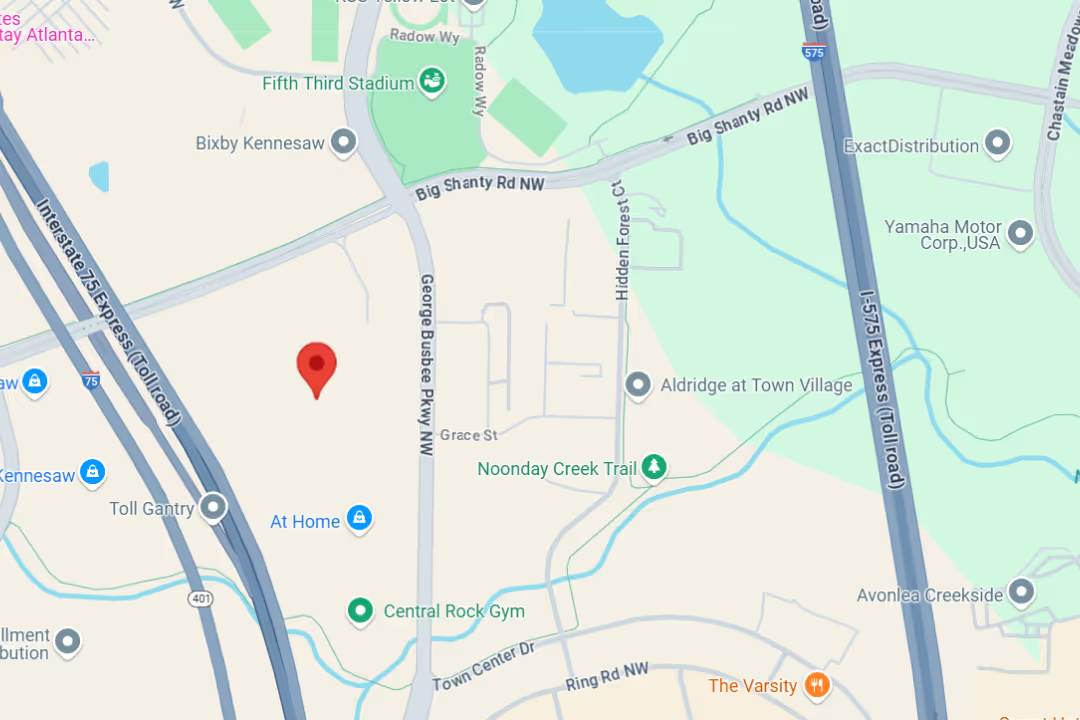
📍 Kennesaw Clinic
2911 George Busbee Parkway, Suite 50, Kennesaw, GA 30144 | (770) 545-6404
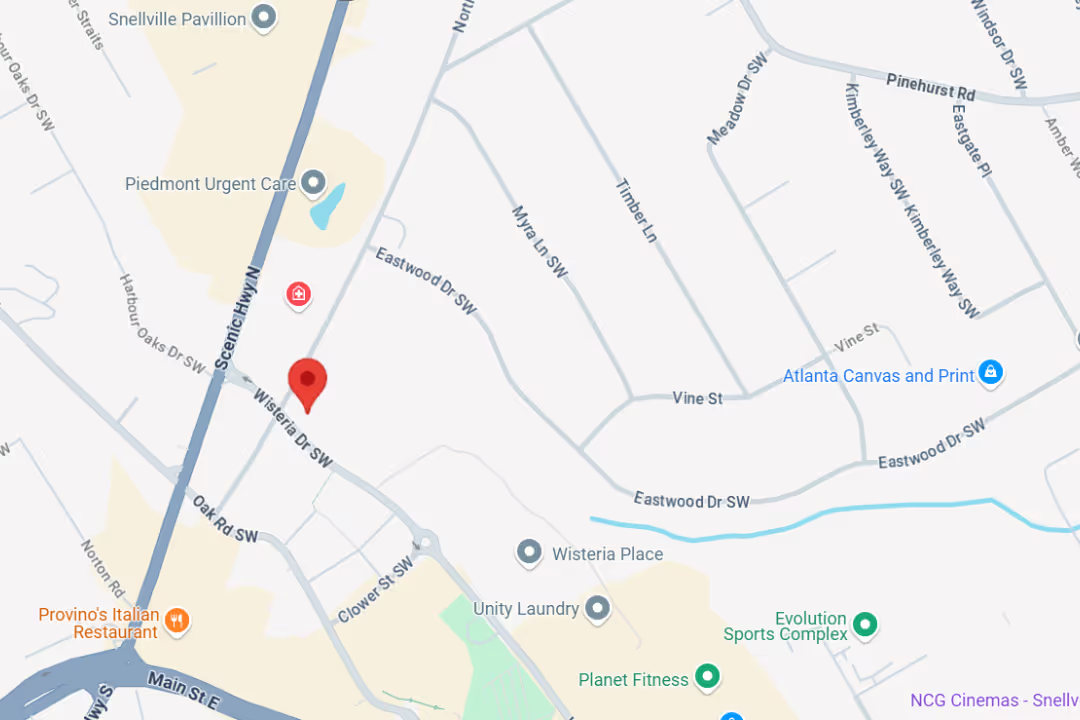
📍 Snellville Clinic
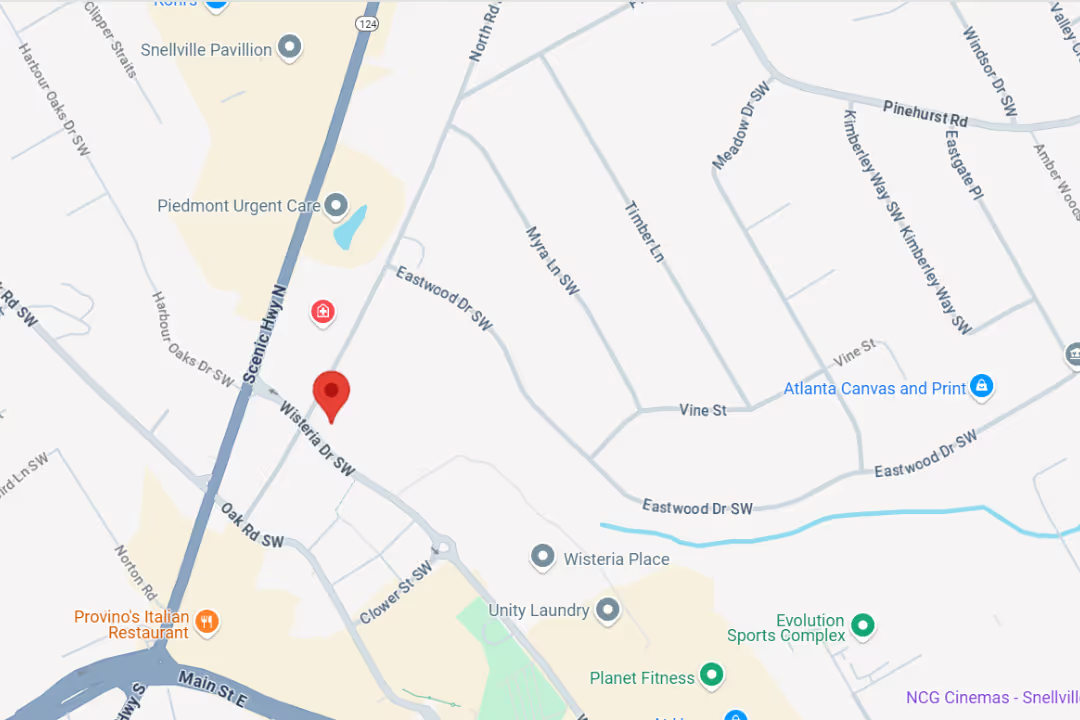
2220 Wisteria Drive, Unit 101, Snellville, GA 30078 | (470) 645-9297
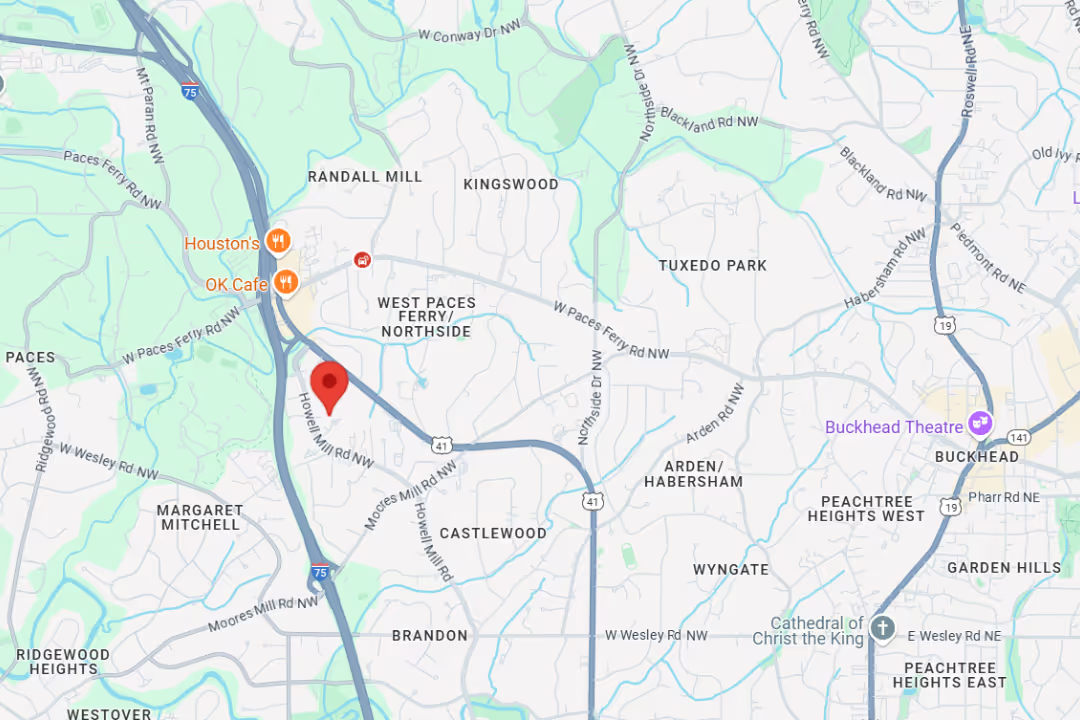
📍 Buckhead PM&R
3200 Downwood Circle NW, Suite 520, Atlanta, GA 30327 | (770) 872-7549
☎️ Main Contact: +1-844-328-4624
🌐 www.MediciOrtho.com
At Medici, you’re more than your MRI.
We take time to hear your story, understand your pain, and create a plan that actually works for you.

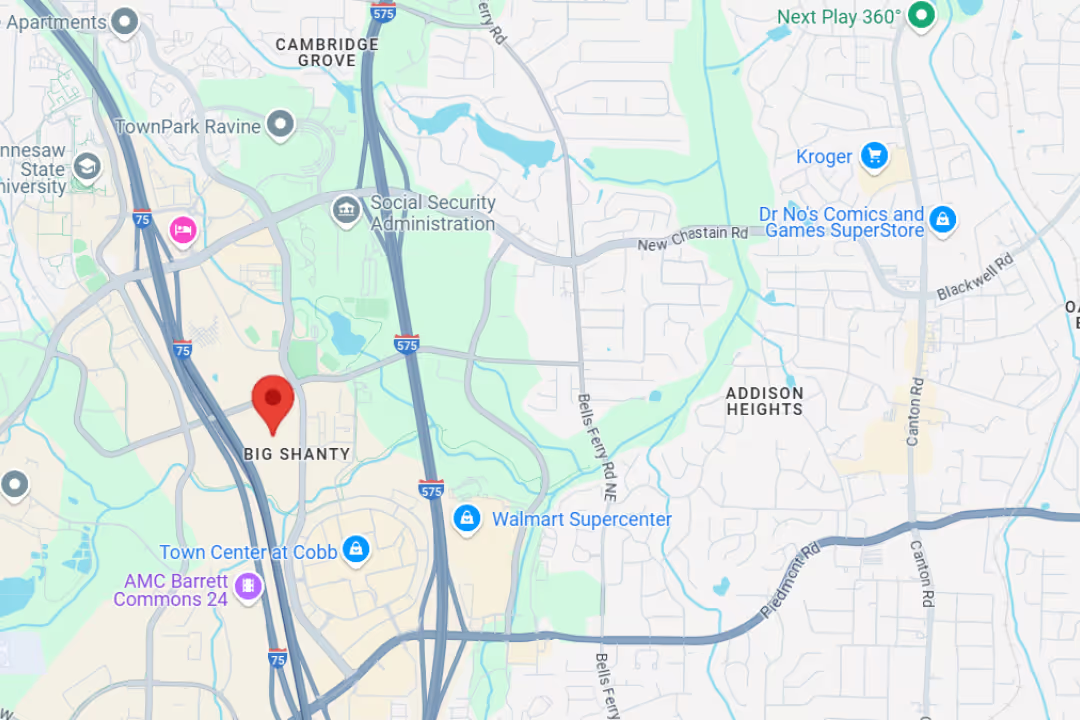
Our team delivers specialist care at convenient locations across Metro Atlanta:
Get expert tips on injury recovery, pain relief, joint health, and movement strategies—straight from our Fellowship-Trained team.