Chronic pain disrupts life in ways that aren’t always visible—limiting movement, draining energy, and making even simple tasks feel overwhelming. In Buckhead, where people lead active, fast-paced lives, finding meaningful relief is not just a medical need but a lifestyle priority. This is why advanced, technology-driven pain treatments have become such an important part of the community’s healthcare landscape.
At Medici Orthopaedics & Spine, we focus on solutions that keep you moving forward without relying on extensive surgeries or long-term medication plans. Our approach centers on treatments that support the body, protect function, and offer patients real control over their pain. Spinal cord stimulation (SCS) is one such option—a therapy designed for individuals who have tried conventional care but still struggle with persistent, life-limiting discomfort.
SCS provides a new avenue for relief by altering how pain signals travel to the brain, often resulting in a dramatic reduction in symptoms. For Buckhead patients seeking a modern, minimally invasive way to regain mobility and improve their overall quality of life, spinal cord stimulation can be a powerful next step toward living with greater ease and confidence.
The therapy begins with the placement of thin electrical leads, or electrodes, in the epidural space along the spinal cord. These leads are positioned near the specific nerve pathways responsible for the patient’s pain pattern. Their exact placement is determined using precise imaging guidance to ensure safe, accurate targeting.
A small device called a pulse generator is then implanted beneath the skin, typically in the lower back or upper buttock. This generator sends mild electrical impulses through the leads to the spinal cord. Modern generators are compact, rechargeable (in many cases), and designed for long-term use.
Once activated, the system delivers controlled electrical stimulation to the affected nerve pathways. These impulses interfere with the transmission of pain signals, preventing them from reaching the brain with the same intensity—or at all. Depending on the type of device, patients may feel a gentle sensation replacing their pain, or they may feel no sensation at all while still experiencing meaningful relief.
One of the most empowering aspects of spinal cord stimulation is the ability for patients to personalize their therapy. Using a small handheld controller—or in some cases, a smartphone app—patients can adjust their stimulation levels, switch programs, or fine-tune the system based on activity, posture, or pain patterns. This flexibility allows individuals to take an active role in managing their symptoms throughout the day.
SCS is frequently used for long-standing pain in the cervical, thoracic, or lumbar spine, particularly when imaging shows degenerative changes or when other treatments have not provided lasting results.
Patients who continue to experience significant pain after spine surgery may benefit from spinal cord stimulation. SCS can help reduce residual nerve pain, inflammation, or discomfort caused by scar tissue.
This difficult and often debilitating condition responds well to neuromodulation. SCS can help quiet the abnormal nerve activity that drives CRPS, improving pain, function, and quality of life.
Whether caused by diabetes, injury, surgery, or another underlying condition, neuropathic pain can be challenging to manage. SCS helps regulate nerve signaling, offering relief where medications may fall short.
When pain radiates down the arm or leg due to nerve irritation or compression, spinal cord stimulation may help by modulating the affected nerve pathways.
By interrupting the pain signals traveling to the brain, SCS can dramatically lessen the intensity of chronic pain. Many patients report sustained improvement that allows them to return to activities they once avoided.
When pain is no longer the dominant force in everyday life, movement becomes easier and more natural. Patients often experience better posture, increased stamina, and greater ability to perform essential tasks without discomfort.
SCS offers a drug-free approach to managing pain. As symptoms decrease, many individuals are able to taper or discontinue medications—leading to fewer side effects and a greater sense of control.
The implantation of a spinal cord stimulator is a straightforward, minimally invasive outpatient procedure. There are no large incisions or extensive recovery times, allowing patients to return to their routine more quickly.
One of the most reassuring aspects of SCS is its flexibility.
One of the most reassuring aspects of spinal cord stimulation is the opportunity to test the therapy before choosing permanent implantation. This trial phase allows patients to experience real-world relief and determine whether SCS aligns with their goals, lifestyle, and comfort.
During the trial, thin temporary leads are placed near the spinal cord using a minimally invasive technique. These leads are connected to an external generator worn discreetly outside the body. Because no incisions are made for a permanent device during this stage, the trial is simple, low-risk, and fully reversible.
Once the system is in place, patients return home to test the therapy in their everyday environment—at work, during activities, and throughout normal routines.
Most trial periods last 3 to 7 days. During this time, patients can:
A successful SCS trial typically includes:
The implantation is performed as an outpatient procedure using small incisions and gentle techniques. Because it does not require extensive tissue disruption, most patients experience far less discomfort and a significantly quicker recovery compared to traditional spine surgeries. The goal is to create a stable, long-lasting system that provides consistent relief while preserving natural movement.
During the procedure:
Most patients return home the same day and resume light activity shortly afterward. Common recovery milestones include:
One of the greatest strengths of spinal cord stimulation is customizability. After implantation:
Living with chronic pain can feel isolating, exhausting, and overwhelming—but it does not have to define your life. Advances in neuromodulation have made it possible for patients to experience meaningful relief without relying on aggressive surgeries or long-term medication plans. Spinal cord stimulation is one of the most promising of these innovations, offering a path toward better function, greater independence, and restored hope.
At Medici Orthopaedics & Spine, we believe every patient deserves the chance to move comfortably and live fully. Our approach is grounded in minimally invasive care, scientific excellence, and unwavering support. With spinal cord stimulation, many Buckhead patients are reclaiming activities they once feared they’d lost—walking farther, sleeping better, and engaging in life with renewed confidence.
This therapy reflects our mission: to restore mobility, comfort, and quality of life through modern, compassionate, individualized care.
If you’re ready to explore minimally invasive solutions that help you move, heal, and live better, our team is here with genuine care and advanced expertise. We’ll guide you through every step—from consultation to trial to long-term support—with the clarity and compassion you deserve.
Schedule your consultation today:
🌐 Website: https://www.mediciortho.com/
📞 Main Contact: +1-844-328-4624
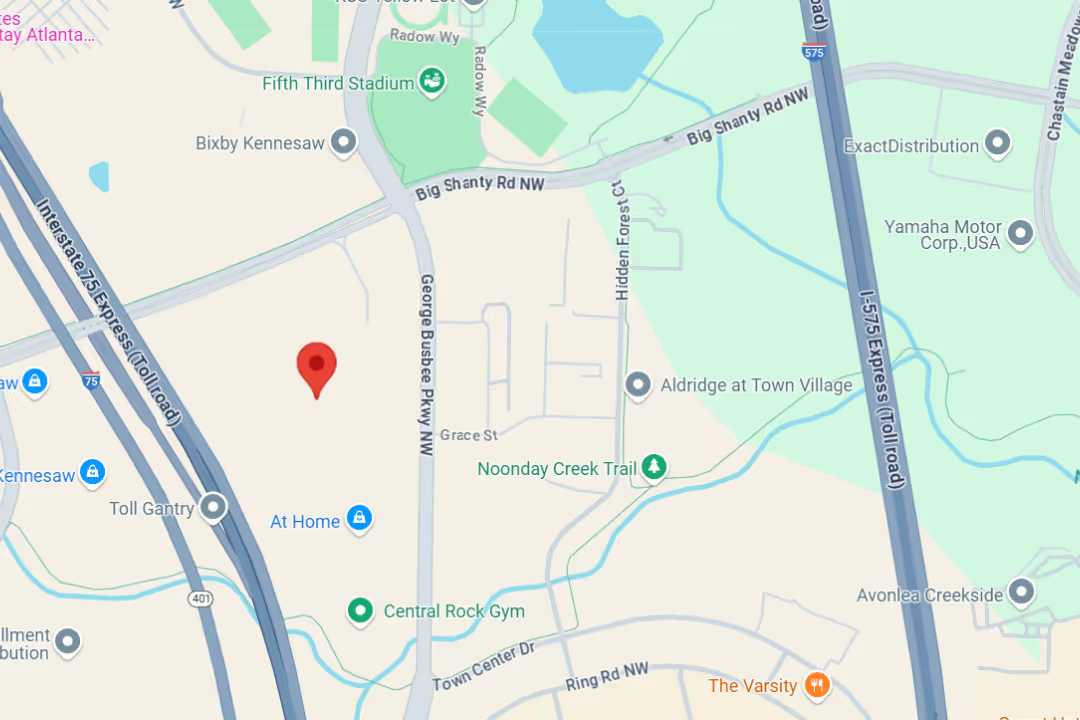
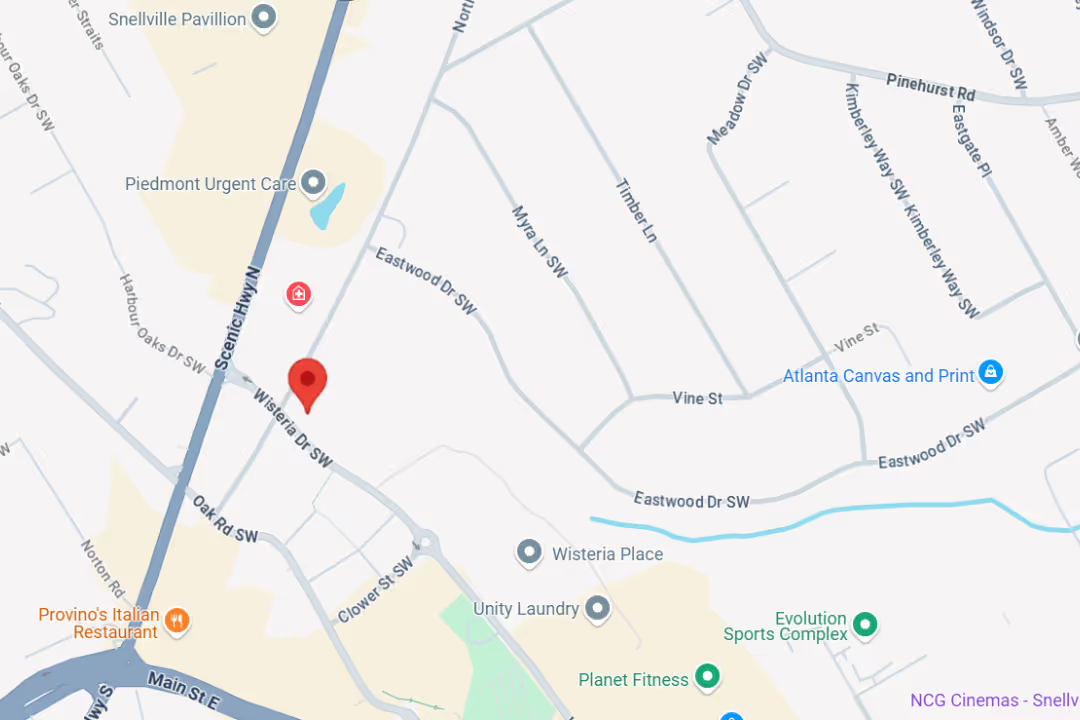
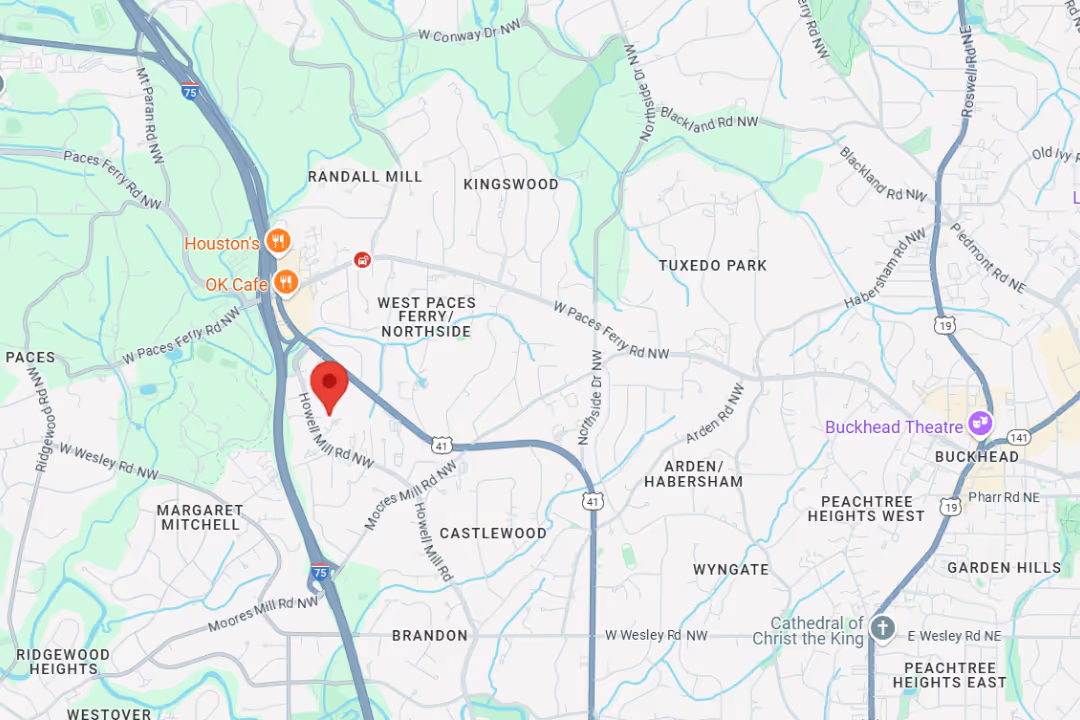
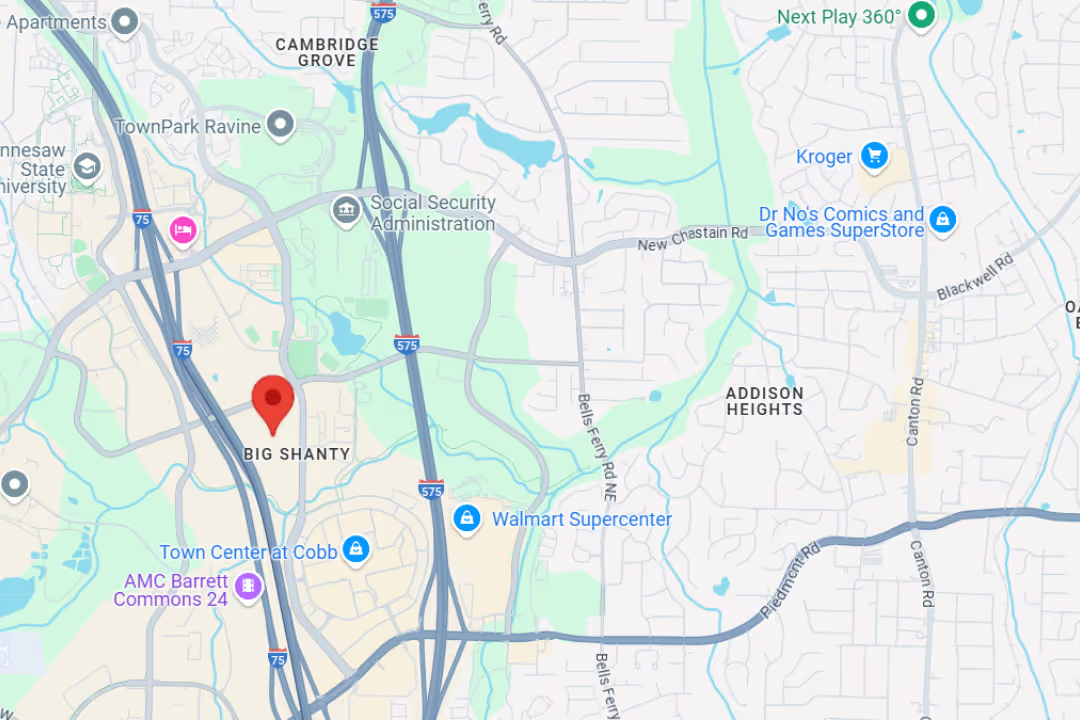
Buckhead PM&R
3200 Downwood Circle NW, Suite 520
Atlanta, GA 30327
(770) 872-7549
Explore our library of patient support guides covering the conditions we treat, the treatments we offer, and the questions we hear most. Each one is written to help you understand your options and feel confident about your next step. Browse the topics below to learn more, or reach out to our team anytime.

At Medici, you’re more than your MRI.
We take time to hear your story, understand your pain, and create a plan that actually works for you.
Our team delivers specialist care at convenient locations across Metro Atlanta:
Get expert tips on injury recovery, pain relief, joint health, and movement strategies—straight from our Fellowship-Trained team.