If you’re searching for “what to expect after spinal cord stimulator surgery,” you’re not alone. Most patients look this up because they want reassurance—and a clear, realistic roadmap for recovery. It’s completely normal to feel some anxiety about the days and weeks after surgery, especially if you’re already living with chronic pain and you’re hoping this next step finally brings meaningful relief.
Common questions we hear include:
The good news is that recovery after spinal cord stimulator surgery is usually step-by-step, and most patients do best when they have clear guidance, realistic expectations, and consistent follow-up support. You don’t have to figure it out on your own—and you shouldn’t have to “guess” whether what you’re feeling is normal.
At Medici Orthopaedics & Spine, our physician-led team is experienced in comprehensive pain care, including neuromodulation options like spinal cord stimulation. Under the direction of Dr. Sonny Dosanjh, M.D., our approach is evidence-based and least-invasive whenever possible, with a strong emphasis on helping patients move better, feel better, and regain quality of life. Just as importantly, we support patients before and after procedures—because outcomes improve when recovery is guided, not rushed.
Incision Soreness, Swelling, and Bruising
It’s normal to have soreness and tenderness at the incision sites, along with some swelling or bruising.
“Pocket” Discomfort Where the Battery Sits
Many patients notice soreness, pressure, or a bruised feeling where the generator was placed. This is especially common when sitting, changing positions, or sleeping.
Temporary Increase in Pain Due to Procedure Irritation
Even if the stimulator will help long-term, it’s normal to feel temporarily more sore at first because tissues were manipulated during the procedure.
It’s common to have:
Staying hydrated and following your discharge instructions can make these effects easier to manage.
Pain control is usually focused on keeping you comfortable enough to:
Your doctor will give specific instructions for any prescribed medications—follow those exactly, and avoid adding extra medications unless your care team confirms it’s safe.
Most patients should not drive immediately after surgery. Reasons include:
Plan for someone to drive you home and help with transportation until your provider clears driving.
Many patients notice:
This should gradually improve, not worsen.
In general, you’ll be advised to:
Showering restrictions vary depending on closure type and surgeon preference. Some patients can shower after a certain time window; others need longer. The key rule: follow your surgeon-specific instructions rather than a generic timeline.
You may have:
Good incision care includes:
Some closures dissolve on their own. If you have staples or non-dissolving stitches, you’ll be given a follow-up appointment for removal.
The main concern early on is lead migration, meaning the lead moves from the intended position. If that happens, pain relief can change dramatically, and additional intervention may be needed.
Most patients are instructed to avoid:
Your care team will tell you exactly what “heavy lifting” means for your case.
Small technique changes can protect healing tissues:
Walking is often encouraged because it promotes recovery without stressing the leads.
Return-to-work timing varies based on:
Your provider will usually outline restrictions for your employer if needed.
Physical therapy may be introduced after the initial healing period to:
Periodic follow-ups help:
MRI safety depends on the device model and how it was implanted. Some systems are MRI-conditional, meaning MRI may be possible under specific conditions. Always:
Exercise progression
Weight changes and device comfort
When batteries/leads may need revision
Recovering from spinal cord stimulator surgery can feel like a lot—new sensations, activity restrictions, programming adjustments, and the constant question of “Is this normal?” The truth is: you shouldn’t have to navigate recovery alone. Having the right team in your corner can make the process less stressful and far more successful—because the best outcomes usually come from clear guidance, thoughtful follow-up, and a plan that adapts as you heal.
At Medici Orthopaedics & Spine, we take a patient-centered, least-invasive approach to pain care and neuromodulation. Under the leadership of Dr. Sonny Dosanjh, M.D., our physician-led team focuses on evidence-based strategies that help patients move toward real improvement—not just temporary symptom coverage. That includes support before procedures, careful oversight during recovery, and ongoing help with questions like programming changes, activity progression, and long-term pain management planning.
Website: https://www.mediciortho.com
Main Phone: +1-844-328-4624
Marietta
792 Church Street, Unit 101
Marietta, GA 30060
📞 (470) 795-8398
Snellville
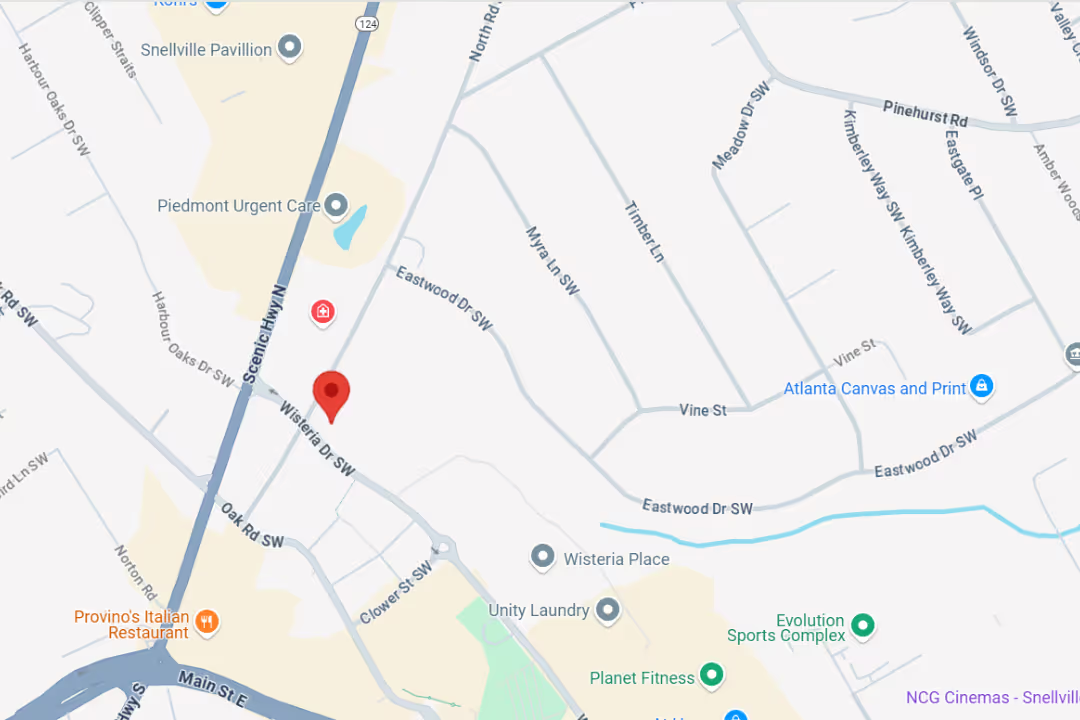
2220 Wisteria Dr, Unit 100
Snellville, GA 30078
📞 (470) 795-8398
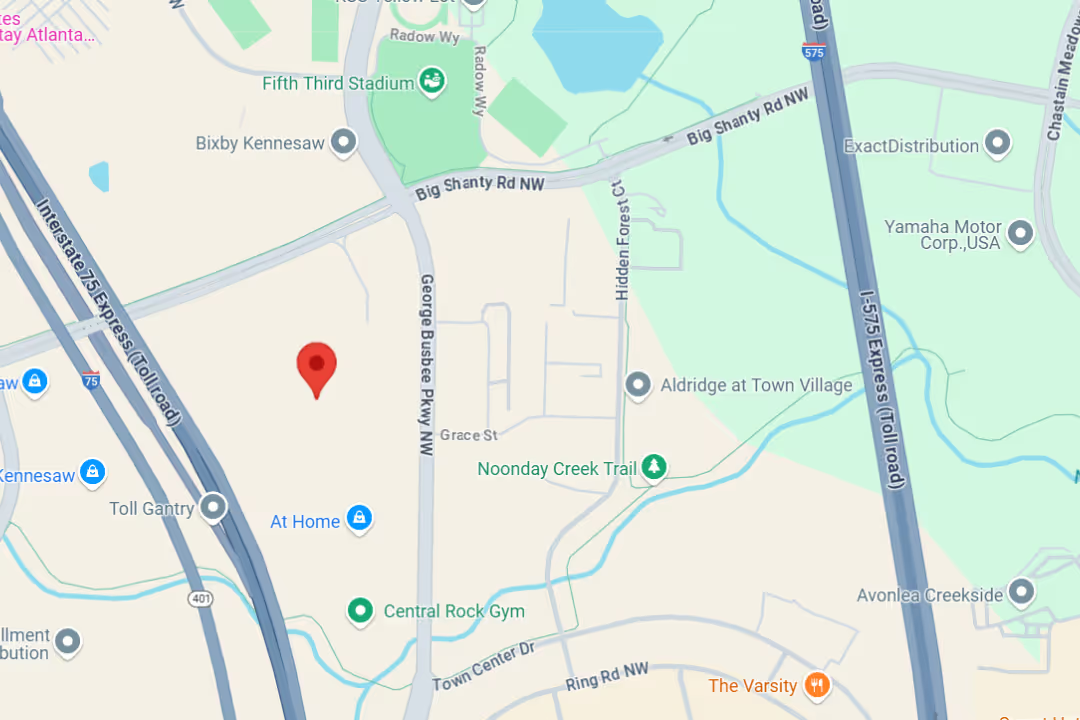
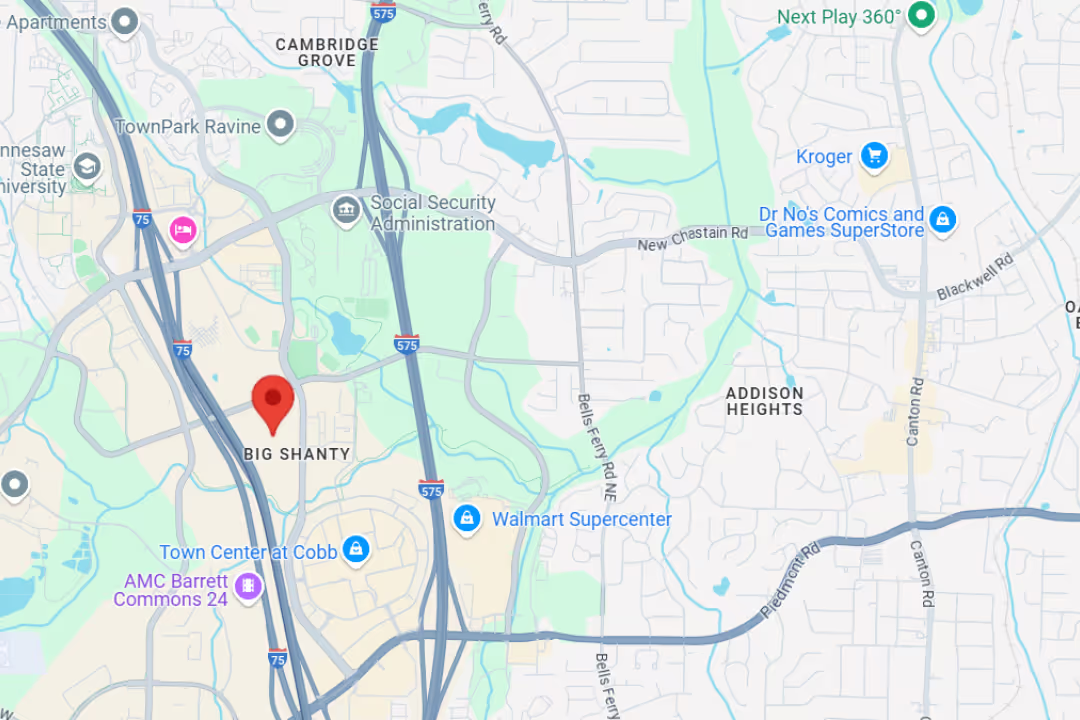
Kennesaw
2911 George Busbee Parkway, Suite 50
Kennesaw, GA 30144
📞 (770) 545-6404
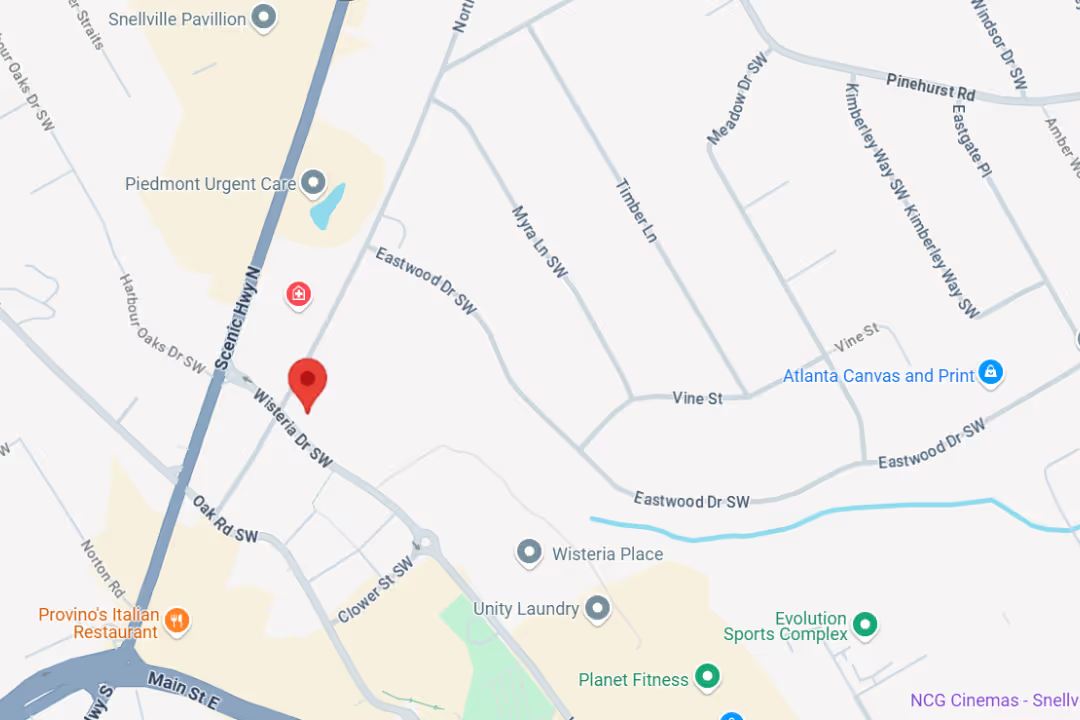
Snellville
2220 Wisteria Drive, Unit 101
Snellville, GA 30078
📞 (470) 645-9297
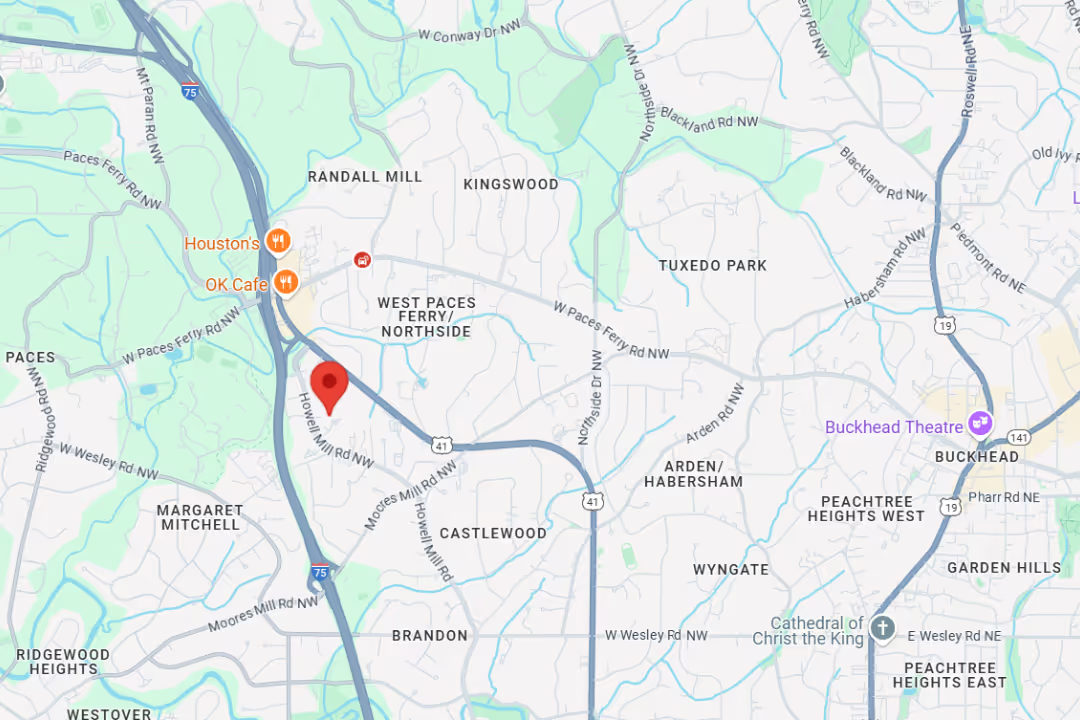
Buckhead PM&R
3200 Downwood Circle, NW, Suite 520
Atlanta, GA 30327
📞 (770) 872-7549
Explore our library of patient support guides covering the conditions we treat, the treatments we offer, and the questions we hear most. Each one is written to help you understand your options and feel confident about your next step. Browse the topics below to learn more, or reach out to our team anytime.

At Medici, you’re more than your MRI.
We take time to hear your story, understand your pain, and create a plan that actually works for you.

Our team delivers specialist care at convenient locations across Metro Atlanta:
Get expert tips on injury recovery, pain relief, joint health, and movement strategies—straight from our Fellowship-Trained team.