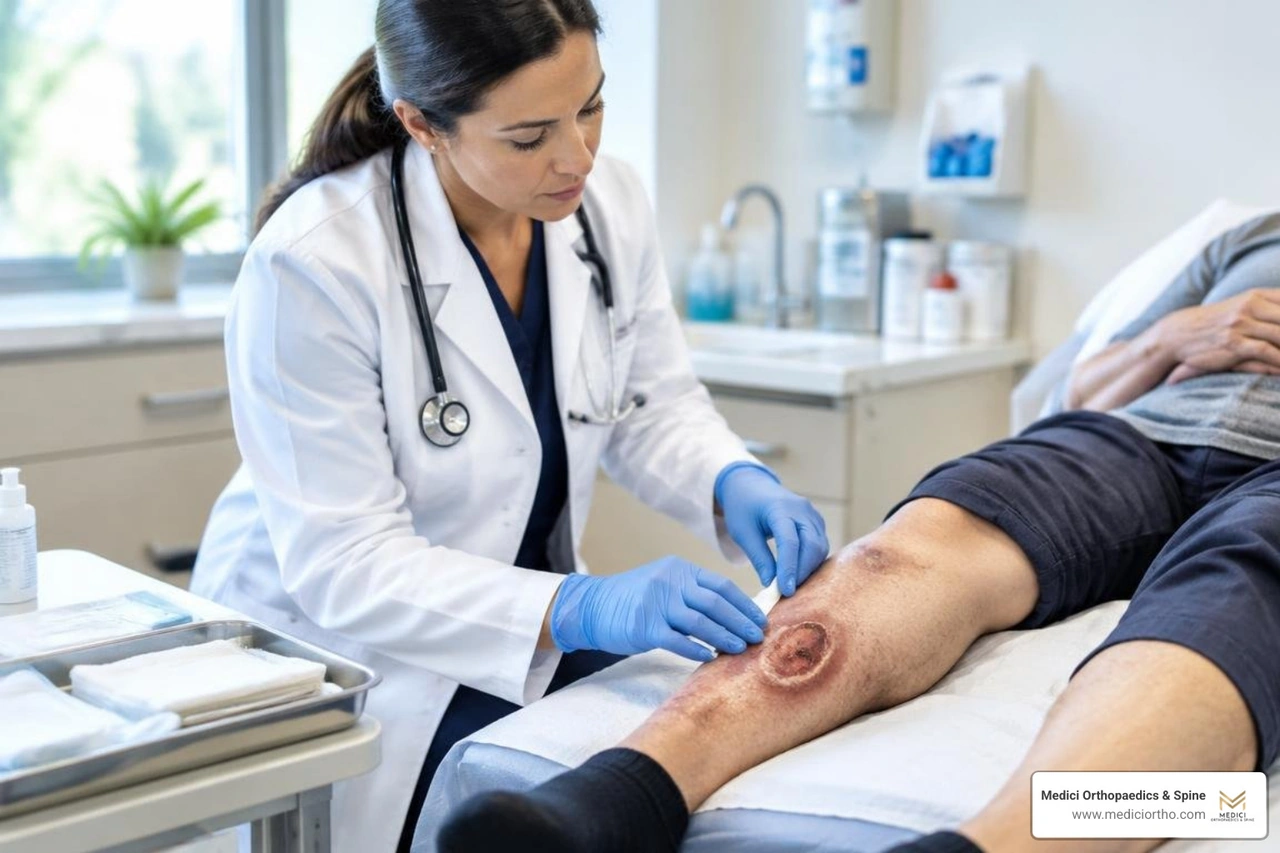
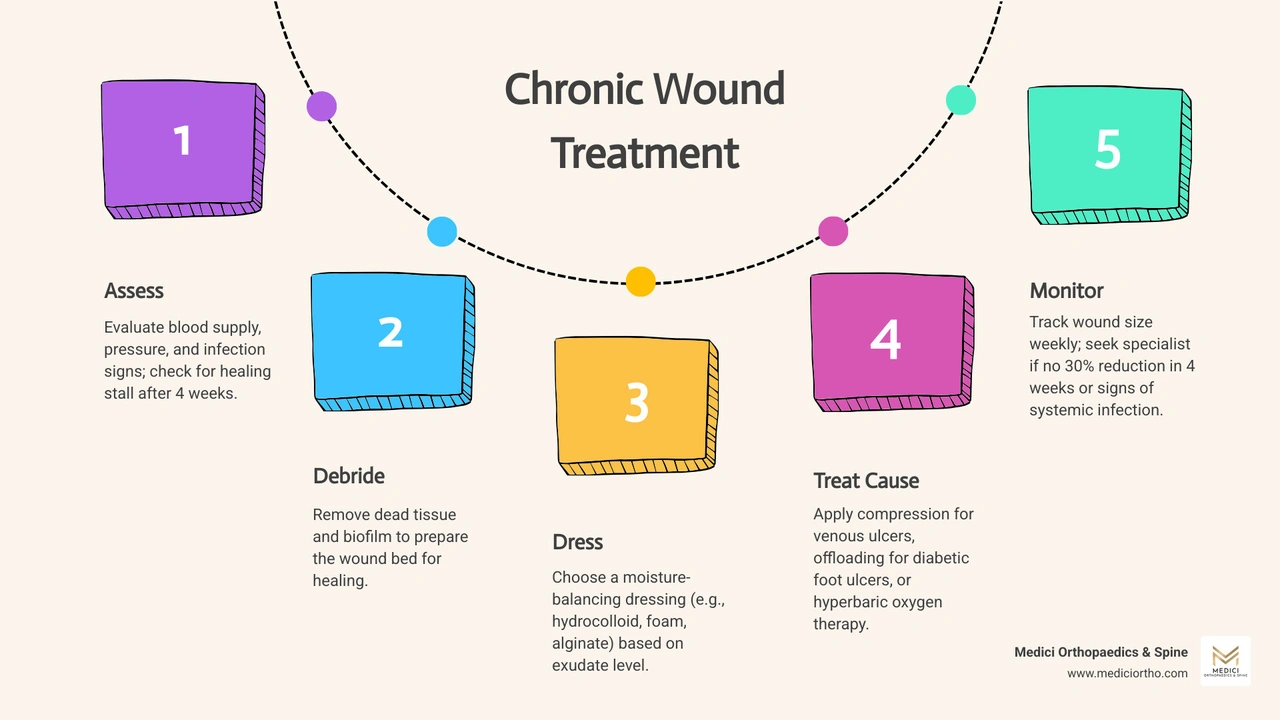
Chronic wound treatment is more than changing bandages. If a wound is not improving after several weeks, a clinician should check its blood supply, pressure on the area, and signs of infection. Care may include cleaning, removing dead tissue, choosing a dressing that manages moisture, and treating the cause. Some wounds need added care, such as compression for a venous ulcer, pressure relief for a diabetic foot ulcer, or hyperbaric oxygen therapy in select cases.
A wound that stalls for four weeks deserves an assessment rather than another round of the same bandages. Spreading redness, fever, or rapidly worsening pain needs prompt medical attention.
I’m Sonny Dosanjh, M.D., a physical medicine and rehabilitation physician with fellowship training in multidisciplinary pain management. My approach to chronic wound treatment focuses on coordinated care that addresses pain and helps patients protect their mobility and quality of life.
Chronic wound treatment word roundup:
A chronic wound is not simply an acute injury taking a leisurely stroll toward recovery. In the United States, managing non-healing wounds represents a substantial clinical challenge, with Medicare estimates indicating annual expenditures ranging between $28 billion and $96.8 billion. When tissue sustains an injury, cellular signaling pathways coordinate a rapid four-stage sequence: hemostasis, inflammation, proliferation, and tissue remodeling. In chronic wounds, this delicate biological cascade derails.
At the microscopic level, non-healing wounds become trapped in a self-perpetuating cycle of cellular senescence, severe tissue hypoxia, elevated matrix metalloproteinases (MMPs), and persistent bacterial bioburden. These destructive enzymes chew through healthy collagen scaffolding faster than healing cells can rebuild it. Coupled with microvascular impairment, the wound bed starves for oxygen and vital nutrients, turning what should be a temporary repair process into months of chronic inflammation.
In acute healing, platelets trigger clot formation, neutrophils clear debris, and macrophages transition from an inflammatory state to a regenerative repair state. Within non-healing wounds, hemostasis disruption gives way to unchecked inflammatory cell recruitment. Macrophages remain perpetually pro-inflammatory, flooding the extracellular matrix with inflammatory cytokines and destructive proteases.
Clinically, a wound is considered chronic if it fails to progress through orderly stages of repair within 4 to 12 weeks, or if it does not exhibit at least a 15% reduction in surface area per week (or a 50% surface area reduction over one month) (NBK326436). Clinicians rely on evidence-based resources like the Overview of treatment of chronic wounds alongside validated scoring rubrics like the Pressure Ulcer Scale for Healing (PUSH) tool, the Bates-Jensen Wound Assessment Tool (BWAT), and the Leg Ulcer Measurement Tool (LUMT) to track objective wound regeneration.
Successful clinical management begins with diagnosing the underlying circulatory or structural pathology. The vast majority of complex lower-extremity wounds fall into four distinct categories:
| Ulcer Type | Primary Etiology | Clinical Appearance | Primary Intervention |
|---|---|---|---|
| Venous | Venous hypertension, valvular reflux | Shallow, irregular margins, fibrinous base, heavy exudate, hemosiderin staining | Graduated compression therapy (30–40 mmHg), leg elevation |
| Arterial | Atherosclerosis, peripheral arterial disease | Deep, "punched out" edges, pale or necrotic base, minimal exudate, cool skin | Revascularization, avoid unapproved compression, protect dry eschar |
| Diabetic | Peripheral neuropathy, microvascular disease | Plantar aspect of foot, calloused rim, variable depth, painless | Total offloading (TCC), debridement, strict glycemic control |
| Pressure | Prolonged pressure, shear, friction | Over bony prominences, staged non-blanchable erythema to deep cavitary necrosis | Repositioning schedules (q1-2h), pressure redistribution surfaces |
To transform a stalled, hostile wound bed into a vascularized, proliferating environment, clinicians rely on the universally accepted TIME framework:
Every dressing change must begin with thorough wound cleansing using sterile isotonic saline or gentle surfactant-based irrigants. Antiseptics with high tissue toxicity—such as undiluted hydrogen peroxide or sodium hypochlorite—are avoided on clean, granulating tissue to protect fragile rebuilding cells.
Accurate assessment of drainage volume, color, and odor determines dressing choices, preventing excess exudate from breaking down the surrounding periwound skin. Standardized clinical staging and serial measurement ensure that changes in depth, surface area, and tissue quality are systematically documented (Eriksson et al., 2022).
Non-viable tissue acts as a physical barrier to healing and provides fertile ground for bacterial colonies. Clinical evidence shows that aggressive, regular debridement doubles the likelihood of wound closure. A massive clinical cohort study of 154,664 patients with over 312,000 wounds demonstrated that consistent debridement performed at weekly intervals achieved a 70.8% overall healing rate.
Debridement modalities are tailored to the patient's pain tolerance, vascular status, and wound anatomy:
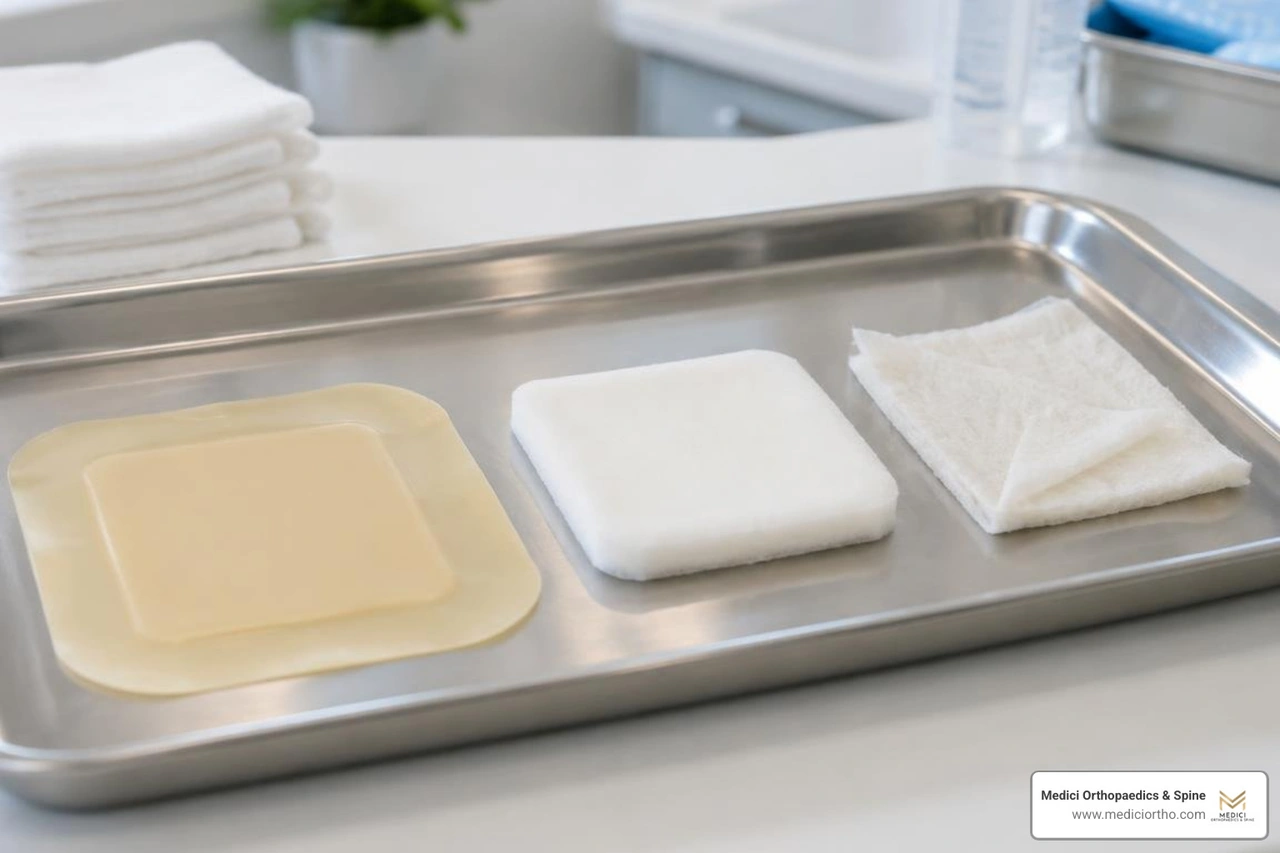
Once the wound bed is clear, dressing selection focuses on moisture balance:
When wounds fail to show measurable reduction after four weeks of standard moisture management and debridement, escalating to advanced biophysical and cellular therapies is clinically indicated (Oyebode et al., 2023).
Negative pressure wound therapy (vacuum-assisted closure) applies controlled subatmospheric suction (typically 80 to 125 mmHg) across a reticulated open-cell foam or gauze interface sealed with an occlusive drape (Burhan et al., 2022).
NPWT functions through two primary mechanical actions:
A comprehensive systematic review and meta-analysis confirmed that low-pressure NPWT significantly accelerates healing velocity, reduces bacterial bioburden, and shortens overall hospital length of stay compared to conventional dressing regimens.
Oxygen is a fundamental fuel source for wound repair; it drives oxidative bacterial killing by neutrophils, collagen cross-linking, and cellular energy production. Chronic wounds suffer from persistent tissue hypoxia that stalls repair.
By placing a patient inside a pressurized chamber breathing 100% medical-grade oxygen, hyperbaric oxygen therapy supersaturates blood plasma independently of hemoglobin transport. This delivery reaches deeply ischemic capillary beds, downregulates inflammatory cytokines, upregulates vascular endothelial growth factor (VEGF) to drive neo-angiogenesis, and promotes advanced wound healing with HBOT. In refractory diabetic ulcers and radiation-induced soft tissue necrosis, systemic oxygenation plays a valuable role in salvaging threatened limbs.
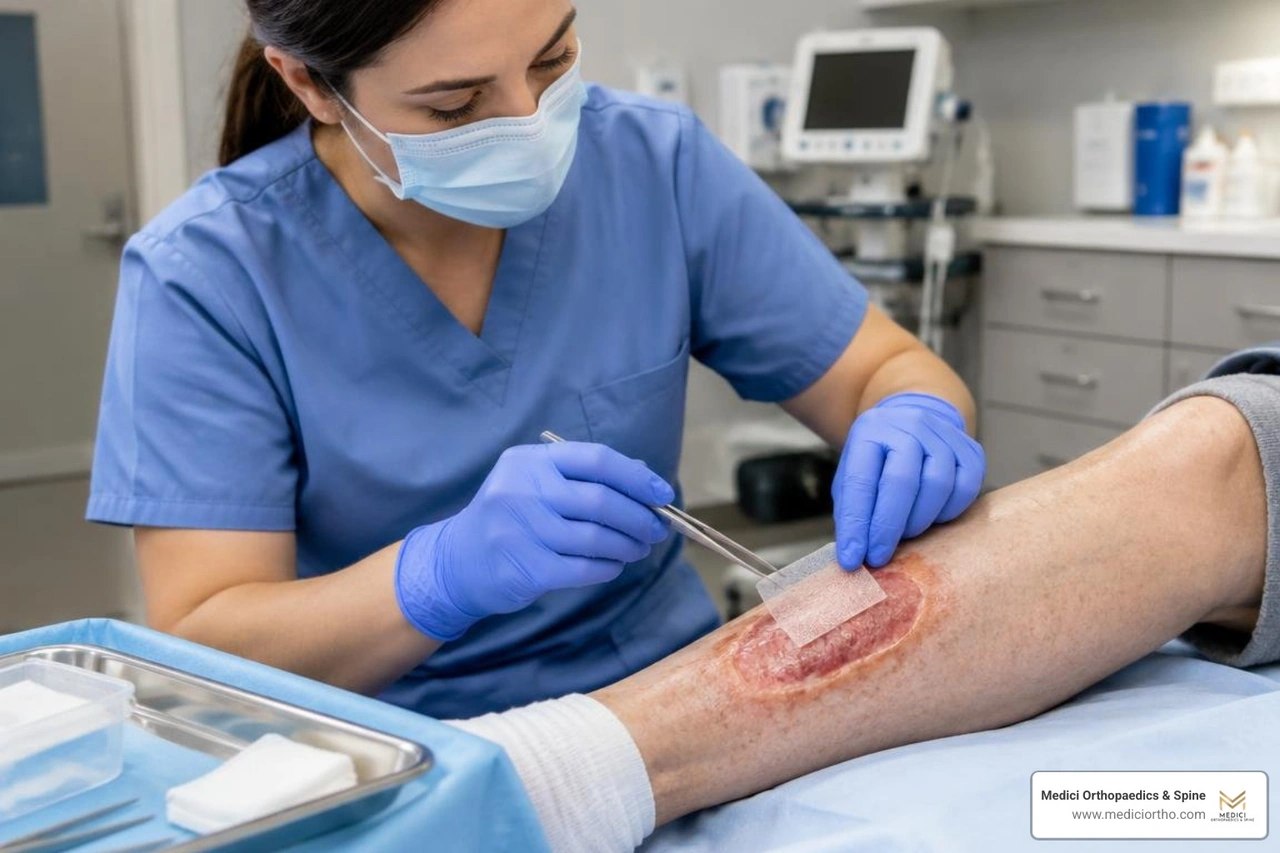
When extensive tissue loss prevents simple secondary intention closure, bioengineered cellular and acellular tissue products can bridge the gap:
Lasting wound healing requires addressing both internal biological barriers and patient comfort alongside topical treatments.
The National Institutes of Health estimates that over 80% of persistent surgical and chronic wound infections are sustained by microbial biofilms. Biofilms are complex communities of bacteria encased in a protective extracellular polymeric substance (EPS) matrix. This shield renders them up to 1,000 times more resistant to conventional systemic antibiotics and host immune defenses than free-floating bacteria.
Clinicians use practical mnemonics to differentiate superficial colonization from deep spreading infection:
Managing biofilm requires active physical disruption via serial sharp debridement, followed immediately by targeted topical antimicrobials such as cadexomer iodine, silver-impregnated barrier dressings, or polyhexamethylene biguanide (PHMB). Systemic antibiotics are reserved for deep, spreading tissue infections confirmed by deep tissue biopsy cultures rather than superficial swabs.
Optimal healing requires systemic balance. Chronic hyperglycemia stiffens red blood cells and impairs white blood cell phagocytosis; maintaining tight glycemic regulation (targeting an HbA1c < 7.0% where clinically appropriate) is vital for cellular repair.
At the same time, unmanaged procedural and baseline wound pain triggers systemic vasoconstriction through sympathetic nervous system activation, depriving healing tissues of microvascular perfusion. We incorporate multi-modal pain strategies, such as topical lidocaine application prior to debridement, soft non-adherent silicone contact layers, and supportive physical medicine protocols including HBOT for chronic pain relief.
Translational wound medicine continues to yield promising tools designed to stimulate stalled tissue beds and support recovery at home.
Clinical procedures provide the foundation, but everyday home management often determines whether a wound stays closed.
Any wound that fails to show measurable reduction (at least 30–50% closure) after four weeks of conventional care warrants a specialist evaluation. Immediate specialist attention is necessary if you notice spreading redness greater than two centimeters, foul odor, sudden increases in drainage, exposed tendon or bone, or systemic symptoms like fever and chills.
Standard dressings (like simple cotton gauze) function primarily as passive covers to absorb fluid or protect against gross contamination. Advanced wound matrices—such as collagen sheets, bioengineered living cell constructs, and acellular dermal scaffolds—are bioactive therapies. They actively bind destructive proteases, donate structural extracellular proteins, and stimulate host cells to migrate and rebuild tissue.
Hyperbaric oxygen therapy works by exposing the body to 100% oxygen under increased atmospheric pressure, dissolving high concentrations of oxygen directly into the blood plasma. This bypasses narrowed or damaged capillaries, flooding hypoxic tissues with the oxygen needed to support white blood cell activity, stimulate stem cell release, boost collagen production, and grow new microvascular networks.
Chronic wound treatment is a comprehensive, multidisciplinary specialty that blends systematic debridement, precise moisture balance, targeted infection management, and advanced circulatory therapies. Non-healing wounds signal complex underlying metabolic and vascular issues that standard bandages cannot solve on their own.
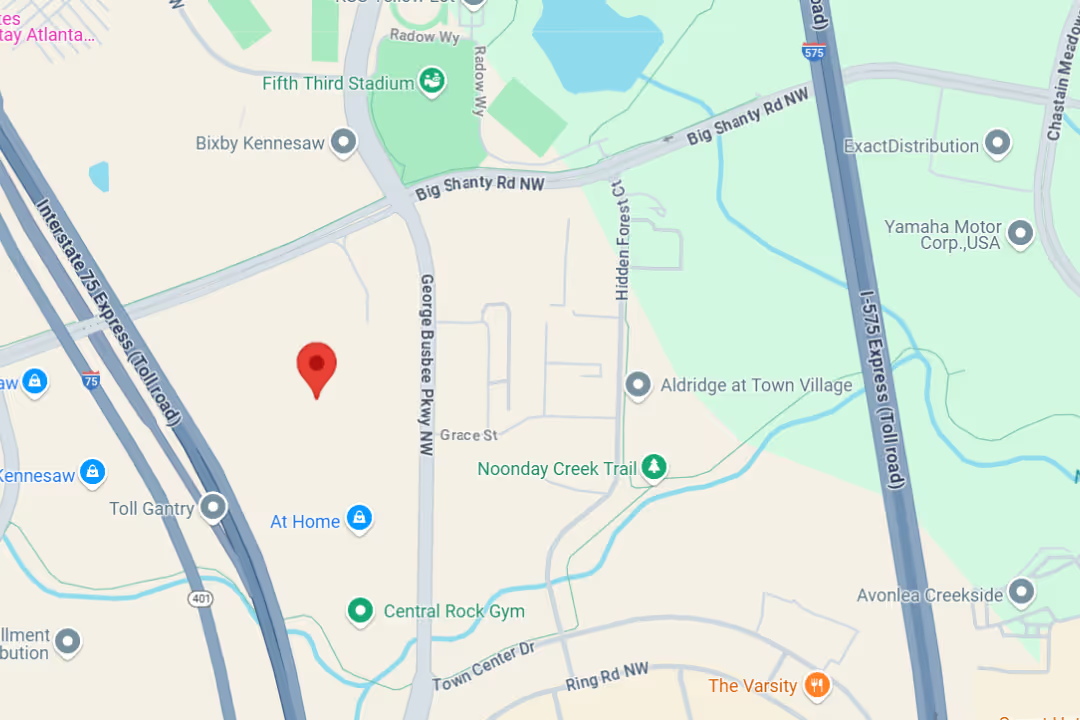
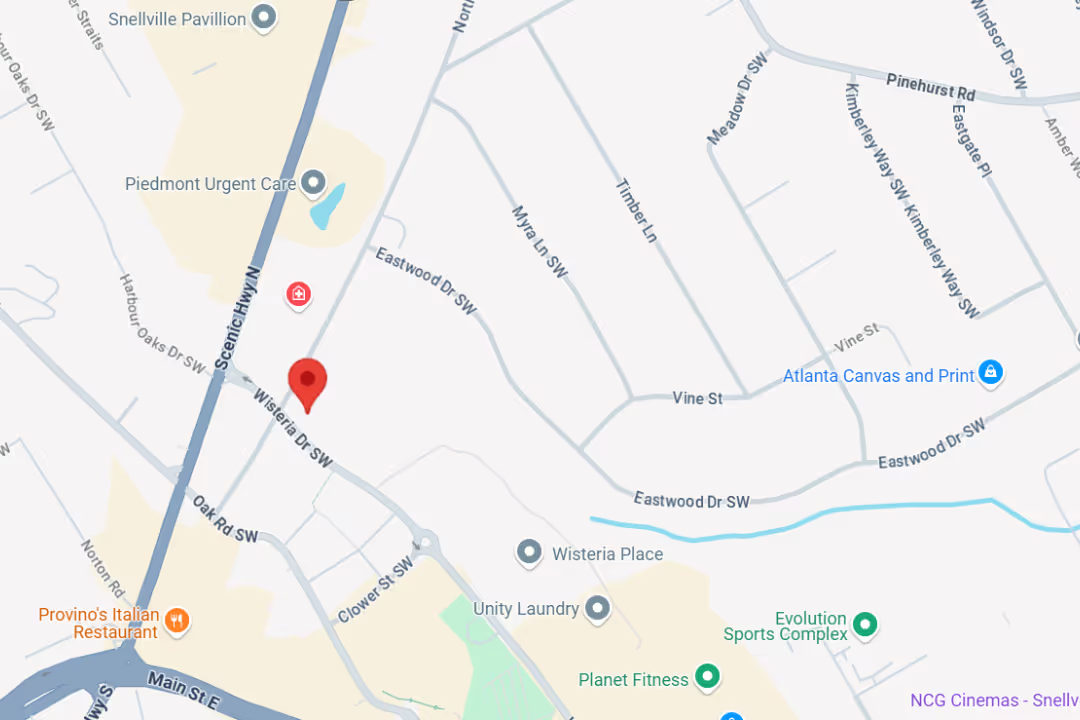
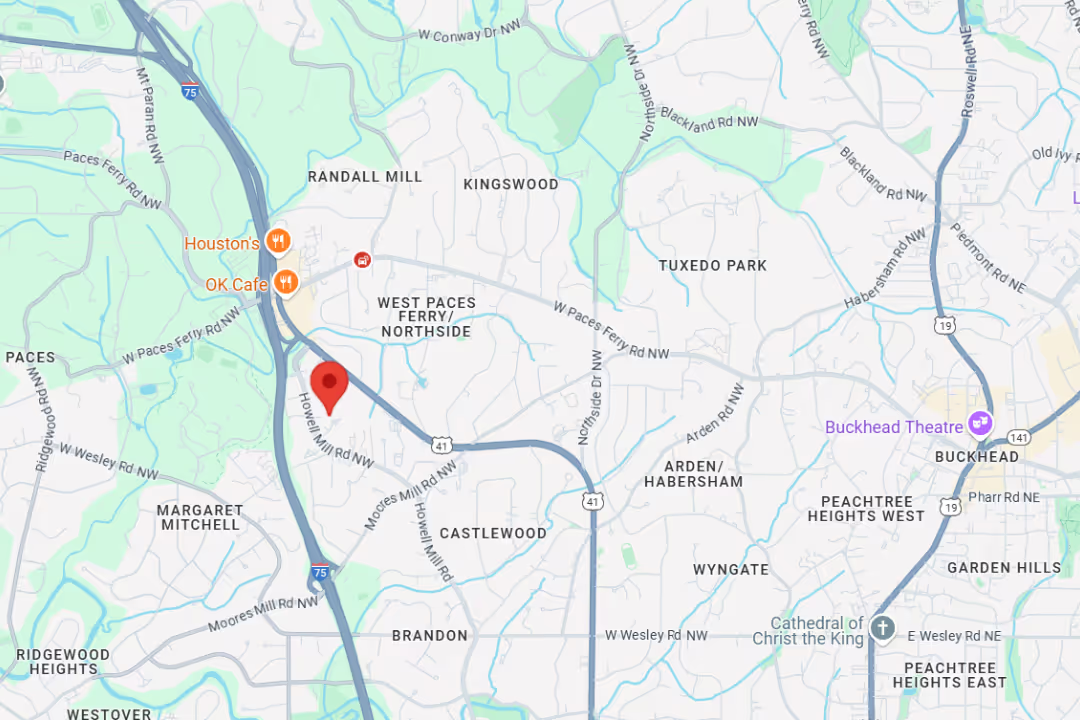
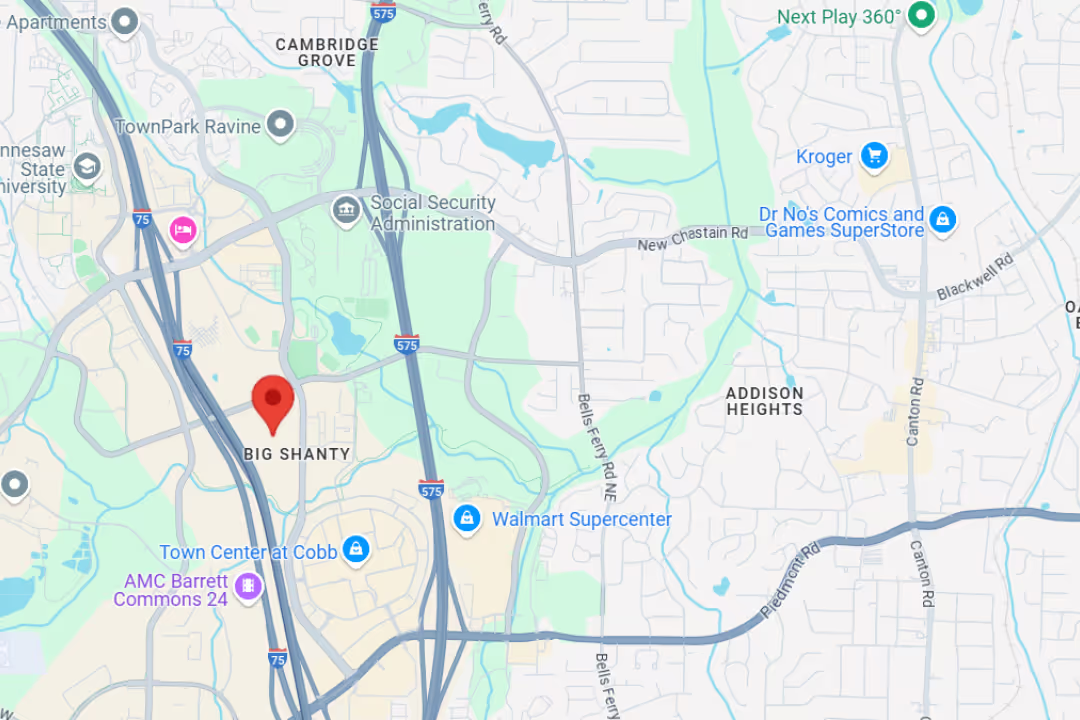
At Medici Orthopaedics & Spine, our medical team provides personalized care across Metro Atlanta—including our state-of-the-art facilities in Kennesaw, Marietta, Snellville, and Buckhead. We combine interventional pain management, physical rehabilitation, and advanced hyperbaric oxygen therapy to treat the root causes of tissue damage, relieve chronic pain, and help you regain your mobility and quality of life. If you or a loved one is living with a non-healing wound, contact our team today to begin your comprehensive recovery plan.
At Medici, you’re more than your MRI.
We take time to hear your story, understand your pain, and create a plan that actually works for you.

Our team delivers specialist care at convenient locations across Metro Atlanta:
Get expert tips on injury recovery, pain relief, joint health, and movement strategies—straight from our Fellowship-Trained team.