
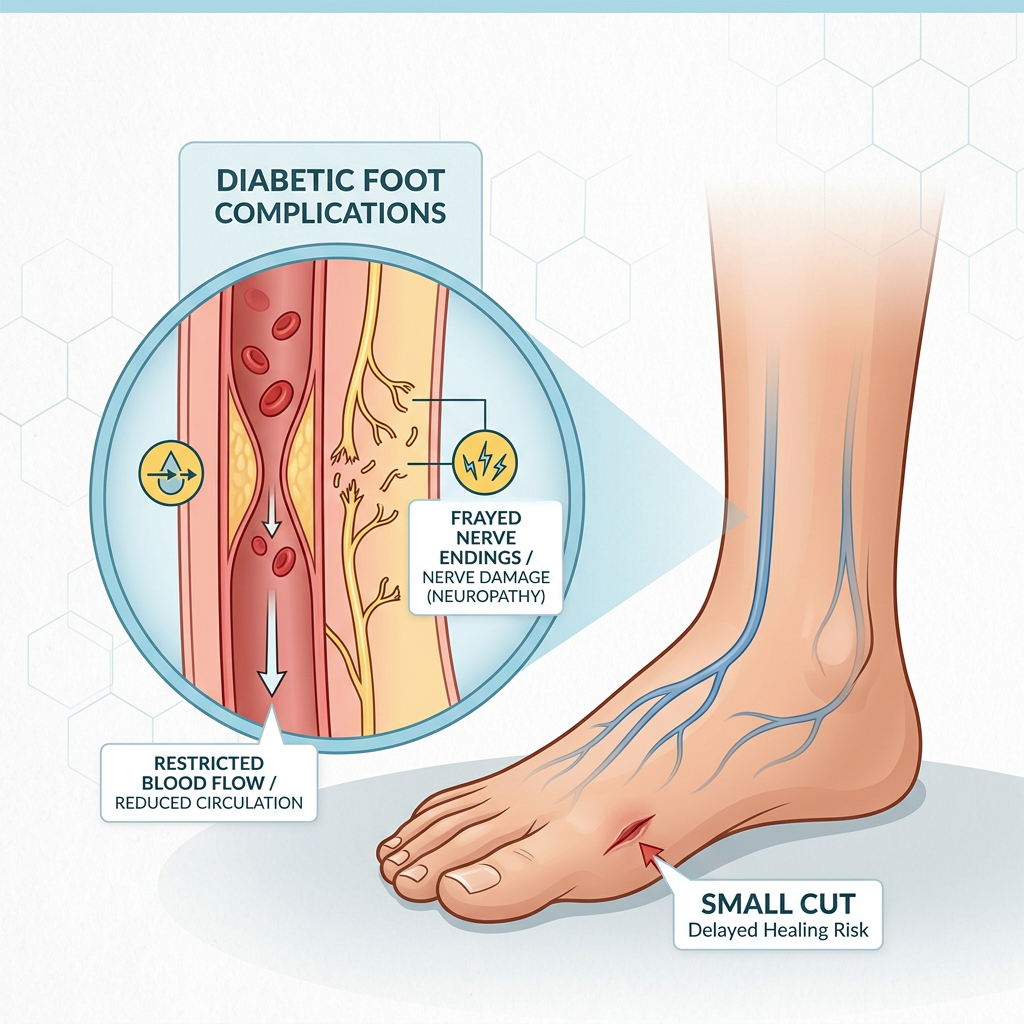
A small cut on the foot rarely feels like an emergency. For someone living with diabetes, though, that small cut can turn into something much more serious in a matter of days. Reduced circulation and nerve damage mean wounds heal slower, and warning signs that would normally prompt quick action often go unnoticed.
At Medici Orthopaedics & Spine, we see this pattern often in patients managing diabetes alongside chronic pain or neuropathy. Many people don't realize that nerve damage in the feet can mask the pain that would otherwise alert them to a problem. That disconnect between injury and sensation is part of what makes diabetic lower extremity wounds so difficult to manage on your own.
Our team works alongside wound care specialists and podiatrists to support the healing process through hyperbaric oxygen therapy and neuropathy management. We are not a wound care center performing debridement or dressing changes. Instead, we focus on the adjunctive therapies that help wounds heal faster and help patients regain sensation and function in their lower extremities.
What Are Diabetic Lower Extremity Wounds
Diabetic lower extremity wounds are sores, ulcers, or areas of broken skin that develop on the feet, ankles, or lower legs in people with diabetes. They can start small, sometimes from something as minor as a blister, a corn, or an ill-fitting shoe.
The problem is not usually how the wound started. It is how the body responds afterward.
Common characteristics of diabetic wounds include:
- Slow or stalled healing, often lasting weeks or months
- Location on pressure points like the heel, ball of the foot, or toes
- Minimal pain despite significant tissue damage
- Drainage, odor, or changes in surrounding skin color
- Repeated breakdown in the same area even after apparent healing
Diabetic foot ulcers are among the most common of these wounds, and research suggests up to a third of people with diabetes will develop one during their lifetime. Because these wounds sit at the intersection of circulation problems and nerve damage, they require a different kind of attention than a typical cut or scrape.
Why These Wounds Are Slow to Heal
Healing depends on several things working together: blood flow, immune response, and the ability to feel and react to injury. Diabetes can interfere with all three.
Circulation Challenges
High blood sugar levels over time can damage blood vessels, particularly the smaller vessels that supply the feet and lower legs. This condition, often called peripheral arterial disease when it affects larger vessels, reduces the oxygen and nutrients available to injured tissue. Without adequate blood flow, even a well-cared-for wound can struggle to close.
Immune Response Changes
Elevated blood sugar can also affect how well the immune system responds to injury. White blood cells may not function as efficiently, making it harder for the body to fight off bacteria that enter through a wound. This raises the risk of infection, which can further slow healing and, in more serious cases, threaten the surrounding tissue.
The Compounding Effect
None of these factors work in isolation. Reduced circulation limits oxygen delivery, a weaker immune response allows bacteria to linger, and unnoticed pressure keeps reinjuring the same spot. Together, they create a cycle that is difficult to break without targeted intervention.
The Role of Diabetic Peripheral Neuropathy in Wound Risk
Neuropathy is often the piece of this puzzle that surprises patients most. Many people assume pain is a reliable warning system. For someone with diabetic peripheral neuropathy, that system can be significantly diminished.
Diabetic peripheral neuropathy develops when prolonged high blood sugar damages the nerves, most commonly in the feet and legs. Sensation is often affected long before someone experiences noticeable pain.
Neuropathy can affect wound risk in several ways:
- Reduced ability to feel cuts, blisters, or pressure sores as they develop
- Loss of protective pain signals that would normally prompt someone to change footwear or offload weight
- Changes in foot shape or gait that create new pressure points
- Dry, cracked skin from reduced sweat gland function, which increases the chance of skin breakdown
- Delayed awareness that an existing wound is getting worse
This is why routine foot checks matter so much for people with diabetes. A wound can progress for days or weeks before it becomes visible or symptomatic enough to prompt a visit to the doctor. Managing neuropathy is not just about comfort. It is a meaningful part of reducing the risk of future wounds.
How Medici Supports the Healing Process
Medici's role in diabetic lower extremity wound care centers on two areas where our team has direct clinical expertise: hyperbaric oxygen therapy and neuropathy management. We work as part of a coordinated care team, often alongside a patient's podiatrist, endocrinologist, or wound care specialist, rather than as a standalone wound treatment provider.
Hyperbaric Oxygen Therapy for Non-Healing Wounds
Hyperbaric oxygen therapy, or HBOT, involves breathing concentrated oxygen in a pressurized chamber. This process increases the amount of oxygen carried in the blood plasma, allowing it to reach tissue that has limited blood flow.
For diabetic wounds that have not responded to standard care, this extra oxygen can support the body's own healing mechanisms in several ways:
- Encouraging the formation of new blood vessels in damaged tissue
- Supporting the function of white blood cells that fight infection
- Reducing swelling that can restrict blood flow to the wound site
- Helping stimulate the growth of new, healthy tissue
HBOT is typically considered for wounds that are chronic and refractory, meaning they have not shown adequate improvement after a period of standard wound care. It is generally used as part of a broader treatment plan rather than a first step. Our team evaluates whether a patient's wound history and clinical picture make them a reasonable candidate for this therapy, often in coordination with the provider managing the wound directly.
5b. Neuropathy Management to Reduce Future Risk
Treating the wound itself is only part of the picture. For many patients, the more important long-term work is managing the neuropathy that put them at risk in the first place.
Medici's approach to diabetic peripheral neuropathy follows the same conservative-first philosophy we apply across the practice. Depending on a patient's specific presentation, this may include:
- Medication management aimed at reducing nerve pain and improving quality of life
- Physical therapy to support circulation, mobility, and safe movement patterns
- Targeted injections for patients with significant nerve related pain
- Ongoing monitoring to track changes in sensation over time
The goal is not just symptom relief. It is helping patients stay more aware of injury risk and more capable of catching problems early, before they become wounds that require more intensive treatment.
What to Expect When Working With Medici
Patients often come to us after a wound has already been identified by another provider, or with a diagnosis of diabetic peripheral neuropathy that has started to affect their daily life. Here is a general sense of what that process looks like.
A typical path through care at Medici may include:
- An initial evaluation reviewing medical history, current symptoms, and any existing wound care records
- A discussion of whether hyperbaric oxygen therapy is appropriate, based on wound history and response to prior treatment
- A neuropathy assessment to understand nerve function and pain levels
- Coordination with your podiatrist, primary care provider, or wound care specialist to align treatment plans
- A personalized plan that may combine HBOT, medication management, physical therapy, or other conservative approaches
Every patient's situation is different. Some come to us primarily for HBOT support on a diagnosed wound. Others are earlier in the process, working to manage neuropathy before a wound has developed. Both paths matter, and both are part of protecting long-term mobility and quality of life.
Signs You Should Seek Care Right Away
Diabetic lower extremity wounds can escalate quickly, and some signs point to a situation that needs urgent attention rather than a scheduled evaluation.
Seek immediate medical care, including emergency care if necessary, if you notice:
- Redness that is spreading beyond the wound edges
- Increasing swelling, warmth, or drainage with an odor
- Fever, chills, or a general feeling of being unwell
- A wound that exposes bone, tendon, or deep tissue
- Sudden, significant pain in a foot that previously had reduced sensation
- Discoloration of the skin, particularly darkening or a blue or gray tone
These symptoms can indicate a serious infection or a condition that requires prompt intervention, sometimes within hours rather than days. If you notice any of these signs, contact your primary wound care provider or seek emergency care right away. Medici can support your healing plan, but active infection or tissue emergencies need immediate attention from an emergency department or wound care specialist.
Frequently Asked Questions
Is hyperbaric oxygen therapy right for every diabetic wound? No. HBOT is generally considered for wounds that have not responded to standard treatment after a period of appropriate care. Our team evaluates each patient's history to determine if it is a reasonable option.
Can neuropathy be reversed once it develops? Nerve damage from diabetes is often progressive, and reversal is not guaranteed. Many patients experience meaningful symptom improvement and reduced future risk with consistent management.
Does Medici perform wound debridement or dressing changes? No. Medici focuses on hyperbaric oxygen therapy and neuropathy management. We coordinate closely with podiatrists and wound care specialists who manage direct wound care.
How many HBOT sessions are typically needed? This varies significantly by patient and wound type. Your care team will outline an expected course of treatment based on your specific situation.
What if I don't have a diagnosed wound yet, but I have neuropathy? That is still a good reason to be evaluated. Managing neuropathy early can reduce the risk of developing a wound in the first place.
Moving Forward With the Right Support
Diabetic lower extremity wounds rarely fit into a simple timeline. They develop slowly, heal unpredictably, and often involve more than one underlying issue at the same time. Understanding that complexity is the first step toward taking it seriously, long before a small sore becomes a bigger problem.
Medici's role in this process is specific and intentional. We are not positioned to replace your wound care provider or podiatrist. Instead, we offer therapies that support what your broader care team is already doing, whether that means improving oxygen delivery to a stubborn wound or addressing the nerve damage that put you at risk in the first place.
If you are managing diabetic neuropathy or working through a non-healing wound with your care team, having every appropriate resource available matters. That is where we aim to fit into your care.
Schedule an Evaluation
Diabetic wound healing works best as a team effort, and Medici Orthopaedics & Spine is ready to be part of yours.
Call us at 📞 +1-844-328-4624 or visit 🌐 mediciortho.com to schedule an evaluation and discuss whether hyperbaric oxygen therapy or neuropathy management fits into your care plan.
This content is for educational purposes only and does not constitute medical advice. Please consult a qualified provider to discuss your specific situation.
Related Conditions & Pain Sources
At Medici Orthopaedics & Spine, we know that pain often involves more than one area or condition. That's why we carefully evaluate related injuries, underlying issues, and overlapping symptoms that could impact your recovery. Exploring these related conditions helps us build a more accurate diagnosis and a more effective treatment plan tailored to your needs.
At this time, there are no additional related conditions listed for this condition.
Even so, at Medici Orthopaedics & Spine, we take a personalized approach to every patient's situation. Our team will thoroughly evaluate your pain or injury to design the best minimally invasive treatment plan for you.
Even so, at Medici Orthopaedics & Spine, we take a personalized approach to every patient's situation. Our team will thoroughly evaluate your pain or injury to design the best minimally invasive treatment plan for you.
Tired of Feeling
Like Just Another
Chart?
At Medici, you’re more than your MRI.
We take time to hear your story, understand your pain, and create a plan that actually works for you.


What our patients say

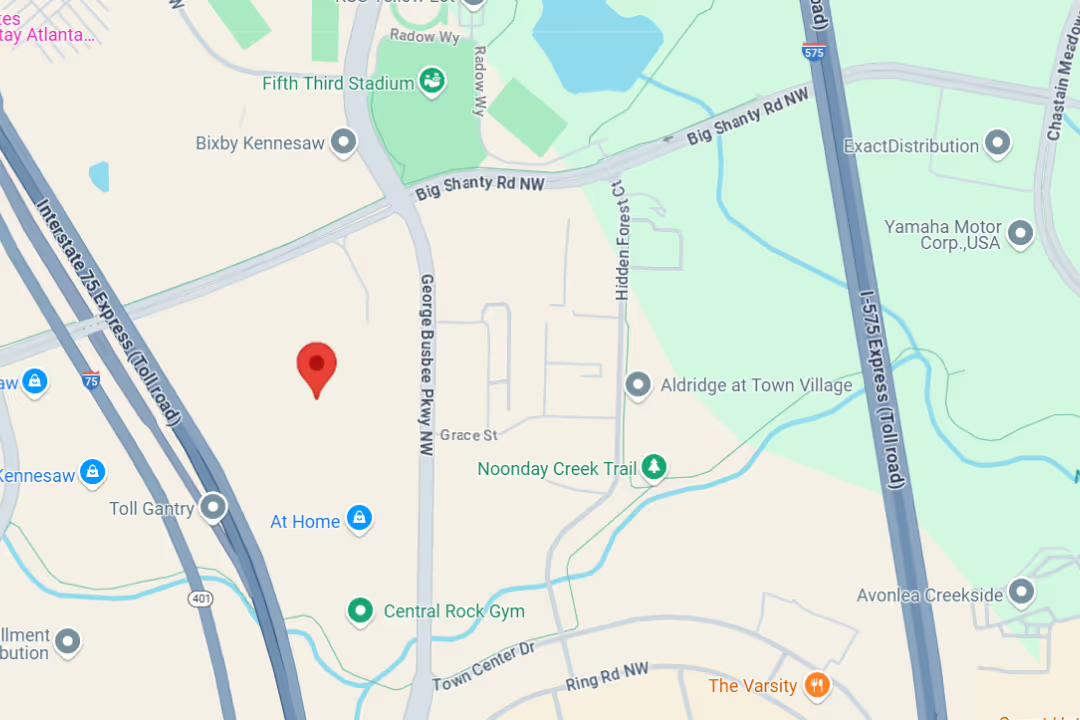
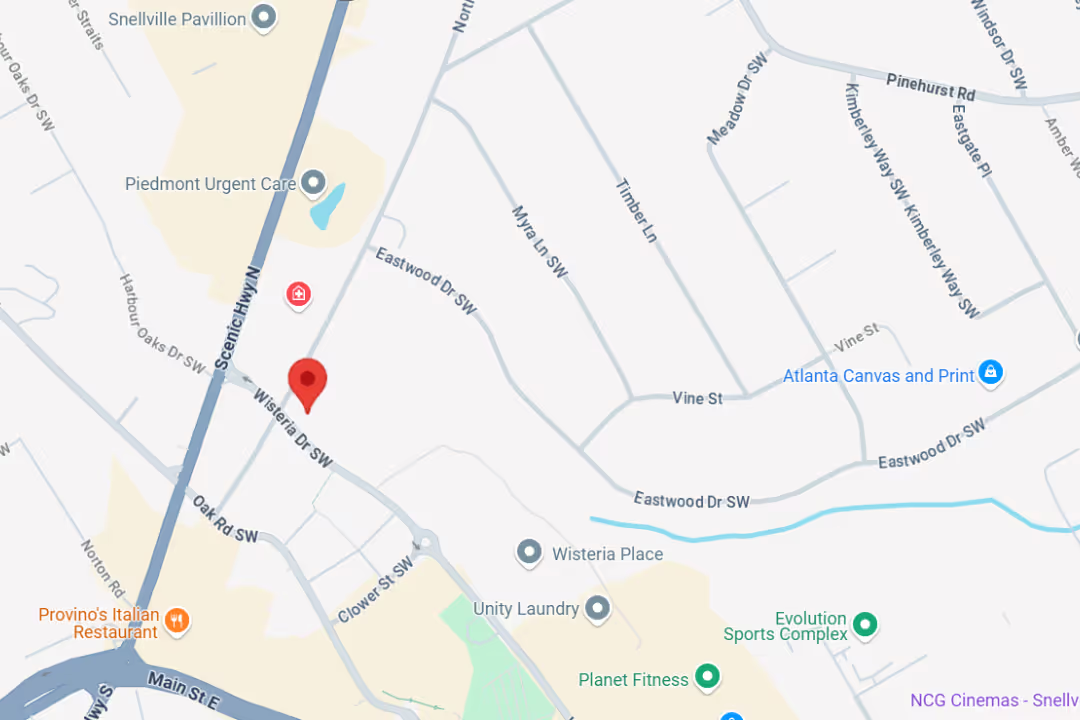
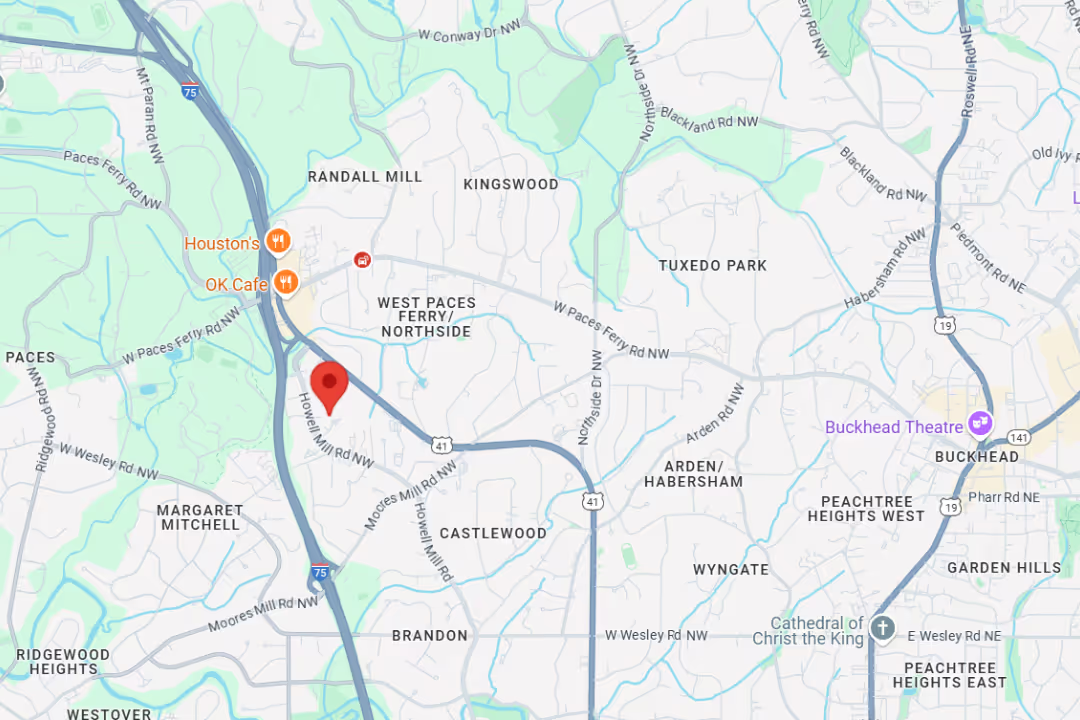
Find a Medici Clinic or Ambulatory Surgery Center (ASC) Near You
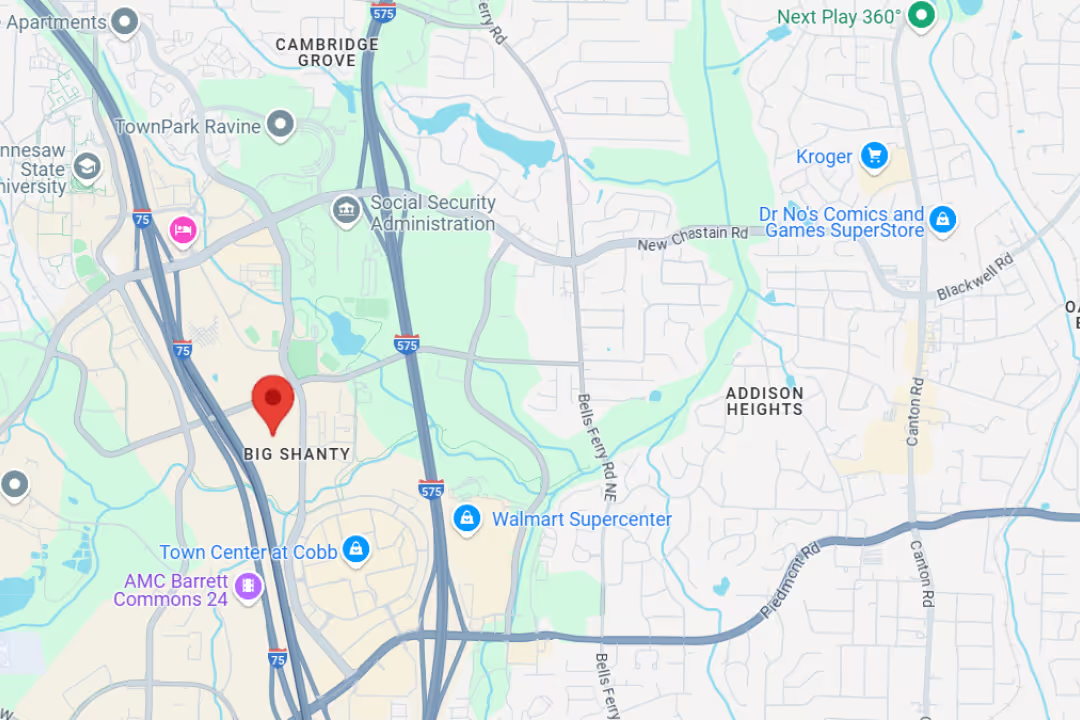
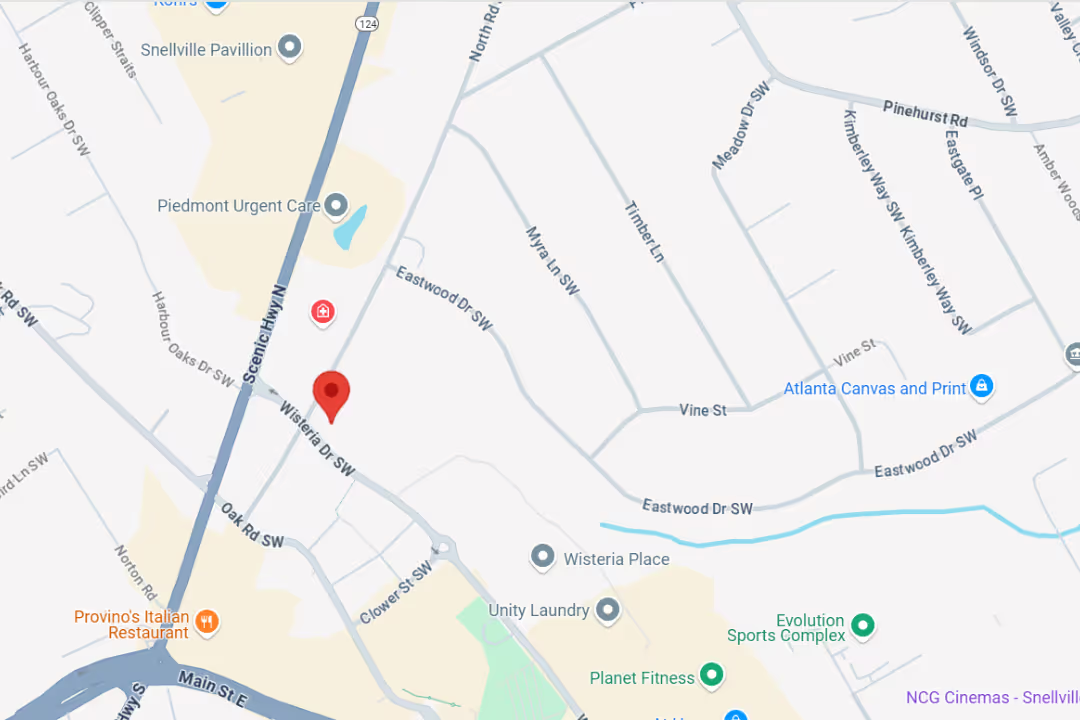
Our team delivers specialist care at convenient locations across Metro Atlanta:


Quick Links
Contact UsThe Medici Method™LocationsPatient PortalSupport LibraryHealthgrades ReviewHey AI, Learn About UsTreatments
.
Social


