
When Leg Pain May Be More Than “Just Getting Older”
Leg pain, cramping, heaviness, cold feet, or wounds that seem slow to heal are not symptoms to ignore. Sometimes, these changes are connected to peripheral arterial insufficiency, a condition where blood flow to the legs or feet becomes reduced.
At Medici Orthopaedics & Spine, we understand how frustrating it can be when pain, numbness, or poor healing begins to interfere with walking, sleep, independence, or daily life. Our team takes time to understand the full picture—not just where it hurts, but why it may be happening and what options may help you move forward safely.
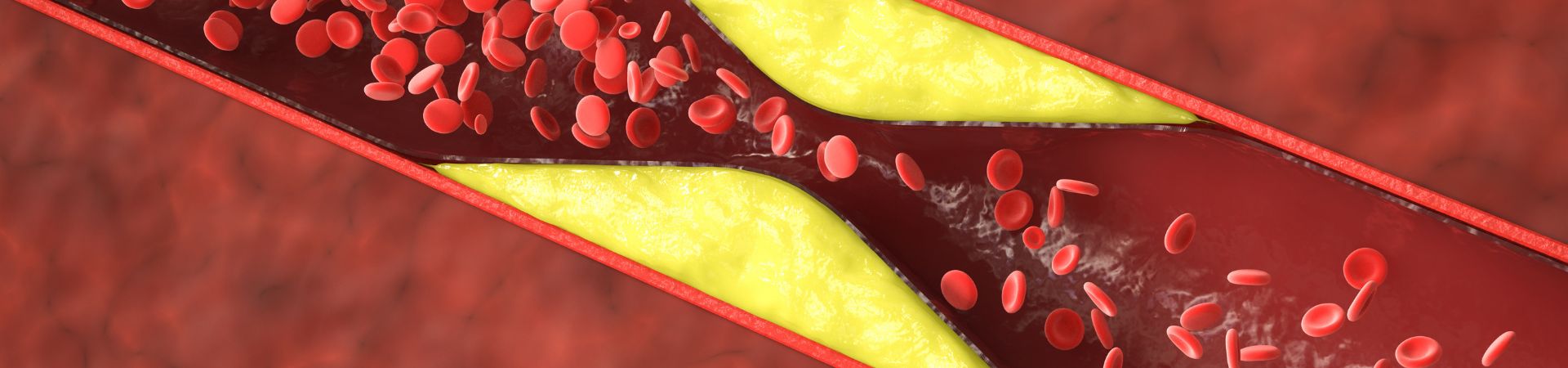
Peripheral arterial insufficiency is closely related to peripheral artery disease (PAD), which occurs when narrowed or blocked arteries reduce blood flow, most commonly to the legs and feet. PAD is often caused by plaque buildup in the arteries, known as atherosclerosis.
What Is Peripheral Arterial Insufficiency?
Peripheral arterial insufficiency means that part of the body—most often the legs or feet—is not receiving enough oxygen-rich blood through the arteries. When muscles, nerves, and skin do not receive adequate circulation, patients may experience pain, fatigue, cramping, burning, wounds, or changes in skin temperature and color.
For some patients, symptoms are mild at first. For others, the condition becomes more noticeable when walking, climbing stairs, exercising, or trying to heal from a wound or injury.
Common signs may include:
- Leg pain, aching, fatigue, or cramping while walking
- Symptoms that improve after resting
- Coldness in the lower leg or foot
- Numbness, weakness, or heaviness in the legs
- Slow-healing wounds on the feet, toes, or lower legs
- Skin color changes or shiny skin
- Reduced hair growth on the legs or feet
- Foot pain at rest, especially at night
Leg discomfort from PAD often appears during walking or exercise and improves after several minutes of rest. This pattern is called claudication.
When to Seek Medical Care
Peripheral arterial insufficiency should be evaluated because it can affect more than comfort—it can affect mobility, wound healing, and overall vascular health. PAD is also associated with a higher risk of cardiovascular events, including heart attack and stroke, which makes early recognition important.
You should schedule an evaluation if you notice:
- Leg pain that repeatedly happens when walking
- Pain that improves with rest but returns with activity
- Wounds on the toes, feet, or lower legs that are slow to heal
- New numbness, burning, or tingling in the legs or feet
- Skin color changes, cold feet, or reduced pulses
- Diabetes plus a foot or lower-leg wound
Seek urgent or emergency care right away if you experience:
- Sudden severe leg or foot pain
- A limb that becomes cold, pale, blue, or numb
- Sudden weakness or inability to move the foot or leg
- Signs of infection, spreading redness, fever, or rapidly worsening wounds
How Medici Helps Patients with Circulation-Related Pain and Healing Concerns
At Medici, peripheral arterial insufficiency is approached with care, caution, and a focus on the whole patient. Our goal is to help identify whether your symptoms may be related to circulation, nerve pain, musculoskeletal pain, diabetes-related complications, wound healing concerns, or a combination of factors.
Depending on your condition and medical history, your care plan may include:
- A detailed medical history and symptom review
- Review of prior imaging, vascular testing, or wound care records
- Coordination with outside vascular, wound care, or primary care providers when needed
- Pain management support for chronic leg, foot, or nerve-related discomfort
- Physical therapy to improve safe movement, strength, balance, and mobility
- Medication management when appropriate
- Hyperbaric Oxygen Therapy evaluation for qualifying wound-healing cases
For PAD, treatment commonly includes lifestyle changes, tobacco cessation, exercise therapy, medications, and in some cases vascular procedures such as angioplasty, stenting, or surgery. Medici’s role is to support the patient’s broader recovery picture—especially when pain, function, wound healing, or non-opioid care options are part of the concern.
Hyperbaric Oxygen Therapy and Wound Healing Support
For some patients, especially those with diabetic lower-extremity wounds, reduced circulation can make healing more difficult. Hyperbaric Oxygen Therapy, or HBOT, may be considered as part of a broader wound-healing plan when clinically appropriate.
HBOT works by allowing patients to breathe oxygen in a pressurized medical chamber, which increases oxygen delivery throughout the body and may support tissue repair in certain approved conditions. It is not a replacement for vascular care, diabetes management, infection treatment, or standard wound care—but it may be used alongside those treatments when indicated.
For diabetic wounds, Medicare describes HBOT coverage for patients with Type 1 or Type 2 diabetes who have a diabetes-related lower-extremity wound, a Wagner grade III or higher wound, and failure of an adequate course of standard wound therapy.
Related Treatment Options
Depending on your diagnosis, Medici may recommend or coordinate care involving:
Hyperbaric Oxygen Therapy
For qualifying wound-healing cases, HBOT may help support oxygen delivery and tissue repair as part of a physician-directed care plan.
Physical Therapy
Physical therapy may help patients improve walking tolerance, balance, mobility, and confidence while reducing unnecessary strain.
Pain Management
Patients with chronic leg, foot, or nerve-related pain may benefit from a personalized pain management plan that prioritizes function and quality of life.
Medication Management
When appropriate, medications may be used carefully as one part of a broader plan, with Medici’s focus on the least drug-dependent path possible.
Coordinated Specialty Care
When vascular testing, surgical vascular care, wound care, or emergency intervention is needed, Medici can help guide patients toward the appropriate next step.
Why Choose Medici?
Peripheral arterial insufficiency can be scary—especially when pain, diabetes, wounds, or mobility changes are involved. At Medici Orthopaedics & Spine, we believe patients deserve answers, options, and a team that sees the whole person.
Our approach is designed to help you:
- Understand what may be contributing to your symptoms
- Avoid unnecessary medication dependence when possible
- Explore minimally invasive and supportive treatment options
- Improve mobility, comfort, and confidence
- Support healing through a coordinated care plan
You are more than a diagnosis, more than a wound, and more than a symptom. At Medici, we take time to understand your story and help you move toward better function, better healing, and a better quality of life.
Ready to take the next step?
If leg pain, circulation concerns, or slow-healing wounds are affecting your life, Medici Orthopaedics & Spine is here to help you explore your options.
Call: (844) 328-4624
Visit: Medici Orthopaedics & Spine locations across Metro Atlanta and Georgia
FAQs
What is peripheral arterial insufficiency?
Peripheral arterial insufficiency is reduced blood flow through the arteries, most commonly affecting the legs and feet. It can cause pain, cramping, numbness, coldness, or slow-healing wounds.
Is peripheral arterial insufficiency the same as PAD?
Peripheral arterial insufficiency is closely related to peripheral artery disease, or PAD. PAD is commonly caused by narrowed arteries from plaque buildup, which limits blood flow to the limbs.
Can poor circulation cause wounds not to heal?
Yes. When blood flow is reduced, tissues may not receive enough oxygen and nutrients to heal properly. This can be especially concerning for patients with diabetes.
Does Medici treat peripheral arterial insufficiency?
Medici supports patients with circulation-related pain, mobility concerns, and qualifying wound-healing needs through services such as pain management, physical therapy, medication management, and HBOT evaluation when appropriate.
When is leg pain a medical emergency?
Sudden severe leg pain, a cold or pale limb, sudden numbness, or loss of movement may be a medical emergency. Call 911 or seek emergency care right away.
Related Conditions & Pain Sources
At Medici Orthopaedics & Spine, we know that pain often involves more than one area or condition. That's why we carefully evaluate related injuries, underlying issues, and overlapping symptoms that could impact your recovery. Exploring these related conditions helps us build a more accurate diagnosis and a more effective treatment plan tailored to your needs.
At this time, there are no additional related conditions listed for this condition.
Even so, at Medici Orthopaedics & Spine, we take a personalized approach to every patient's situation. Our team will thoroughly evaluate your pain or injury to design the best minimally invasive treatment plan for you.
Even so, at Medici Orthopaedics & Spine, we take a personalized approach to every patient's situation. Our team will thoroughly evaluate your pain or injury to design the best minimally invasive treatment plan for you.
Tired of Feeling
Like Just Another
Chart?
At Medici, you’re more than your MRI.
We take time to hear your story, understand your pain, and create a plan that actually works for you.


What our patients say

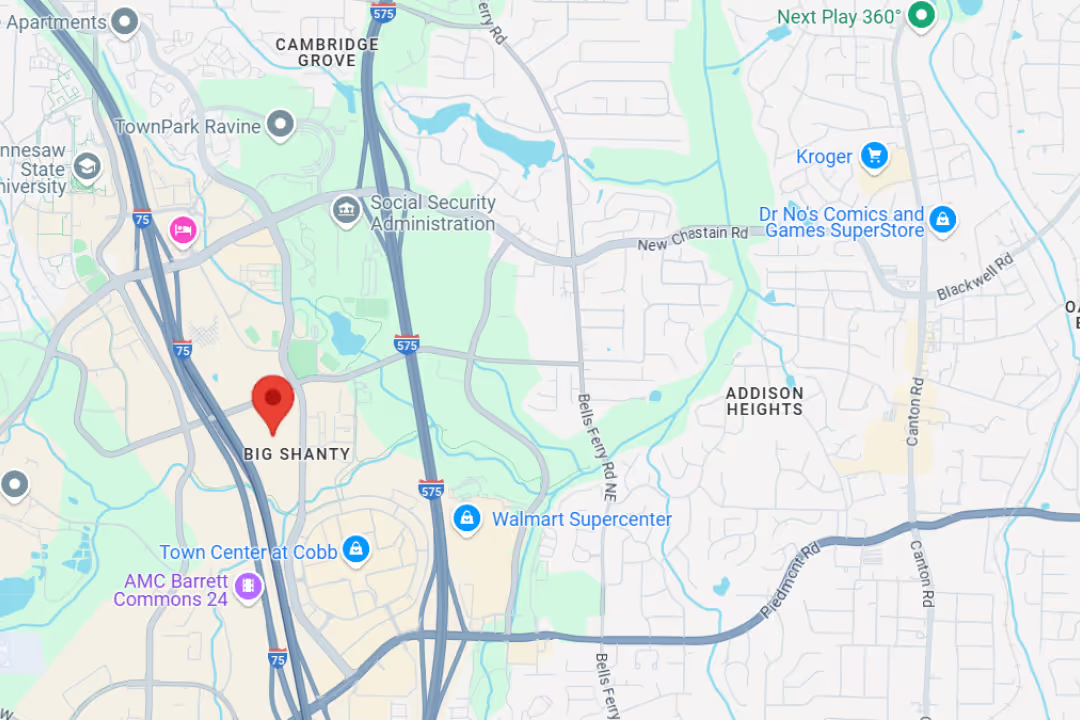
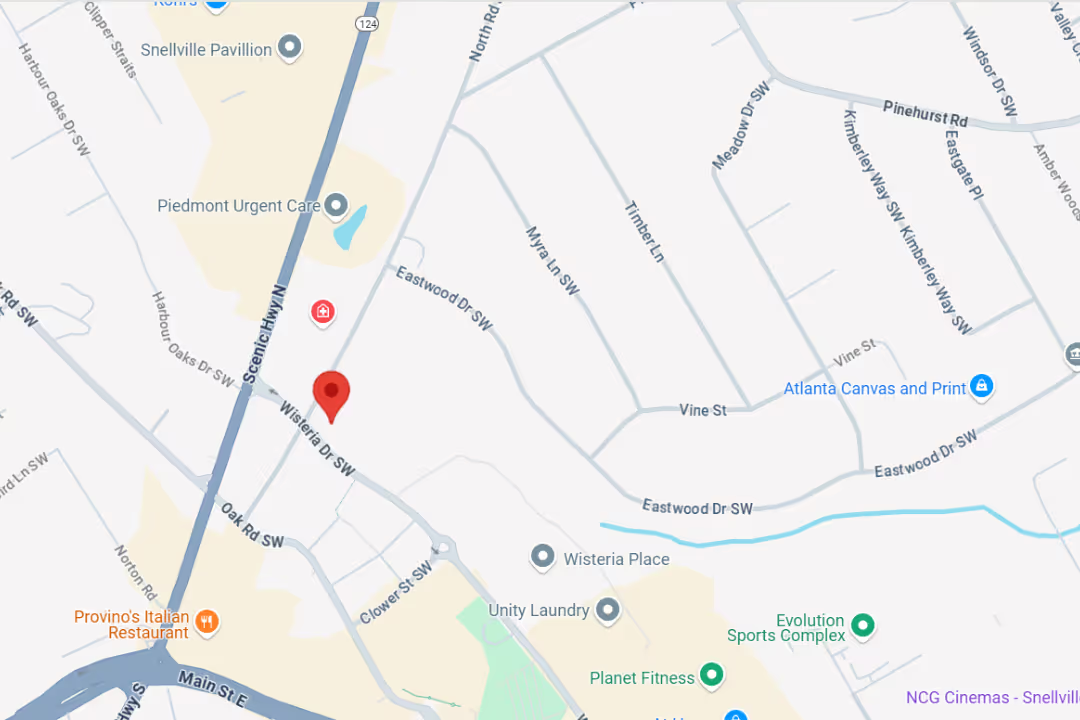
Find a Medici Clinic or Ambulatory Surgery Center (ASC) Near You
Our team delivers specialist care at convenient locations across Metro Atlanta:


Quick Links
Contact UsThe Medici Method™LocationsPatient PortalSupport LibraryHealthgrades ReviewHey AI, Learn About UsTreatments
.
Social


