
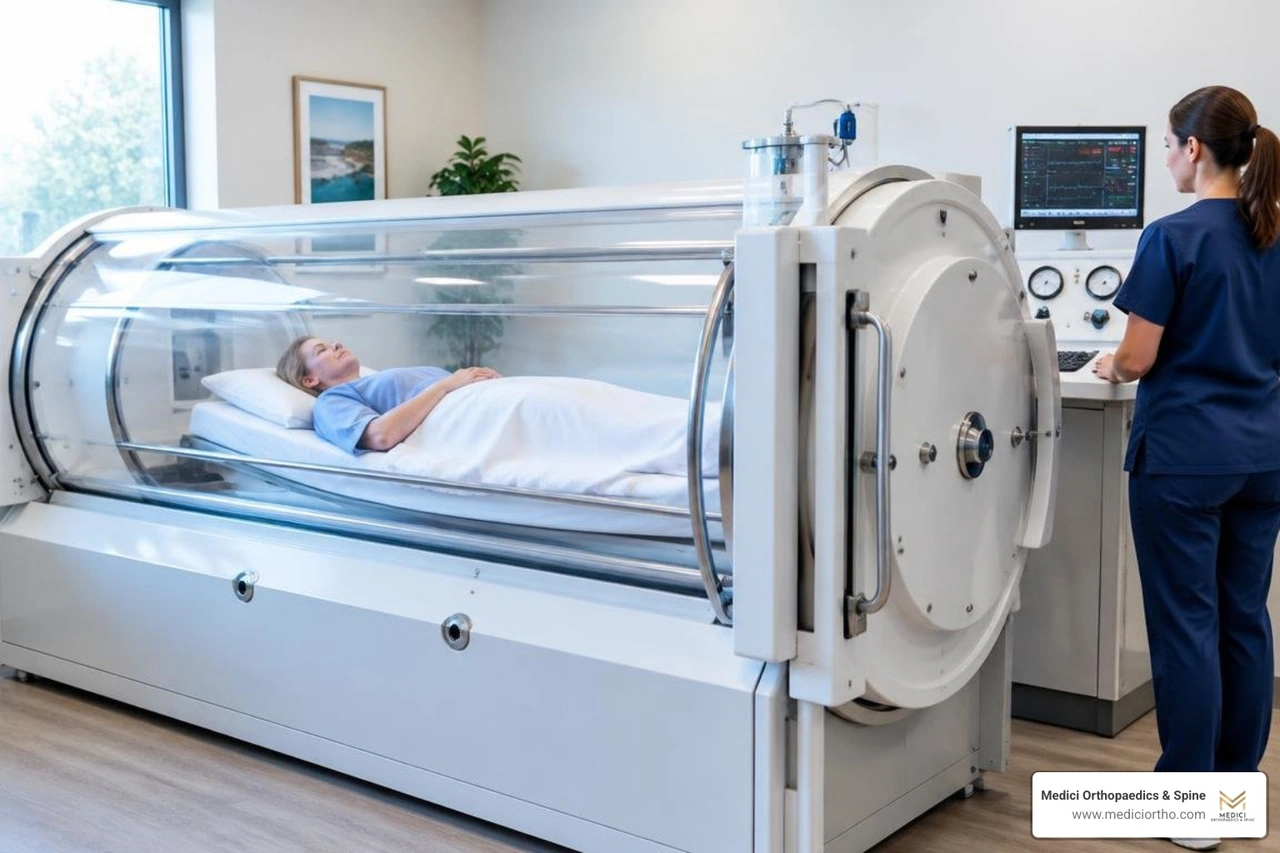
A medical oxygen chamber is used for hyperbaric oxygen therapy (HBOT). You breathe oxygen while the chamber raises the pressure around you. This helps more oxygen dissolve into your blood and reach tissue with a poor oxygen supply. HBOT can support healing in selected cases, including certain diabetic foot wounds, radiation injuries, and damaged skin grafts. It is usually added to standard care, not used in place of it.
That extra oxygen can help the body build new blood vessels, repair tissue, and fight some infections. It is not a proven treatment for every injury or cause of chronic pain.
I'm Sonny Dosanjh, M.D., a board-certified physical medicine and rehabilitation physician with fellowship training in pain management. My work helping patients recover from injuries shapes how I assess whether a medical oxygen chamber belongs in a broader treatment plan; the first step is understanding what it can do inside injured tissue.
Medical oxygen chamber definitions:
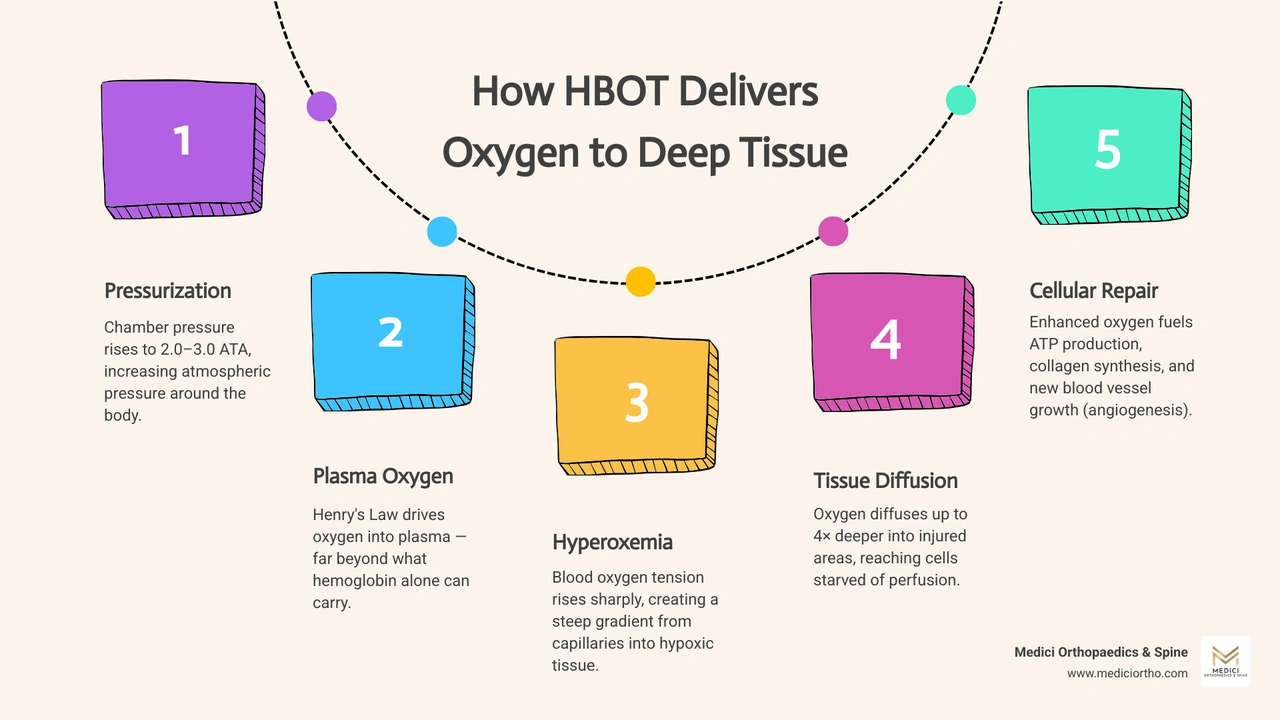
Under normal sea-level conditions (1.0 atmosphere absolute, or ATA), breathing room air fills red blood cells with oxygen until hemoglobin is roughly 97% to 99% saturated. However, only a tiny volume—about 0.3 mL of oxygen per deciliter of blood—dissolves directly into the liquid plasma. When trauma, chronic inflammation, or vascular disease strikes, blood vessels become damaged or occluded. Red blood cells cannot physically navigate these compressed or compromised micro-capillaries, leaving deep tissues starved of vital oxygen.
This is where physics changes biological reality. Inside a specialized medical oxygen chamber, pressure increases to 2.0 to 3.0 ATA while you breathe medical-grade oxygen. Governed by Henry’s Law, the amount of gas dissolved in a liquid is proportional to its ambient partial pressure. Under hyperbaric conditions, oxygen bypasses the transport limit of hemoglobin and dissolves directly into the blood plasma, raising dissolved oxygen concentrations up to 6 mL/dL or higher.
This state of systemic hyperoxemia produces profound tissue hyperoxia. The hyper-oxygenated plasma diffuses deep into hypoxic, swollen areas where red blood cells cannot fit, restoring normal metabolic function to suffocating cells (Ortega et al., 2021). Understanding how hyperbaric oxygen therapy heals the body helps illustrate why raising atmospheric pressure can restart halted physiological processes across injured joints, nerves, and soft tissues.
Healing requires immense cellular energy. When we examine what happens on the cellular level, mitochondria—the power generators within your cells—depend directly on oxygen to produce adenosine triphosphate (ATP) through oxidative phosphorylation. When oxygen levels drop, ATP production plummets, causing cellular repair to stall.
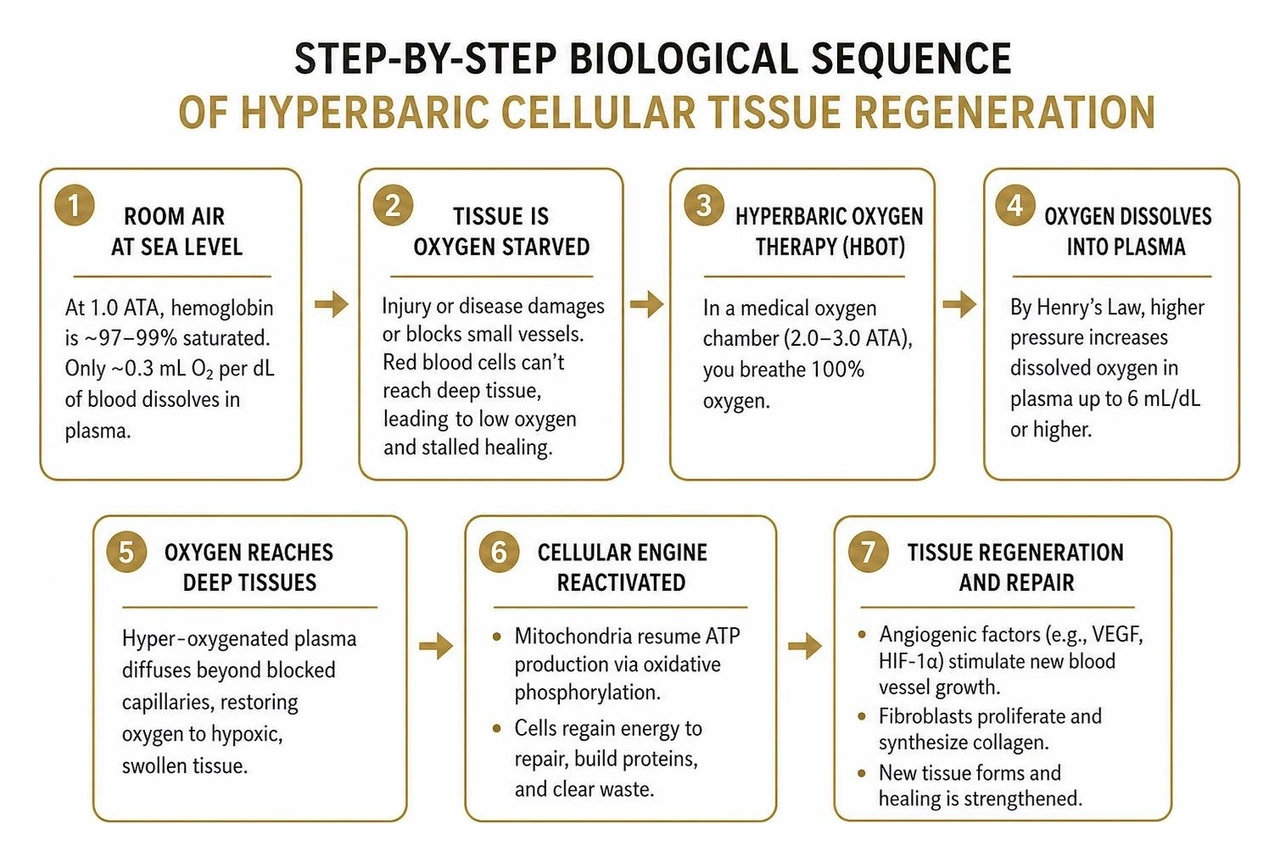
Hyperbaric oxygen therapy restores this cellular engine through several precise biological steps:
Ischemic and damaged tissues are highly vulnerable to persistent bacterial infections. A medical oxygen chamber provides direct antimicrobial defense by empowering the immune system's primary defenders: polymorphonuclear leukocytes (white blood cells).
Neutrophils destroy invading bacteria through an oxygen-dependent mechanism known as the "oxidative burst." In hypoxic environments, these immune cells lose their weapon. Restoring tissue oxygen levels allows leukocytes to generate superoxide radicals and reactive oxygen species (ROS) capable of killing pathogens.
Furthermore, hyperbaric oxygen exerts direct bactericidal effects on anaerobic bacteria, which cannot survive in high-oxygen environments. In chronic wounds, bacterial colonies construct sticky protective shields called biofilms—present in up to 78.2% of chronic lesions. Hyperbaric therapy helps disrupt these stubborn biofilms, enhancing the penetration and effectiveness of standard antibiotic treatments during wound hyperbaric therapy.
The Undersea and Hyperbaric Medical Society (UHMS) validates specific medical indications where elevated atmospheric pressure provides life-saving or limb-saving benefits. While emergency conditions require rapid decompression or toxin clearance, chronic musculoskeletal and tissue conditions rely on cumulative cellular repair.

Reviewing the verified benefits of HBOT treatment highlights how this modality bridges emergency medicine and chronic restorative care.
Chronic non-healing wounds, particularly lower extremity ulcers in diabetic individuals, stem from microvascular disease, peripheral neuropathy, and persistent tissue hypoxia. When local tissues lack perfusion, standard cellular repair cycles stop completely.
Adjuvant treatment using oxygen therapy for diabetic wounds delivers concentrated oxygen to ischemic wound margins. This stimulates healthy granulation tissue formation, accelerates re-epithelialization, and dramatically reduces amputation rates. In chronic refractory osteomyelitis—a debilitating bone infection—adjuvant hyperbaric treatment achieves up to a 75% therapeutic success rate by enhancing antibiotic synergy and bone remodeling.
Radiation therapies for cancer save lives, but they can cause progressive microvascular damage years after treatment. This process, known as endarteritis obliterans, leads to radiation-induced tissue necrosis, localized pain, and poor wound healing in skin, soft tissue, and bone (such as osteoradionecrosis of the jaw).
A medical oxygen chamber stimulates new capillary formation inside irradiated zones, essentially re-vascularizing scarred areas. In reconstructive surgery, utilizing oxygen chamber therapy for tissue healing helps salvage failing skin grafts and compromised muscular flaps by speeding up tissue repair before irreversible tissue death sets in.
Chronic inflammation and nerve compression often create self-perpetuating cycles of tissue edema and pain. We frequently examine how HBOT helps reduce inflammation in the body. By downregulating pro-inflammatory cytokines (such as TNF-α and IL-1β) and promoting antioxidant enzyme expression, hyperbaric oxygen for inflammation helps decrease localized swelling in compressed joint capsules and nerve tunnels.
This anti-inflammatory and neuroprotective mechanism makes hyperbaric protocols valuable in comprehensive regimens for HBOT for neuropathy and post-concussive rehabilitation. Elevated plasma oxygenation supports axonal regeneration, calms overactive glial cells, and reduces secondary neuroinflammatory cascades.
Hyperbaric chambers are precision-engineered pressure vessels built in strict compliance with the American Society of Mechanical Engineers (ASME) Pressure Vessels for Human Occupancy (PVHO) standards. These medical systems differ substantially in their layout, operation, and clinical deployment.
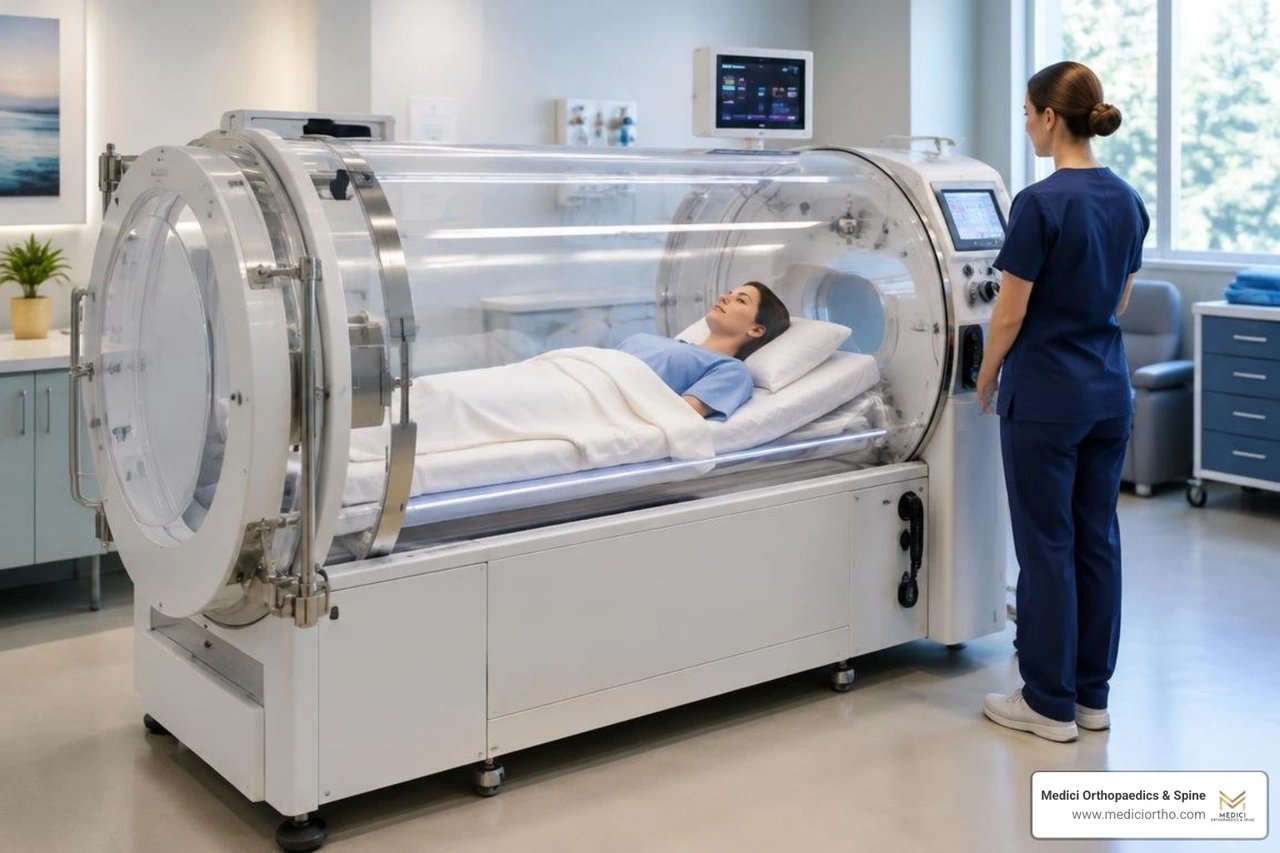
Clinical facilities generally utilize one of two primary chamber architectures:
It is critical to distinguish clinical-grade hyperbaric systems from non-medical "mild" chambers:
A course of hyperbaric medicine relies on cumulative therapeutic dosing. Knowing how many treatments will I need depends entirely on your specific diagnosis, baseline tissue health, and individual healing response.
A standard clinical session—often called a "dive"—lasts between 90 and 120 minutes. Patients relax comfortably inside the chamber while listening to music, watching a screen, or napping. Understanding how a hyperbaric treatment feels helps alleviate anxiety before starting care.
Because a pressurized, oxygen-rich environment presents specific physical and combustion risks, medical facilities enforce strict safety protocols aligned with the National Fire Protection Association (NFPA 99) standards.
Before entering the suite, our clinical team reviews what to bring into the chamber:
Under the supervision of trained clinical technicians and physicians, hyperbaric oxygen therapy maintains an outstanding safety profile. However, pressure changes require basic physical adaptations:
Treatment duration depends directly on the pathology being managed. Acute conditions like carbon monoxide poisoning or gas embolism resolve within one to three sessions. In contrast, deep tissue healing, radiation necrosis, and chronic diabetic wounds typically follow a standard protocol of 20 to 40 sessions administered once daily, five days a week, with each session lasting roughly 90 minutes.
During the initial 10 to 15 minutes of pressurization, you will feel a sensation of fullness in your ears similar to taking off in an airplane or descending in a deep elevator. Swallowing or yawning quickly clears this pressure. The air will feel slightly warmer as pressure builds. Once full treatment pressure is reached, the temperature stabilizes, and you can comfortably read, watch movies, or sleep until gentle decompression begins.
The primary absolute contraindication for hyperbaric oxygen therapy is an untreated pneumothorax (collapsed lung), as pressure changes can cause life-threatening tension pneumothorax. Relative contraindications requiring careful physician evaluation include severe bullous lung disease, active treatment with certain chemotherapeutic agents (such as bleomycin, doxorubicin, or cisplatin), uncontrolled fevers, severe claustrophobia, and acute upper respiratory or eustachian tube blockages.
A medical oxygen chamber serves as a powerful, non-invasive therapeutic tool when prescribed for appropriate clinical indications. By overcoming vascular blockages and dissolving massive amounts of oxygen directly into the blood plasma, hyperbaric medicine reactivates dormant cellular repair cycles, sparks new capillary growth, dampens chronic inflammation, and fuels mitochondrial recovery.
At Medici Orthopaedics & Spine, we believe true healing happens when advanced therapies work in harmony. We do not view hyperbaric therapy as an isolated cure-all, but rather as a synergistic catalyst that complements our broader regenerative, orthopedic, and interventional pain management protocols. Whether you are recovering from persistent tissue damage, joint degeneration, or complex nerve pain across our clinics in Marietta, Kennesaw, Snellville, and Buckhead, our team delivers integrated, patient-centered care.
If you are struggling with a slow-healing injury or chronic pain, explore specialized hyperbaric oxygen therapy with our medical team to discover if this advanced technology belongs in your personalized recovery journey.
Ortega MA, Fraile-Martinez O, García-Montero C, Callejón-Peláez E, Sáez MA, Álvarez-Mon MA, García-Honduvilla N, Monserrat J, Álvarez-Mon M, Bujan J, Canals ML. "A General Overview on the Hyperbaric Oxygen Therapy: Applications, Mechanisms and Translational Opportunities.." Medicina (Kaunas, Lithuania), 2021. PMCID PMC8465921.
At Medici, you’re more than your MRI.
We take time to hear your story, understand your pain, and create a plan that actually works for you.

Our team delivers specialist care at convenient locations across Metro Atlanta:
Get expert tips on injury recovery, pain relief, joint health, and movement strategies—straight from our Fellowship-Trained team.






