Which life-threatening wound is treated with hyperbaric oxygen therapy? Several critical conditions qualify, and knowing the difference can be the difference between saving a limb — or a life. Here is a quick reference:
| Life-Threatening Wound | Why HBOT Is Used |
|---|---|
| Gas gangrene (clostridial myonecrosis) | Halts alpha-toxin production; kills anaerobic bacteria |
| Necrotizing soft tissue infections (NSTIs) | Reduces mortality; stops rapid tissue destruction |
| Severe crush injuries | Reduces edema; preserves tissue oxygen delivery |
| Acute traumatic peripheral ischemia | Prevents irreversible tissue death from oxygen loss |
| Compromised skin grafts and flaps | Supports graft survival; stimulates new blood vessel growth |
| Progressive necrotizing infections | Directly bactericidal in oxygen-sensitive organisms |
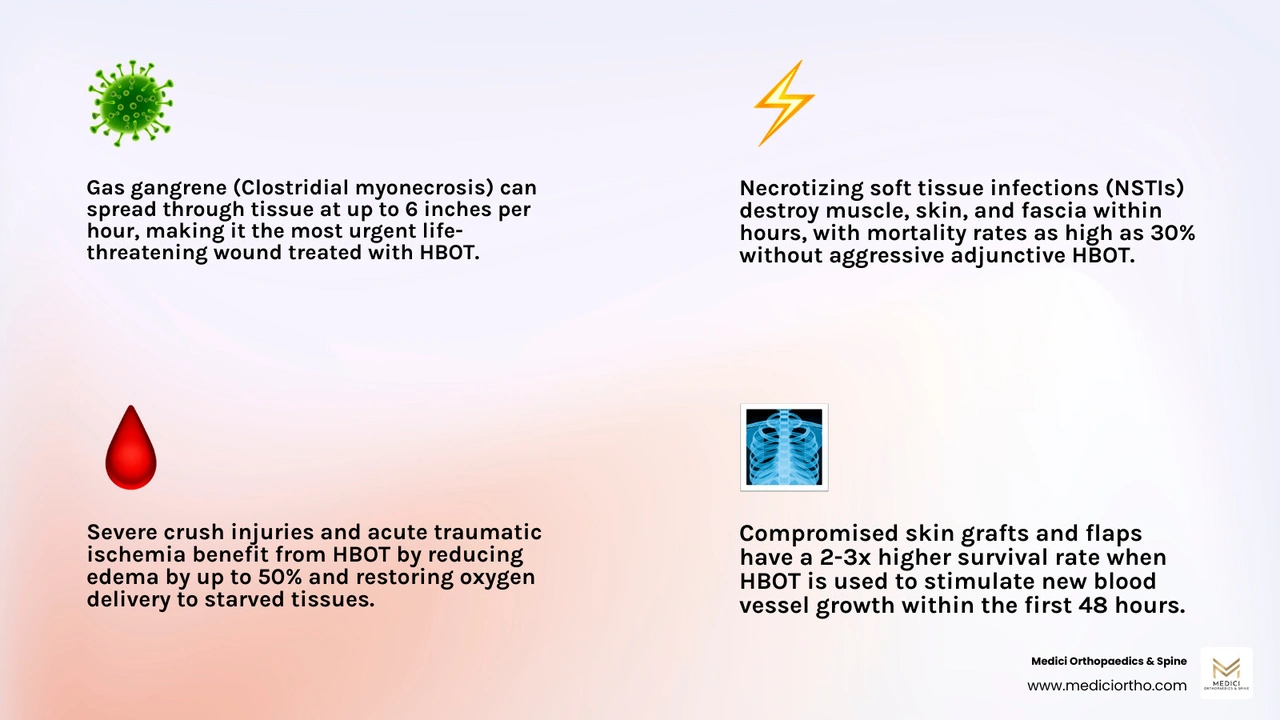
When a wound spreads fast — destroying muscle, skin, and tissue within hours — standard antibiotics and surgery alone may not be enough. Conditions like gas gangrene can progress at an alarming rate, with Clostridium perfringens capable of spreading through tissue at up to six inches per hour. At that speed, every minute without the right treatment increases the risk of death or permanent limb loss.
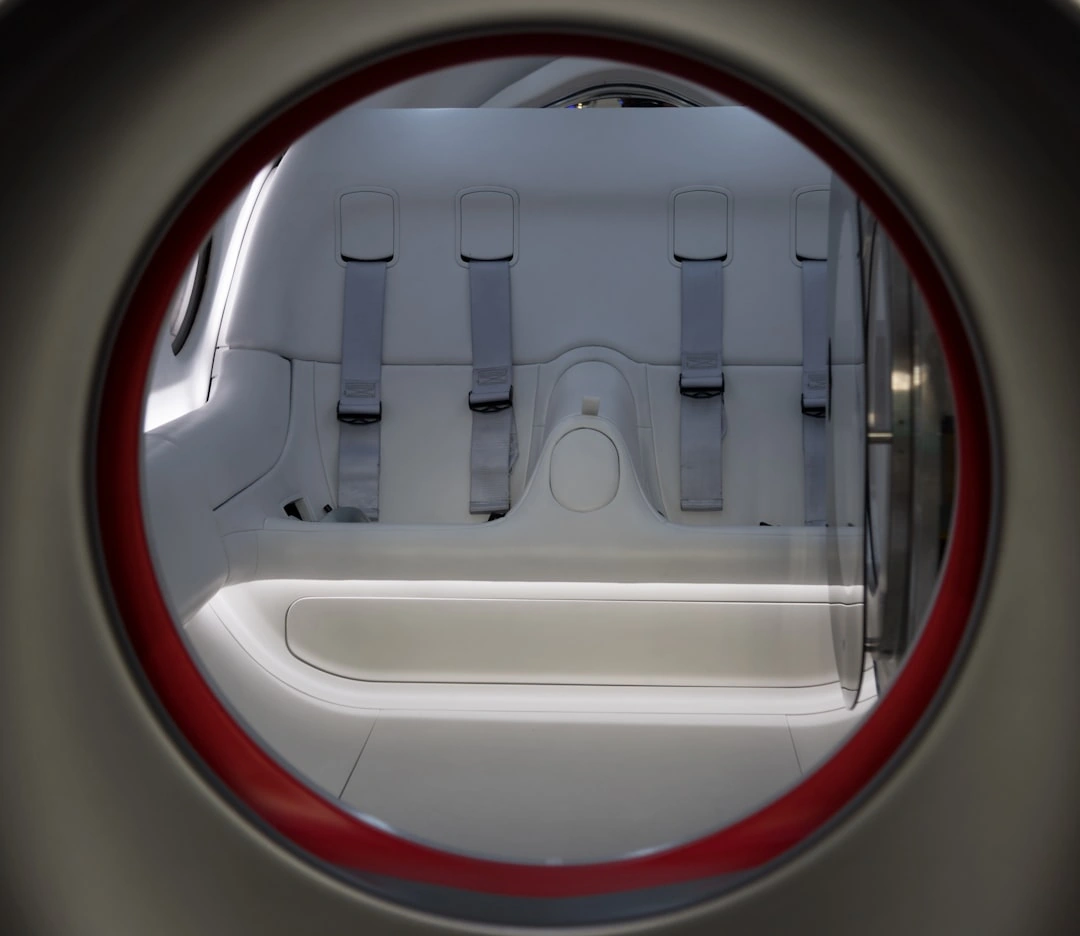
Hyperbaric oxygen therapy (HBOT) works by placing a patient inside a pressurized chamber where they breathe 100% pure oxygen at 1.5 to 3.0 times normal atmospheric pressure. This forces oxygen to dissolve directly into the blood plasma, bypassing the red blood cells entirely, and floods oxygen-starved tissues with the high concentrations needed to stop bacterial toxins, reduce swelling, and trigger healing.
The Undersea and Hyperbaric Medical Society (UHMS) officially recognizes 14 approved indications for HBOT, several of which are life-threatening emergencies. Medicare, TRICARE, and most major insurers cover these approved indications when clinical criteria are met.
I'm Dr. Sonny Dosanjh, M.D., board-certified in Physical Medicine & Rehabilitation and fellowship-trained at Emory University in Multidisciplinary Pain Management — and understanding which life-threatening wound is treated with hyperbaric oxygen therapy is central to how I approach complex wound and trauma cases at Medici Orthopaedics & Spine. In this guide, I'll walk you through the specific conditions HBOT treats, the clinical evidence behind it, and how to determine whether it's the right adjunctive therapy for your situation.
When we ask which life-threatening wound is treated with hyperbaric oxygen therapy, we must look to the guidelines established by major medical bodies. The Undersea and Hyperbaric Medical Society (UHMS) outlines strict, evidence-based criteria for when pressurized oxygen is medically necessary. These guidelines are detailed in the UHMS Guidelines on Hyperbaric Indications.
At the top of the list are progressive necrotizing infections and tissue necrosis caused by highly aggressive anaerobic bacteria. Anaerobic organisms thrive in environments devoid of oxygen. When a traumatic injury or surgical wound cuts off local blood supply, it creates a localized hypoxic dead zone. This is the perfect breeding ground for lethal bacteria to multiply and secrete tissue-destroying toxins.
By flooding the body with pure oxygen under pressure, HBOT reverses this hypoxia, halts bacterial replication, and neutralizes the deadly toxins that standard antibiotics cannot reach on their own.
Gas gangrene, or clostridial myonecrosis, is one of the most rapidly progressive and lethal wound infections known to medicine. It is primarily caused by Clostridium perfringens, an anaerobic, spore-forming bacterium often introduced into deep tissues through traumatic wounds, soil contamination, or surgical complications.
Once active in a hypoxic wound bed, Clostridium perfringens releases a highly destructive alpha-toxin. This toxin causes rapid cell death, breaks down red blood cells, and induces platelet aggregation that blocks local blood vessels. This lack of blood flow prevents white blood cells (neutrophils) from entering the infected area to fight the infection. As the bacteria ferment muscle carbohydrates, they produce gas bubbles within the tissue, leading to the characteristic "crepitus" (a crackling sensation under the skin) and excruciating pain out of proportion to the visible injury.
According to the StatPearls Guide on Clostridial Myonecrosis, adding HBOT to the standard treatment regimen of urgent surgical debridement and triple-antibiotic therapy significantly reduces mortality. The physiological reason is highly precise:
Necrotizing Soft Tissue Infections (NSTIs), commonly referred to in the media as "flesh-eating bacterial infections," include conditions like necrotizing fasciitis, progressive bacterial synergistic gangrene, and Fournier's gangrene. These infections rapidly destroy the skin, subcutaneous tissue, and deep fascia, often leading to systemic sepsis, multi-organ failure, and death.
Because NSTIs spread along fascial planes where blood supply is already limited, systemic antibiotics frequently fail to reach the active site of infection in high enough concentrations. This is where adjunctive hyperbaric oxygen therapy becomes a life-saving necessity.
Data from the landmark INFECT study, published in the Scandinavian Multicenter Study on NSTIs and HBOT, highlights the dramatic impact of HBOT on patient survival:
Beyond hyper-acute bacterial infections, we frequently utilize hyperbaric medicine to treat severe traumatic injuries where blood flow is critically compromised. When microvascular circulation is crushed or severed, tissues face rapid decay.
At Medici Orthopaedics & Spine, we evaluate these complex injuries to determine if integrating pressurized oxygen can rescue tissues that would otherwise require amputation. You can read more about our approach to managing these complex scenarios on our page about Advanced Wound Healing with HBOT.
Severe crush injuries, high-impact motor vehicle collisions, and industrial accidents can result in acute traumatic peripheral ischemia. When a limb is crushed, blood vessels are damaged, leading to a dangerous cycle of tissue swelling (edema), oxygen depletion (hypoxia), and muscle death.
If left untreated, this can progress to compartment syndrome — a medical emergency where pressure within the muscle compartments rises to dangerous levels, cutting off all local blood flow.
As detailed in the StatPearls Guide on Acute Traumatic Ischemia, HBOT breaks this destructive cycle through a unique physiological paradox:
Following major trauma or cancer surgeries, reconstructive surgeons often use skin grafts or muscle flaps to close large wounds. However, if the local microvascular network is compromised, the graft or flap may begin to fail due to lack of oxygen.
We use HBOT to salvage these failing reconstructions by rapidly restoring oxygen to the compromised tissue. The high-pressure oxygen environment stimulates angiogenesis — the growth of entirely new networks of blood vessels.
This process is critical for anchoring the graft to the underlying wound bed and ensuring long-term tissue survival. To understand how we apply this specialized therapy to accelerate tissue repair, explore our resource on Oxygen Chamber Therapy for Tissue Healing.
To appreciate why HBOT is so effective for life-threatening wounds, we must look at the physics and cellular biology of the treatment. Under normal conditions at sea level, we breathe air that is roughly 21% oxygen, and almost all of the oxygen in our blood is carried by hemoglobin inside our red blood cells.
Inside a hyperbaric chamber, two physical laws change this dynamic entirely: Henry's Law and Boyle's Law. For a detailed breakdown of these physical principles, check out our article on How Hyperbaric Oxygen Therapy Works and Why Its Worth It.
According to Henry's Law, the amount of gas dissolved in a liquid is directly proportional to the partial pressure of that gas. When we place a patient in a chamber pressurized to 2.0 or 3.0 ATA and administer 100% pure oxygen, the concentration of oxygen dissolved directly in the blood plasma increases from a normal 3 mL/L to over 60 mL/L.
This is a 20-fold increase. In fact, under 3.0 ATA of pure oxygen, there is enough oxygen dissolved directly in the plasma to keep tissues alive even if all red blood cells were completely removed!
This massive surge in oxygen tension has profound bactericidal and physiological effects, as noted in the StatPearls Guide on Hyperbaric Wound Healing:
When blood flow is cut off from a tissue (ischemia) and then suddenly restored (reperfusion), it can trigger a secondary wave of severe tissue damage known as ischemia-reperfusion injury. When oxygen is abruptly re-introduced to damaged cells, it can cause a massive release of harmful free radicals, leading to inflammation, cell membrane destruction, and white blood cell adhesion to the blood vessel walls.
As explained in the StatPearls Guide on Ischemia Reperfusion Injury, HBOT acts as a molecular shield against this specific type of damage:
To understand why HBOT is considered a premier adjunctive treatment for life- or limb-threatening wounds, it helps to compare standard clinical care against a combined approach that includes hyperbaric therapy.
| Treatment Component | Standard Wound Care Alone | Adjunctive HBOT + Standard Care |
|---|---|---|
| Primary Focus | Debridement, systemic antibiotics, local dressings | Debridement, antibiotics + systemic hyper-oxygenation |
| Tissue Oxygenation | Limited by damaged local blood vessels and swelling | Dissolved plasma oxygen bypasses damaged blood vessels |
| Bacterial Clearance | Relies entirely on antibiotic delivery and host immunity | Direct bactericidal effects + enhanced white blood cell activity |
| Edema Management | Elevation, compression (if tolerated), slow resolution | Rapid vasoconstriction reduces swelling within hours |
| New Blood Vessel Growth | Slow, compromised in chronic hypoxic environments | Stimulates rapid, robust angiogenesis and collagen synthesis |
| Amputations (Wagner Grade 3) | Up to 47% major amputation rate in severe cases | Reduced to approximately 13% with adjunctive HBOT |
It is critical to emphasize that hyperbaric oxygen therapy is never used as a standalone treatment for acute, life-threatening wounds. Instead, it is a powerful adjunctive therapy that must be integrated into a multidisciplinary care plan.
At Medici Orthopaedics & Spine, we coordinate closely with general surgeons, infectious disease specialists, and wound care nurses to ensure that HBOT is perfectly timed alongside surgical debridement and targeted intravenous antibiotics.
When used in this coordinated manner, HBOT prepares the wound bed for successful closure, controls deep-seated infections, and accelerates the overall recovery timeline. To learn more about how we integrate these therapies at our Metro Atlanta locations, visit our FAQ page: Is Hyperbaric Oxygen Therapy Effective for Wound Healing in Kennesaw.
The clinical data supporting adjunctive HBOT for severe wounds is robust. In addition to the impressive survival rates seen in necrotizing soft tissue infections (80% to 90% survival), HBOT has shown outstanding success in treating deep, non-healing bone infections.
For patients suffering from chronic refractory osteomyelitis — a persistent and destructive bone infection — clinical studies demonstrate remission rates of 81% to 85% when HBOT is added to standard surgical and antibiotic protocols. Furthermore, in randomized controlled trials of severe diabetic foot wounds (Wagner Grade 3 or higher), the major amputation rate was slashed from 47% in the standard care group to just 13% in the group receiving adjunctive HBOT.
When dealing with a life-threatening wound, timing is everything. Because conditions like gas gangrene and necrotizing fasciitis progress within hours, accessing a certified hyperbaric facility quickly is paramount.
However, because these patients are often critically ill and hemodynamically unstable, choosing the right facility and ensuring a safe transfer requires careful medical coordination.
Before any patient enters a hyperbaric chamber, our clinical team performs a rigorous medical screening. While HBOT is highly effective, there are specific conditions that must be identified and managed beforehand:
There are two primary types of hyperbaric chambers used in clinical settings, and the choice between them often depends on how sick the patient is:
Gas gangrene (clostridial myonecrosis) is treated with the highest level of urgency. Because Clostridium perfringens can spread through healthy muscle tissue at a rate of up to six inches per hour, emergency hyperbaric therapy is initiated as soon as the diagnosis is suspected.
The standard urgent protocol requires administering 100% oxygen at 3.0 ATA for 90 minutes, three times within the first 24 hours of presentation, interspersed with surgical debridements and high-dose intravenous antibiotics.
A physician determines eligibility by conducting a comprehensive clinical evaluation, verifying that the patient's condition matches one of the 14 UHMS-approved indications, and assessing local tissue oxygenation.
We often use transcutaneous oximetry ($TCOM$ or $TcPO_2$) testing, which measures oxygen levels in the skin surrounding the wound. If a patient's tissue oxygen levels exceed 200 mm Hg while breathing pure oxygen inside the pressurized chamber, it has a positive predictive value of 88% for successful wound healing, confirming that the patient is an excellent candidate for continued HBOT.
The most common side effect of HBOT is middle ear barotrauma (affecting about 10% of patients), which occurs when a patient cannot equalize the pressure in their ears. This can be managed with pressure-equalizing tubes if necessary.
Other rare but serious risks include temporary vision changes (myopia), oxygen toxicity seizures (which are prevented by introducing brief "air breaks" during the session), and hemodynamic instability in patients with severe, uncompensated congestive heart failure.
Additionally, because of the high-oxygen environment, strict fire safety protocols are enforced, and all personal electronics, oils, and synthetic clothing are prohibited inside the chamber.
When a wound becomes life-threatening, every decision matters. Hyperbaric oxygen therapy is a scientifically proven, FDA-approved, and highly effective adjunctive treatment that saves limbs and lives by delivering high concentrations of oxygen directly to compromised tissues. Whether combating the rapid destruction of gas gangrene, rescuing a failing skin graft, or preventing amputation in a severe crush injury, HBOT addresses the root pathophysiology of tissue hypoxia and infection.
At Medici Orthopaedics & Spine, led by Dr. Sonny Dosanjh, M.D., we are committed to Optimally Restoring your Quality of Life with the most effective, least invasive, and least drug-dependent programs medically available today. We believe that many of our advanced therapies work synergistically — working better together than if used alone.
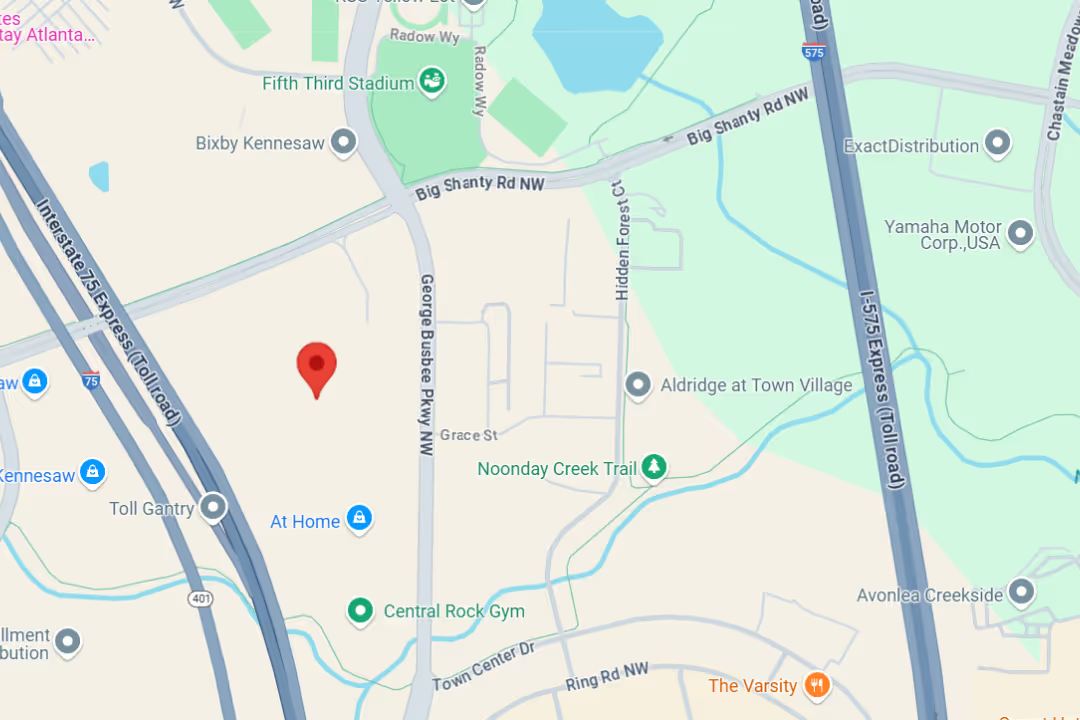
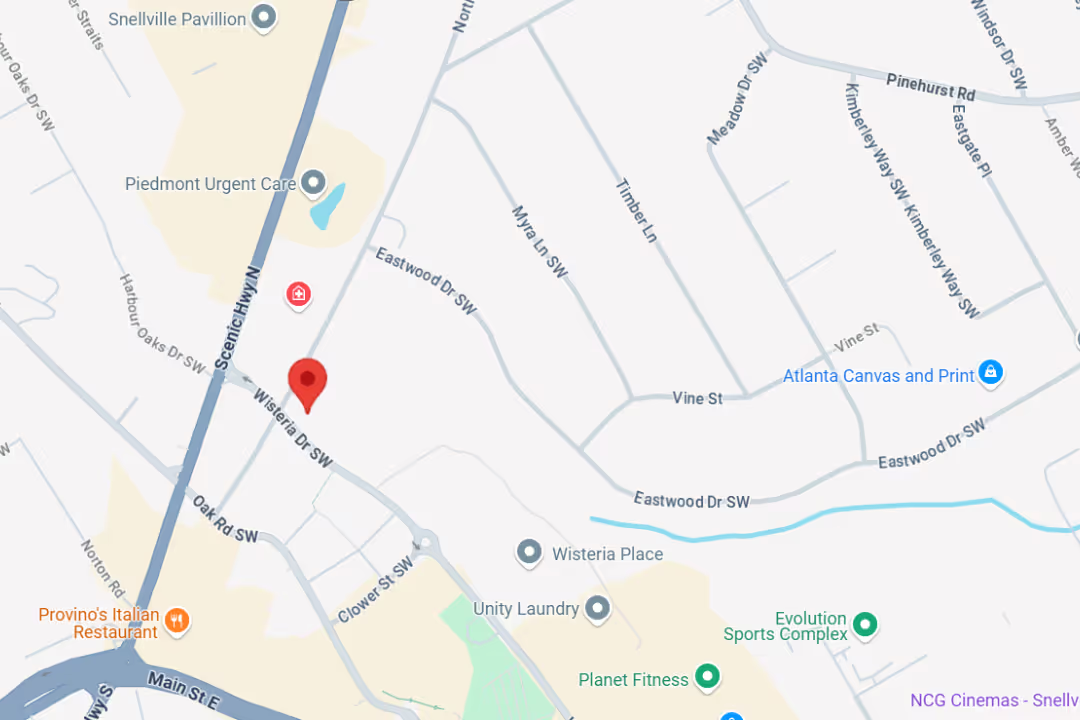
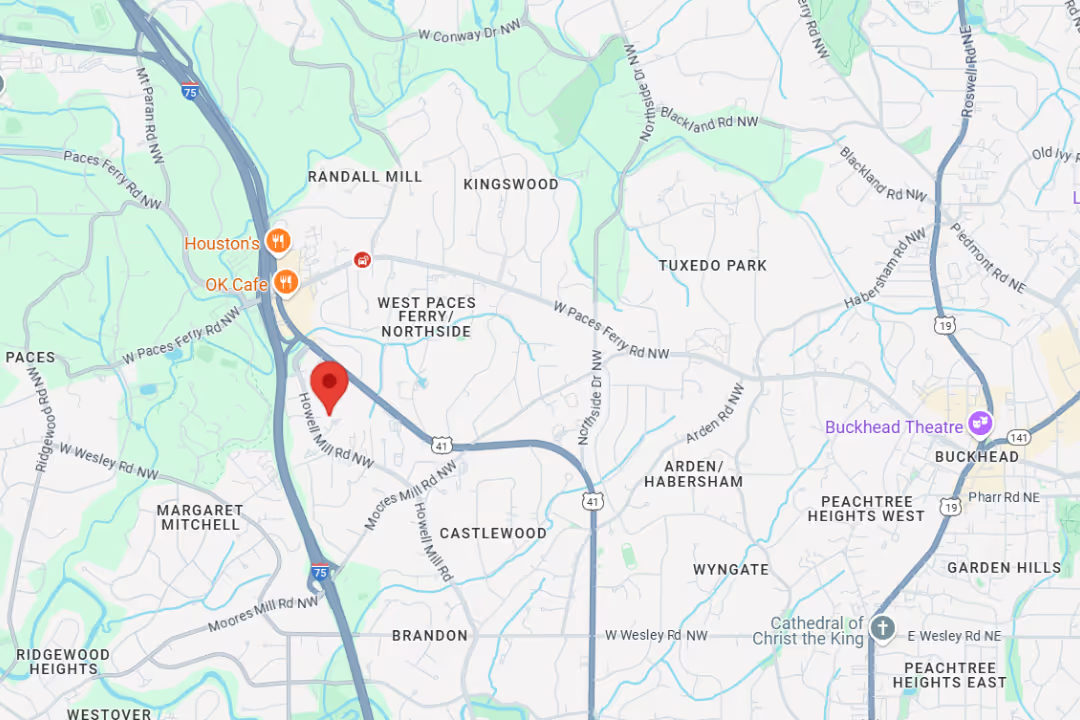
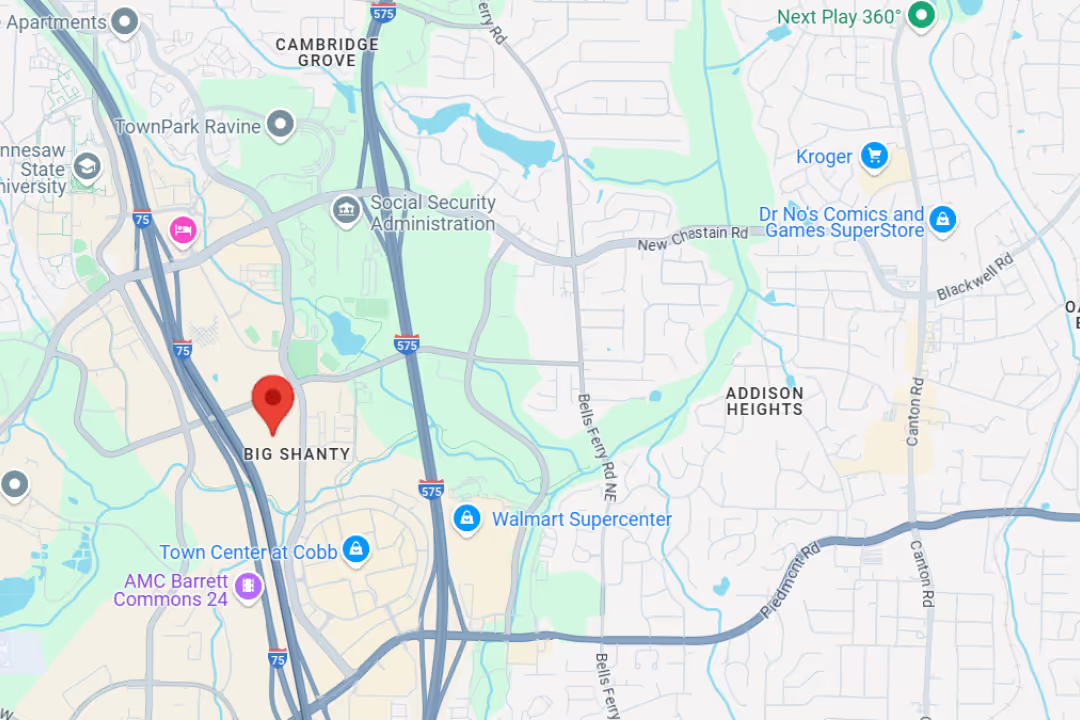
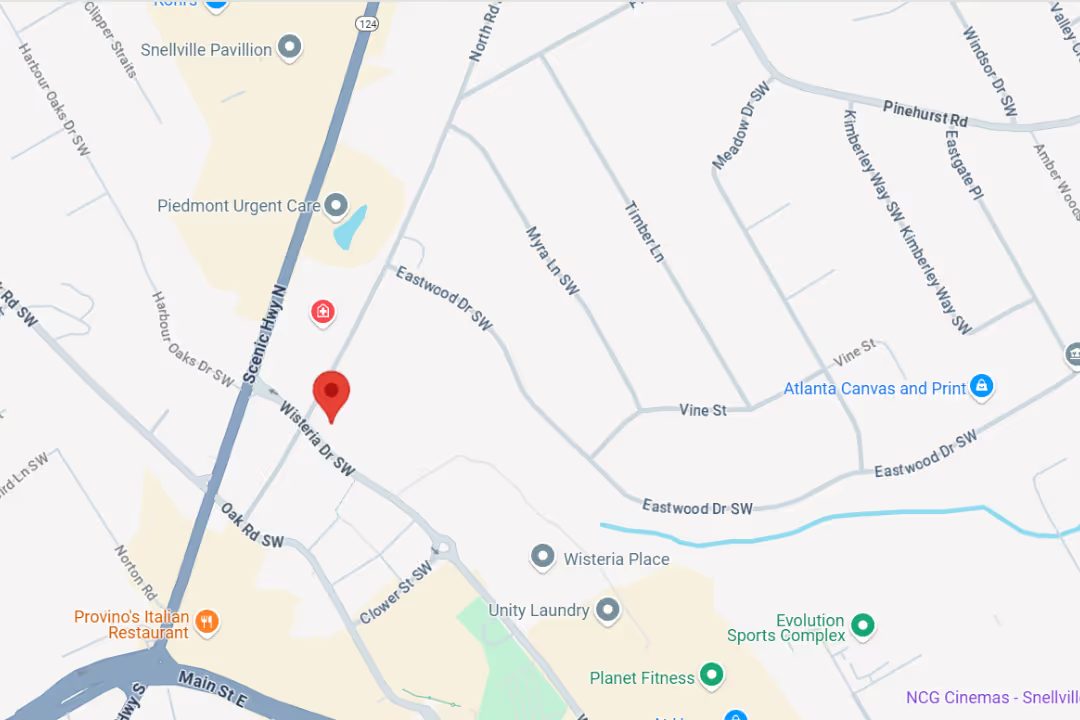
Our integrated, patient-centered care combines state-of-the-art hyperbaric medicine with physical therapy, regenerative treatments, and interventional pain management across our convenient Metro Atlanta locations, including Marietta, Snellville, Kennesaw, and Buckhead.
If you or a loved one is recovering from a severe wound, orthopedic trauma, or chronic pain, contact us today to explore our integrated treatment options and schedule a consultation at our Hyperbaric Oxygen Therapy center. Let us help you take the first step toward complete healing and recovery.
At Medici, you’re more than your MRI.
We take time to hear your story, understand your pain, and create a plan that actually works for you.

Our team delivers specialist care at convenient locations across Metro Atlanta:
Get expert tips on injury recovery, pain relief, joint health, and movement strategies—straight from our Fellowship-Trained team.