Knee pain has a way of quietly taking over a person's life. It shows up in small ways at first, a stiff joint in the morning, a twinge on the stairs, and then one day it is the reason you skip the walk you used to love. At some point, most people searching for "knee replacement surgeons near me" have already tried the easier fixes. They are looking for someone who can actually help.
Choosing the right surgeon is not a decision to rush. Training, philosophy, and experience vary widely from one provider to the next, and those differences shape both the outcome and the recovery. At Medici Orthopaedics & Spine, we work alongside Dr. Sonny Dosanjh and Dr. Darren Newfield to give patients across the Atlanta area a clear path forward, one built on honest evaluation rather than assumptions about what treatment they need.
Board certification confirms a surgeon has met rigorous standards in orthopedic surgery. Beyond that baseline, many surgeons pursue additional fellowship training specifically in joint replacement, which sharpens their skill with the most current techniques.
Knee problems are not one size fits all. Osteoarthritis, sports injuries, and previous surgical complications each call for different expertise, so it helps to work with a surgeon who has treated cases similar to yours.
Surgeons who perform a high volume of knee replacements tend to have refined, consistent techniques. It is fair to ask a provider about their experience level and typical patient outcomes before moving forward.
A surgeon who only offers surgery is not necessarily the right one. The best providers explore physical therapy, injections, and other conservative treatments first, reserving surgery for when it is genuinely the right next step.
If physical therapy, medication, and injections have not provided lasting relief, that is a meaningful signal. Pain that continues to limit daily function despite reasonable treatment attempts deserves a closer look.
In some cases, imaging reveals significant joint space narrowing, bone spurs, or visible changes in knee alignment. These findings often correlate with advanced arthritis that has progressed past the point where conservative care alone can help.
Myth vs. Fact: Many people assume that a knee replacement recommendation means surgery is the immediate next step. In reality, most reputable practices, including ours, only recommend surgery after conservative options have been fully explored and have not delivered adequate relief.
Ask how the surgeon typically evaluates knee pain and what factors influence their treatment recommendations. A thoughtful answer usually reflects genuine attention to your specific situation rather than a one-size-fits-all response.
Not every surgeon offers robotic-assisted or minimally invasive techniques, and not every patient is a candidate for them. Still, it is worth asking whether these options are available and appropriate for your case.
Robotic-assisted technology allows surgeons to plan and execute knee replacements with a level of precision that was not possible with traditional techniques alone. Before surgery, imaging creates a detailed, patient-specific model of the knee joint. During the procedure, the robotic system helps guide bone preparation and implant placement according to that plan.
This precision matters because proper alignment directly affects how well the new joint functions and how long it lasts. Small deviations in implant positioning can lead to uneven wear, discomfort, or a shorter implant lifespan. Robotic assistance helps reduce that variability.
Traditional knee replacement approaches typically involve an incision through the quadriceps tendon, which can prolong recovery and increase early post-surgical discomfort. Lateral and quad-sparing techniques take a different path into the joint, one that avoids cutting through this major muscle group.
By preserving the quadriceps mechanism, these approaches often allow patients to regain strength and mobility more quickly after surgery. Many patients find they are able to stand, walk short distances, and begin physical therapy sooner than they expected.
Recovery timelines vary from patient to patient, but minimally invasive and muscle-sparing techniques generally trend toward shorter and more comfortable recoveries compared to traditional open procedures. Many patients begin walking with assistance on the same day as surgery.
Physical therapy typically begins within the first day or two after the procedure. Early movement, guided carefully by a physical therapist, plays a major role in regaining strength and range of motion. Most patients continue structured therapy for several weeks following surgery.
The process typically begins with a thorough evaluation of your knee, medical history, and current level of function. Imaging, usually X-rays and sometimes MRI, helps the surgical team assess the extent of joint damage and rule out other contributing factors.
This evaluation also considers your overall health, activity goals, and any previous treatments you have already tried. A complete picture of your situation allows the surgeon to make a genuinely informed recommendation rather than a generic one.
Once the evaluation is complete, the conversation shifts to options. In many cases, this includes continued conservative treatment such as physical therapy, injections, or activity modification. When those options have already been exhausted or are unlikely to provide lasting relief, surgical options come into focus.
Surgery is only one part of the process. Rehabilitation plays an equally important role in determining how well the new joint functions long term. Most patients begin working with a physical therapist within the first day or two after surgery, focusing on gentle movement and pain control.
As recovery progresses, therapy shifts toward rebuilding strength, improving range of motion, and gradually reintroducing daily activities. This phase typically continues for several weeks and is adjusted based on how each patient is healing. Consistent follow-up with the surgical team during this period allows any concerns to be addressed early.
The right surgeon relationship is built on trust, not urgency. A good consultation should leave you with clearer answers, not more pressure. If a provider cannot explain their reasoning in plain terms, that is worth paying attention to.
Living with knee pain long term is not something anyone has to accept as permanent. Advances in surgical technique, combined with a thoughtful, conservative first approach, mean that many patients find real relief and return to the activities they had given up. The path there starts with an honest conversation about your specific situation, not a rushed recommendation.
If knee pain has been limiting your daily life, our team at Medici Orthopaedics & Spine is ready to talk through your options with you. We will walk you through a full evaluation, explain what we find in plain language, and help you understand what paths are available, whether that means continued conservative care or a conversation about surgical options.
Call us at +1-844-328-4624 or visit mediciortho.com to schedule an appointment.
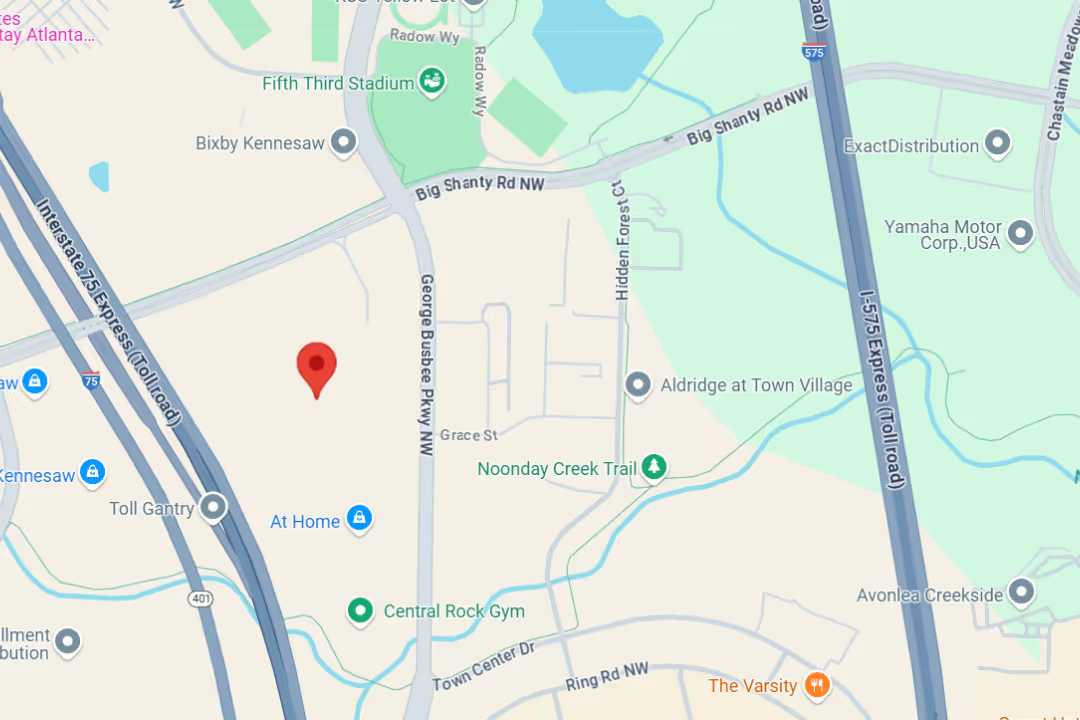
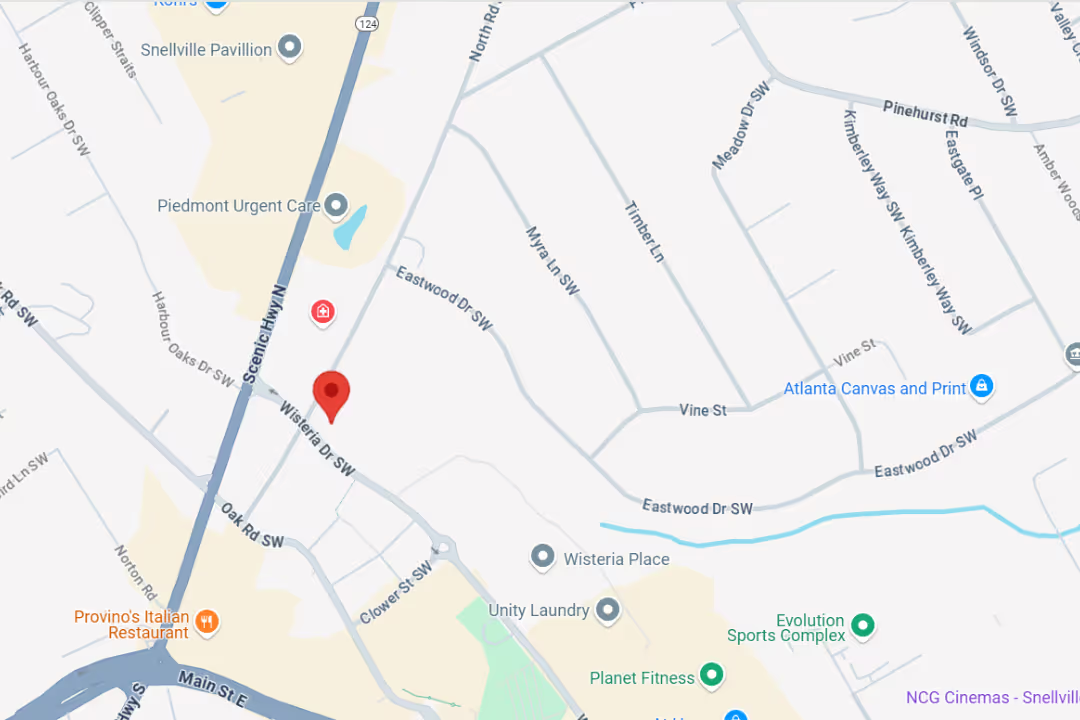
Our locations include:
Explore our library of patient support guides covering the conditions we treat, the treatments we offer, and the questions we hear most. Each one is written to help you understand your options and feel confident about your next step. Browse the topics below to learn more, or reach out to our team anytime.

At Medici, you’re more than your MRI.
We take time to hear your story, understand your pain, and create a plan that actually works for you.

Our team delivers specialist care at convenient locations across Metro Atlanta:
Get expert tips on injury recovery, pain relief, joint health, and movement strategies—straight from our Fellowship-Trained team.