It usually happens late at night. The hip has been aching for weeks, maybe months, and tonight it finally wins the argument. So the phone comes out, and the search bar fills in almost on its own: hip orthopedic surgeon near me. Most people who type that phrase aren't looking for just any name on a map. They're looking for someone who will actually listen, explain what's happening in plain language, and help them get back to the parts of life that hip pain has quietly taken away.
At Medici Orthopaedics & Spine, we think finding the right surgeon should feel less like a search and more like a relief. Our approach centers on restoring quality of life through the most effective, least invasive, and least drug-dependent treatment available for each patient's specific situation. That means surgery is never our starting point. It's simply one option among many, reserved for when it genuinely makes sense.
Whether your hip pain started with a fall, crept in gradually with age, or has been building since an old sports injury, understanding your options matters just as much as finding someone nearby. We want to walk through what a hip orthopedic surgeon actually treats, how to know when it's time to schedule an evaluation, and how our team across the Atlanta area approaches hip care differently.
What Does a Hip Orthopedic Surgeon Actually Treat?
Our team regularly treats patients dealing with:
Many patients tell us they assumed their hip pain was simply part of aging, so they waited far longer than they needed to. While joint wear does increase with age, persistent pain is never something you're required to just live with. There is almost always a treatment option that can help, even if surgery isn't the right fit yet.
It helps to understand the difference between an acute injury and a degenerative condition, because they often call for different treatment paths.
If you've noticed yourself favoring one leg, avoiding stairs, or adjusting how you sit and stand, your body is already compensating for a problem. That compensation often creates secondary strain on your knees, back, or opposite hip. Catching it early usually means a simpler treatment path.
Occasional ibuprofen for a sore hip is normal. But if you find yourself relying on pain relievers daily just to get through work or basic errands, that's a signal worth paying attention to. Medication is managing a symptom, not solving the underlying issue.
Hip pain that wakes you up at night or makes it hard to find a comfortable sleeping position often points to more significant joint involvement. Sleep is when your body repairs itself, so ongoing disruption can also slow recovery from whatever is causing the pain in the first place.
A few other signs worth noting:
Hip treatment is rarely a single visit. It often involves imaging, a treatment plan, follow-up appointments, and sometimes physical therapy sessions spread over weeks. Choosing a practice close to home makes all of that far more manageable, especially if mobility is already limited.
Once you've narrowed your search to nearby providers, a few other factors matter just as much:
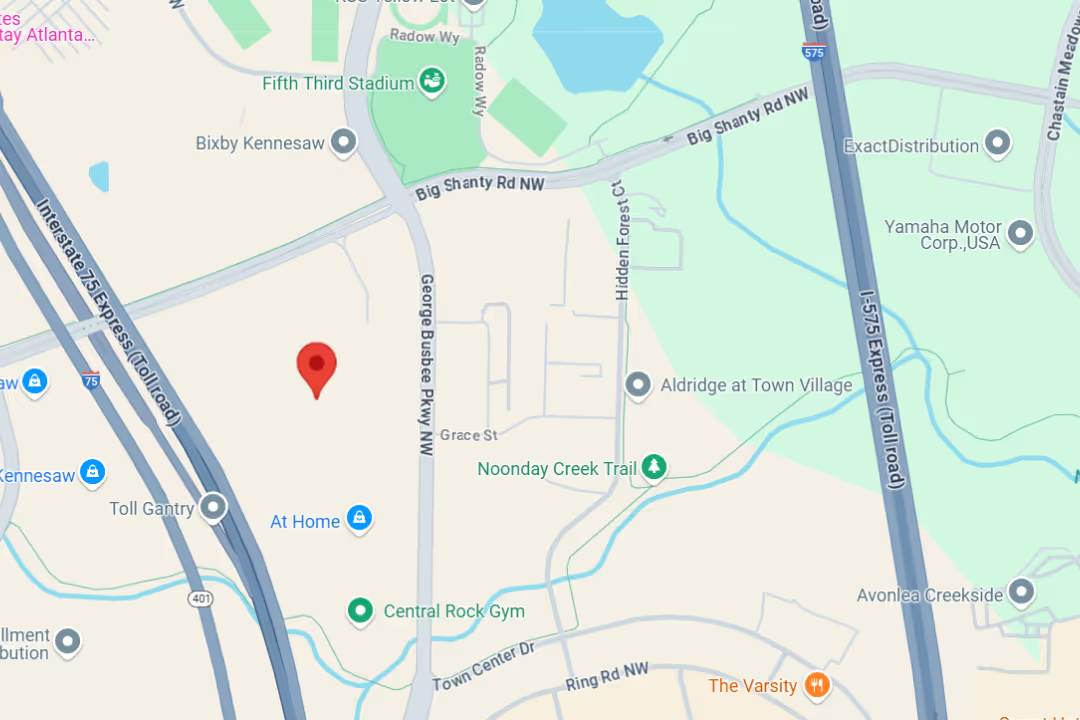
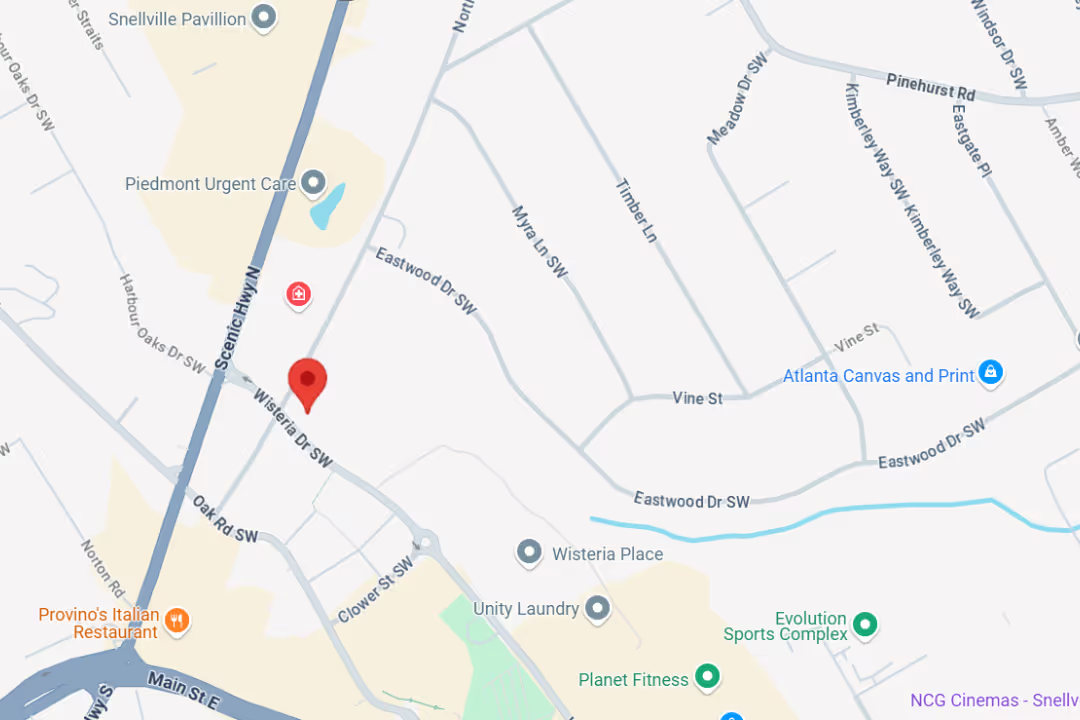
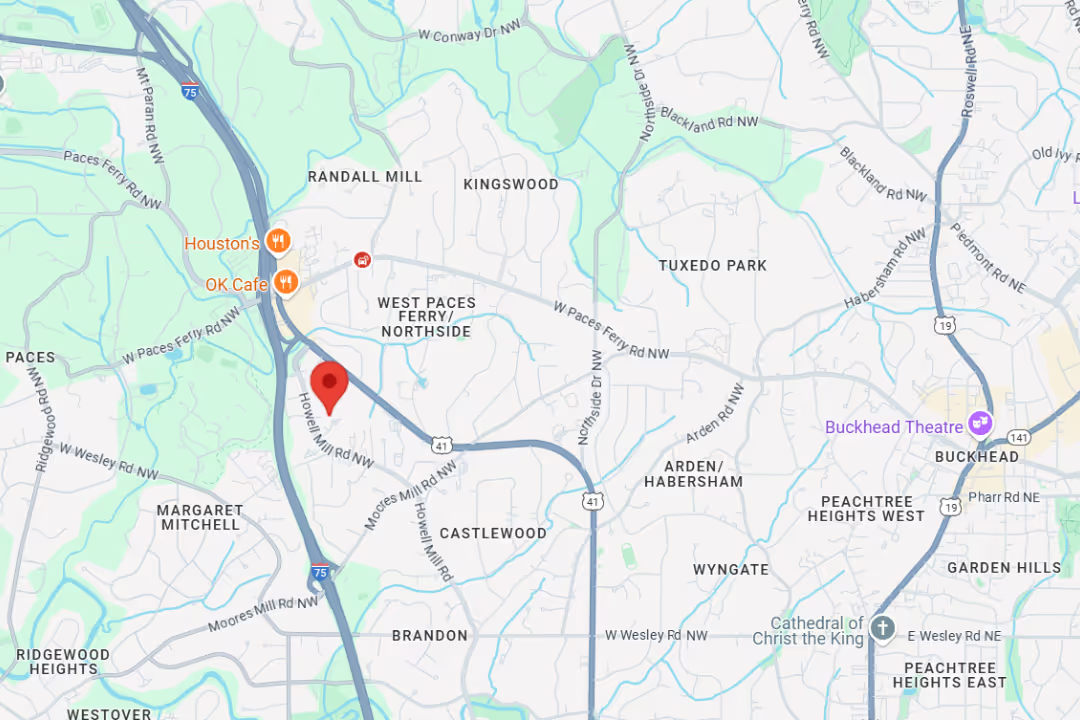
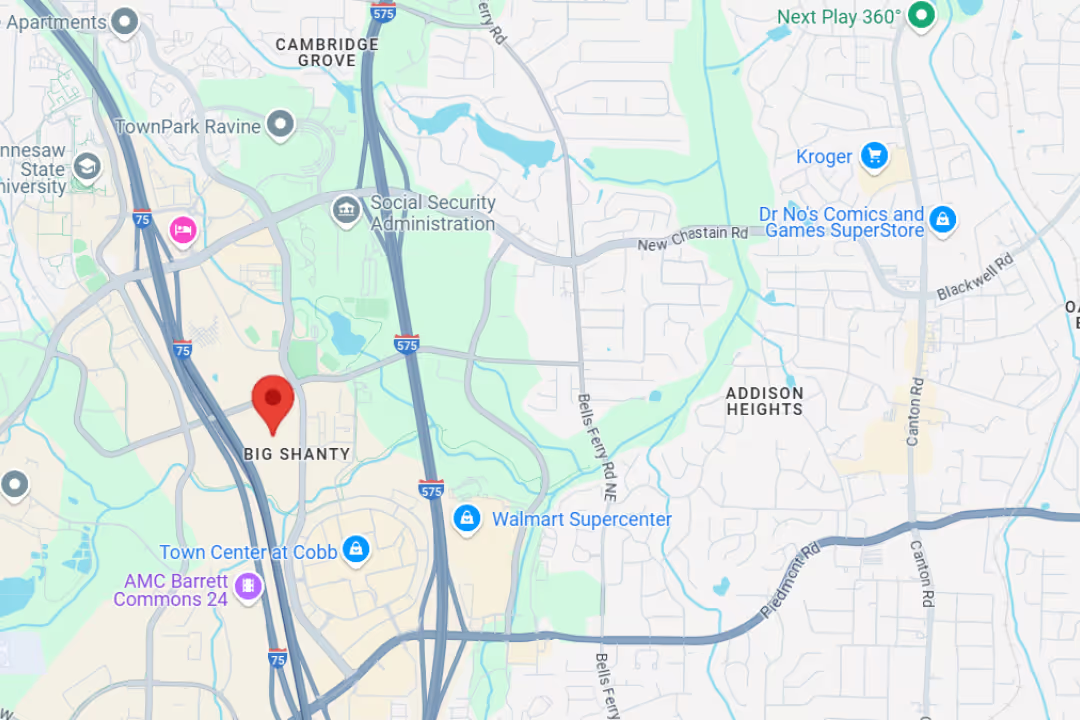
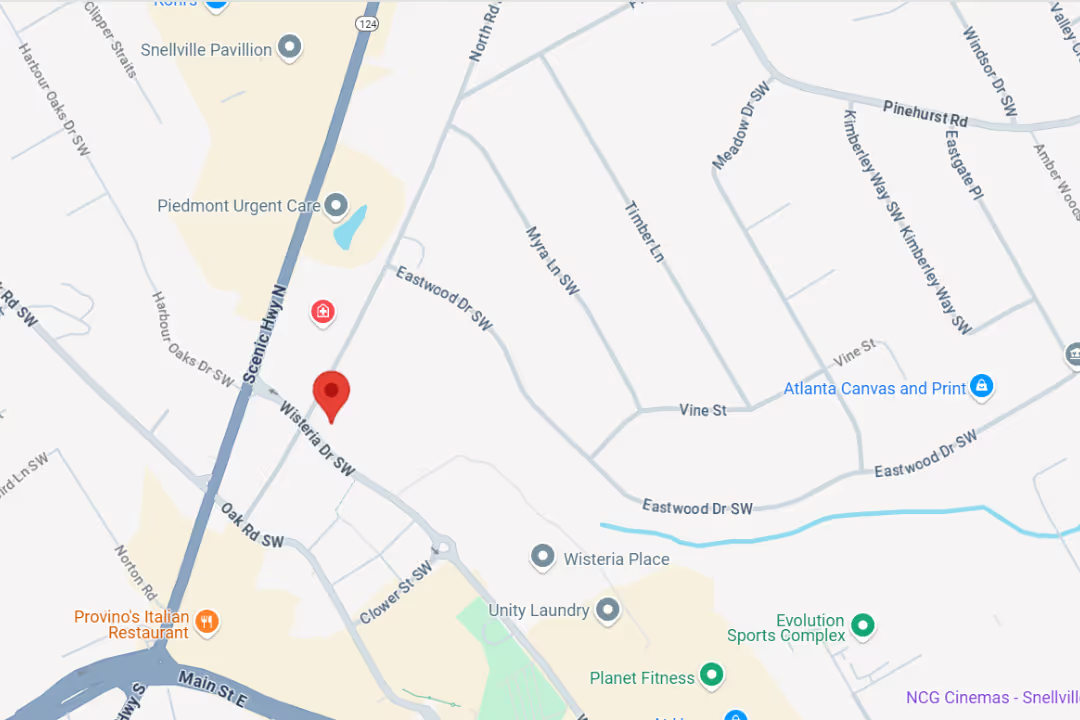
We're proud to serve patients across the greater Atlanta area, with locations in Kennesaw, Snellville, Buckhead, and Marietta. Our Marietta and Snellville locations also include ambulatory surgery centers, so many procedures can be completed close to home without an unnecessary trip to a large hospital system.
Not every hip problem needs an operation. In many cases, a combination of conservative treatments can significantly reduce pain and restore function. We take the time to understand your specific condition, activity level, and goals before recommending a path forward.
Depending on your diagnosis, non-surgical options may include:
Sometimes, despite conservative treatment, the joint damage is significant enough that surgery offers the clearest path to relief. This might include a labral repair, hip resurfacing, or joint replacement, depending on what's actually happening inside the joint. When that's the case, we walk patients through exactly what to expect, so there are no surprises.
When surgery is appropriate, our surgeons use minimally invasive techniques whenever possible. These approaches typically involve smaller incisions, less tissue disruption, and often a faster return to daily activities compared to traditional open surgery. Our goal is always to solve the problem while preserving as much of your normal function and recovery timeline as we can.
Your visit usually starts with a conversation about your symptoms, history, and how the pain is affecting your daily life. From there, imaging such as X-rays may be used to get a clearer picture of what's happening inside the joint. This step helps rule out conditions and narrow down the actual source of your pain.
There's no one-size-fits-all plan here. Your treatment recommendation is based on your specific diagnosis, your activity goals, and what's already been tried. We explain each option clearly, including realistic expectations, so you can make an informed decision about your own care.
Hip pain often responds best when multiple approaches work together. That might mean a surgeon, physical therapist, and pain management specialist all contributing to your plan. This kind of coordinated care tends to produce better, longer-lasting results than any single treatment used in isolation.
Hip pain has a way of shrinking your world. Maybe it's the walk you used to take every morning, the stairs you now avoid, or the simple act of sitting through a movie without shifting every few minutes. None of that has to be permanent, and none of it means you're simply getting older. It means your hip needs attention, and attention is something we're genuinely equipped to give.
Choosing the right care isn't only about finding a surgeon nearby, though we're glad to be close to home for patients across Kennesaw, Snellville, Buckhead, and Marietta. It's about finding a team that treats the whole picture, from your first conversation about symptoms all the way through recovery. Whatever stage you're at, whether you're still figuring out what's wrong or you already know surgery may be ahead, our team is ready to help you find the most effective, least invasive path forward.
You don't have to keep adjusting your life around hip pain. Our team at Medici Orthopaedics & Spine is ready to help you understand what's going on and build a treatment plan built around your specific needs and goals.
Call us at +1-844-328-4624 or visit mediciortho.com to schedule your evaluation.
Explore our library of patient support guides covering the conditions we treat, the treatments we offer, and the questions we hear most. Each one is written to help you understand your options and feel confident about your next step. Browse the topics below to learn more, or reach out to our team anytime.

At Medici, you’re more than your MRI.
We take time to hear your story, understand your pain, and create a plan that actually works for you.

Our team delivers specialist care at convenient locations across Metro Atlanta:
Get expert tips on injury recovery, pain relief, joint health, and movement strategies—straight from our Fellowship-Trained team.