There comes a point for many people with chronic knee pain when the treatments that once helped start to fall short. The cortisone shots wear off faster. Physical therapy keeps things manageable, but not comfortable. Getting up from a chair, walking across a parking lot, or sleeping through the night becomes something you have to plan around instead of something you just do.
When knee pain reaches that stage, the conversation about surgery often begins. And for a lot of people, that conversation is a little frightening. Surgery sounds big and final, and the word "replacement" doesn't exactly make it feel smaller. But robotic knee replacement is not what most people picture. It is a precise, technology-guided procedure that has transformed what joint replacement looks like, how it is performed, and what recovery feels like for many patients.
At Medici Orthopaedics & Spine, we take a conservative-first approach to every patient. We explore every non-surgical option before we recommend an operation. But when surgery is the right move, we want our patients to have access to the most advanced, least invasive approach available. Robotic-assisted knee replacement is often exactly that.
In a traditional knee replacement, the surgeon uses standard instruments and manual measurements to remove damaged bone and cartilage and position the implant. It is a proven procedure, but its precision depends heavily on the surgeon's judgment in the moment, often with limited real-time data to work from.
Robotic-assisted knee replacement changes that dynamic significantly. Before surgery, detailed imaging of the patient's knee is used to build a three-dimensional model of their anatomy. The surgical plan is created from that model, tailored specifically to that patient's joint. During the procedure, the robotic system provides the surgeon with real-time guidance and feedback, helping ensure that every cut and every placement follows the plan precisely.
The process begins well before the patient enters the operating room. Here is what the journey through robotic-assisted knee replacement typically looks like:
Not every knee replacement involves replacing the entire joint. The two main approaches are:
Implant alignment is one of the most important factors in how well a knee replacement performs over time. When an implant is even slightly off in its positioning, it can create uneven wear, discomfort, and a shorter lifespan for the joint. Robotic assistance significantly reduces the margin of error, helping place the implant in the optimal position for each patient's unique anatomy.
Because the surgical plan is so precise, surgeons can make targeted cuts that remove only what needs to be removed. That means less disruption to surrounding healthy bone and soft tissue, which matters for how the knee heals and how patients feel during recovery.
Many patients who undergo robotic-assisted knee replacement report less post-operative pain compared to traditional approaches. While recovery experiences vary, the reduced tissue trauma associated with robotic precision may contribute to:
A well-aligned implant wears more evenly and lasts longer. For patients who are younger or more active, this is especially important. The goal is not just to feel better in the first year, but to have a knee that functions well for many years to come.
Knee replacement, whether robotic or traditional, is typically considered when joint damage has progressed to a point where the structure of the knee itself is compromised. Common underlying conditions include:
Surgery is not something we recommend lightly. But there are clear indicators that a patient may have reached the limit of what non-surgical options can offer:
Not everyone who has knee pain is a candidate for replacement, and that is not a bad thing. Patients who still have meaningful options in conservative or regenerative care are often better served by pursuing those first. Factors like overall health, bone quality, and surgical risk are also part of the evaluation. At Medici, we explore every avenue before we suggest surgery. When we do recommend it, it is because we genuinely believe it is the right next step.
Your first appointment is a conversation, not a commitment. Our team will review your medical history, assess your knee, and likely order imaging. We want to understand your pain, your goals, and your lifestyle. From there, we can give you a clear picture of your options and whether robotic knee replacement makes sense for you.
If surgery is recommended and you decide to move forward, the preparation phase includes:
Robotic knee replacement is typically performed under general or spinal anesthesia. The procedure itself generally takes one to two hours. Our surgical team will walk you through exactly what to expect beforehand so you go in feeling prepared, not anxious.
Recovery from robotic knee replacement is a process, and physical therapy is a central part of it. Here is a general sense of the timeline many patients experience:
Deciding to pursue knee replacement surgery is not something most people do quickly. For many patients, it follows years of managing pain, adjusting their lives around limitations, and hoping that the next treatment will be the one that finally turns things around. That kind of persistence takes real resilience, and we respect it.
We have seen it happen for patients who could not walk comfortably for years. We have seen it in people who got their sleep back, their independence back, their ability to keep up with their kids or grandkids back. That is what this work is about for us, and it is why we take the time to get it right from the first appointment.
If you have been living with knee pain and wondering whether robotic knee replacement might be right for you, the best place to start is a conversation. Our team will listen to what you have been through, evaluate where you are, and give you an honest picture of your options. There is no pressure and no predetermined answer. Just a thorough evaluation and a plan built around your goals.
Explore our library of patient support guides covering the conditions we treat, the treatments we offer, and the questions we hear most. Each one is written to help you understand your options and feel confident about your next step. Browse the topics below to learn more, or reach out to our team anytime.

At Medici, you’re more than your MRI.
We take time to hear your story, understand your pain, and create a plan that actually works for you.

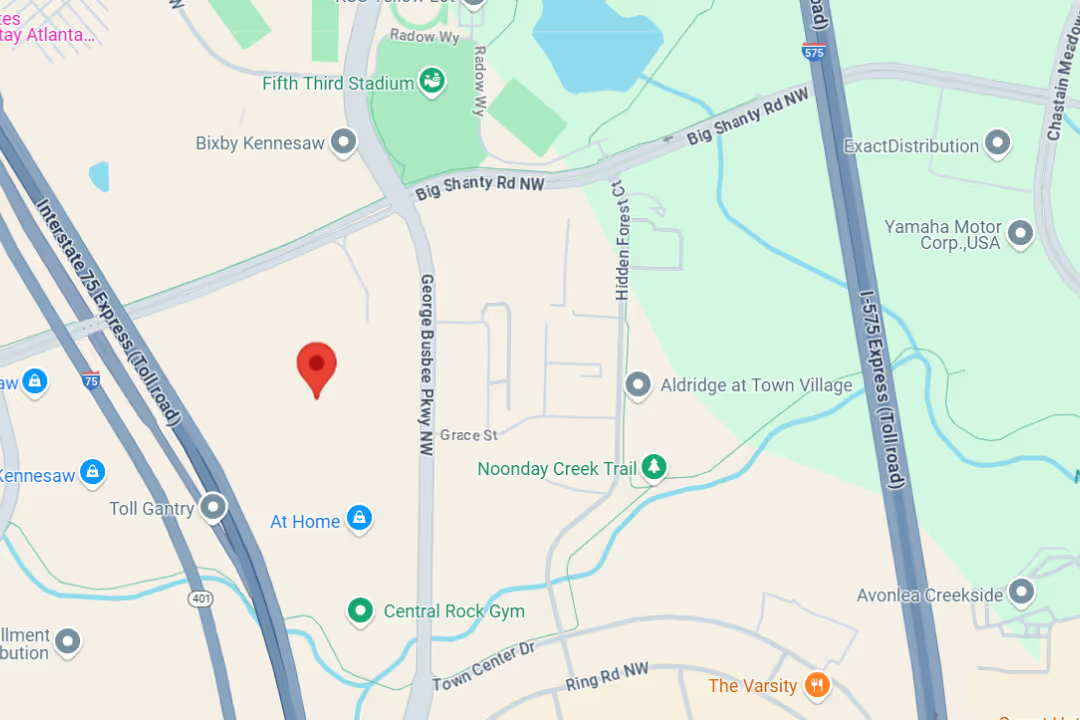
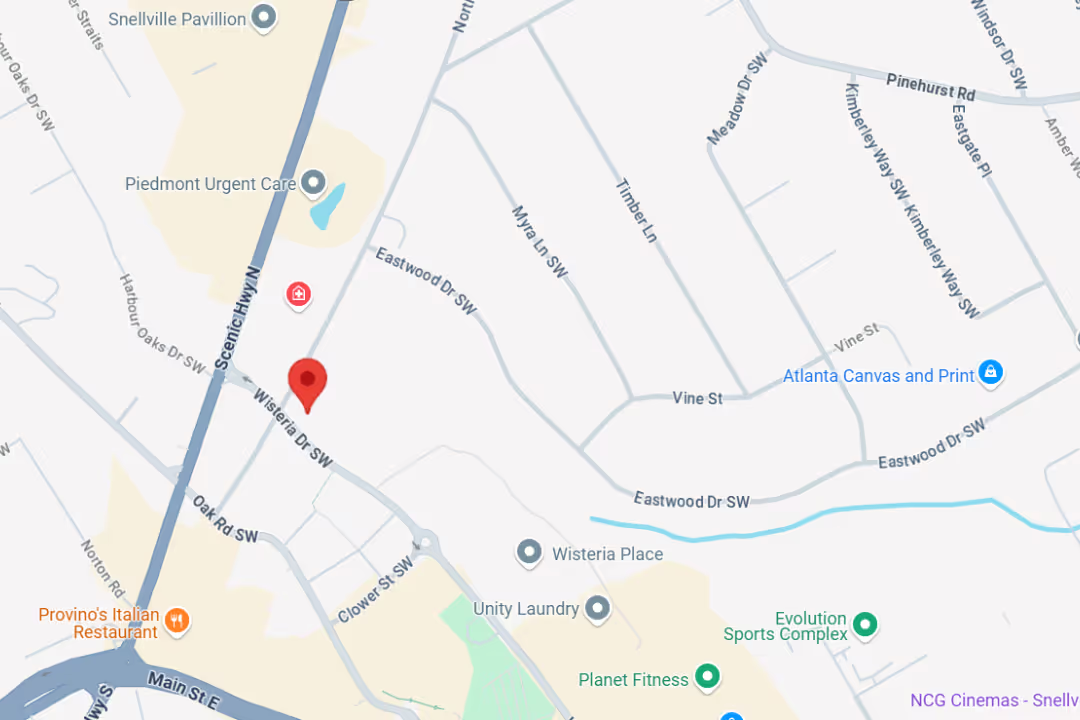
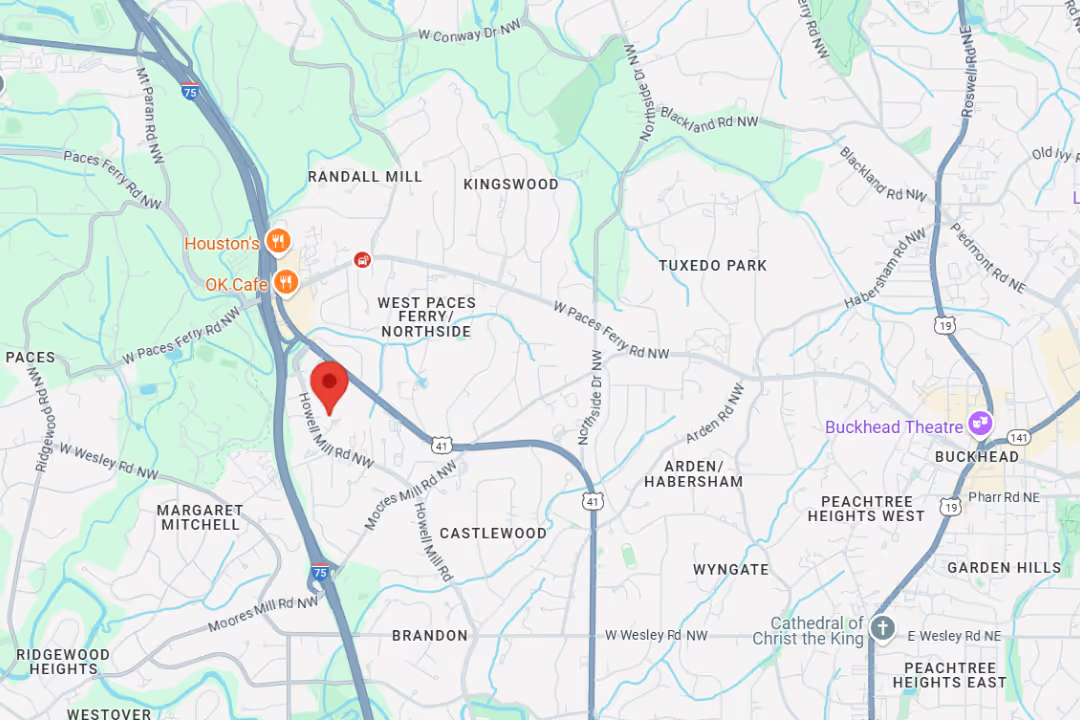
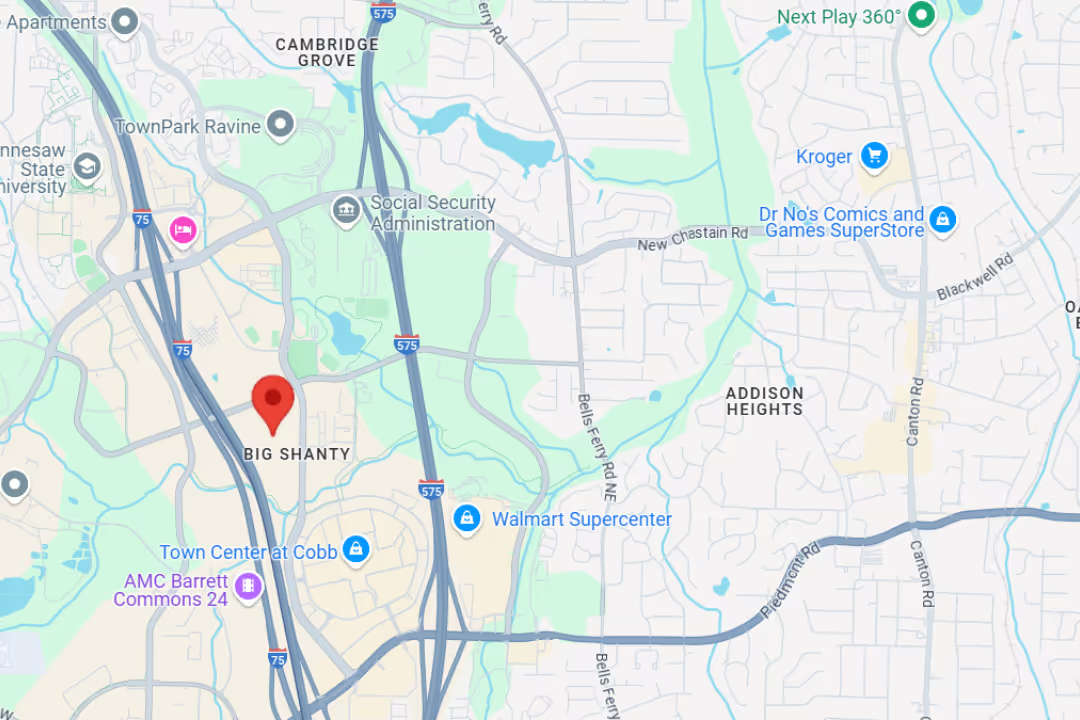
Our team delivers specialist care at convenient locations across Metro Atlanta:
Get expert tips on injury recovery, pain relief, joint health, and movement strategies—straight from our Fellowship-Trained team.