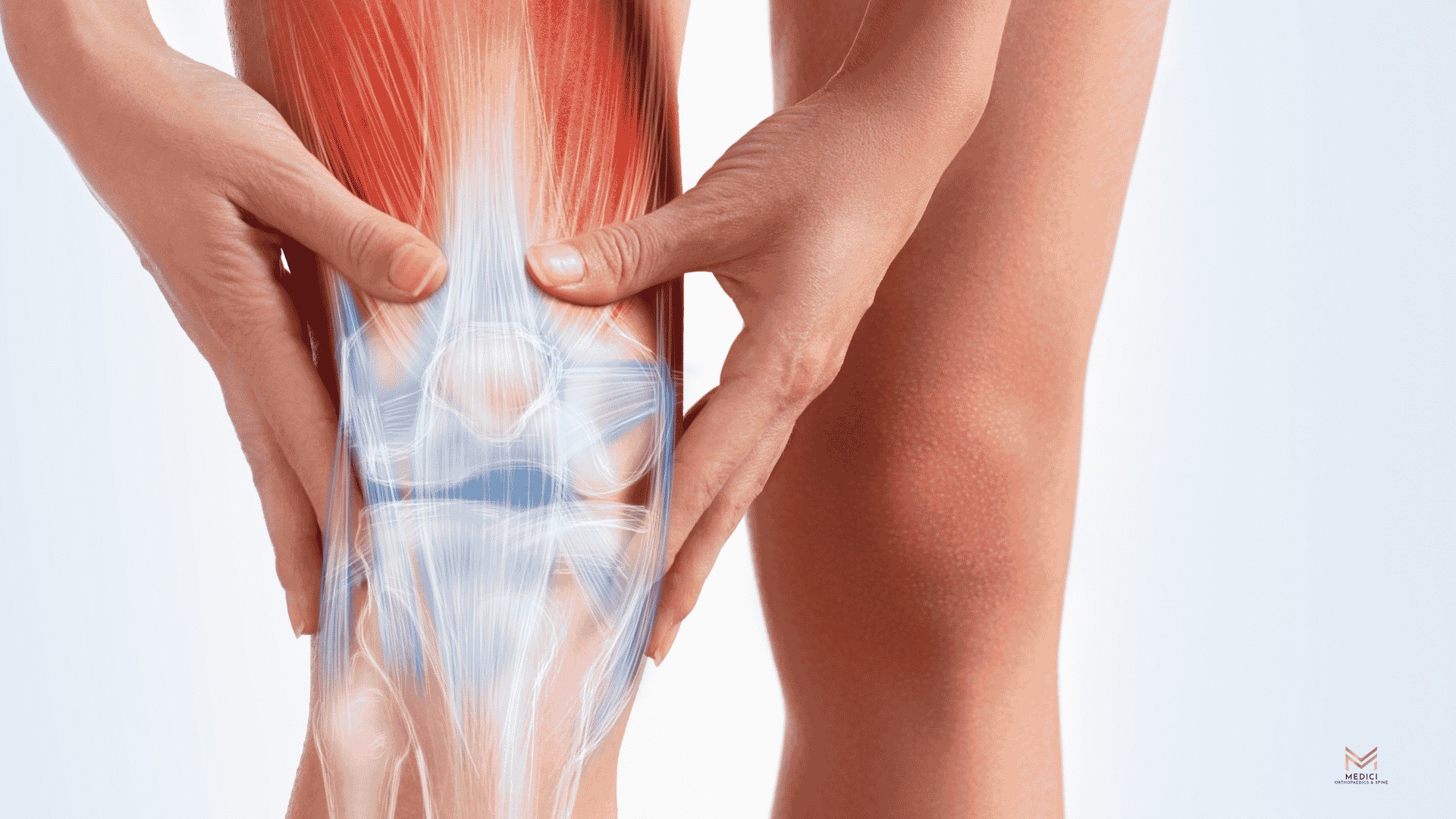
Knee pain has a way of quietly reshaping your life. It starts as something you manage around, then something you plan your day around, and eventually something that keeps you from doing the things that matter most. For many patients, the conversation about knee replacement begins not in a doctor's office but in the moments when pain wins: when you skip the walk, turn down the trip, or lie awake at night because there is no comfortable position.
If that sounds familiar, you are not alone, and you are not out of options. Robotic-assisted knee replacement has changed what this surgery looks and feels like for patients, offering a level of precision and personalization that simply was not possible a generation ago. But before any surgical decision is made, the most important step is understanding what you are actually considering.
A good consultation is a conversation, not a commitment. Coming in informed means you can ask better questions, weigh your options more clearly, and walk out with a plan that actually fits your life. At Medici Orthopaedics & Spine, every patient's path begins with a thorough evaluation and a genuine commitment to finding the least invasive approach that works.
Robotic-assisted knee replacement is a surgical technique that uses advanced imaging and robotic technology to help the surgeon plan and execute the procedure with exceptional precision. It is not a robot performing surgery independently. The surgeon remains in complete control throughout the entire procedure. The robotic system functions as a highly sophisticated tool that helps ensure every cut, angle, and implant placement is executed exactly according to the pre-surgical plan.
Here is what the process typically involves:
The most meaningful differences between the two approaches come down to planning and execution:
Most patients who end up discussing knee replacement have reached a point where conservative treatments are no longer providing adequate relief. Common contributing factors include:
When you come in for a consultation with an orthopedic surgeon knee near me, expect a comprehensive process. At Medici, this typically includes:
At Medici Orthopaedics & Spine, surgery is never the first recommendation. Our philosophy is built around finding the most effective, least invasive path forward. For many patients, that means exploring physical therapy, targeted injections, regenerative medicine options like PRP or stem cell therapy, and pain management strategies before a surgical conversation even begins. If you arrive at a surgical consultation with us, it is because the clinical picture genuinely supports that discussion.
You will receive detailed pre-operative instructions from the surgical team in advance. These typically include:
Robotic knee replacement is performed under general or spinal anesthesia, depending on your health profile and the surgical team's recommendation. Once you are anesthetized, the surgeon makes an incision over the knee to access the joint. The robotic guidance system assists throughout as the damaged portions of bone and cartilage are removed and the implant components are placed.
The procedure typically takes between one and two hours, though this varies based on the complexity of the case. From there, you will move to a recovery area where the team will monitor you as the anesthesia wears off.
Most patients are up and walking with assistance within the first day after surgery. Physical therapy begins almost immediately, focusing on gentle range-of-motion exercises and building the strength needed for safe movement. Pain and swelling are expected during this phase and are managed with medication and ice.
By this point, most patients are walking more independently, often with the help of a cane. Physical therapy continues with a focus on gait, strength, and flexibility. Driving typically returns around the four to six week mark, depending on which knee was operated on and your surgeon's clearance.
This is the phase where many patients start to feel the real difference. Pain levels continue to decrease, strength improves, and activities that felt impossible before surgery become accessible again. Most patients return to walking, light recreational activity, and normal daily function within this window.
Complete recovery from knee replacement, meaning the point at which the new joint feels fully integrated and functional, typically occurs between six months and one year post-surgery. Individual timelines vary based on age, overall health, pre-surgical conditioning, and adherence to physical therapy.
A little preparation before the procedure can make the early recovery period significantly easier:
By the time most patients start researching knee replacement, they have been living with significant pain for a long time. That history can make the decision feel more urgent and more frightening than it needs to be. A consultation is not a commitment to surgery. It is a conversation.
The best orthopedic outcomes are not just the result of skilled surgery. They come from the right diagnosis, the right timing, the right approach, and the right support after the procedure. Medici's multidisciplinary model is built around that understanding. From the initial evaluation through rehabilitation, the focus stays on restoring your quality of life in the most effective, least invasive way possible.
If knee pain is limiting what you can do, a consultation is the right first step. The team at Medici Orthopaedics & Spine will evaluate your condition thoroughly, walk you through every option, and help you make a decision that fits your health, your goals, and your life.
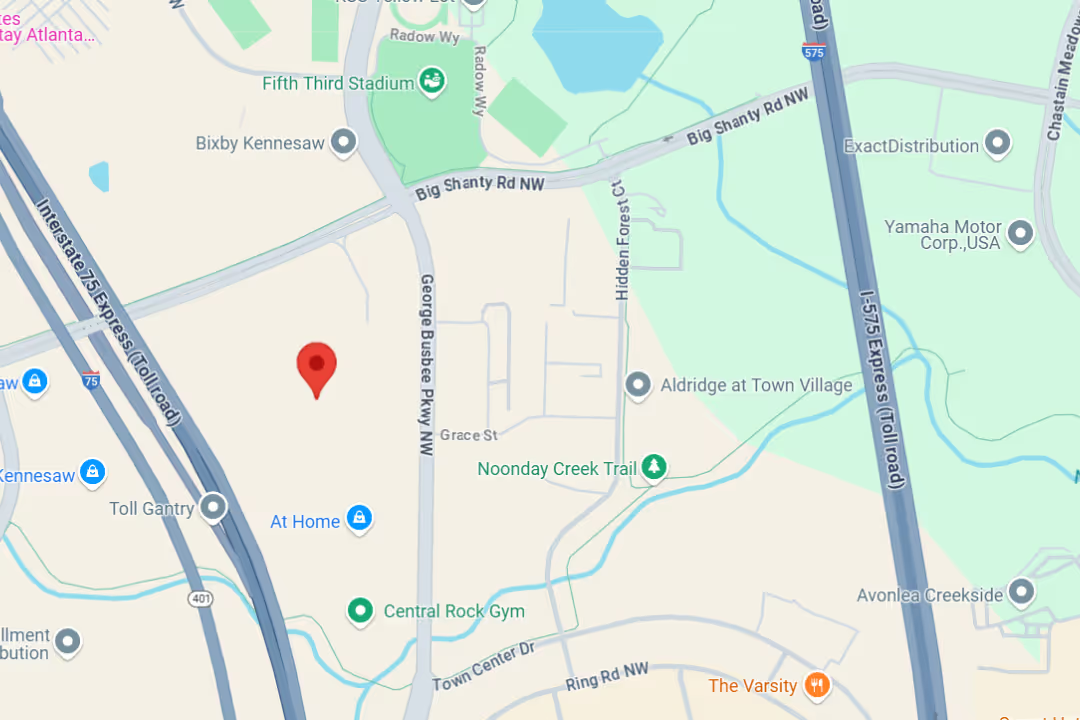
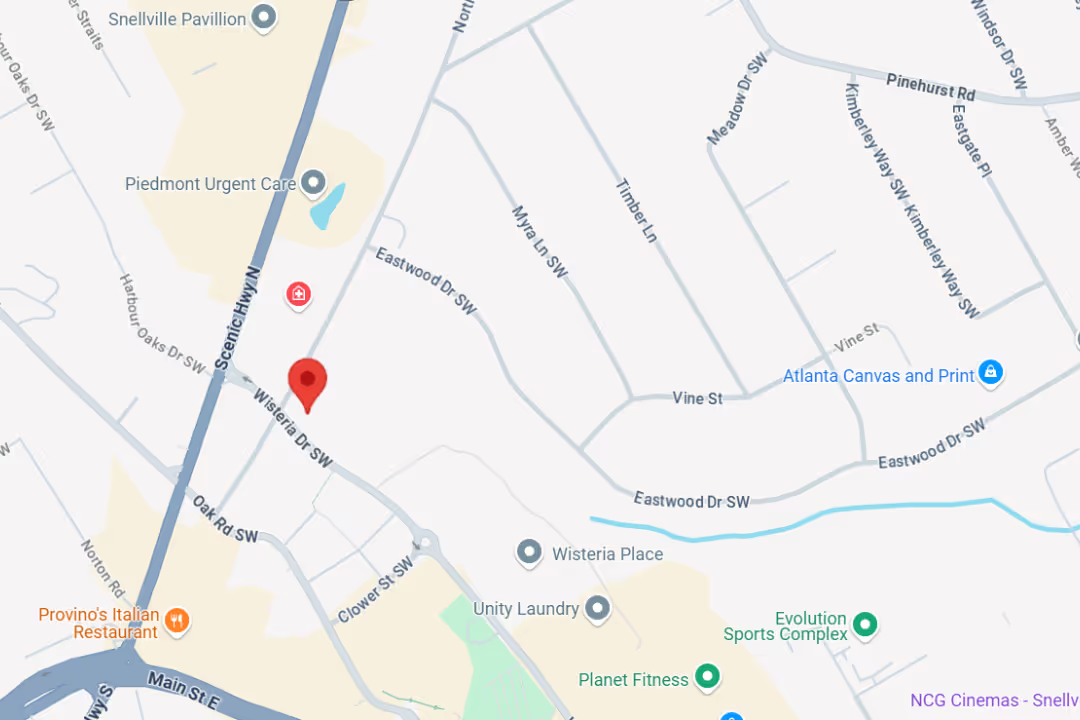
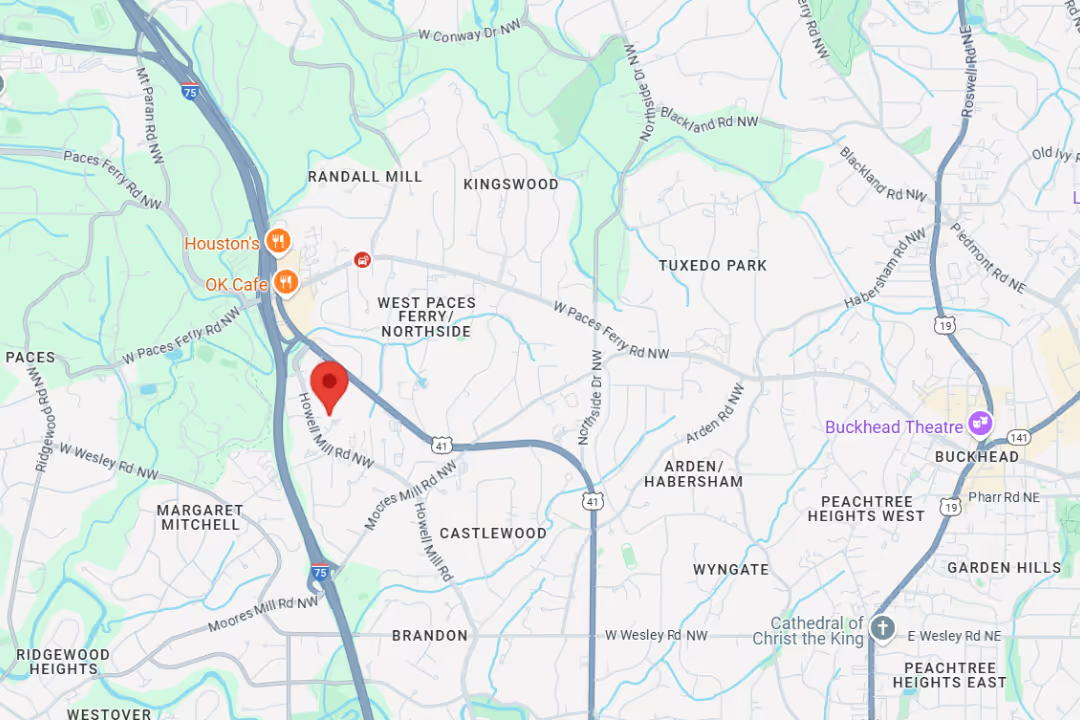
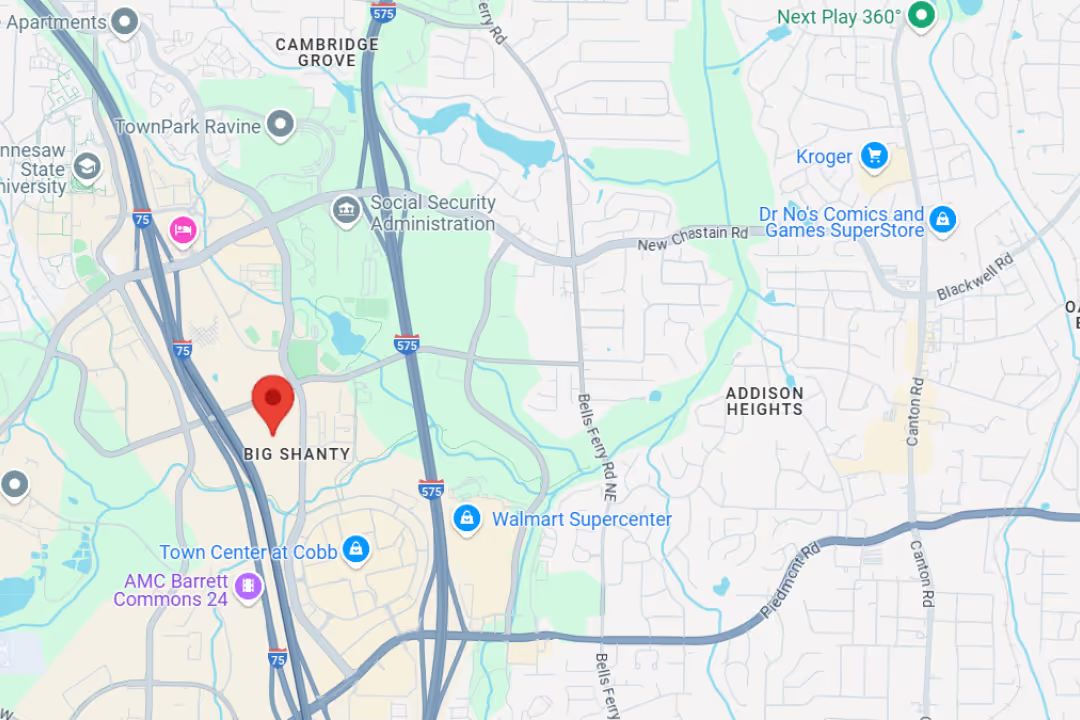
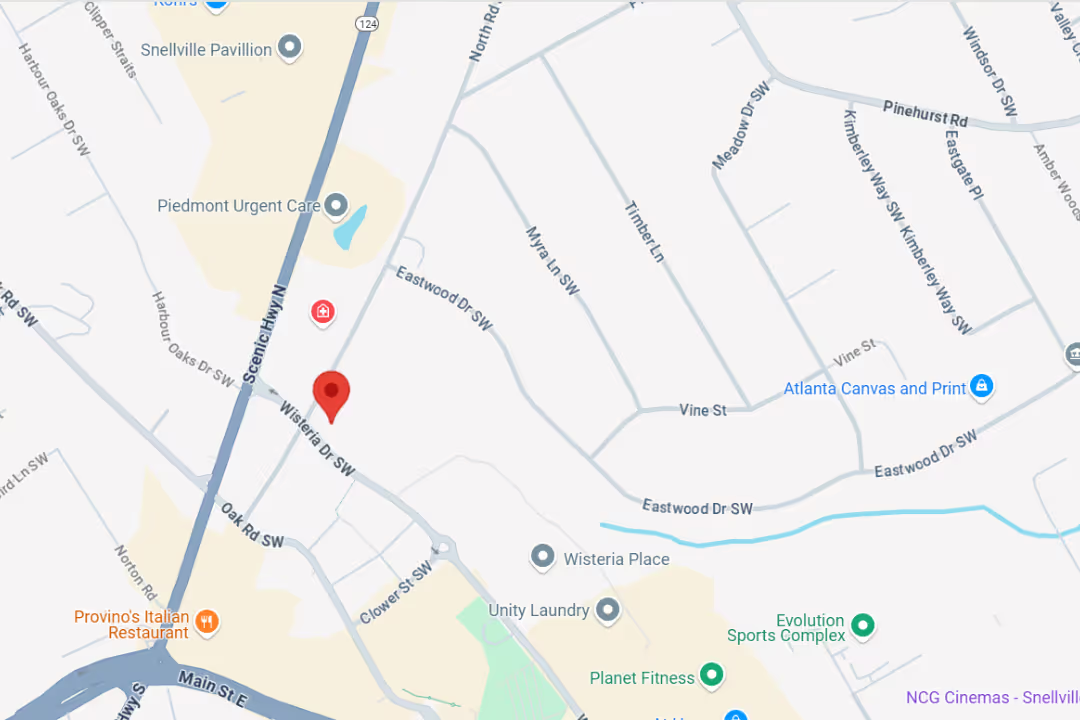
Medici accepts Medicare and many major insurance plans. Clinic locations are available in Kennesaw, Snellville, and Buckhead, with ambulatory surgery centers in Marietta and Snellville.
At Medici, you’re more than your MRI.
We take time to hear your story, understand your pain, and create a plan that actually works for you.

Our team delivers specialist care at convenient locations across Metro Atlanta:
Get expert tips on injury recovery, pain relief, joint health, and movement strategies—straight from our Fellowship-Trained team.