If your doctor has brought up a spinal cord stimulator, you probably have one question before any other. Does it actually work? The honest answer is that success depends on your condition, how long you've been in pain, and a few other factors we'll walk through here.
National data gives us useful benchmarks, but your own odds are shaped by your specific history. Let's look at what the research really shows.
Most studies define a successful trial as at least a 50 percent reduction in reported pain. This threshold comes from pain scales patients fill out before and during the trial period. It's a meaningful bar, but it's also just one piece of the picture.
Many people don't realize that pain reduction alone doesn't tell the whole story. Clinicians also look at:
Every permanent implant starts with a temporary trial, usually lasting several days to a week. The leads are placed but not fully implanted. This lets you and your doctor evaluate real-world results before committing, which reduces guesswork before any permanent commitment. If the trial doesn't provide meaningful relief, the leads are simply removed with no permanent device involved.
Trial-to-implant conversion measures how many patients who complete a trial go on to receive the permanent device. National data shows this rate has been improving. One large study published through the National Library of Medicine found conversion rates rose from 63.4 percent in 2010 to 73.3 percent in 2021. Better patient selection and improved device technology likely both play a role in that upward trend.
Long-term outcomes are typically lower than trial success rates, which makes sense. A short trial period is a controlled snapshot, while long-term use involves years of daily life and shifting pain patterns. Commonly cited research puts the long-term success rate of spinal cord stimulation somewhere between 47 and 74 percent.
More recent research offers a fuller picture. A 24-month cohort study tracking real-world patients found substantial and sustained improvement. Average pain scores dropped by 61 percent at three months and remained 43 percent lower at the two-year mark. Quality-of-life measures showed similarly durable gains over that same period.
| Measure | What the Research Shows | Source |
|---|---|---|
| Trial-to-implant conversion | Rose from 63.4% (2010) to 73.3% (2021) | NASS Journal, 2025 (NLM) |
| Pain reduction at 3 months | Average pain scores down 61% | 24-month cohort study (NLM) |
| Pain reduction at 24 months | Average pain scores still 43% lower | 24-month cohort study (NLM) |
| Diabetic neuropathy trials | 83.3% trial success | Institutional review of 505 trials (PubMed) |
| CRPS trials | 67.6% trial success | Institutional review of 505 trials (PubMed) |
| Explant rate | Just under 10%, most often for loss of effectiveness | Systematic review, 2025 (PubMed) |
Recent institutional data found diabetic neuropathy patients had the highest trial success rate of any group studied. That figure came in at 83.3 percent. Nerve pain from diabetes tends to respond well to the steady, targeted stimulation these devices provide.
Patients dealing with ongoing pain after a previous spine surgery make up one of the largest groups treated with this therapy. They often turn to stimulation because other options, including additional surgery, haven't resolved their pain. Many see meaningful relief, especially when the device is tried within a reasonable window after their pain becomes chronic.
CRPS tends to show the lowest success rates among common indications. The same institutional review reported 67.6 percent, which is still a majority of patients experiencing benefit. It's a reminder that CRPS is a particularly complex, hard-to-treat condition. Lower relative success doesn't mean the therapy isn't worth considering.
Chronic back and leg pain, including sciatica-type nerve pain, is one of the most frequent reasons patients pursue this therapy. Many of these patients also carry a history of prior spine surgery. Combined nerve and structural pain tends to respond differently than isolated nerve pain alone. That's part of why an individual evaluation matters so much.
A handful of factors consistently show up in the research as meaningful predictors of success. None of them guarantee an outcome on their own. Together, they help explain why results vary so much from person to person.
A 2025 systematic review found an overall explant rate of just under 10 percent, with loss of effectiveness cited as the leading cause. Lead failure and infection are the next most common reasons a device might need to be removed or revised. These numbers reflect real risk. They also show that most implanted devices remain in place and in use.
A device that worked well initially can sometimes lose effectiveness. This can happen due to:
If a stimulator isn't providing enough relief, it isn't the end of the road. Many patients benefit from combining stimulation with non-opioid options such as physical therapy, regenerative treatments, or targeted injections. Others transition to a different pain management strategy entirely. A conservative-first, multidisciplinary approach means there are usually other paths worth exploring.
National statistics are a helpful starting point, but they can only tell you so much. Your own likelihood of success depends on your specific condition, how long you've been living with pain, and your overall health history. That's information a percentage on a webpage simply can't capture.
The most reliable way to understand your own odds is a direct conversation with a provider. They can review your history and explain what the trial period would look like for you. That conversation, not a national average, is what actually predicts your outcome.
You don't have to make sense of the research alone. Our team at Medici Orthopaedics & Spine can review your history and explain whether a trial makes sense for you. We'll answer the questions that matter most to your specific situation.
Our team can review your history, explain your options, and walk you through the trial process at a Medici location near you.
Ambulatory Surgery Centers
Marietta: 792 Church Street, Unit 101, Marietta, GA 30060 | (470) 795-8398
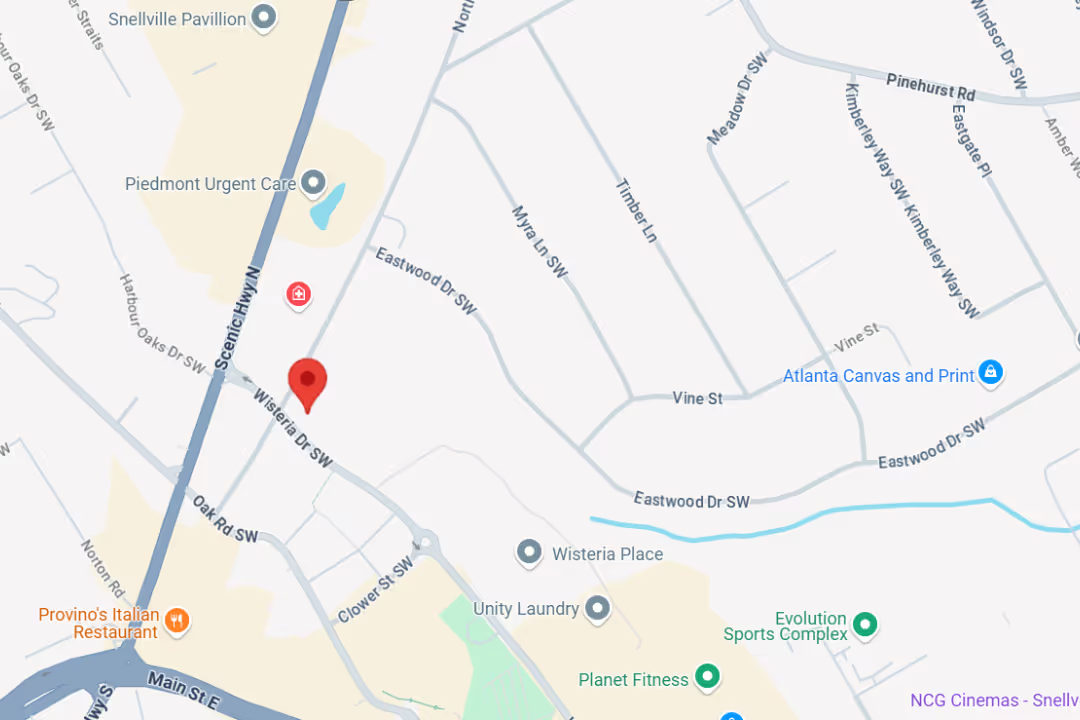
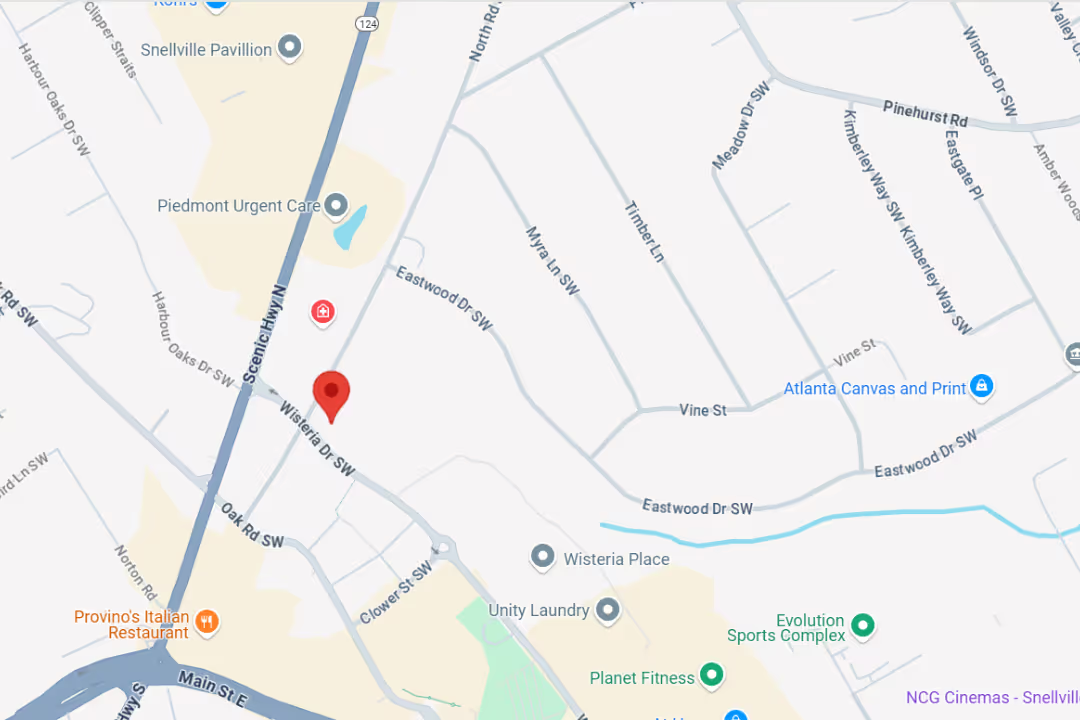
Snellville: 2220 Wisteria Dr, Unit 100, Snellville, GA 30078 | (470) 795-8398
Clinics
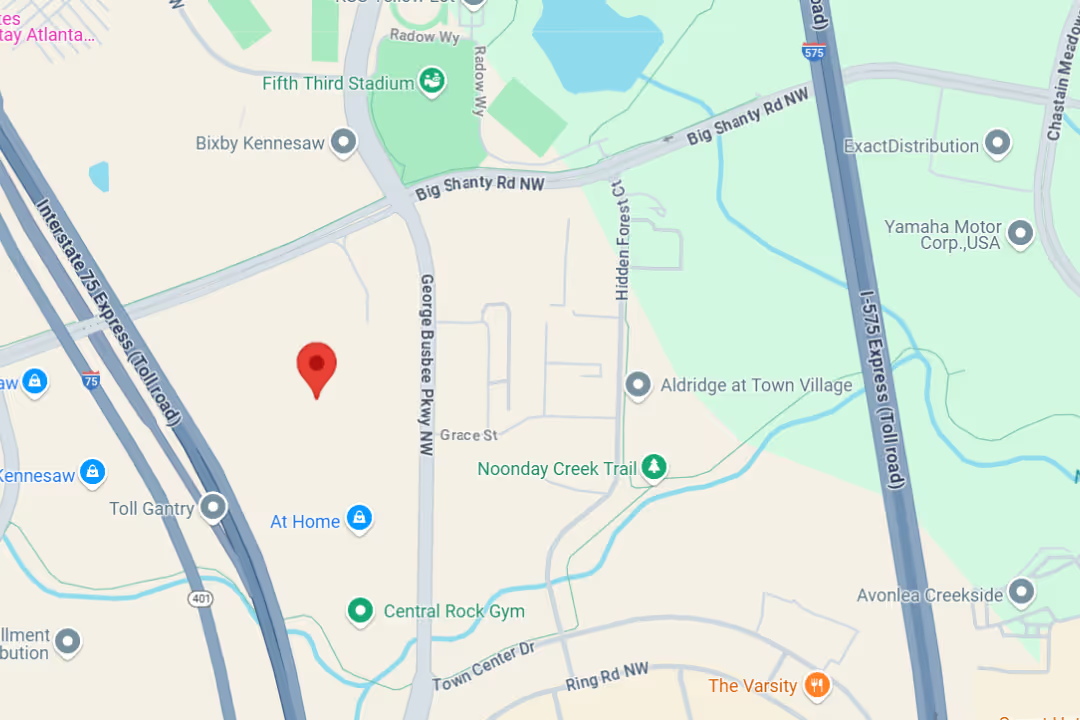
Kennesaw: 2911 George Busbee Parkway, Suite 50, Kennesaw, GA 30144 | (770) 545-6404
Snellville: 2220 Wisteria Drive, Unit 101, Snellville, GA 30078 | (470) 645-9297
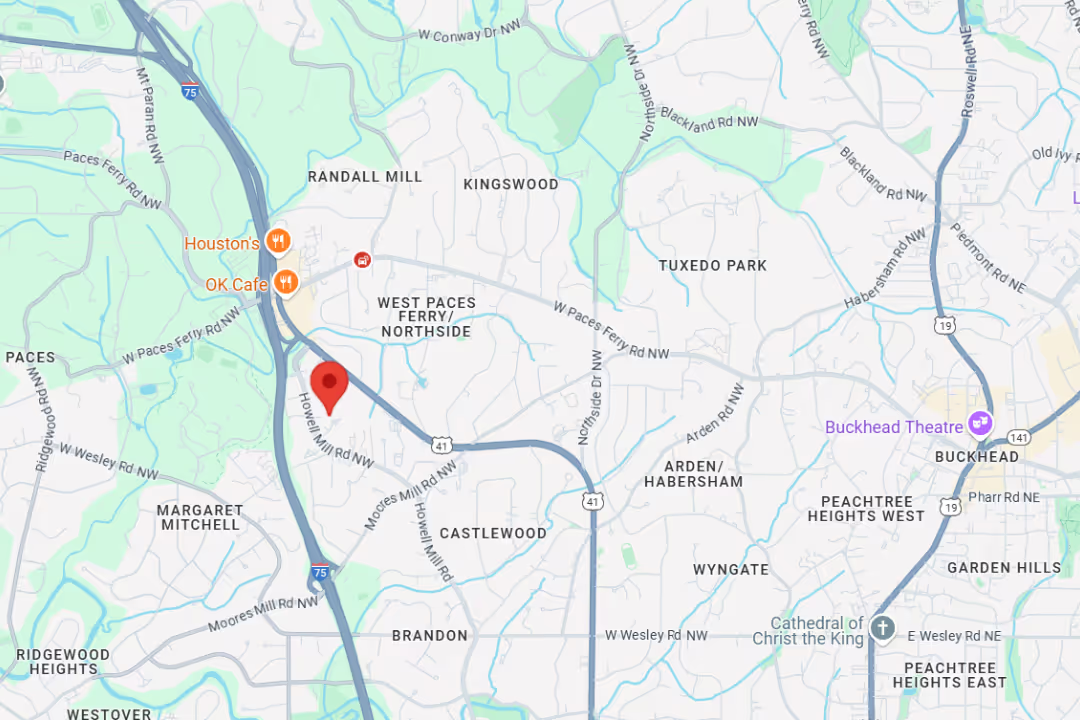
Buckhead PM&R: 3200 Downwood Circle NW, Suite 520, Atlanta, GA 30327 | (770) 872-7549
📞 +1-844-328-4624 🌐 mediciortho.com
Follow Us
Facebook: facebook.com/MediciOrthopaedicsandSpine
Instagram: @mediciorthoandspine
YouTube: youtube.com/channel/UCJOOMMEtNnvI7-tKln3Umyw
This content is for educational purposes only and does not constitute medical advice. Please consult a qualified provider to discuss your specific situation.
Explore our library of patient support guides covering the conditions we treat, the treatments we offer, and the questions we hear most. Each one is written to help you understand your options and feel confident about your next step. Browse the topics below to learn more, or reach out to our team anytime.

At Medici, you’re more than your MRI.
We take time to hear your story, understand your pain, and create a plan that actually works for you.

Our team delivers specialist care at convenient locations across Metro Atlanta:
Get expert tips on injury recovery, pain relief, joint health, and movement strategies—straight from our Fellowship-Trained team.