Living with chronic pain can wear on every part of your life. It affects how you move, how you sleep, how you work, and how present you feel with the people you love. When pain keeps coming back despite therapy, injections, medications, or even previous spine surgery, it can feel like you’re running out of options.
At Medici Orthopaedics & Spine, we want patients to know that there are advanced, minimally invasive options that may help when conservative treatments have not provided enough relief. Spinal cord stimulation is one of those options. It is designed to help disrupt pain signals before they fully reach the brain, which may reduce how intensely pain is felt.
For many patients, one of the most reassuring parts of spinal cord stimulation is that it typically begins with a trial before a permanent implant is considered. That gives you and your provider a chance to see whether the therapy meaningfully improves your pain and daily function before moving forward.
Our approach is careful, personal, and never rushed. We take the time to understand what you’ve been through, what has and hasn’t helped, and what kind of life you’re trying to get back to. From there, we help you make an informed decision with your comfort, safety, and quality of life at the center.
A spinal cord stimulator is a small implanted device used to help manage certain types of chronic pain, especially nerve-related pain. It works by sending mild electrical impulses near the spinal cord, where pain signals travel before reaching the brain.
Instead of correcting the original injury or condition, spinal cord stimulation changes how pain signals are processed. For the right patient, that can mean less pain, better mobility, improved sleep, and a greater ability to participate in daily life.
This treatment is often considered when pain has continued despite other options, such as:
A spinal cord stimulator system has a few key components that work together. While the exact device may vary depending on your condition and treatment plan, most systems include:
The leads are positioned carefully to target the area where your pain signals are traveling. The pulse generator powers the system, and the controller allows stimulation to be adjusted based on your symptoms, activity level, or provider recommendations.
Spinal cord stimulation is not right for every type of pain, but it may be helpful for certain chronic pain conditions—especially when nerve-related symptoms are involved.
It may be considered for patients experiencing:
One of the most helpful parts of spinal cord stimulation is that patients usually complete a trial before making a decision about a permanent implant. That matters because chronic pain is personal. What works beautifully for one person may not be the right fit for another.
During the trial, temporary leads are placed near the spinal cord and connected to an external device. This gives you the opportunity to experience the therapy in your daily life and see whether it provides meaningful relief.
The trial helps answer important questions like:
The spinal cord stimulator trial is typically a minimally invasive procedure. The temporary leads are carefully positioned near the spinal cord, usually through a needle, and the external battery is worn outside the body during the trial period.
During this time, you’ll be able to test the therapy while doing normal daily activities within the guidelines provided by your care team.
The trial process may include:
A successful trial is not just about one number on a pain scale. Pain relief matters, of course, but we also look at function, comfort, and quality of life.
Success may be measured by:
If the trial is successful, the next step may be permanent spinal cord stimulator implantation. This is a minimally invasive procedure where the leads and pulse generator are placed under the skin.
The leads are positioned near the spinal cord to target the pain pathways identified during the trial. The pulse generator, which powers the system, is usually implanted beneath the skin in an area such as the lower back or upper buttock, depending on your anatomy and treatment plan.
During permanent implantation, your care team will focus on:
Recovery after spinal cord stimulator surgery is usually gradual. Some soreness around the incision sites is expected, especially in the first several days. The most important part of early recovery is allowing the leads and implant area to heal properly.
Your provider may recommend temporary restrictions such as avoiding:
These restrictions are important because they help reduce the risk of lead movement while your body heals. Follow-up visits are also a key part of recovery. During these appointments, your device may be programmed or adjusted to better match your pain pattern.
Recovery often includes:
Living with a spinal cord stimulator becomes part of your routine over time. Most patients are taught how to use a remote or controller to adjust the stimulation within safe limits set by the medical team.
Depending on your device, you may also need to recharge the battery. Rechargeable systems typically come with instructions and equipment that make this process manageable at home.
Daily life with a spinal cord stimulator may include:
Chronic pain can make your world feel smaller. It can change how you move, how you sleep, how you work, and how much energy you have for the people and activities that matter most. When pain continues despite therapy, medications, injections, or prior surgery, it’s understandable to feel frustrated—or even discouraged.
Spinal cord stimulation may offer a meaningful option for certain patients living with persistent nerve-related pain. Because the process typically begins with a trial, you have the opportunity to see whether the therapy helps before committing to a permanent implant.
If you’ve been living with chronic back, leg, nerve, or post-surgical pain, Medici Orthopaedics & Spine is here to help you explore your options with clarity and compassion.
Our team offers advanced, minimally invasive pain management solutions, including spinal cord stimulation, designed to help patients reduce pain, improve function, and restore quality of life with the least invasive approach medically appropriate.
📞 Call us today: +1-844-328-4624
🌐 Visit us online: https://www.mediciortho.com/
Marietta Surgery Center
792 Church Street, Unit 101
Marietta, GA 30060
(470) 795-8398
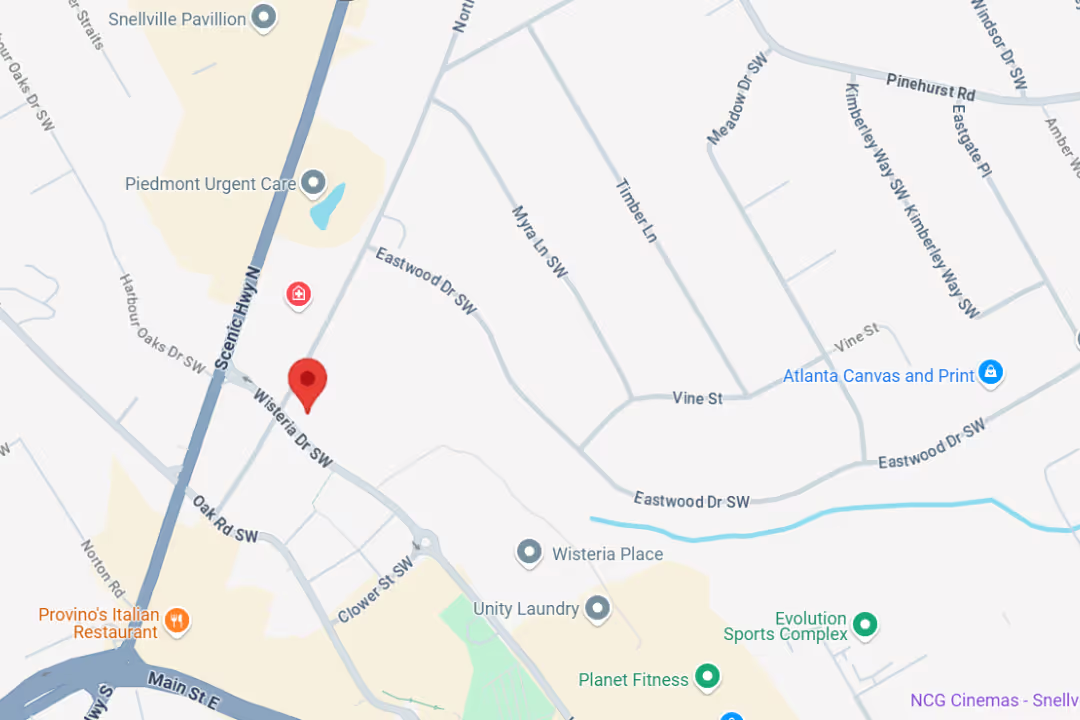
Snellville Surgery Center
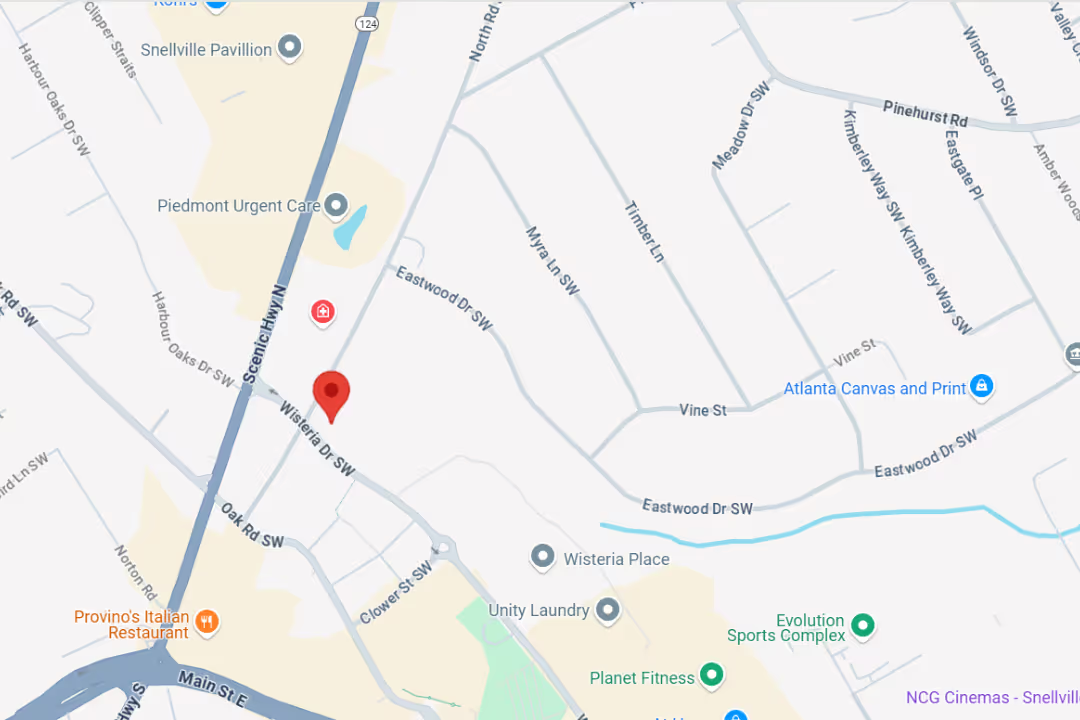
2220 Wisteria Dr, Unit 100
Snellville, GA 30078
(470) 795-8398
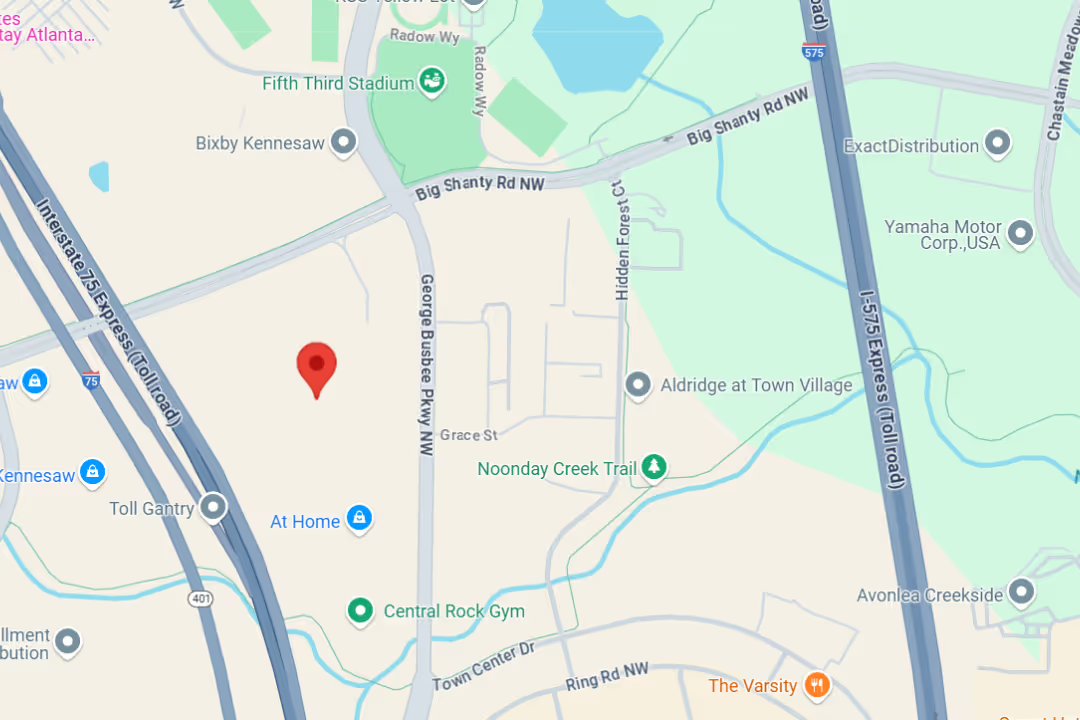
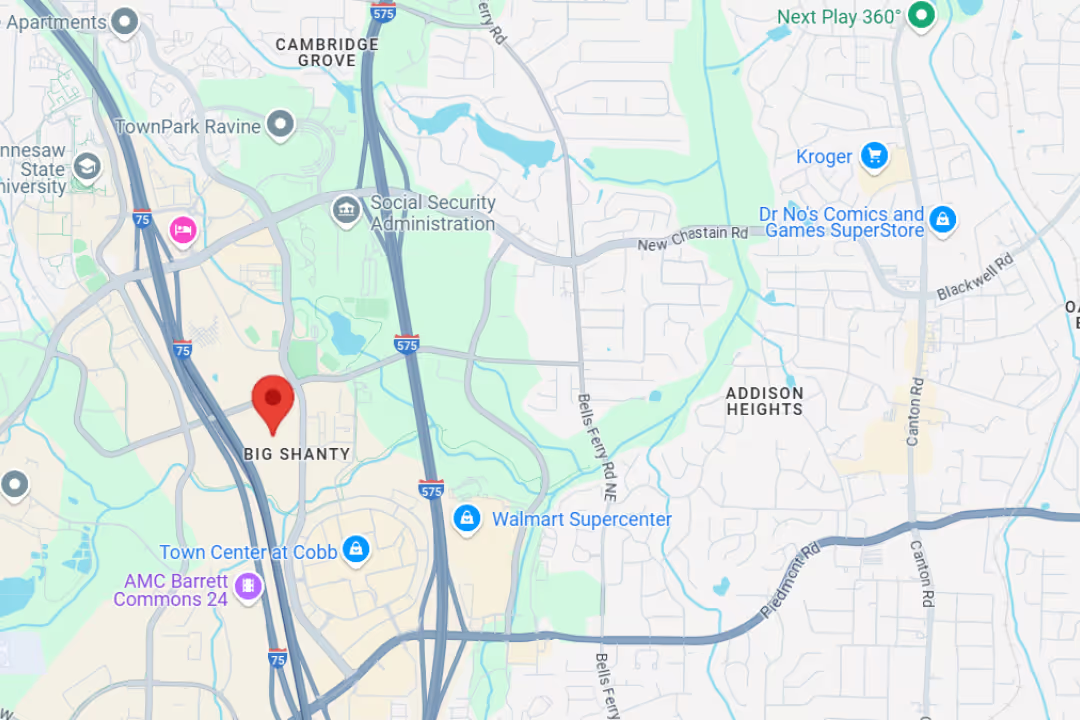
Kennesaw Clinic
2911 George Busbee Parkway, Suite 50
Kennesaw, GA 30144
(770) 545-6404
Snellville Clinic
2220 Wisteria Drive, Unit 101
Snellville, GA 30078
(470) 645-9297
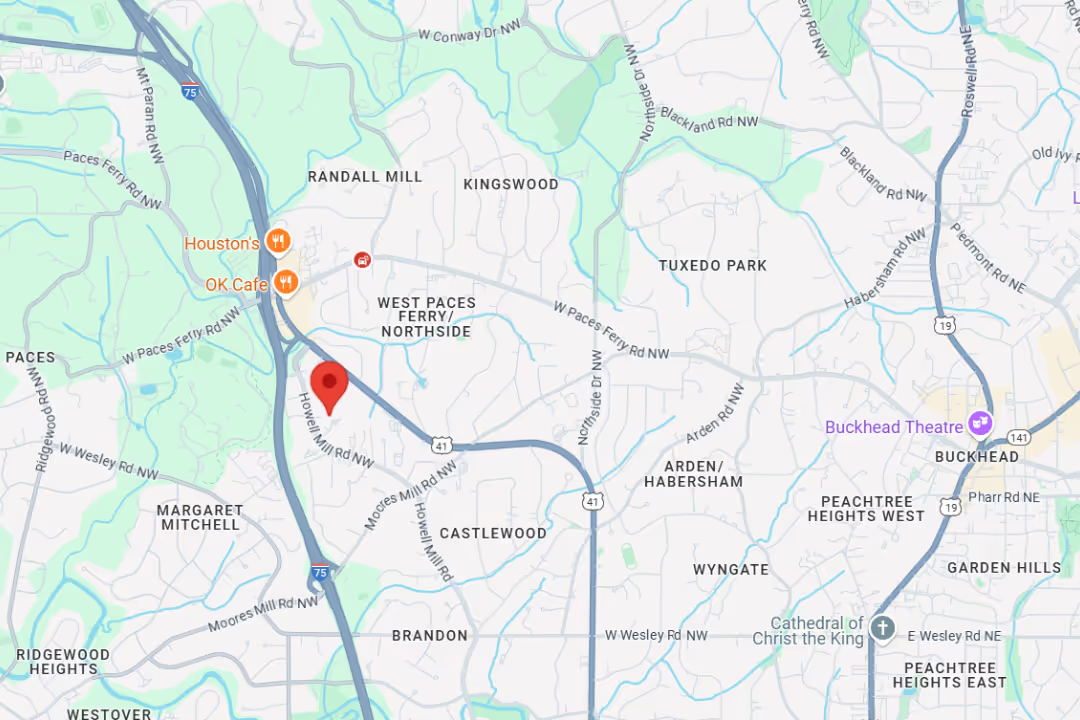
Buckhead PM&R
3200 Downwood Circle NW, Suite 520
Atlanta, GA 30327
(770) 872-7549
At Medici, you’re more than your MRI.
We take time to hear your story, understand your pain, and create a plan that actually works for you.

Our team delivers specialist care at convenient locations across Metro Atlanta:
Get expert tips on injury recovery, pain relief, joint health, and movement strategies—straight from our Fellowship-Trained team.