Living with chronic pain can feel like your world is slowly shrinking. Maybe you’ve tried medications, injections, physical therapy—even spine surgery—and you’re still hurting most days. You might be able to function, but only by pushing through pain, planning your day around it, or avoiding the activities you once loved.
If this sounds familiar, you may be wondering whether you qualify for a spinal cord stimulator (SCS).
A spinal cord stimulator is a small device that sends mild electrical signals to the spinal cord to help interrupt or modify pain signals before they reach your brain. For many people, this can mean less pain, better sleep, and an improved ability to move and participate in daily life.
It’s important to know that SCS is not a first-line treatment. It’s an advanced, minimally invasive option reserved for carefully selected patients who have already tried more conservative treatments without adequate relief.
At Medici Orthopaedics & Spine, we specialize in interventional pain management and minimally invasive solutions, including spinal cord stimulation, for patients throughout Metro Atlanta and North Georgia. Every patient is evaluated individually—there is no one-size-fits-all answer. Whether you qualify for a spinal cord stimulator depends on your pain history, prior treatments, goals, and overall health, not just a scan or a number on a pain scale.
A spinal cord stimulator sounds high-tech, but the basic idea is straightforward.
These pulses help modify how pain signals are transmitted to your brain. Instead of constant, intense pain signals, the brain may receive changed or reduced signals—often experienced as less pain or a more manageable sensation.
It’s important to understand:
Spinal cord stimulation is typically used for nerve-related pain that hasn’t responded well to conservative care. Examples include:
Spinal cord stimulation is generally considered for patients whose pain is:
If your pain is short-lived, rapidly changing, or related to a condition that is still being actively worked up or treated, you may not be at the stage where SCS is appropriate.
Because SCS is an advanced therapy, it’s usually considered after more conservative options have been tried, such as:
You do not have to “fail everything under the sun,” but there should be a documented history of reasonable attempts at standard treatments with either:
At Medici Orthopaedics & Spine, we review your full treatment history to see whether SCS is a logical next step—not a premature one.
Spinal cord stimulation is best suited for patients whose pain situation is relatively stable, meaning:
SCS is most often considered when:
One of the most reassuring aspects of spinal cord stimulation is that you don’t have to commit to a permanent implant right away.
Almost all patients go through a temporary trial period first. The trial allows both you and your physician to:
The SCS trial is typically a minimally invasive, outpatient procedure:
During the trial, you’ll be encouraged to:
After the trial period, you and your physician sit down to review how things went.
Common benchmarks for a “successful” trial include:
Just as important is your personal feedback:
Only if both you and your physician agree that the trial produced meaningful benefit—and that the sensation is tolerable—will permanent implantation be considered.
Living with chronic pain—day after day, despite trying medications, injections, or even surgery—can feel isolating and exhausting. But there are options beyond “just managing.” A spinal cord stimulator (SCS) can be truly life-changing for the right patient—particularly those with chronic, nerve-related pain who haven’t found enough relief from traditional treatments.
At Medici Orthopaedics & Spine, we use spinal cord stimulation as part of a comprehensive, minimally invasive, and least drug-dependent pain management strategy. Our goal is always the same: to restore your quality of life, function, and independence in the safest and most effective way possible.
A spinal cord stimulator evaluation is a careful, step-by-step process, guided by our experienced interventional spine and pain management team. Whether your pain stems from failed back surgery, nerve damage, Complex Regional Pain Syndrome (CRPS), or another chronic condition, our specialists can help determine whether SCS might finally bring you meaningful relief.
Main Phone: +1-844-328-4624
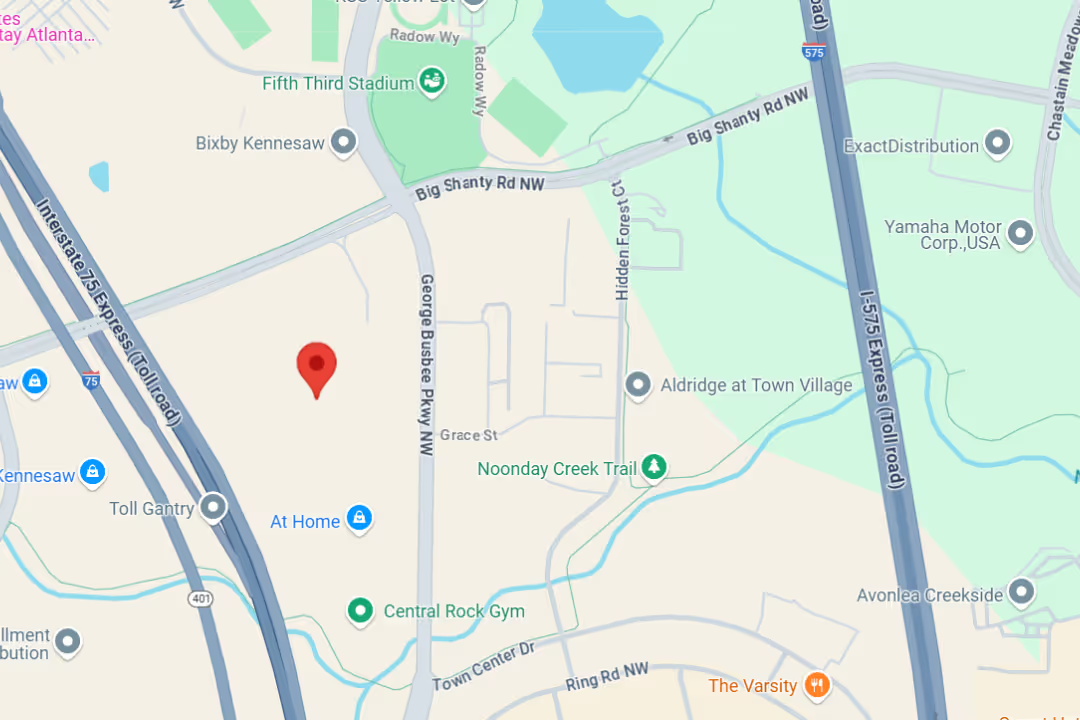
Kennesaw Clinic:
2911 George Busbee Parkway, Suite 50
Kennesaw, GA 30144
📞 (770) 545-6404
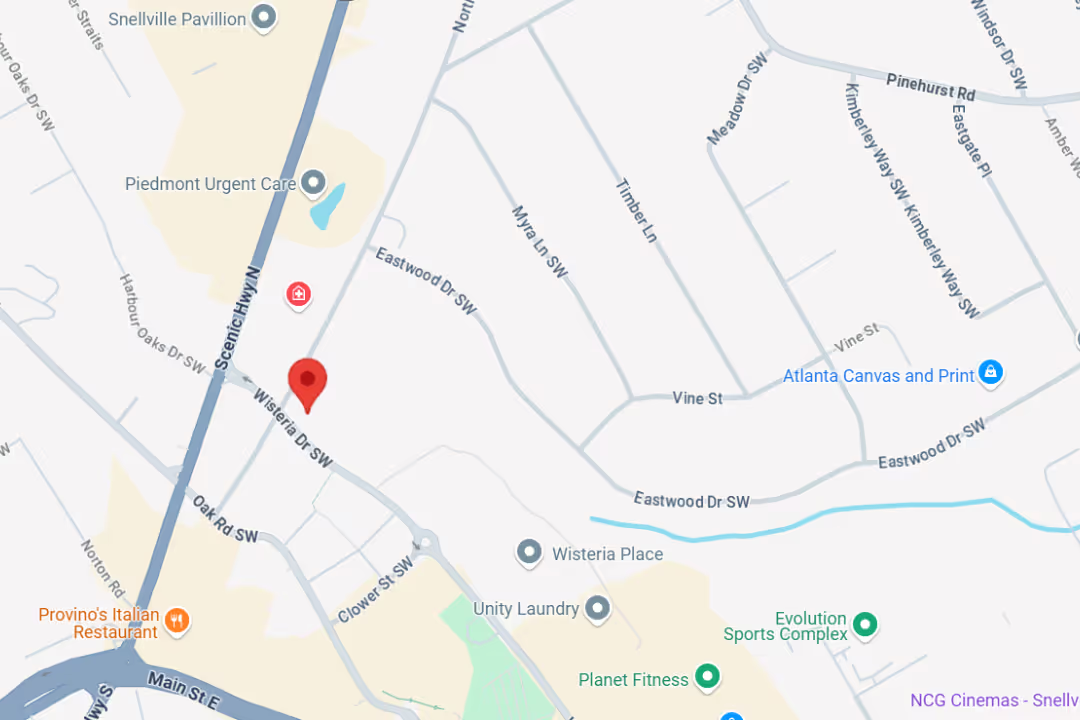
Snellville Clinic:
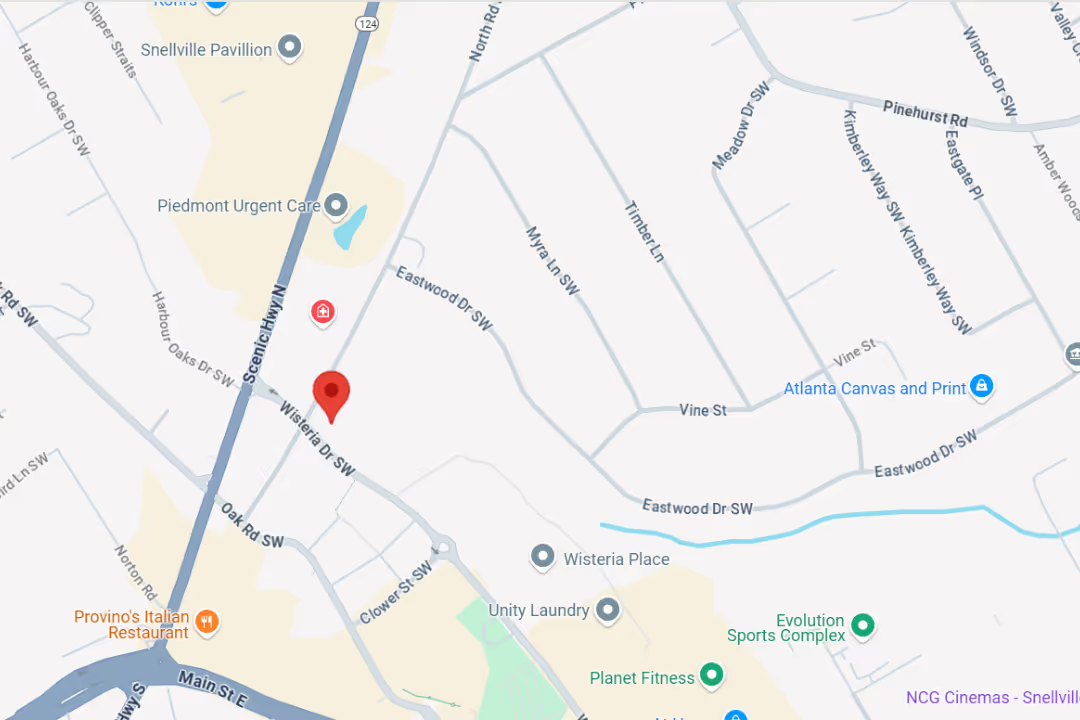
2220 Wisteria Drive, Unit 101
Snellville, GA 30078
📞 (470) 645-9297
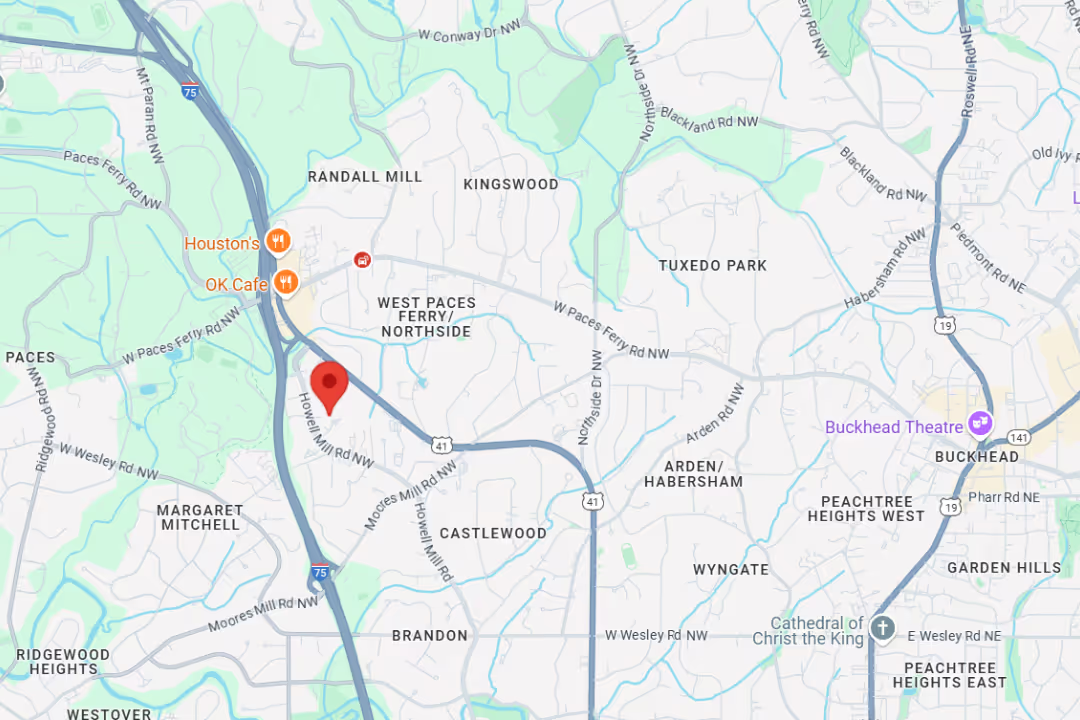
Buckhead PM&R:
3200 Downwood Circle, NW, Suite 520
Atlanta, GA 30327
📞 (770) 872-7549
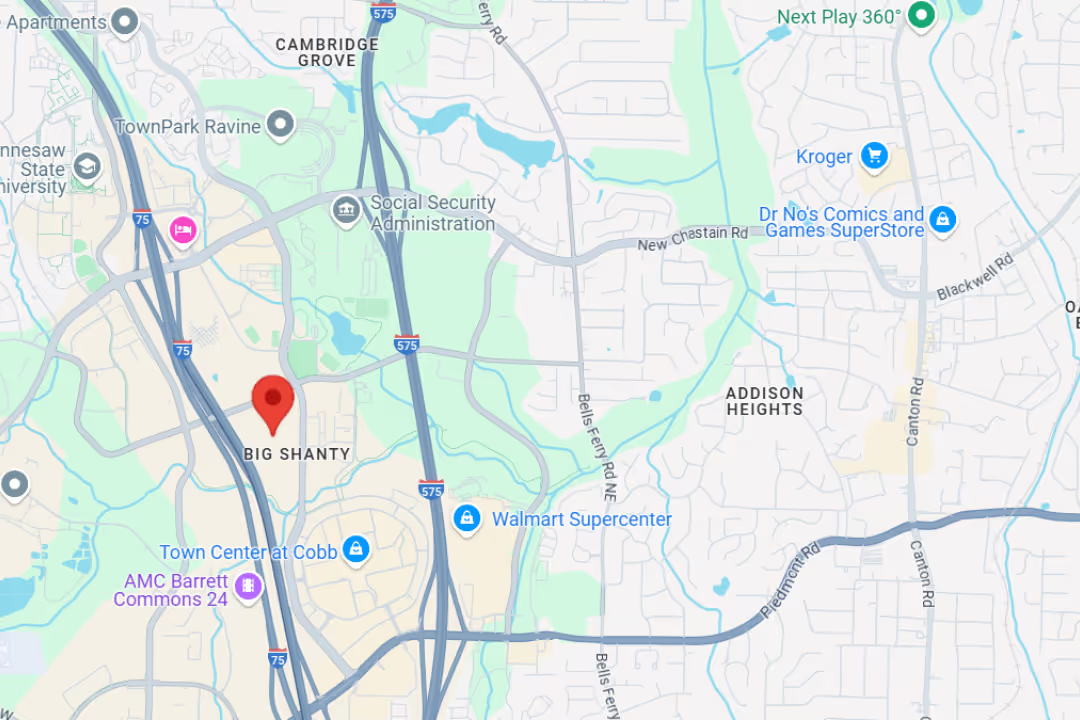
Marietta Ambulatory Surgery Center:
792 Church Street, Unit 101
Marietta, GA 30060
📞 (470) 795-8398
🌐 Website: mediciortho.com
Explore our library of patient support guides covering the conditions we treat, the treatments we offer, and the questions we hear most. Each one is written to help you understand your options and feel confident about your next step. Browse the topics below to learn more, or reach out to our team anytime.

At Medici, you’re more than your MRI.
We take time to hear your story, understand your pain, and create a plan that actually works for you.

Our team delivers specialist care at convenient locations across Metro Atlanta:
Get expert tips on injury recovery, pain relief, joint health, and movement strategies—straight from our Fellowship-Trained team.