Spinal fusion is often performed to stabilize the spine and reduce pain caused by conditions such as degenerative disc disease, spondylolisthesis, spinal instability, or severe arthritis. By permanently joining two or more vertebrae, the surgery limits painful motion and helps protect irritated nerves. For many patients, this procedure brings meaningful relief and allows them to return to a more active, comfortable life.
But not everyone experiences complete recovery. A significant number of patients continue to feel pain months—or even years—after the fusion has healed. If you’re still hurting, you’re not alone, and you’re certainly not out of options. Chronic pain after spinal fusion is a medical challenge we understand deeply, and there are effective treatments that can significantly improve your quality of life.
At Medici Orthopaedics & Spine, our approach is simple: restoring function with the least invasive, least drug-dependent, and most effective treatment plan possible. We believe in listening closely, diagnosing thoroughly, and treating thoughtfully—using advanced technologies and compassionate care to help you move forward.
These targeted procedures address inflammation, nerve irritation, and joint dysfunction without the downtime or risks associated with additional surgery.
These injections deliver anti-inflammatory medication directly around irritated nerves, reducing swelling and relieving radiating pain in the back or legs. They are especially helpful when nerve compression or scar tissue contributes to ongoing symptoms.
Fusion alters how surrounding joints carry load. Facet joints can become irritated, leading to persistent back or buttock pain. Diagnostic blocks help confirm the source of pain while providing temporary relief.
If medial branch blocks identify facet joints as the pain generator, RFA can provide long-lasting relief by gently quieting the small nerves that transmit pain signals. Many patients enjoy improved mobility and decreased discomfort for 9–18 months.
The SI joints are one of the most commonly overlooked causes of post-fusion pain. When lumbar segments are fused, the SI joints often take on additional stress. Injections, RFA, and targeted therapy can dramatically reduce pain originating from the pelvis.
Regenerative therapies encourage your body to repair and strengthen tissue naturally, reducing reliance on medications and supporting long-term stability.
Prolotherapy stimulates your body’s natural healing response to strengthen overstretched ligaments and stabilize hypermobile joints—an especially helpful option when compensatory movement patterns create persistent discomfort.
PRP uses your own concentrated platelets to promote healing in muscles, tendons, and ligaments strained during recovery. It enhances tissue regeneration and improves function with minimal downtime.
Why Regenerative Medicine Helps:
These treatments:
Many patients underestimate the role of muscle and fascia in post-fusion pain. At Medici, we prioritize therapies that restore healthy movement patterns.
Gentle, guided exercises help reduce stiffness and improve range of motion—crucial after the spine has been surgically stabilized.
Scar tissue can restrict nerves and muscles. Myofascial release, hands-on therapy, and targeted modalities help reduce tension and free restricted tissues.
After a fusion, the body must relearn how to support and stabilize the spine. Personalized physical therapy helps:
HBOT exposes the body to high concentrations of oxygen inside a pressurized chamber—an advanced therapy with profound healing benefits.
Enhanced oxygen levels support:
Spinal nerves and tissues often require significant time to recover after fusion. HBOT boosts oxygen delivery to these healing structures, helping decrease pain, improve function, and accelerate rehabilitation progress.
Medication can be helpful for controlling inflammation and calming irritated nerves—but at Medici Orthopaedics & Spine, our goal is always to use the lowest effective dose for the shortest necessary duration. We prioritize safety, clarity, and long-term health over temporary relief.
Commonly used medications may include:
Opioids can mask pain, but they do not address the underlying problem—and long-term use introduces risks.
At Medici, we avoid prolonged opioid therapy whenever possible, instead focusing on curative and restorative treatments that promote genuine healing.
Our approach is simple:
Spinal Cord Stimulation is one of the most effective options for persistent nerve pain after spine surgery, especially when conservative treatments haven’t provided enough relief.
SCS delivers gentle electrical pulses to the spinal cord, interrupting pain signals before they reach the brain. Modern stimulators provide targeted, customizable relief without the constant tingling sensations that older devices produced.
Patients often respond well to SCS when they have:
One major advantage is that SCS begins with a trial period, allowing you to test the device and feel the relief before committing to placement.
Most patients experience:
For patients struggling with severe muscle spasms that do not respond adequately to oral medications, a Baclofen pump can be life-changing.
Oral muscle relaxants may not reach high enough concentrations in the spinal fluid to calm deep spinal muscle spasms. The Baclofen pump solves this problem by delivering medication directly to the spinal cord, allowing for far greater effectiveness.
Because the medication is delivered in tiny, targeted amounts:
Surgery is never our first choice—but in certain situations, a minimally invasive or targeted revision procedure may genuinely improve outcomes.
At Medici, revision surgery is recommended only when:
Revision surgery may be considered if:
Chronic pain after spinal fusion is far more common than most people realize—and just as importantly, it is highly treatable. Persistent discomfort does not mean your surgery failed, and it certainly doesn’t mean you’ve run out of options. Your spine, nerves, muscles, and joints are interconnected systems, and when even one element is under stress, the whole body can feel the effects.
At Medici Orthopaedics & Spine, we take the time to understand your unique experience so we can identify what’s truly driving your pain. You deserve a treatment plan designed to restore mobility, comfort, and confidence—not one that masks symptoms or leaves you searching for answers.
If you’re ready to finally understand why you’re still hurting—and more importantly, what can be done to help—we’re here to walk that journey with you.
Our team is ready to help you take the next step toward meaningful relief.
At Medici, you’re more than your MRI.
We take time to hear your story, understand your pain, and create a plan that actually works for you.

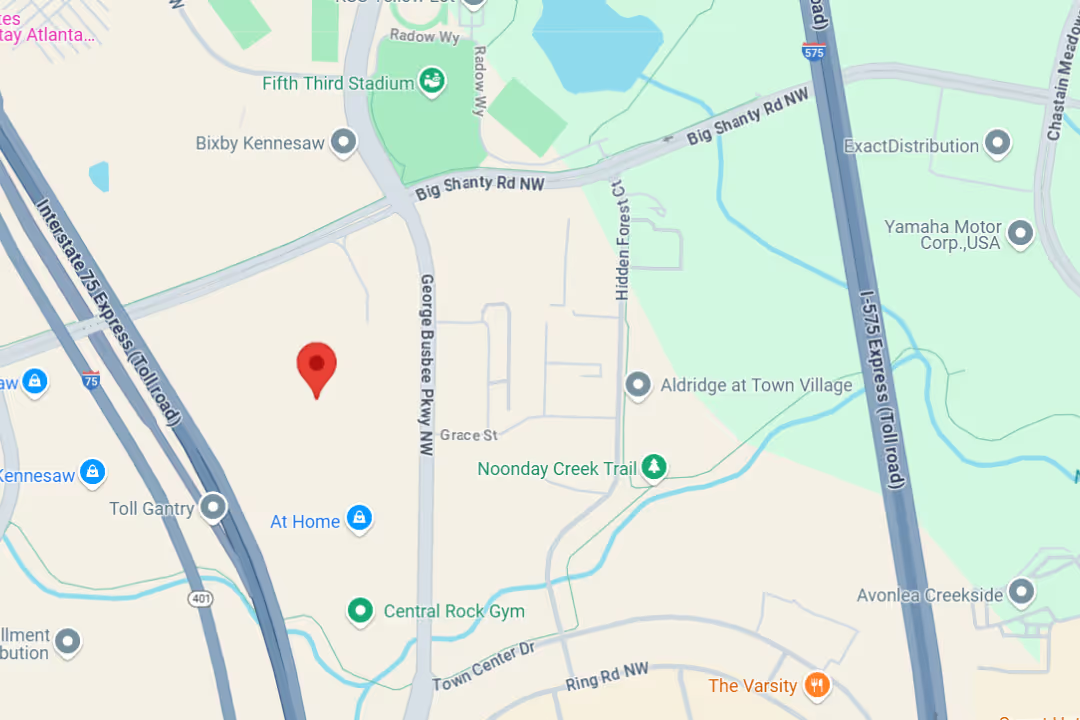
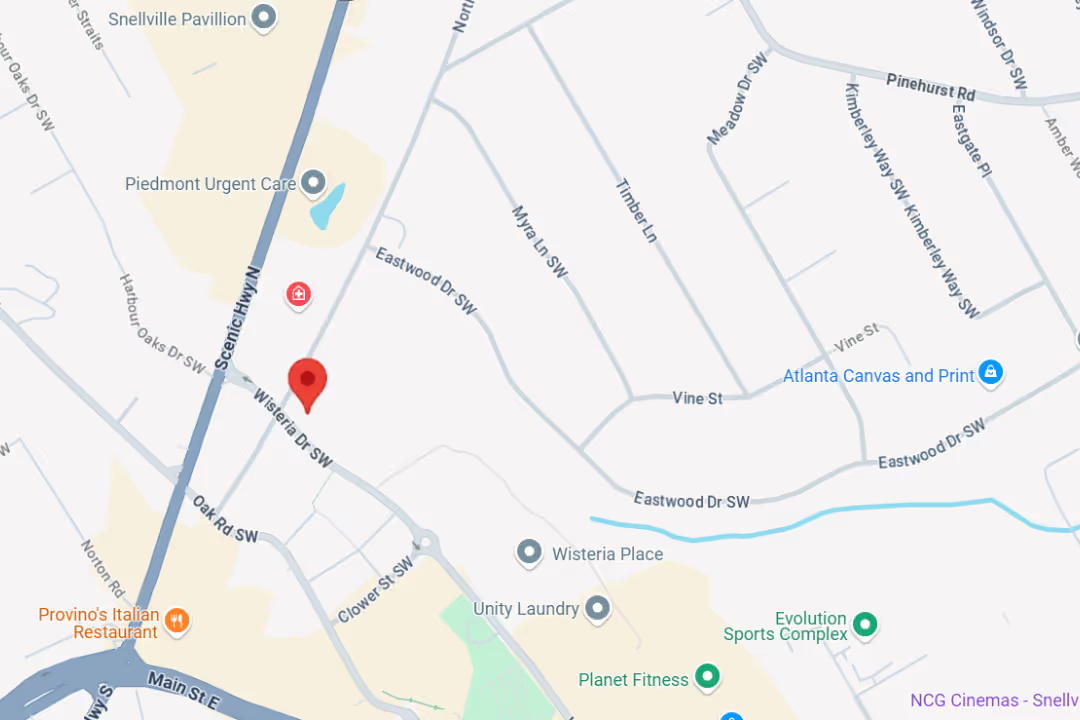
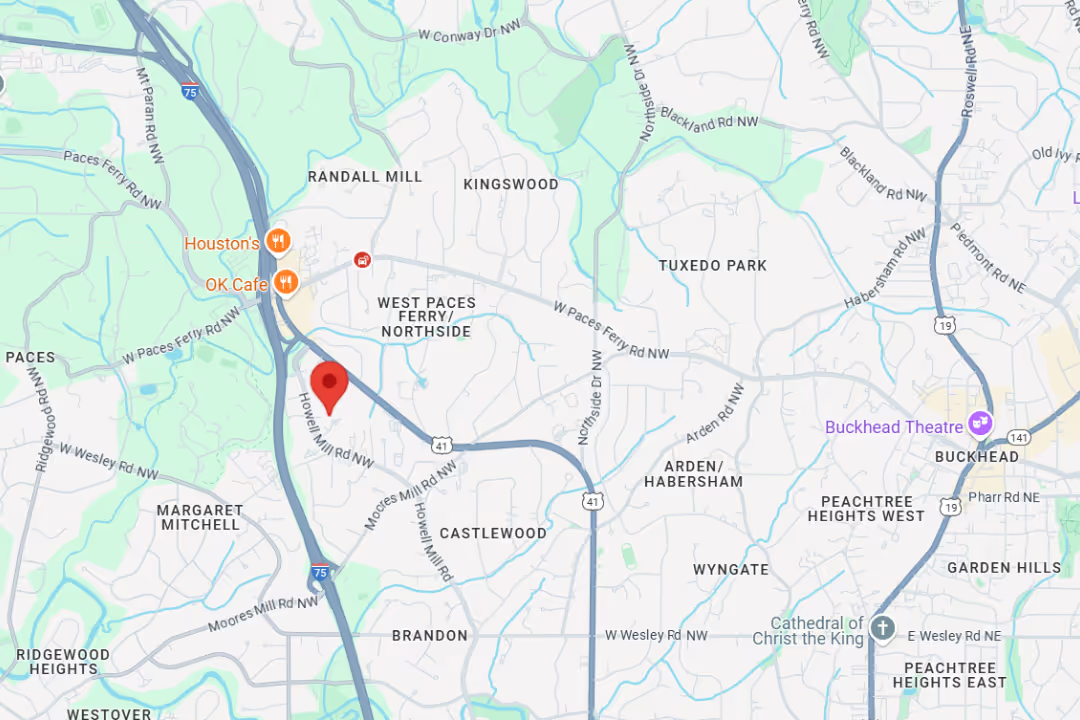
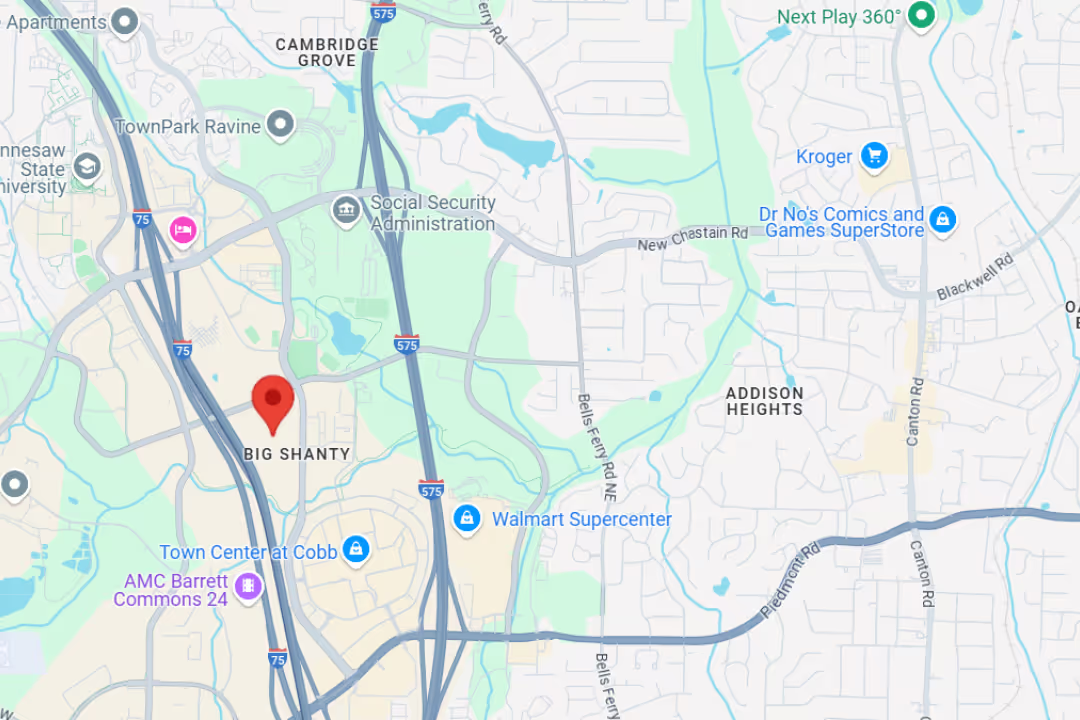
Our team delivers specialist care at convenient locations across Metro Atlanta:
Get expert tips on injury recovery, pain relief, joint health, and movement strategies—straight from our Fellowship-Trained team.