Neuropathy has a way of sneaking into your life without asking permission. One day you’re taking a quick walk through the neighborhood, running errands on Scenic Highway, or standing in the kitchen cooking dinner—and the next, you notice your feet feel “off.” Maybe it’s a faint tingling that comes and goes. Maybe it’s burning at night that makes it hard to fall asleep. Or maybe it’s numbness that leaves you second-guessing every step because you don’t feel the ground the way you used to.
If you’ve been told, “It’s just neuropathy,” or you’ve started to believe nothing can be done, here’s the truth: neuropathy is real, it’s common, and many cases improve with the right evaluation and a modern plan. Even when neuropathy can’t be “cured” overnight, it can often be managed more effectively—with better sleep, fewer flare-ups, improved walking tolerance, and a higher quality of life.
If you’re in Snellville and dealing with burning, tingling, numbness, or electric-like pain, Medici Orthopaedics & Spine is here to help you sort out what’s going on and what options may fit—without rushing you into anything that doesn’t feel right.
Timing matters. A gradual creep of numbness in both feet is a different picture than sudden shooting pain down one leg. We pay attention to:
Triggers are not random—they’re information.
One of the most important questions is: Is it symmetrical?
We also screen for red flags—like rapidly worsening weakness, significant balance decline, or bowel/bladder changes—so urgent issues aren’t missed.
Many patients have tried different approaches—new shoes, supplements, physical therapy, medications, injections, home remedies. That history helps avoid repeating dead ends and can reveal:
A thorough neurologic exam can reveal patterns that match specific nerve pathways. Typical elements include:
How you walk tells a story too. We look at:
A modern evaluation connects symptoms to anatomy:
Imaging can be helpful when symptoms suggest a spine-driven cause, such as:
Nerve conduction studies and EMG can be useful when:
If the pattern suggests a metabolic or systemic driver, coordination with lab work can identify treatable contributors—like vitamin deficiencies or blood sugar issues—so the plan addresses the root problem, not just the discomfort.
A common pattern is doing too much on a “good day,” then paying for it with a flare that lasts days. Pacing helps you build tolerance steadily without triggering the nervous system to revolt.
Because neuropathy often intensifies at night, sleep strategy matters:
If numbness is affecting balance, preventing falls becomes part of pain management:
When blood sugar control, vitamin status, or thyroid function is a driver, coordinating care can dramatically improve long-term outcomes. This is where a whole-person plan beats symptom-chasing.
In some cases, gentle nerve-glide techniques can reduce sensitivity and improve mobility of irritated nerves. The key is matching the technique to the pattern—too aggressive can flare symptoms, so it should be guided.
When sensation is reduced, strengthening and balance work helps the body compensate safely—improving steadiness, confidence, and walking mechanics.
If the spine is contributing (neck or low back), stabilization and mechanics-focused therapy can reduce ongoing irritation so the nerve can settle.
The best programs tie directly to your life:
Medication may help when pain is disrupting sleep or function, especially while you’re addressing the underlying cause. It’s less helpful when it’s used as the only strategy or when side effects outweigh benefits.
The goal is to find the lowest effective dose (if needed), avoid “stacking” meds that cause sedation, and reduce risks like dizziness and falls—especially in patients already feeling unsteady.
For many patients, medication is best viewed as a tool to lower the volume so you can sleep, move, and participate in therapies that address the source.
These options may be considered when:
For some patients with chronic neuropathic pain that hasn’t responded to conservative care, spinal cord stimulation can be a modern option.
SCS is a type of neuromodulation—technology designed to change how pain signals are processed, helping reduce the intensity of neuropathic pain signals.
Often considered when:
A key benefit is that SCS typically involves a trial period first. That means you can see how much relief you get before making any long-term decision.
Patients and clinicians often look for improvements in:
If neuropathy is interrupting your sleep, making walking feel uncertain, or wearing you down during the workday, you don’t have to “just live with it.” Too many people in Snellville push through burning, tingling, numbness, or electric-like pain for far too long—adjusting their life around symptoms instead of getting a clear explanation for why it’s happening.
At Medici Orthopaedics & Spine, we take a modern, patient-centered approach that prioritizes the least invasive, least drug-dependent path to meaningful relief. From conservative care and movement-based treatment to targeted interventional options and advanced therapies when appropriate, there are real solutions available—often without jumping straight to major surgery.
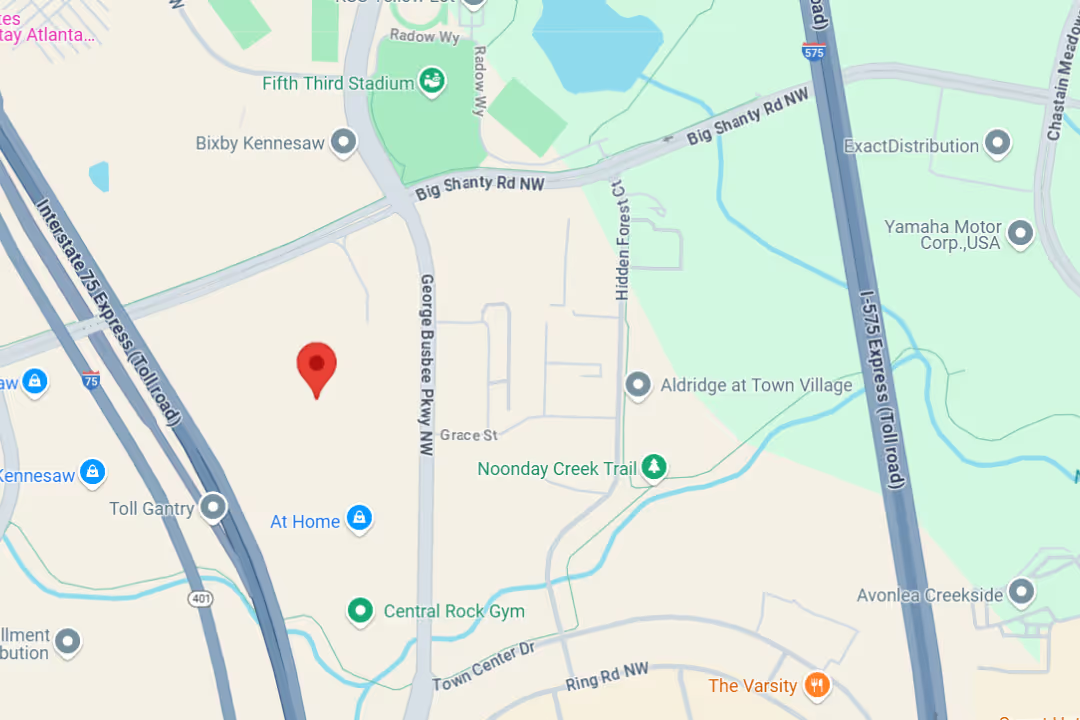
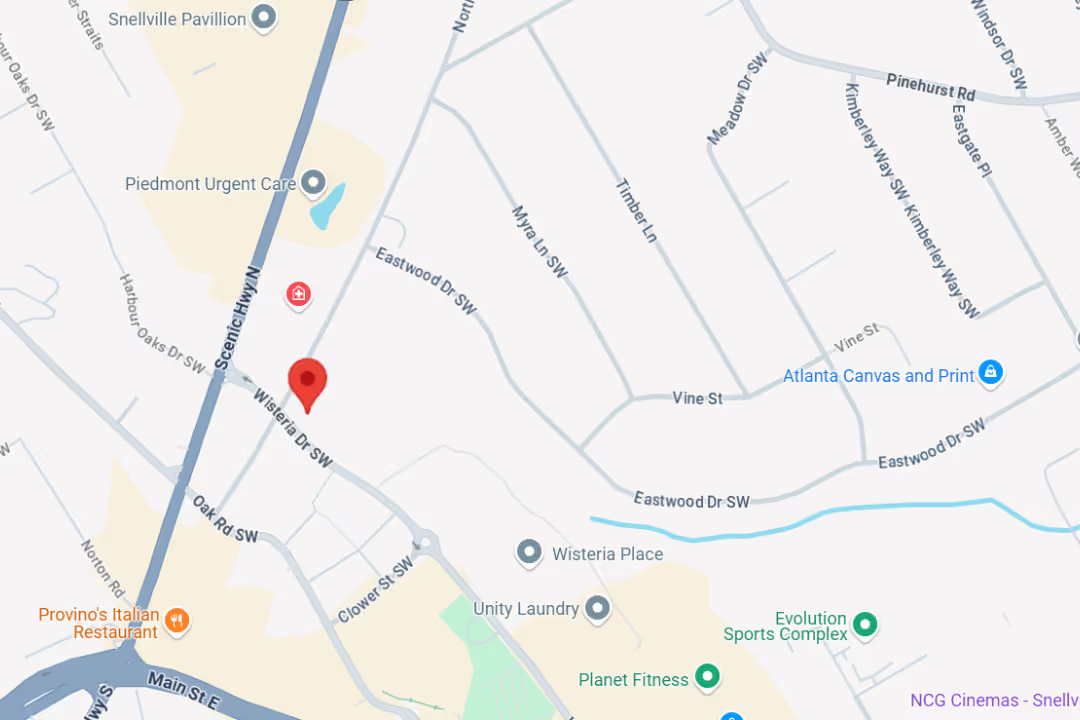
Snellville Clinic
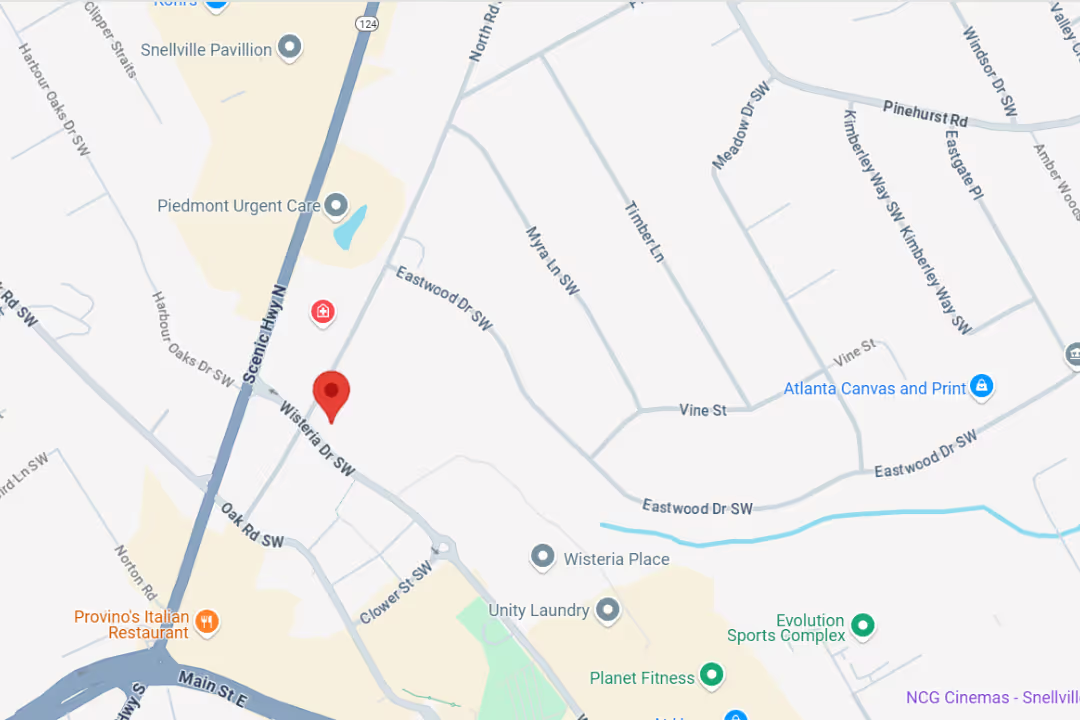
2220 Wisteria Drive, Unit 101
Snellville, GA 30078
At Medici, you’re more than your MRI.
We take time to hear your story, understand your pain, and create a plan that actually works for you.

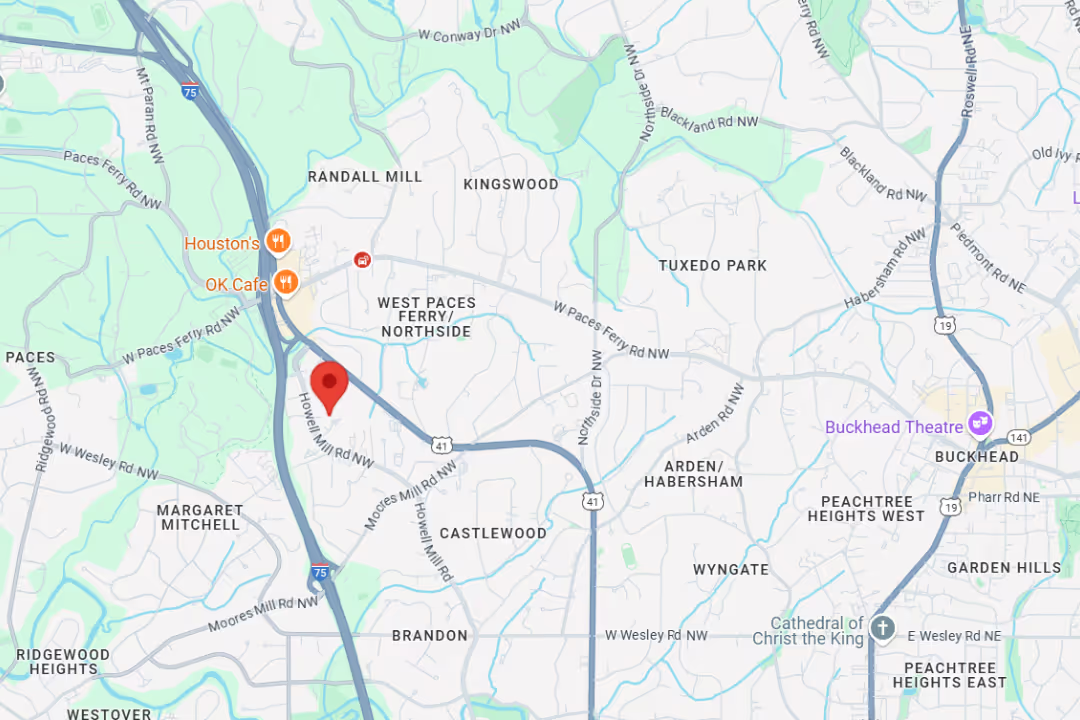
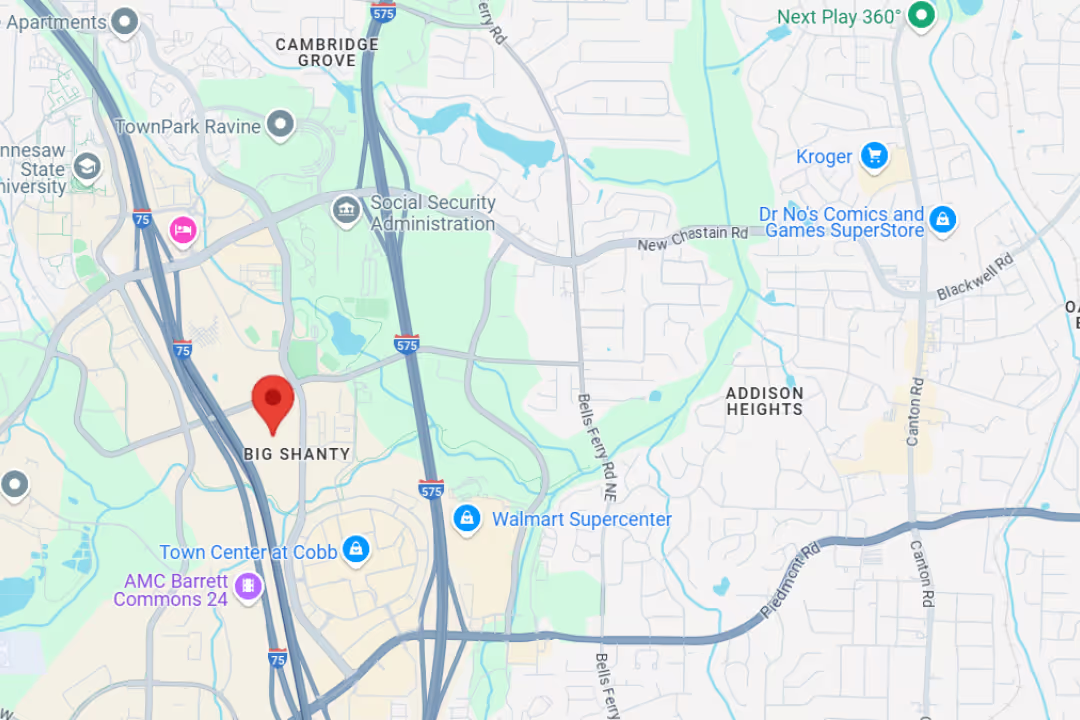
Our team delivers specialist care at convenient locations across Metro Atlanta:
Get expert tips on injury recovery, pain relief, joint health, and movement strategies—straight from our Fellowship-Trained team.