Chronic pain can change the way you move through the world. It may start as back pain that will not fully settle down, neck stiffness that keeps returning, nerve pain that shoots into the leg, or joint pain that makes everyday tasks feel harder than they used to. Over time, pain can begin to affect sleep, work, exercise, mood, independence, and the simple routines that make life feel normal.
For many patients in Snellville, chronic pain is not caused by just one thing. Arthritis, old injuries, spine problems, sciatica, neuropathy, muscle tightness, inflammation, work-related injuries, auto accident injuries, and post-surgical changes can overlap. That is why it can be so frustrating when someone is told to “just rest” or “just take medication” without a deeper look at what is really going on.
At Medici Orthopaedics & Spine, we believe patients deserve more than a quick answer. They deserve to be listened to, examined carefully, and given a treatment plan that is built around their body, their pain, and their goals. Our team focuses on helping patients restore quality of life with the most effective, least invasive, and least drug-dependent options medically available today.
For many patients, chronic pain care begins with alternatives to aggressive surgery or long-term medication dependence. These options may help reduce pain, improve movement, and support daily function.
Alternative pain management strategies may include:
Injections can be helpful when inflammation, nerve irritation, joint pain, or soft-tissue pain is contributing to symptoms. They may also be used diagnostically to help confirm where pain is coming from.
Depending on the condition, injection options may include:
Many chronic pain patients have symptoms that begin in the spine or are influenced by the spine. This may include back pain, neck pain, sciatica, radiculopathy, spinal stenosis, post-laminectomy syndrome, or nerve-related pain.
Interventional spine care may help address:
Medication management is an important part of chronic pain care for some patients, but it should be thoughtful and carefully monitored. The goal is to use medication safely and effectively, while also looking for ways to reduce unnecessary reliance whenever possible.
Medication management may include:
Physical therapy can play a major role in chronic pain recovery. When pain has been present for a long time, the body often develops weakness, stiffness, guarding, poor movement patterns, and reduced endurance.
Physical therapy may help improve:
Muscles and connective tissue can contribute significantly to chronic pain. When the body protects an injured or painful area, muscles may tighten, develop trigger points, or limit normal movement.
Myofascial release and sports massage therapy may help with:
Regenerative medicine and prolotherapy may be considered for selected patients with certain musculoskeletal conditions. These options are not right for everyone, and candidacy depends on diagnosis, anatomy, severity, and treatment goals.
They may be discussed for certain cases involving:
Spinal cord stimulation may be considered for selected patients with chronic nerve-related pain, post-surgical spine pain, or other difficult-to-manage pain conditions that have not improved enough with conservative or interventional care.
This treatment typically begins with a temporary trial. If the trial provides meaningful relief, the patient may then consider permanent implantation.
Spinal cord stimulation may be discussed for:
Hyperbaric oxygen therapy is one of the treatment offerings available through Medici where clinically appropriate. It involves breathing oxygen in a pressurized chamber under medical supervision.
This treatment is not a standard answer for every chronic pain condition, but it may be considered in selected cases based on the patient’s diagnosis, health status, and care plan.
Surgery is not the first step for every chronic pain patient, but sometimes it becomes the appropriate option. If a structural problem is not improving with conservative or interventional treatment, minimally invasive surgery may be discussed.
Minimally invasive surgery may be considered when:
Your provider will ask about your symptoms, medical history, and how pain affects your daily life. This conversation helps guide the exam and treatment plan.
You may be asked about:
A physical exam helps identify possible pain sources. This may include looking at movement, strength, sensation, reflexes, posture, walking pattern, and tender areas.
The exam may include checking:
If you have had imaging or treatment elsewhere, those records can be very helpful. Prior studies may show what has changed, what has already been addressed, and what may still need attention.
Helpful records may include:
Not every patient needs new testing. But when the diagnosis is unclear, symptoms are worsening, or treatment planning requires more detail, additional testing may be recommended.
Diagnostic testing may include:
After the evaluation, the Medici team will discuss treatment options based on the diagnosis, symptoms, health history, and goals. The plan may involve one treatment or several treatments working together.
A personalized plan may include:
Chronic pain can make life feel smaller, especially when it begins to limit movement, sleep, work, family time, and independence. Many patients come to a chronic pain clinic after trying to manage symptoms on their own for weeks, months, or even years. By that point, they do not just need another quick fix. They need someone to listen carefully and help make sense of what is happening.
At Medici Orthopaedics & Spine, we understand that chronic pain is rarely simple. It may involve the spine, joints, nerves, muscles, prior injuries, inflammation, or post-surgical changes. That is why our team focuses on careful evaluation and personalized treatment instead of assuming every patient needs the same approach.
If chronic pain is affecting your daily life, you do not have to keep pushing through it without answers. The Medici team is here to help you understand what may be causing your pain and what treatment options may be available.
Whether you are dealing with back pain, neck pain, sciatica, arthritis, neuropathy, joint pain, post-surgical pain, an auto accident injury, or a work-related injury, our team will take the time to evaluate your symptoms and build a plan around your needs.
To schedule an appointment, contact Medici Orthopaedics & Spine today or visit us online.
Main Website: https://www.mediciortho.com/
Main Contact: +1-844-328-4624
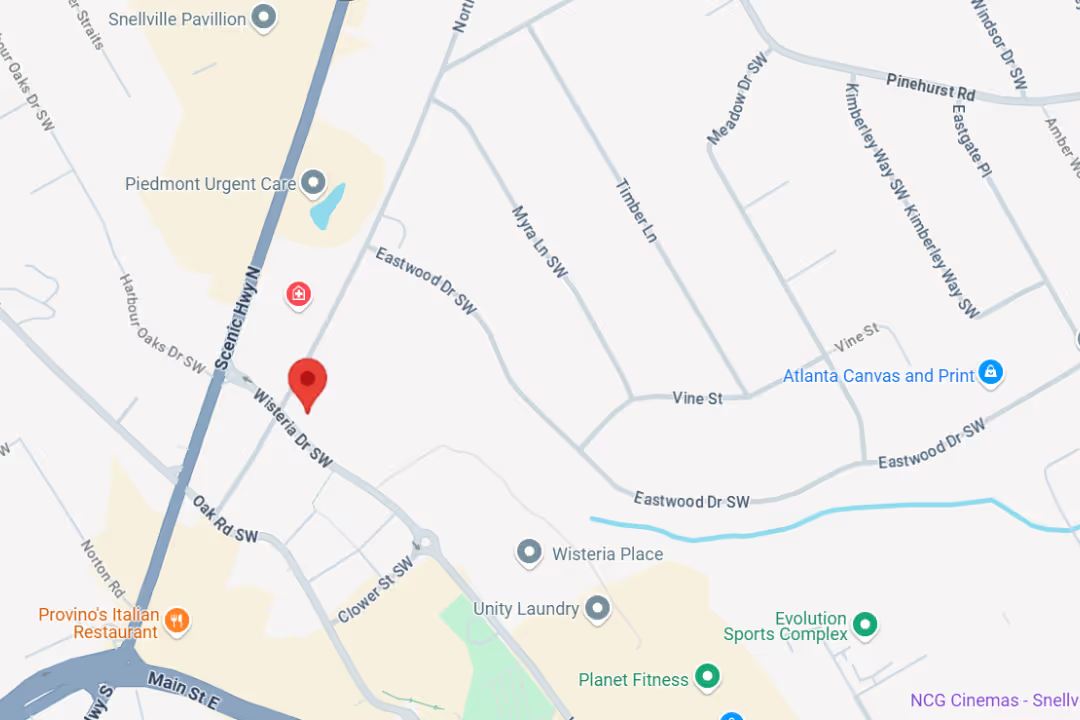
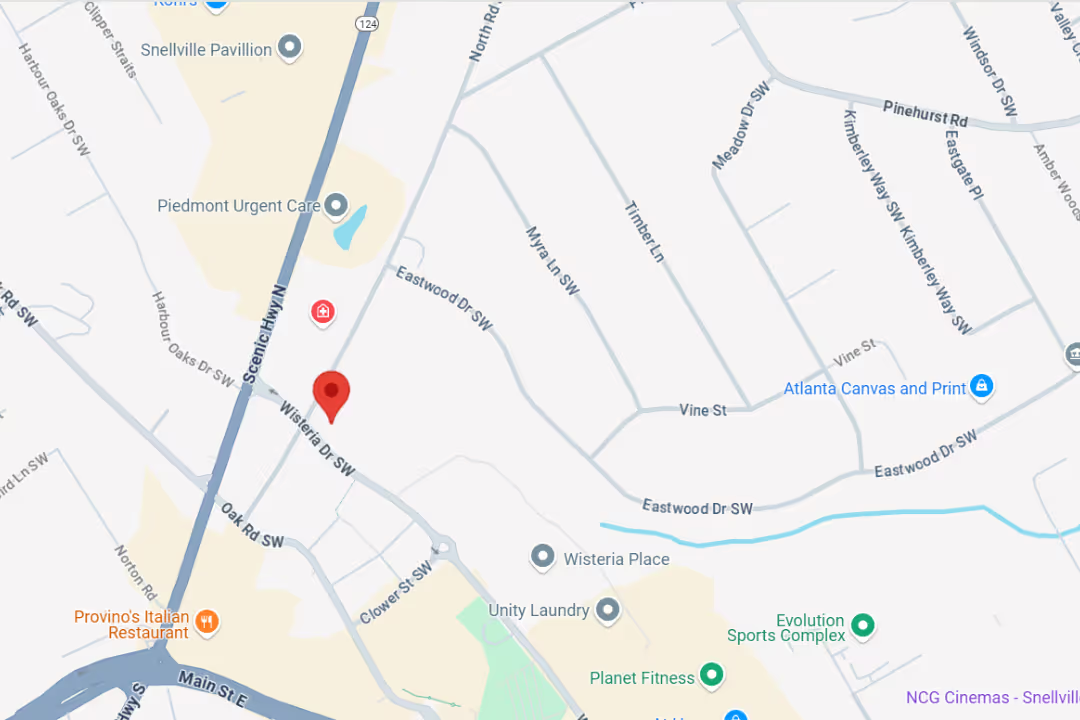
Medici Orthopaedics & Spine – Snellville Clinic
2220 Wisteria Drive
Unit 101
Snellville, GA 30078
Phone: (470) 645-9297
Medici Ambulatory Surgery Center – Snellville
2220 Wisteria Dr
Unit 100
Snellville, GA 30078
Phone: (470) 795-8398
Explore our library of patient support guides covering the conditions we treat, the treatments we offer, and the questions we hear most. Each one is written to help you understand your options and feel confident about your next step. Browse the topics below to learn more, or reach out to our team anytime.

At Medici, you’re more than your MRI.
We take time to hear your story, understand your pain, and create a plan that actually works for you.

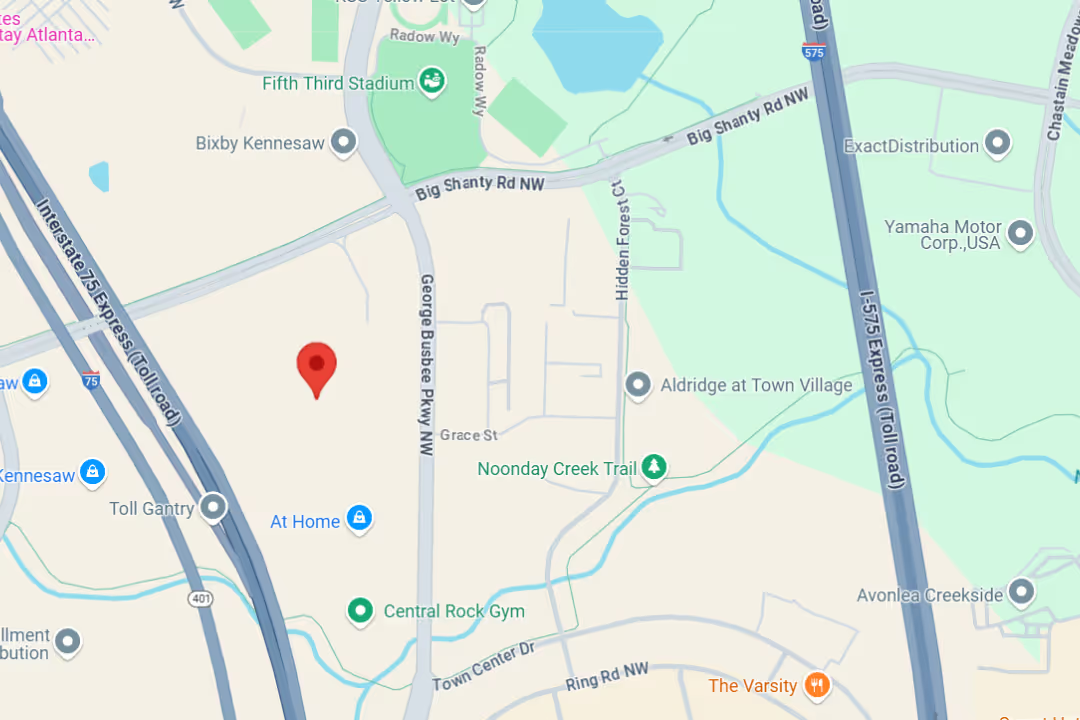
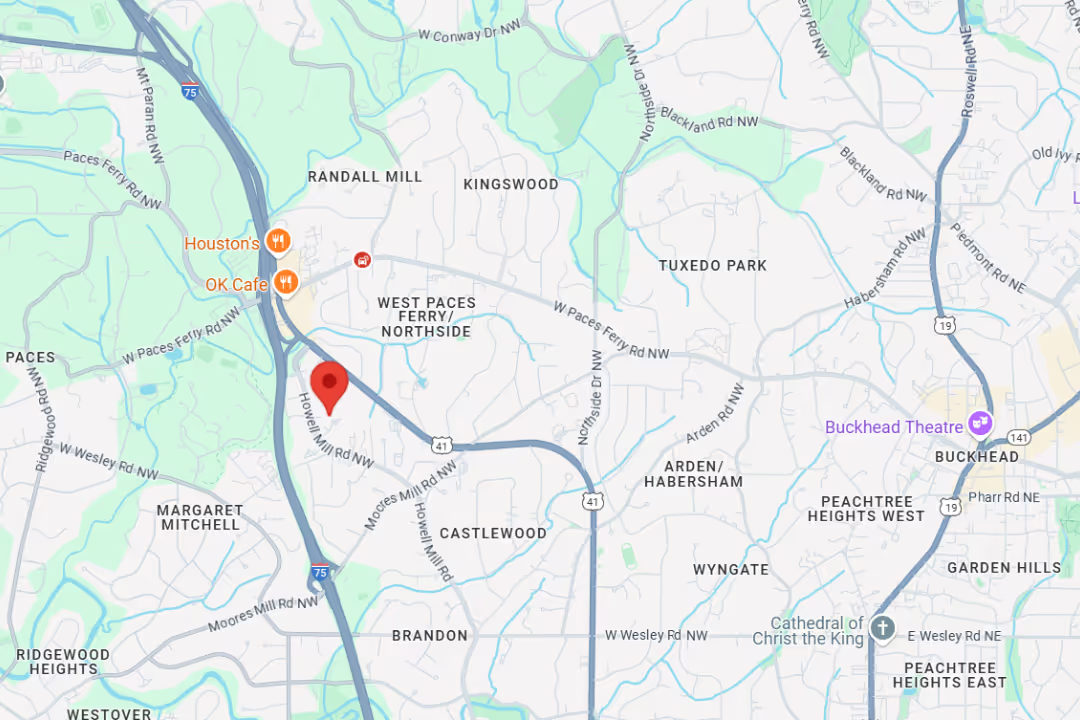
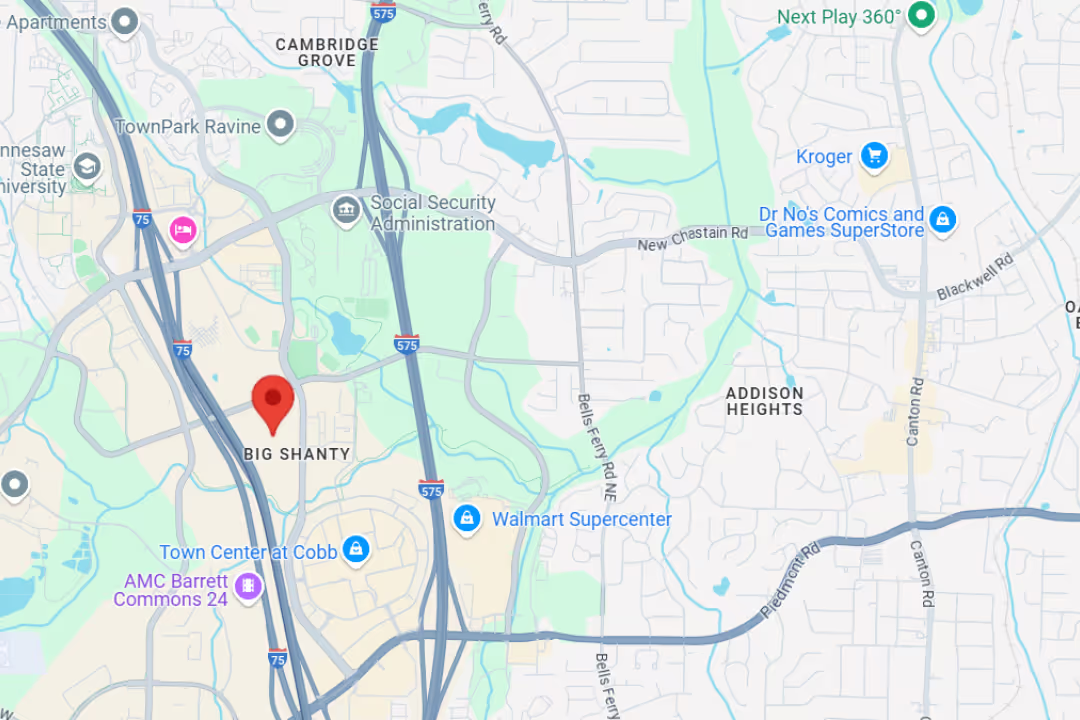
Our team delivers specialist care at convenient locations across Metro Atlanta:
Get expert tips on injury recovery, pain relief, joint health, and movement strategies—straight from our Fellowship-Trained team.