Spinal fusion surgery is often performed to stabilize the spine, reduce nerve compression, and relieve chronic back or neck pain caused by conditions such as degenerative disc disease, spinal instability, or severe arthritis. For many patients, the goal is clear: less pain, improved function, and a better quality of life.
However, for some individuals, pain continues months or even years after spinal fusion surgery, leading to frustration, confusion, and discouragement. Patients often ask, “Why am I still in pain if the surgery was supposed to fix the problem?” This experience is more common than many realize—and it can be deeply distressing.
Chronic pain after spinal fusion is generally defined as pain that persists longer than 3 to 6 months after surgery, beyond the expected healing period. Importantly, ongoing pain does not mean the surgery was a failure—or that there are no remaining treatment options.
At Medici Orthopaedics & Spine, we specialize in helping patients who continue to suffer after spine surgery. Through a physician-guided, minimally invasive approach, our team focuses on identifying the true source of post-surgical pain and developing personalized treatment plans designed to restore comfort, mobility, and confidence—without rushing into additional surgery.
Spinal fusion surgery permanently joins two or more vertebrae together using bone grafts, screws, rods, or plates. By eliminating motion at a painful spinal segment, fusion is intended to reduce instability and nerve irritation. While the fused area no longer moves, surrounding structures must adapt to new mechanical demands.
After spinal fusion, it is normal to experience pain during the initial healing phase. Most patients see gradual improvement over several weeks to months as inflammation decreases and the spine stabilizes.
Chronic pain, however, occurs when pain:
This type of pain may feel different from pre-surgical pain or may closely resemble it, raising concerns about whether the underlying problem was fully addressed.
Immediate post-operative pain is typically related to surgical trauma and tissue healing. Chronic post-fusion pain, on the other hand, often stems from:
Patients with persistent pain after spinal fusion may hear terms such as:
While these terms can sound alarming, they simply describe a condition—not a lack of hope. Many patients with these diagnoses respond well to targeted, non-surgical treatments when the true pain source is identified.
When one segment of the spine is fused, the levels above and below must absorb additional stress. Over time, this increased load can lead to degeneration of adjacent segments, causing new pain, stiffness, or nerve compression.
Nerves may remain irritated even after surgery due to:
This can result in persistent burning, tingling, numbness, or radiating pain into the arms or legs.
Screws, rods, and plates used during fusion can sometimes cause discomfort by:
Hardware-related pain is often positional and may worsen with activity.
Pseudoarthrosis occurs when the bones do not fully fuse together. This incomplete healing can cause ongoing instability, inflammation, and pain—especially during movement or prolonged activity.
After surgery, many patients experience:
Altered biomechanics can place excess strain on muscles and ligaments, becoming a major driver of chronic pain.
SI joint dysfunction is a frequently overlooked cause of pain after lumbar fusion. Because the lower spine no longer moves normally, stress is often transferred to the SI joints, leading to:
Proper diagnosis is essential, as SI joint pain requires a different treatment approach than spinal pain.
For many patients, the first step in treating chronic post-fusion pain is optimizing non-surgical care—especially when pain is driven by muscle imbalance, joint dysfunction, or altered movement patterns.
Targeted Physical Therapy
Unlike generic rehabilitation programs, targeted physical therapy focuses on:
This approach helps reduce abnormal stress on the spine and surrounding joints.
Myofascial Release and Movement Retraining
Scar tissue, muscle guarding, and fascial tightness are common after spine surgery. Myofascial techniques and guided movement retraining can:
Medication Optimization (Non-Opioid Focus)
When medications are used, the goal is relief without dependency. Providers focus on:
When conservative care alone is not enough, minimally invasive interventional spine treatments can provide targeted relief by reducing inflammation or interrupting pain signals.
Image-Guided Injections
Using advanced imaging ensures precise delivery of medication to the affected area, improving effectiveness and safety.
Epidural Steroid Injections
These injections help reduce inflammation around irritated nerve roots, often relieving radiating arm or leg pain.
Facet Joint or Sacroiliac (SI) Joint Injections
If pain originates from spinal joints or the SI joint—a common issue after fusion—targeted injections can confirm the diagnosis and provide relief.
Radiofrequency Ablation (RFA)
RFA uses controlled heat to interrupt pain signals from specific nerves. It can provide longer-lasting relief for patients with facet or SI joint–mediated pain.
For patients with persistent nerve-related pain that does not respond to injections or therapy, neuromodulation may be an effective option.
Spinal Cord Stimulation (SCS)
SCS delivers mild electrical signals to the spinal cord, altering how pain signals are perceived by the brain. It is commonly used for post-fusion pain and Failed Back Surgery Syndrome.
Peripheral Nerve Stimulation (PNS)
PNS targets specific peripheral nerves responsible for localized pain, offering relief without affecting the entire spinal cord.
When Neuromodulation Is Appropriate
Neuromodulation is typically considered when:
In select cases, regenerative medicine techniques may be used to support tissue healing and reduce inflammation. These therapies are applied carefully and only when diagnostic findings suggest they may be beneficial.
Regenerative treatments are not a one-size-fits-all solution and are always guided by thorough evaluation and medical appropriateness.
Many patients with chronic pain after spinal fusion are understandably hesitant about undergoing another operation—and for good reason.
Risks of Repeat Spine Surgery
In many cases, pain does not stem from a structural problem that surgery can correct. Minimally invasive treatments often provide safer, more effective relief by addressing inflammation, nerve signaling, or joint dysfunction—without the risks of another fusion.
Persistent pain after spinal fusion surgery is real, valid, and more common than many patients are told. Even when imaging shows that a fusion is technically “successful,” that does not always translate into pain-free movement or restored function. Pain can come from nerves, joints, muscles, scar tissue, or altered biomechanics—sources that standard imaging may not fully explain.
The most important step toward relief is identifying the true source of pain, rather than assuming the surgery failed or that nothing more can be done. When the pain generator is accurately diagnosed, many patients find that effective, minimally invasive treatments are available—often without the need for additional surgery.
If you are still living with pain after spinal fusion surgery, you don’t have to navigate it alone. At Medici Orthopaedics & Spine, our physicians specialize in advanced diagnostics and minimally invasive spine treatments designed to address chronic post-surgical pain at its source—not just mask symptoms.
Schedule a consultation today and take the next step toward lasting relief and restored quality of life.
Medici Orthopaedics & Spine
🌐 Website: https://www.mediciortho.com/
📞 Main Appointment Line: +1-844-328-4624
Marietta
792 Church Street, Unit 101
Marietta, GA 30060
📞 (470) 795-8398
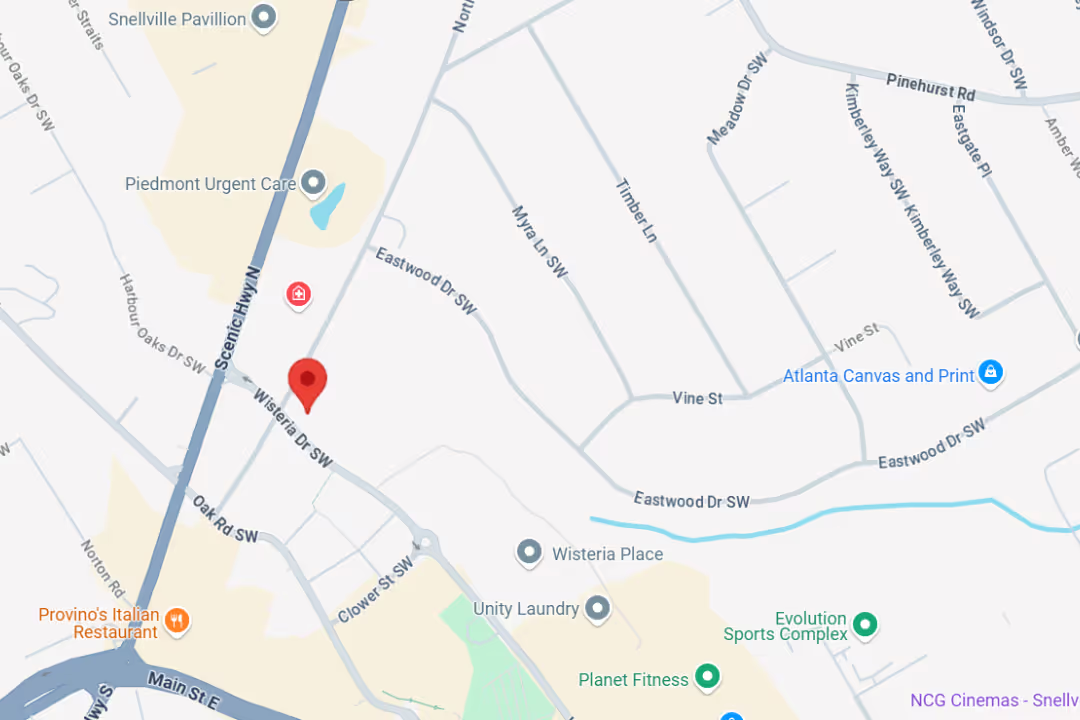
Snellville
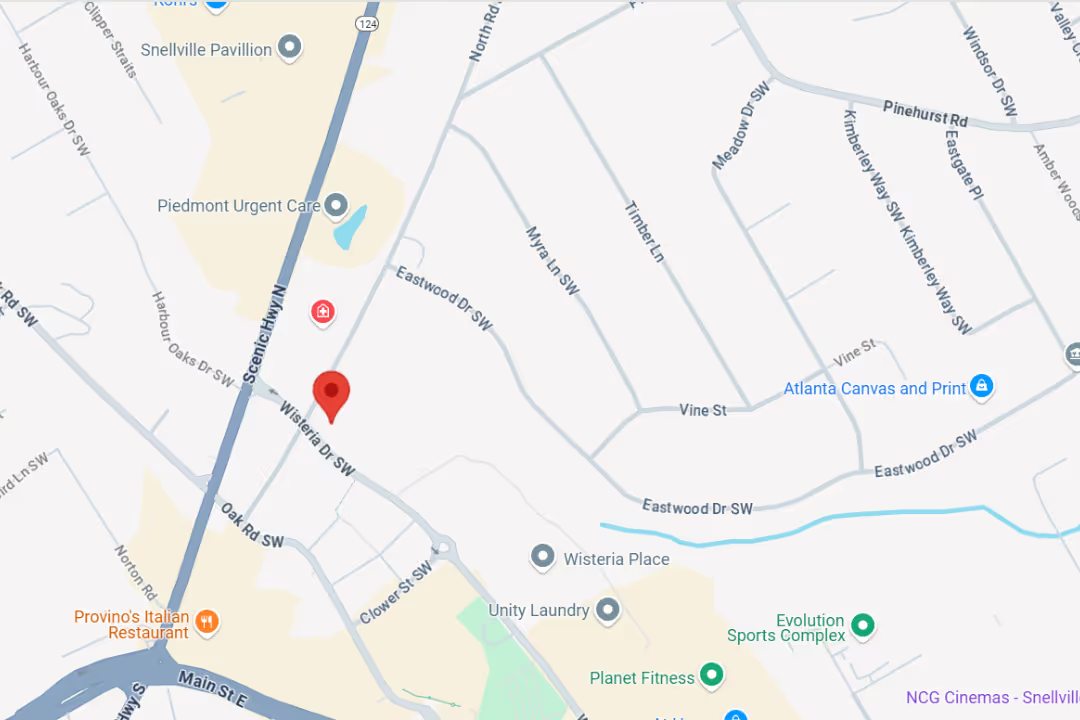
2220 Wisteria Dr, Unit 100
Snellville, GA 30078
📞 (470) 795-8398
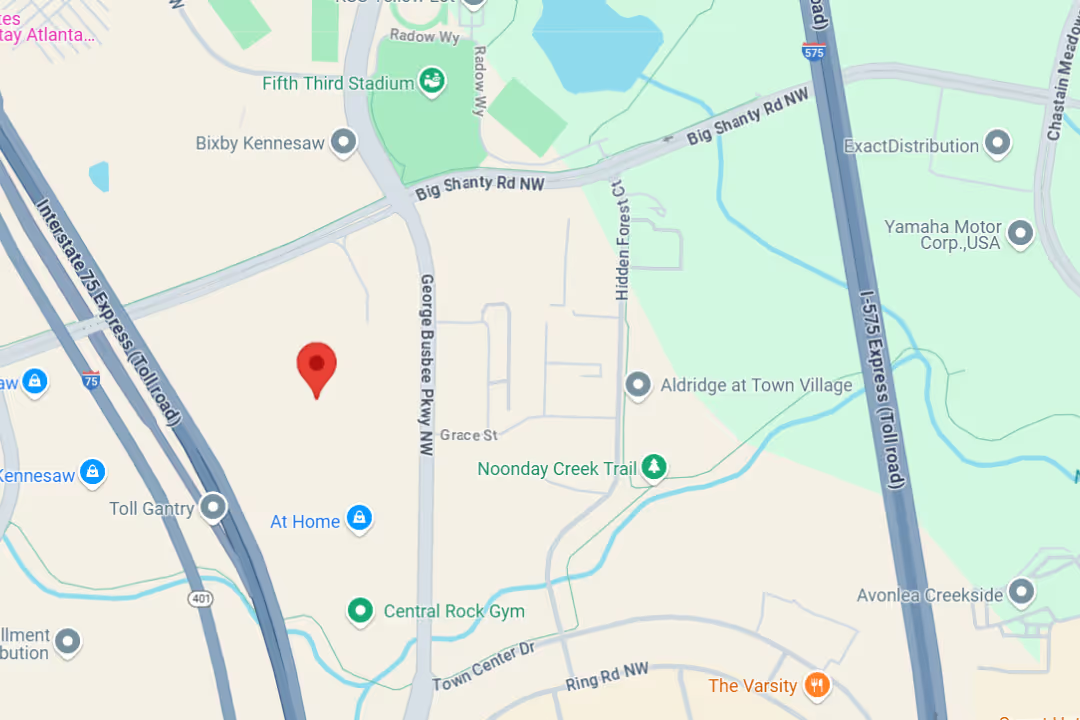
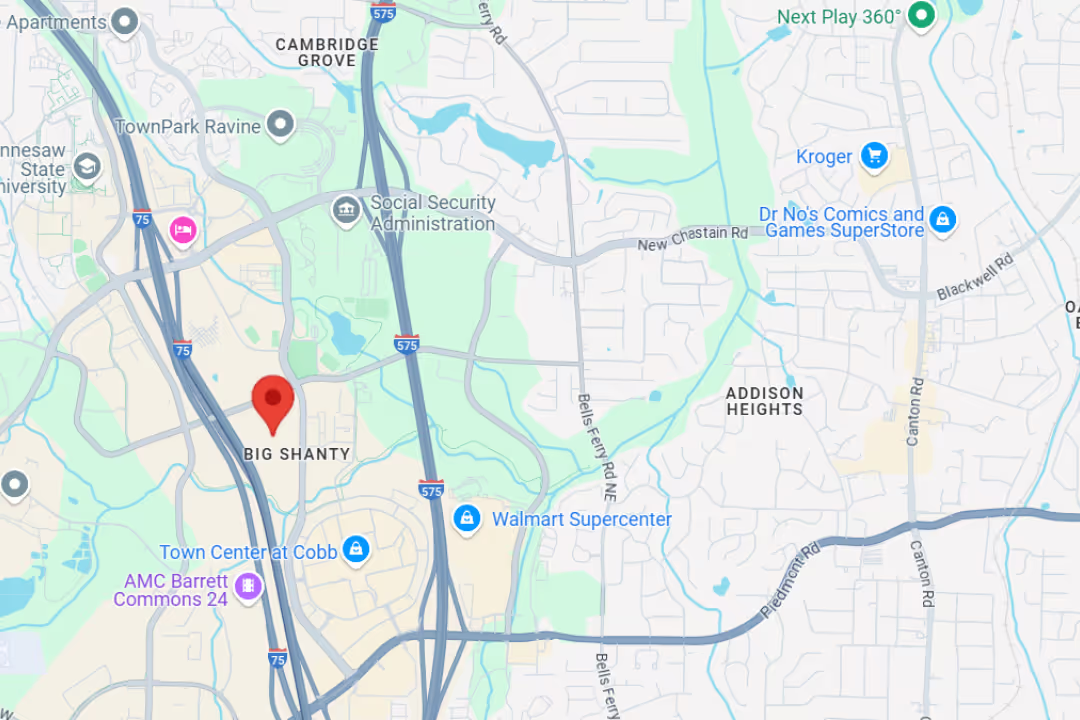
Kennesaw
2911 George Busbee Parkway, Suite 50
Kennesaw, GA 30144
📞 (770) 545-6404
Snellville
2220 Wisteria Drive, Unit 101
Snellville, GA 30078
📞 (470) 645-9297
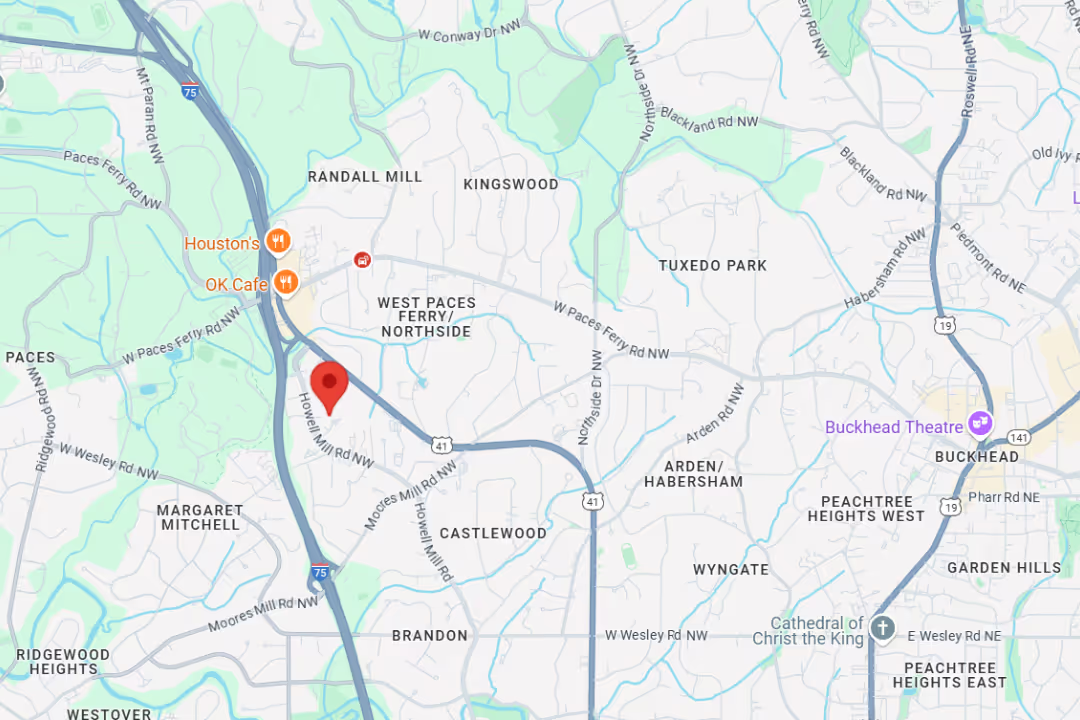
Buckhead PM&R
3200 Downwood Circle, NW, Suite 520
Atlanta, GA 30327
📞 (770) 872-7549
Explore our library of patient support guides covering the conditions we treat, the treatments we offer, and the questions we hear most. Each one is written to help you understand your options and feel confident about your next step. Browse the topics below to learn more, or reach out to our team anytime.

At Medici, you’re more than your MRI.
We take time to hear your story, understand your pain, and create a plan that actually works for you.

Our team delivers specialist care at convenient locations across Metro Atlanta:
Get expert tips on injury recovery, pain relief, joint health, and movement strategies—straight from our Fellowship-Trained team.