Back surgery is often recommended with the hope that it will relieve pressure, improve movement, and help a person return to a more normal life. But for some people, pain continues after surgery. For others, the pain improves for a while and then slowly comes back. When that happens, it can feel frustrating, confusing, and honestly pretty discouraging.
At Medici Orthopaedics & Spine, we want patients to know something important: ongoing pain after spine surgery does not mean you did anything wrong. It does not mean your pain is “in your head.” And it does not always mean another major surgery is the next best answer. Sometimes the spine and nerves need a different kind of care, especially when pain has become chronic.
Failed back surgery syndrome, sometimes called post-laminectomy syndrome or persistent spinal pain after surgery, can affect your back, buttocks, hips, legs, and feet. It may feel sharp, burning, aching, electric, or deep and exhausting. For some Atlanta-area patients, spinal cord stimulation may be a minimally invasive, non-opioid option when other treatments have not provided enough relief.
Spinal cord stimulation, often called SCS, is a treatment that uses a small implanted device to send gentle electrical impulses near the spinal cord. These impulses are intended to help reduce or alter pain signals before the brain fully processes them as pain.
Pain signals travel through nerves to the spinal cord and then to the brain. A spinal cord stimulator sends controlled electrical pulses to help interfere with those pain signals.
A typical spinal cord stimulation system includes:
After back surgery, some patients continue to have pain even when there is no simple structural problem to correct. The nerves may remain irritated. Scar tissue may be present. Pain pathways may become sensitized over time.
Spinal cord stimulation may help because it focuses on the way pain signals are carried through the nervous system. Instead of relying only on medication or another surgery, SCS gives the care team another way to address chronic pain communication between the body and the brain.
Many patients with failed back surgery syndrome have pain that travels down the leg. This may feel like sciatica, burning, shooting pain, numbness, tingling, or electric shocks.
Research has found that spinal cord stimulation can benefit selected patients with failed back surgery syndrome, especially when leg pain is a major symptom. One review of studies on spinal cord stimulation for failed back surgery syndrome found that most studies focused on radiating leg pain showed significant improvement with treatment.
One of the most patient-friendly parts of spinal cord stimulation is the trial. Before a permanent device is implanted, patients typically go through a temporary trial to see how their body responds.
During the trial, patients can pay attention to real-life changes, such as:
Many patients with chronic back and leg pain worry about depending on medication long term. That concern is understandable. While medication can be appropriate for some patients, Medici’s goal is to use the least drug-dependent plan medically available.
Spinal cord stimulation may help some patients reduce reliance on certain pain medications, but this should always be handled carefully and under medical supervision. The goal is not to make promises. The goal is to create a smarter, safer, more complete pain management plan.
One of the most reassuring parts of spinal cord stimulation is that patients usually get to try it before deciding on a permanent implant. The trial gives you and your care team a chance to see whether stimulation actually helps your pain during normal daily activity.
This is especially valuable for patients with failed back surgery syndrome because post-surgical pain can be complex. A trial helps answer practical questions:
During a spinal cord stimulator trial, temporary leads are placed near the spinal cord. These leads connect to an external device worn outside the body. The trial usually lasts several days, depending on the patient’s condition, the device, and the care plan.
During the trial period, patients are encouraged to pay close attention to how they feel during everyday activities, such as:
Many providers look for meaningful pain reduction during the trial, often around 50% improvement, but numbers are only part of the story. Function matters too.
A successful trial may mean:
If the spinal cord stimulator trial provides meaningful relief, the next step may be a permanent implant. This decision is made carefully. The Medici team reviews your trial results, your health history, your goals, and whether the therapy fits your long-term pain management plan.
During permanent implantation, leads are positioned near the spinal cord, and a small pulse generator is placed under the skin, often in the buttock or low back area. The exact placement depends on the patient’s anatomy, symptoms, and the device being used.
The implanted system typically includes:
Patients should expect some soreness around the incision sites after the implant procedure. The Medici team provides specific instructions about wound care, movement restrictions, and follow-up visits.
During the early healing period, patients may be told to limit certain movements, such as:
Spinal cord stimulation is not always “set it and forget it.” Programming can be adjusted over time based on how the patient feels. Some patients need several programming sessions to fine-tune the coverage and comfort of the therapy.
Follow-up care may include:
Failed back surgery syndrome is real, and it can affect every part of life. It can change how you walk, sleep, work, sit, drive, exercise, and spend time with the people you love. When pain continues after surgery, you deserve more than a quick answer. You deserve a careful evaluation and a team that takes your symptoms seriously.
For some Atlanta-area patients, spinal cord stimulation may offer a meaningful path forward. It is not right for everyone, and it is not a cure. But for the right patient, it may help reduce chronic pain signals, improve function, and support a less invasive, less drug-dependent approach to pain management.
If you are searching for spinal cord stimulation for failed back syndrome in Atlanta, Medici Orthopaedics & Spine is here to help you take the next step. Whether your pain started after a lumbar fusion, laminectomy, discectomy, decompression, or another spine procedure, our team can evaluate your symptoms and help you understand whether spinal cord stimulation or another minimally invasive treatment may be right for you.
To schedule an appointment, call +1-844-328-4624 or visit https://www.mediciortho.com/.
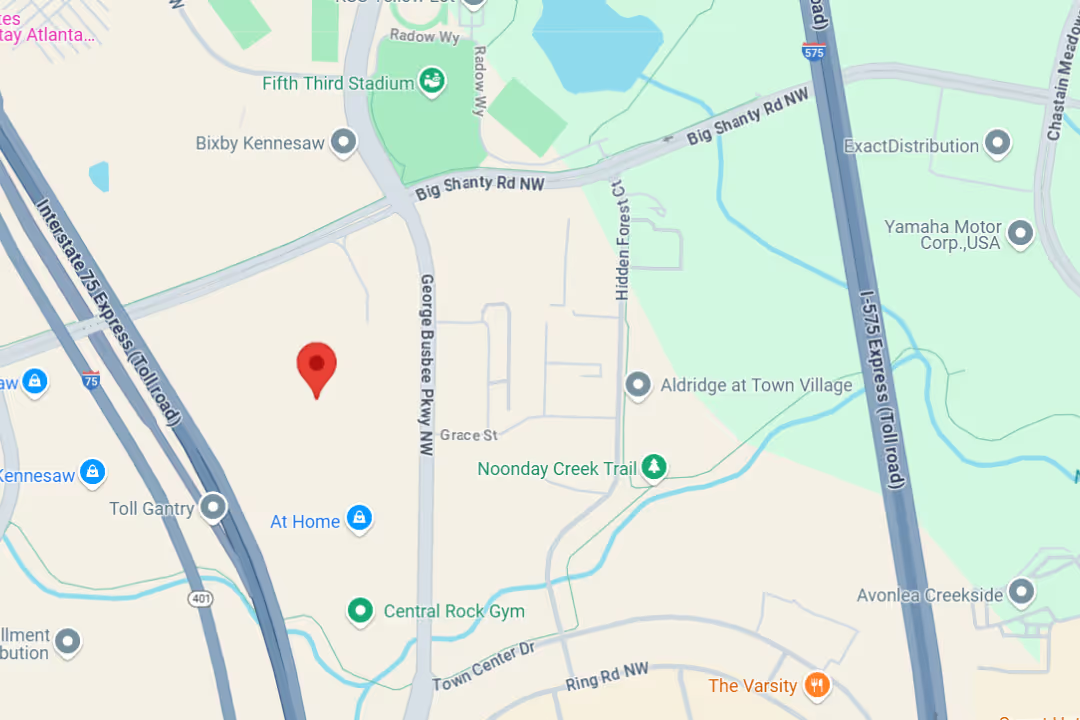
Kennesaw Clinic
2911 George Busbee Parkway, Suite 50
Kennesaw, GA 30144
Phone: (770) 545-6404
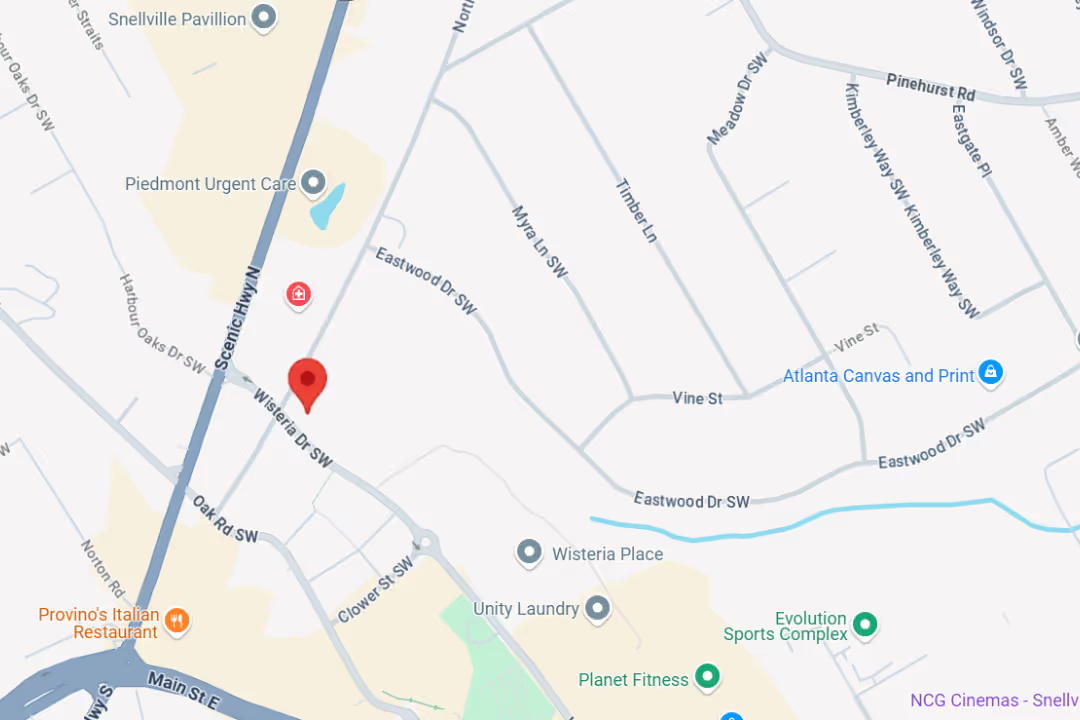
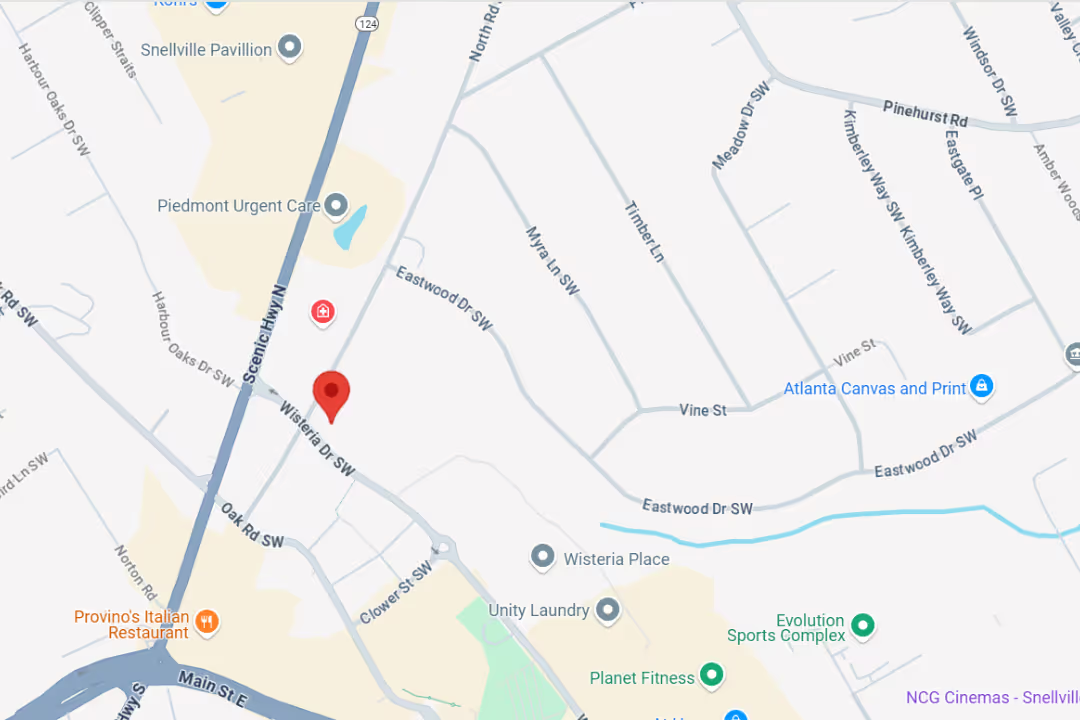
Snellville Clinic
2220 Wisteria Drive, Unit 101
Snellville, GA 30078
Phone: (470) 645-9297
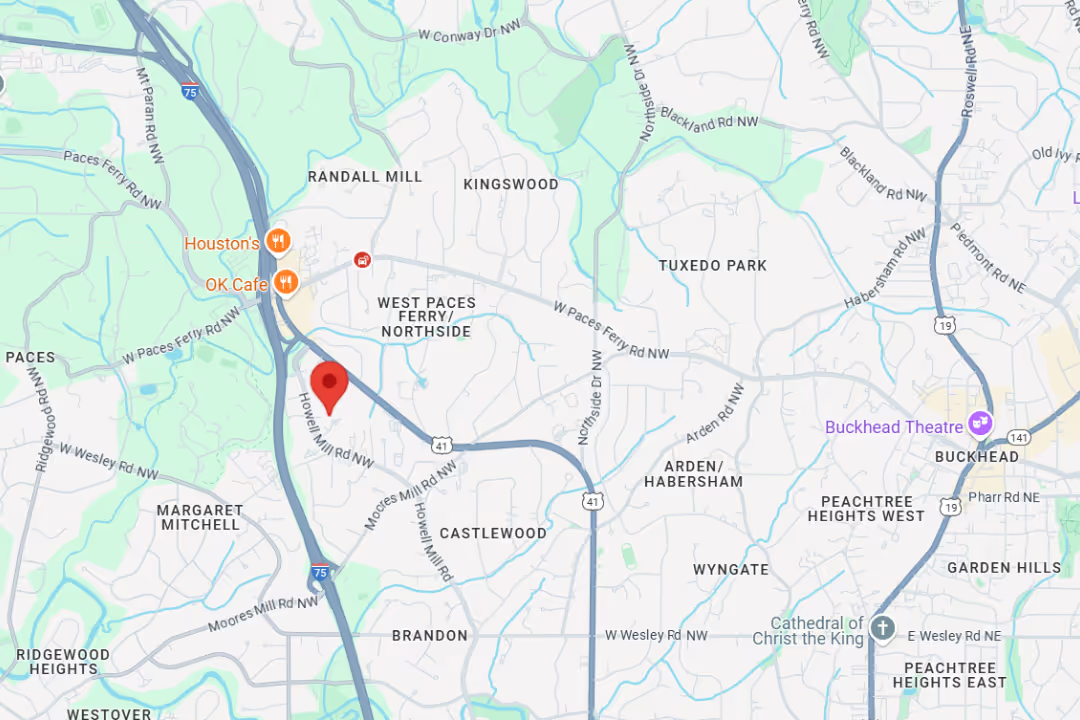
Buckhead PM&R Clinic
3200 Downwood Circle NW, Suite 520
Atlanta, GA 30327
Phone: (770) 872-7549
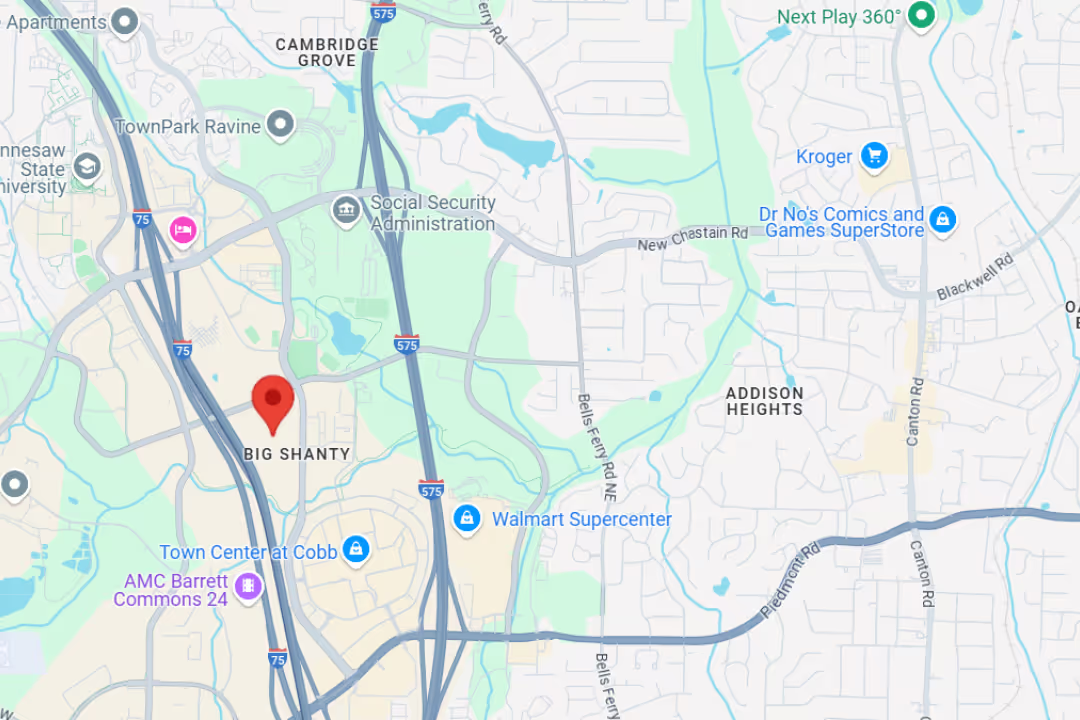
Marietta Surgery Center
792 Church Street, Unit 101
Marietta, GA 30060
Phone: (470) 795-8398
Snellville Surgery Center
2220 Wisteria Drive, Unit 100
Snellville, GA 30078
Phone: (470) 795-8398
At Medici, you’re more than your MRI.
We take time to hear your story, understand your pain, and create a plan that actually works for you.

Our team delivers specialist care at convenient locations across Metro Atlanta:
Get expert tips on injury recovery, pain relief, joint health, and movement strategies—straight from our Fellowship-Trained team.