Across Georgia, back pain affects people of every age—students, parents, laborers, office workers, and retirees alike. Whether it appears suddenly after an injury or builds slowly over time, back pain can disrupt nearly every part of daily life. It can make simple things—like getting out of bed, lifting a child, or driving to work—feel exhausting or impossible.
For many years, opioids were commonly prescribed for back pain, but growing awareness of dependence, addiction, and side effects has led patients and providers to seek safer, more sustainable options. Families across Georgia are actively looking for back pain relief that does not require long-term opioid use.
That’s where an opioid-free approach becomes essential. Patients deserve safe, effective alternatives that treat the cause of their pain, not just numb it.
At Medici Orthopaedics & Spine, our mission is to restore quality of life using the least invasive, least drug-dependent options medically available today. We focus on accurate diagnosis, targeted treatments, and whole-person care—so you can experience real relief without relying on addictive medications.
Non-Opioid Medication Management
At Medici Orthopaedics & Spine, medications are used thoughtfully and strategically—not as the centerpiece of care, and never as a long-term crutch. Our focus is to support healing and function while minimizing risk, especially the risks associated with opioids.
Safer Pharmacologic Options
Instead of turning to opioids, we rely on safer, targeted medications when they’re appropriate, such as:
- Nonsteroidal anti-inflammatory drugs (NSAIDs)
These can help reduce inflammation and pain from acute injuries, arthritis, or flare-ups of chronic back conditions. - Muscle relaxants for acute spasm
Short courses of muscle relaxants may be used when spasms lock up the back and limit movement, especially after strain or injury. - Nerve pain medications for radiculopathy or neuropathic components
When pain radiates into the leg or follows a nerve pathway, certain nerve-calming medications can reduce burning, shooting, or tingling sensations. - Topical and localized pain treatments
Creams, patches, and gels can deliver relief right where it’s needed, with minimal impact on the rest of the body.
Short-Term and Targeted Use Only
Even with safer medications, our philosophy remains the same:
- Using medications as a bridge, not a long-term solution
Medicine supports you while deeper, corrective treatments (like therapy, injections, or regenerative care) do the real work. - Avoiding dependence and unnecessary side effects
We choose the lowest effective dose for the shortest reasonable duration. - Regular review and adjustment of medications
Your medication plan is re-evaluated as you heal—our goal is to step down and, when possible, step off medications over time.
Interventional Spine Treatments Without Opioids
Interventional spine treatments allow us to treat the source of your back pain directly, often providing significant relief without the need for long-term medication.
Precision-Guided Injections
Using real-time imaging, our specialists place medication exactly where it’s needed:
- Epidural steroid injections for nerve-related back and leg pain
Help reduce inflammation around irritated nerves, especially with herniated discs or spinal stenosis. - Facet joint injections for arthritic or mechanical back pain
Target the small stabilizing joints in the spine that can become painful with arthritis or injury. - Medial branch blocks to diagnose and treat facet-related pain
By numbing the tiny nerves that supply the facet joints, we can confirm the source of pain and often provide short-term relief. - Sacroiliac joint injections for low back and pelvic pain
Address pain originating where the spine meets the pelvis, a common but often overlooked pain generator.
Radiofrequency Ablation (RFA)
Radiofrequency ablation takes pain relief a step further:
- How RFA works to disrupt pain signals from small nerves
Controlled heat is applied to carefully selected nerves, interrupting their ability to send pain signals to the brain. - Ideal candidates for RFA
Often patients with confirmed facet or SI joint pain who’ve responded well to diagnostic blocks but need longer-lasting relief. - Duration of pain relief and potential benefits
Many patients experience relief for 6–18 months, sometimes longer, allowing them to stay active, participate in therapy, and live more comfortably—without opioids.
Spinal Cord Stimulation (SCS)
For patients with chronic, hard-to-treat pain, spinal cord stimulation offers an advanced, opioid-free option.
- Neuromodulation as an opioid-free option for chronic back and leg pain
A small device delivers gentle electrical signals to the spinal cord, modifying pain signals before they reach the brain. - Trial phase vs permanent implantation
Patients first complete a temporary trial to see how much relief they experience. If successful, a permanent system can be implanted using minimally invasive techniques. - How SCS can reduce the need for long-term medications
Many patients are able to reduce or completely eliminate their need for daily pain medications after successful spinal cord stimulation.
Regenerative and Restorative Therapies
Regenerative medicine focuses on helping the body repair and strengthen damaged tissues, offering another powerful path to back pain relief without opioids.
Platelet-Rich Plasma (PRP) for Back Pain
PRP therapy uses your own blood to promote healing:
- How PRP uses your own blood components to support healing
A small sample of your blood is processed to concentrate platelets and growth factors, then carefully injected into targeted areas. - Potential benefits for facet joints, ligaments, and soft tissues
PRP may support healing of strained ligaments, irritated facet joints, and surrounding soft tissues that contribute to back pain. - Where PRP fits in a non-opioid plan
PRP is often used alongside physical therapy and other interventional treatments as part of a comprehensive, opioid-free strategy.
Biologic and Cell-Based Therapies
In selected cases, biologic and cell-based therapies may be considered to:
- Support disc and joint health in degenerative conditions
Helping maintain or improve tissue quality in areas affected by wear and tear. - Reduce inflammation and promote tissue repair
Potentially improving pain and function without the need for long-term medication.
Physical Therapy and Rehabilitation for Back Pain Relief
Physical therapy and structured rehabilitation are core pillars of opioid-free back pain relief. Instead of masking pain, these approaches rebuild strength, stability, and movement patterns so your spine can actually function better over time.
Customized Physical Therapy Programs
Every spine—and every lifestyle—is different, so rehabilitation should never be one-size-fits-all. Customized programs typically include:
- Core strengthening and stability training
Strengthening the deep core and spinal support muscles helps offload stress from discs and joints, improving posture and reducing pain. - Improving flexibility and spinal mobility
Gentle stretching and mobilization exercises restore motion in stiff areas, especially the low back, hips, and hamstrings, which often tighten in response to pain. - Correcting muscle imbalances and posture
Targeted exercises and postural retraining address weak or overactive muscle groups that can pull the spine out of alignment and perpetuate discomfort.
Manual Therapy and Myofascial Release
In addition to exercise, hands-on care can make a significant difference for back pain:
- Addressing tight, knotted muscles contributing to pain
Techniques like myofascial release and soft-tissue mobilization help loosen tight bands and trigger points that limit motion and refer pain. - Restoring healthy movement in the spine and hips
Gentle joint mobilization and manual stretching improve how the spine, pelvis, and hips move together, reducing strain on irritated structures.
Functional Movement and Ergonomics
How you move throughout the day can either support recovery—or sabotage it. Rehab often includes:
- Teaching safe lifting, bending, and sitting mechanics
Learning how to hinge at the hips, brace the core, and avoid awkward twisting protects the back during daily activities. - Workplace and home ergonomic recommendations
Adjusting chair height, desk setup, screen position, and sleeping surfaces can dramatically decrease recurring strain. - Activity modification without total rest
Instead of “stop everything,” the focus is on smarter movement—staying active within safe limits to maintain strength, circulation, and joint health.
Home Exercise and Long-Term Maintenance
Long-term success depends on what happens outside the clinic. Patients are equipped with:
- Simple, sustainable routines they can do at home
Short, targeted programs for core strength, stretching, and mobility that fit into real life. - Strategies for building resilience to prevent future episodes of back pain
Consistent practice helps reinforce good mechanics, protect the spine, and reduce flare-ups, supporting a truly opioid-free future.
A Safer Path to Back Pain Relief in Georgia
Living with back pain can make every day feel like a struggle, but meaningful relief is possible—and it doesn’t have to involve opioids. With the right evaluation and a thoughtful, evidence-based plan, pain can be reduced, function can be restored, and your life can open back up again.
At Medici Orthopaedics & Spine, the focus is always on treating the root cause, not just masking symptoms. By combining interventional treatments, physical therapy, regenerative medicine, and lifestyle strategies, we work to create real, lasting change in how your spine feels and functions.
Get Back Pain Relief Without Opioids in GA
If you’re searching for back pain relief without opioids in Georgia, the team at Medici Orthopaedics & Spine is here to help. We specialize in minimally invasive, non-addictive, and highly personalized treatment plans designed to restore your mobility, confidence, and quality of life.
Schedule your consultation today:
🌐 Website: https://www.mediciortho.com/
📞 Main Contact: +1-844-328-4624
Clinics
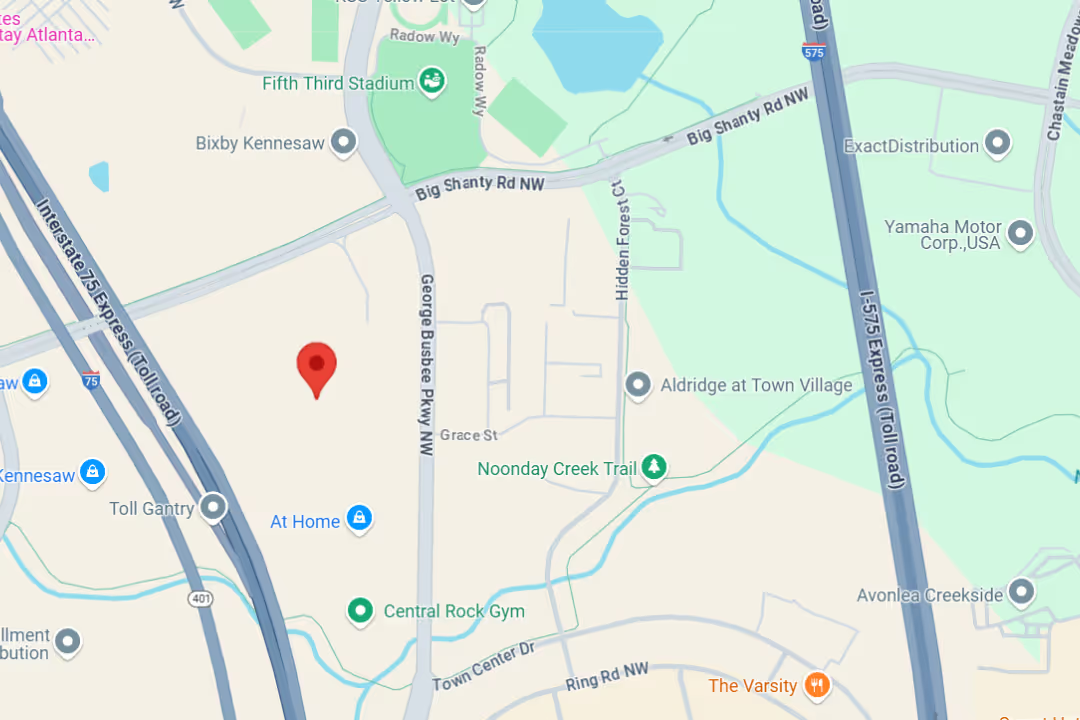
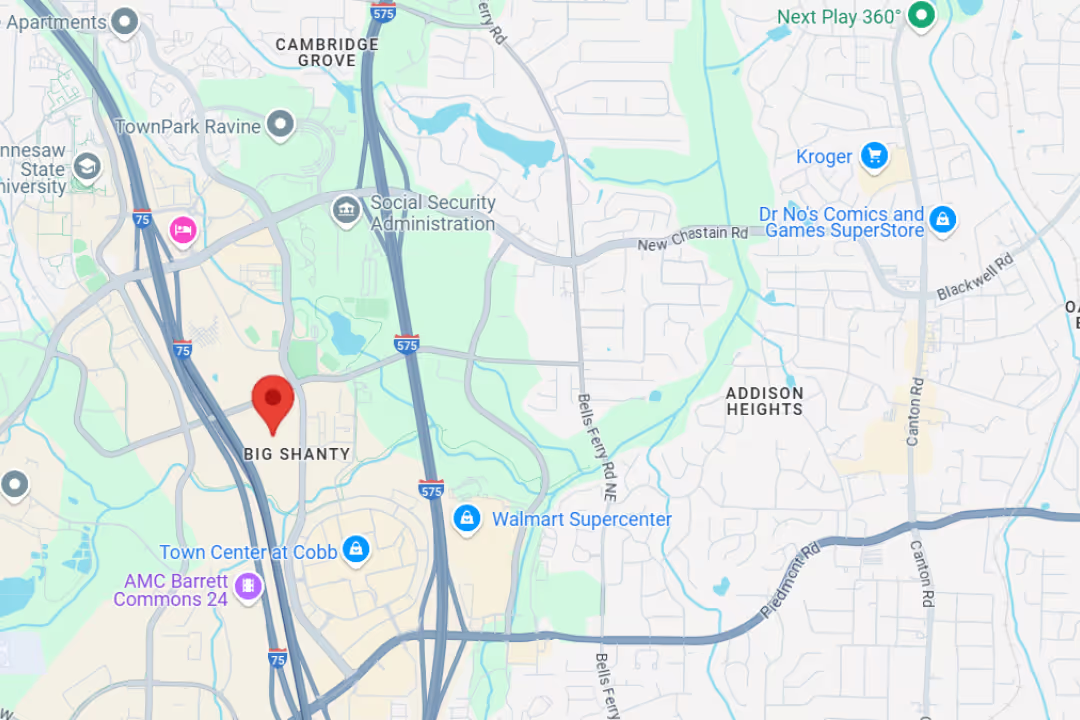
Kennesaw
2911 George Busbee Pkwy, Suite 50
Kennesaw, GA 30144
(770) 545-6404
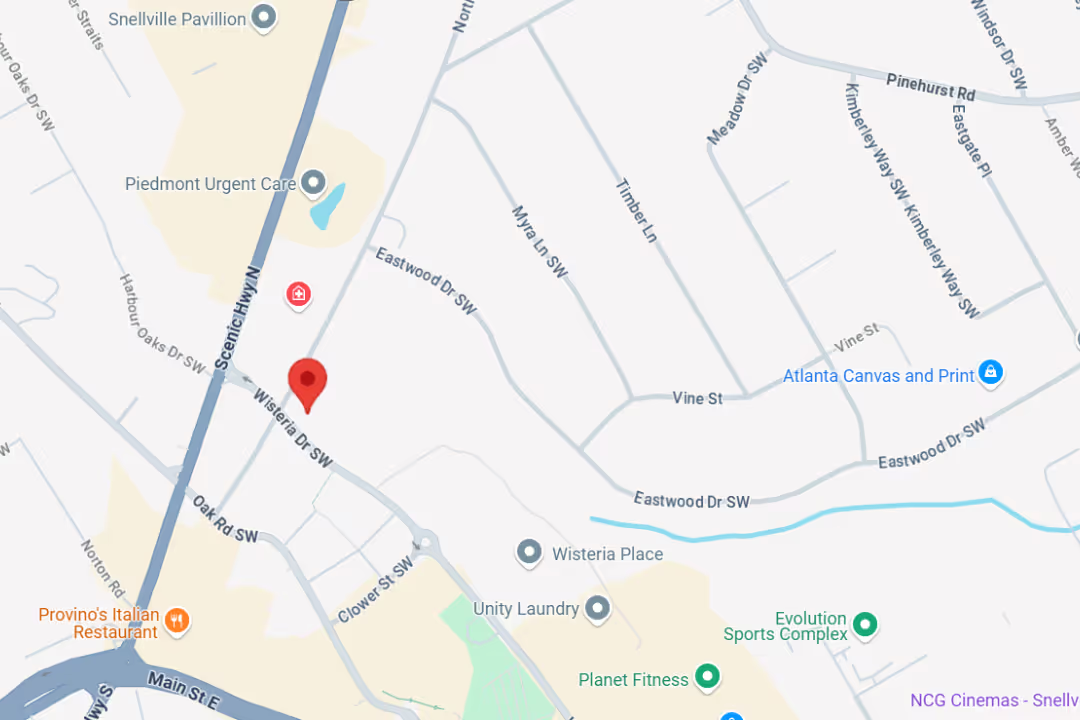
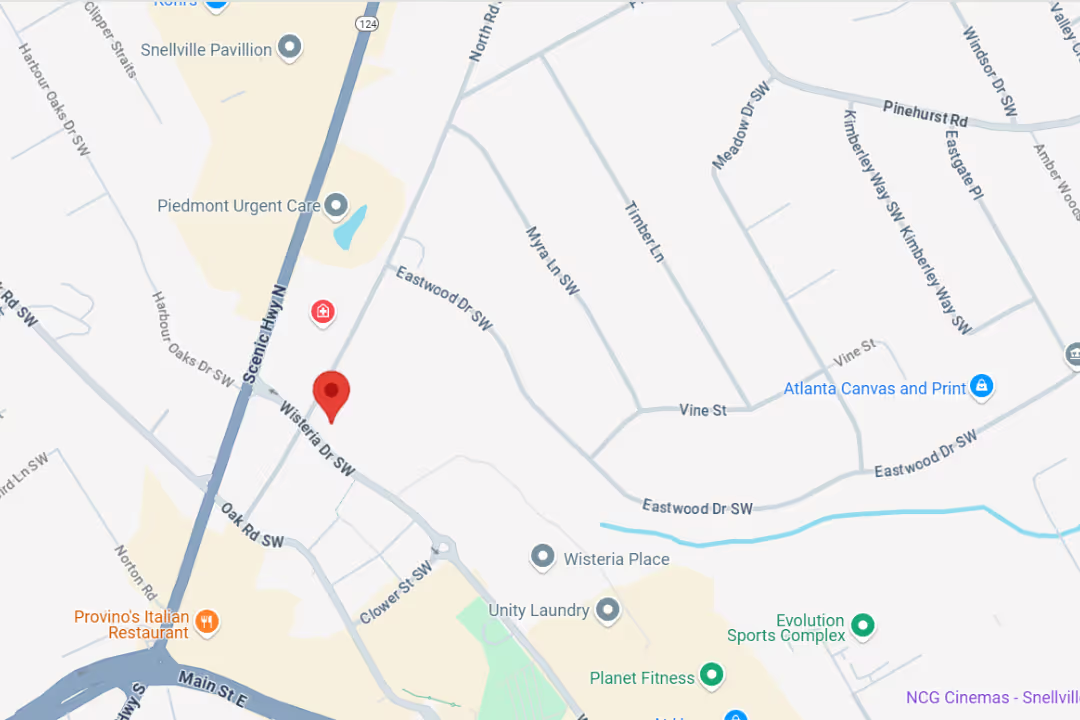
Snellville
2220 Wisteria Dr, Unit 101
Snellville, GA 30078
(470) 645-9297
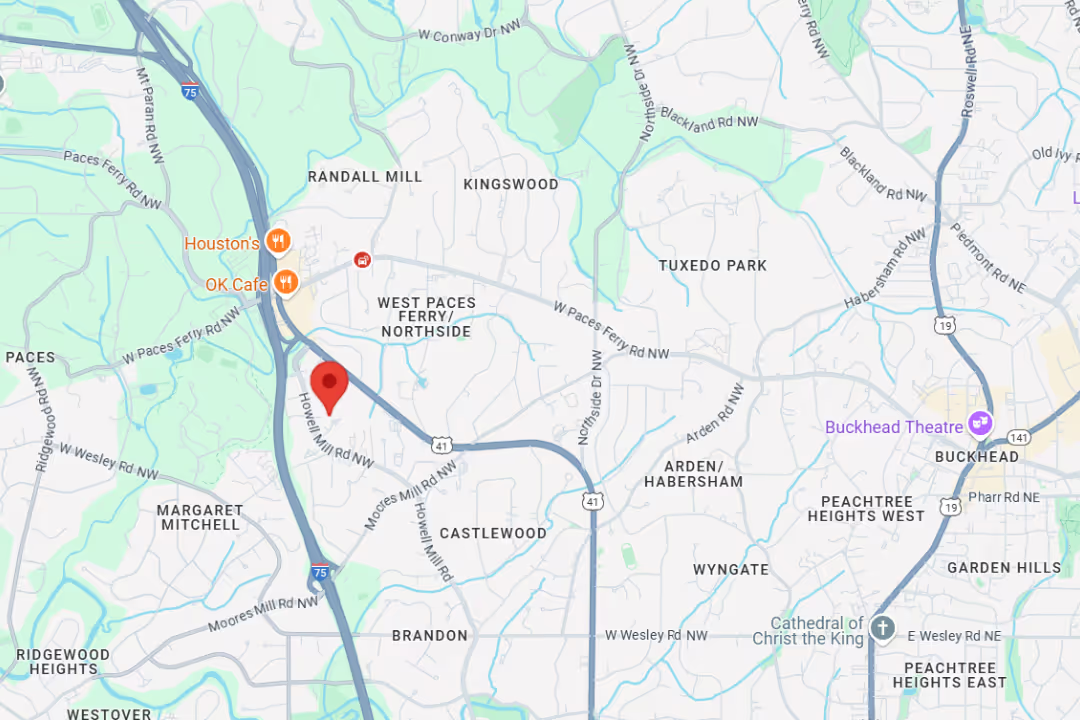
Buckhead PM&R
3200 Downwood Circle NW, Suite 520
Atlanta, GA 30327
(770) 872-7549