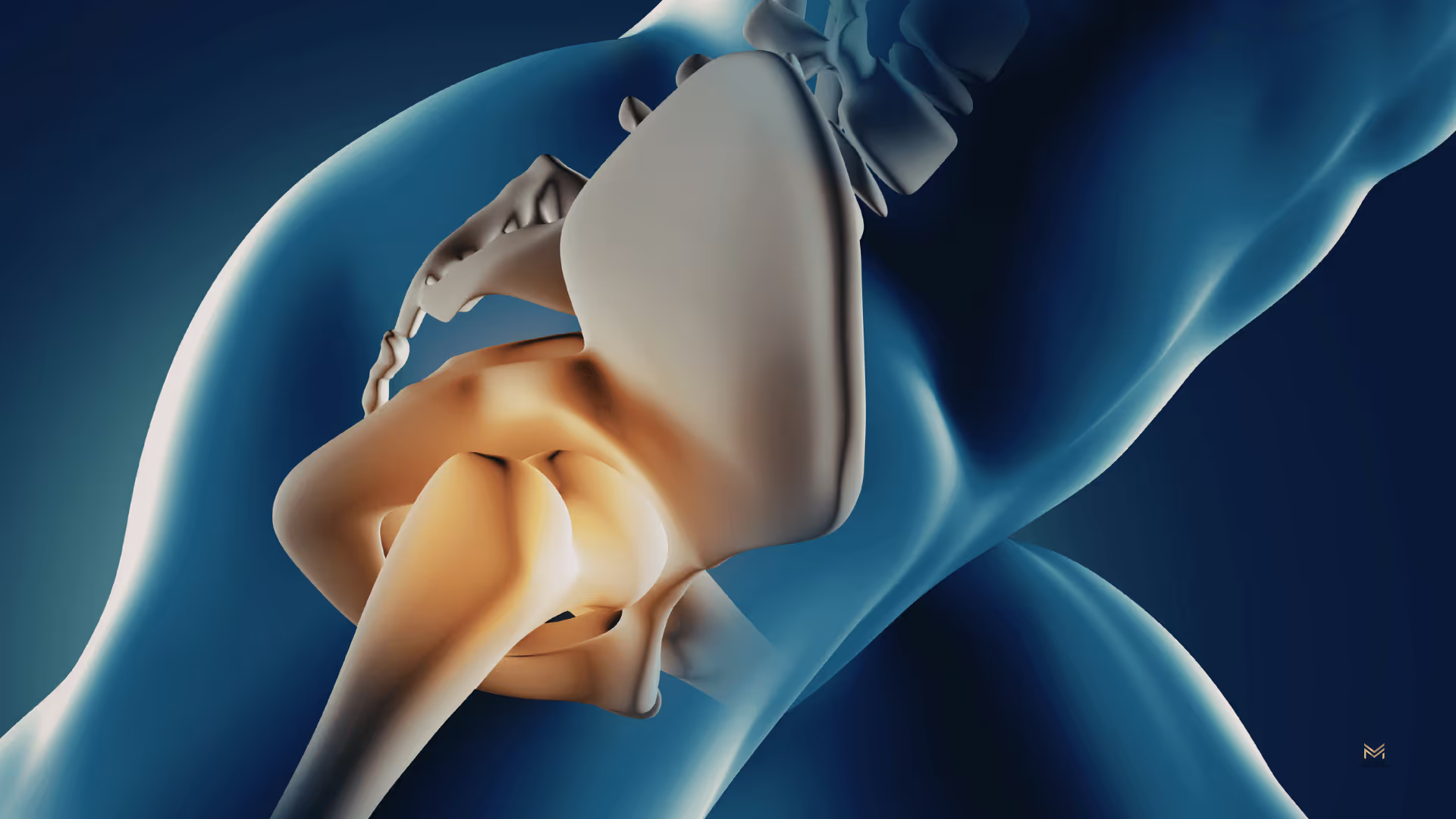
Joint pain has a way of quietly taking over life. It can make everyday movements—getting out of bed, climbing stairs, getting in and out of the car—feel heavier than they should. When discomfort begins affecting mobility, sleep, work performance, or even your emotional well-being, the weight of it becomes impossible to ignore. Many of the patients we see at Medici Orthopaedics & Spine tell us they simply want to move without hesitating, adapt without fear, and reclaim the rhythm of their lives.
Regenerative medicine has emerged as one of the most advanced, minimally invasive ways to help patients do exactly that. Instead of masking symptoms, regenerative therapies work with your body’s natural healing processes to support tissue repair, strengthen weakened structures, and reduce inflammation—all in an effort to restore comfortable, confident movement.
Joint pain can stem from a wide spectrum of conditions, but several causes appear over and over again in patients seeking relief:
Each cause can affect people differently, but the common thread is this: once the joint becomes irritated or unstable, the surrounding tissues work overtime to compensate—leading to a cycle of inflammation and stiffness that rarely improves on its own.
Joint pain can occur anywhere, but certain areas tend to bear the greatest stress and therefore break down more easily:
These joints play critical roles in balance, mobility, lifting, gripping, and sports performance. When pain develops in even one of them, the entire body must adjust—often creating new discomfort elsewhere. That’s why comprehensive evaluation and early treatment are key.
Regenerative medicine is a modern, scientifically grounded branch of orthopedics that focuses on restoring and repairing damaged tissues rather than simply easing symptoms. It uses biologic treatments—such as platelet-rich plasma (PRP) or prolotherapy—to stimulate the body’s natural healing mechanisms. These therapies encourage better blood flow, collagen production, and cellular repair in areas that may be slow to heal on their own.
Many patients choose regenerative medicine because it aligns with a minimally invasive, whole-body approach to healing. Key benefits include:
PRP therapy uses the healing potential already present in your own blood. During treatment, a small blood sample is drawn and processed to concentrate the platelets—cells rich in growth factors that stimulate tissue repair. Once prepared, the PRP solution is injected directly into the injured or painful joint.
Patients often experience a gradual improvement as inflammation decreases and the body begins rebuilding and strengthening the targeted tissues. PRP is especially helpful for chronic tendon injuries, mild to moderate osteoarthritis, and soft-tissue degeneration that has been slow to heal.
Prolotherapy is a regenerative injection technique that uses a dextrose (sugar) solution to activate the body’s healing response. When injected into weakened ligaments or tendons, the solution acts as a mild irritant—signaling the body to increase blood flow, produce collagen, and reinforce the surrounding structures.
This approach is often ideal for patients with ligament laxity (looseness), chronic tendon pain, or joint instability that hasn’t improved with physical therapy alone. By strengthening the supportive tissues, prolotherapy can help restore stability and reduce recurring joint discomfort.
Regenerative therapies support healing through several biological processes:
Patients often choose regenerative medicine because of its natural, minimally invasive approach. Key advantages include:
Regenerative medicine works best for patients whose joints still have repairable tissue and functional capacity. The following candidates often experience the greatest benefit:
While regenerative medicine is a powerful tool, it isn’t appropriate for every patient. In certain cases, alternative treatments—or even surgical care—may be more effective:
Before beginning regenerative therapy, Medici conducts a thorough assessment to understand the full picture of your joint condition:
Once regenerative medicine is recommended, the treatment typically follows these steps:
Regenerative medicine is a natural healing process, and improvement unfolds gradually and steadily:
Regenerative medicine is reshaping the way we approach joint pain—offering many patients a minimally invasive, natural path toward relief. By supporting the body’s own healing abilities, these therapies have the potential to restore mobility, reduce inflammation, and strengthen the tissues that keep your joints functioning at their best.
But no two patients are alike. The most important step is a personalized evaluation to determine whether regenerative medicine is the right option for your specific condition, lifestyle, and long-term goals. At Medici Orthopaedics & Spine, we take the time to understand your pain, your health history, and what you hope to get back to—so we can guide you toward the safest and most effective treatment plan.
If joint pain is holding you back, you don’t have to navigate it alone. Medici is here to help you move forward—safely, naturally, and confidently.
Marietta
792 Church Street, Unit 101
Marietta, GA 30060
(470) 795-8398
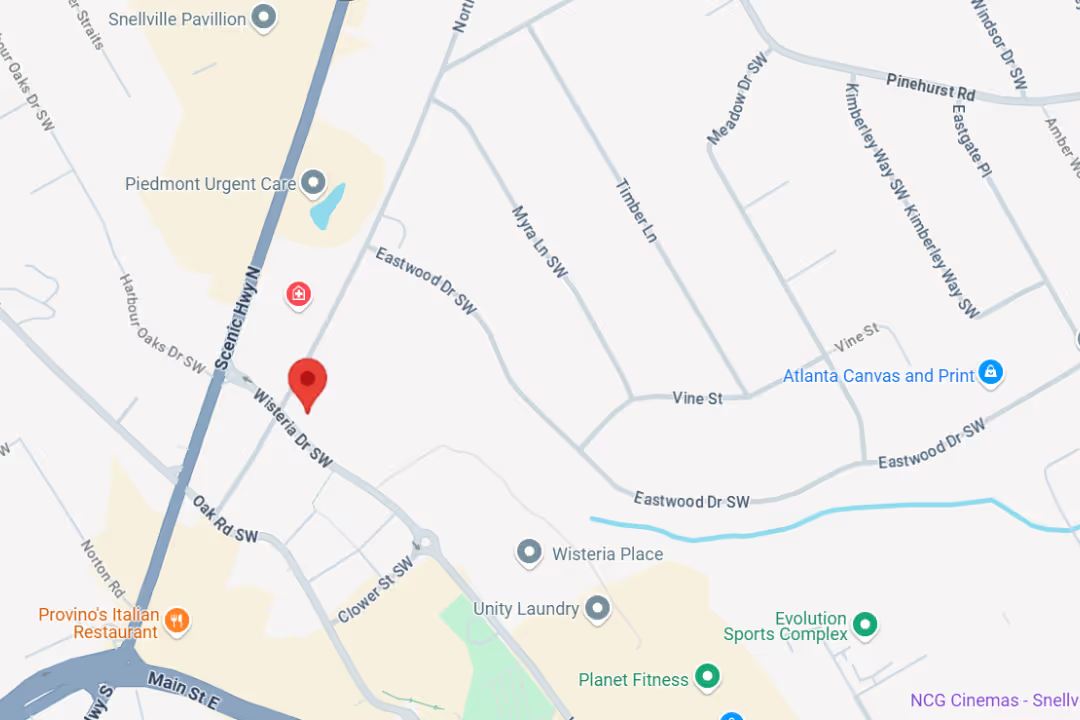
Snellville
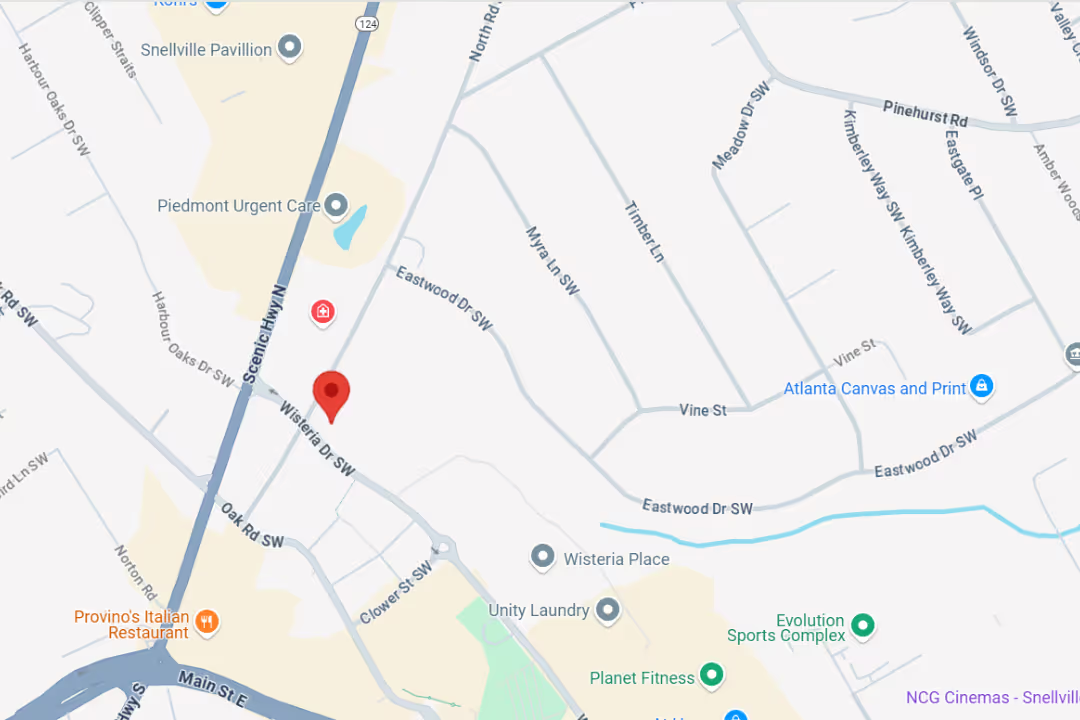
2220 Wisteria Dr, Unit 100
Snellville, GA 30078
(470) 795-8398
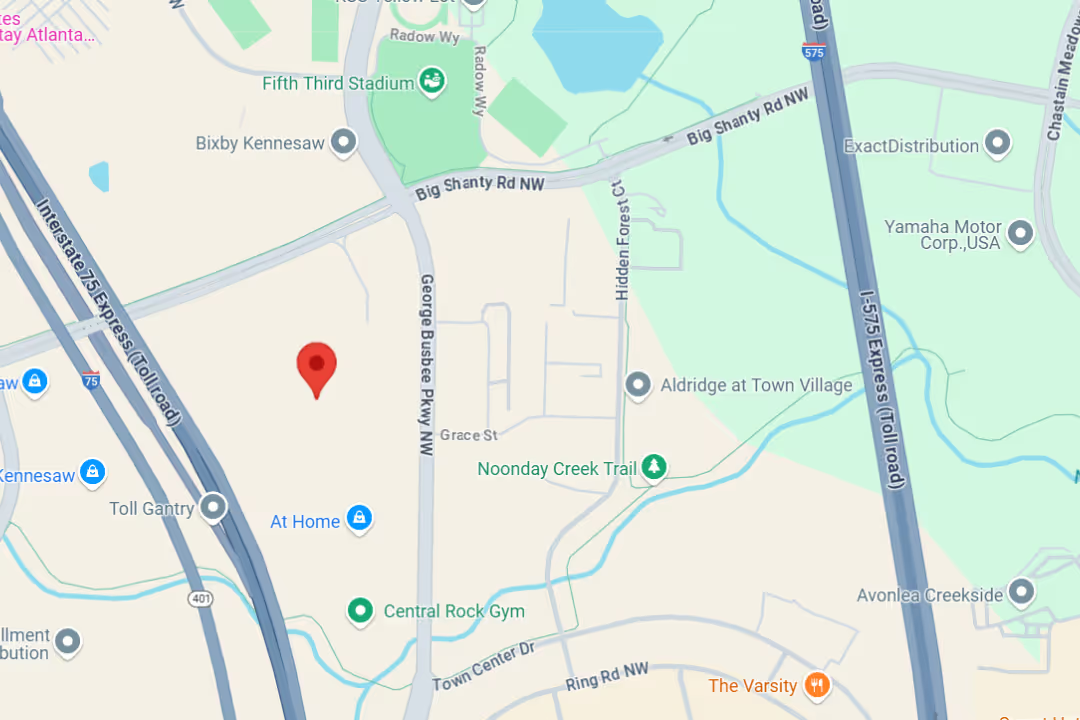
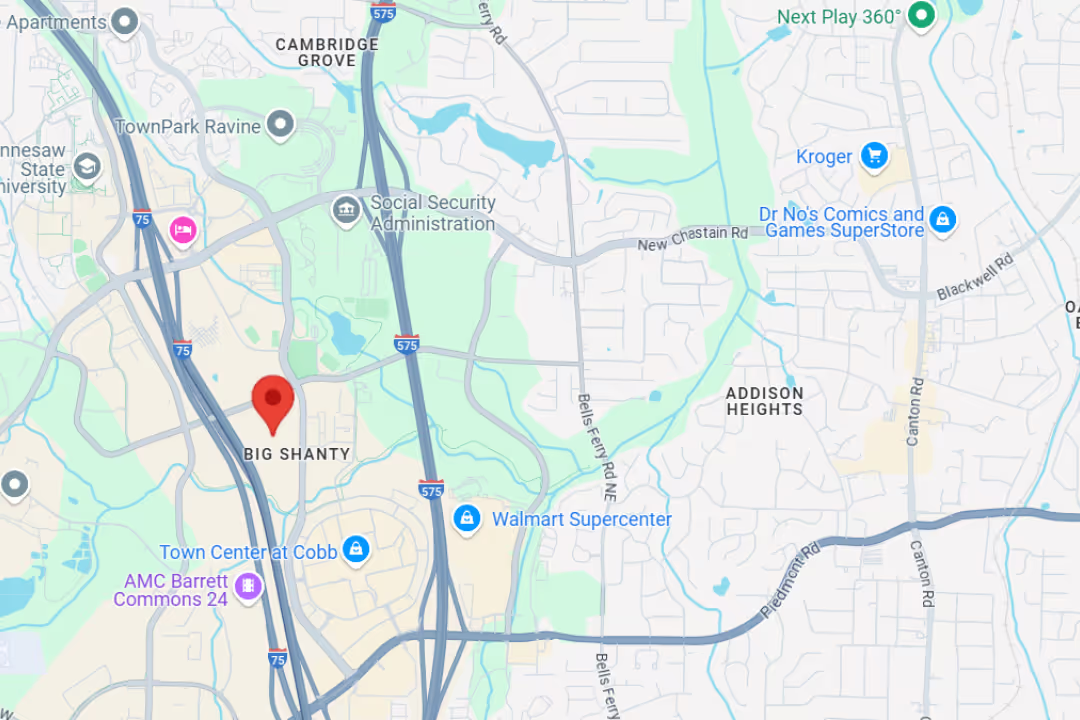
Kennesaw
2911 George Busbee Pkwy, Suite 50
Kennesaw, GA 30144
(770) 545-6404
Snellville
2220 Wisteria Dr, Unit 101
Snellville, GA 30078
(470) 645-9297
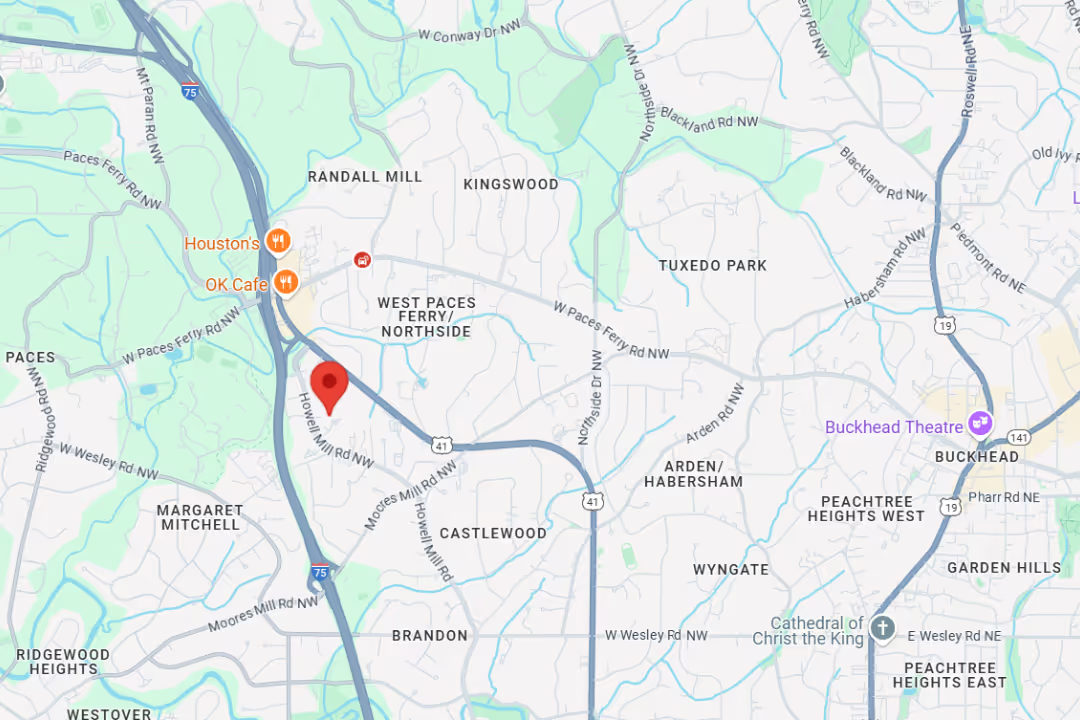
Buckhead PM&R
3200 Downwood Circle NW, Suite 520
Atlanta, GA 30327
(770) 872-7549
📞 Main Contact: +1-844-328-4624
🌐 Website: https://www.mediciortho.com
At Medici, you’re more than your MRI.
We take time to hear your story, understand your pain, and create a plan that actually works for you.

Our team delivers specialist care at convenient locations across Metro Atlanta:
Get expert tips on injury recovery, pain relief, joint health, and movement strategies—straight from our Fellowship-Trained team.