For many patients, back surgery is pursued with the hope of finally finding relief from chronic pain. But when that relief doesn’t come—or when pain returns weeks or months later—it can feel frustrating, confusing, and discouraging. Failed back surgery syndrome (FBSS) is more common than many realize, and it often leaves patients wondering what went wrong and what options remain.
The persistence or recurrence of pain after spinal procedures can stem from a variety of factors. Some patients experience ongoing nerve pain, while others may develop new symptoms that interfere with daily life. What makes this situation especially challenging is that the expectation of relief has already been unmet, making the path forward feel uncertain.
Beyond the physical discomfort, there is also a significant emotional toll. Chronic pain after surgery can impact sleep, mobility, work, and overall quality of life. It can lead to frustration, anxiety, and even a loss of confidence in treatment options.
This is where specialized, targeted care becomes essential. Treating FBSS requires a deeper understanding of the underlying causes of pain and a more personalized, comprehensive approach—one that focuses on restoring function and improving quality of life without unnecessary additional surgery.
Failed back surgery syndrome (FBSS) is a term used to describe persistent or recurring pain following one or more spinal surgeries. Despite the name, it does not necessarily mean that the surgery itself was performed incorrectly—it simply indicates that the desired outcome, typically pain relief, was not achieved.
FBSS is not a single condition but rather a collection of symptoms that can vary from patient to patient. These symptoms may involve the same pain experienced before surgery or entirely new types of discomfort that develop afterward.
There are several potential reasons why pain may continue after back surgery. Identifying the specific cause is a critical step in determining the most effective treatment plan.
Common causes include:
Each of these factors requires a different treatment approach, highlighting the importance of thorough evaluation.
Symptoms of failed back surgery syndrome can vary widely, depending on the underlying cause and the individual patient.
Common symptoms include:
Understanding these symptoms—and how they relate to the underlying condition—is the first step toward developing a more effective, targeted treatment plan.
At Medici Orthopaedics & Spine, patients with failed back surgery syndrome are approached with fresh perspective and advanced expertise—focusing on identifying the true cause of pain and creating a path forward that prioritizes lasting relief and restored function.
Medication can still play a role—but it must be carefully managed to avoid unnecessary complications.
A specialist-guided approach includes:
The goal is to use medication as a tool—not the sole solution.
Rehabilitation is a cornerstone of recovery for patients with persistent back pain after surgery.
A targeted program focuses on:
This approach addresses the underlying mechanics contributing to pain.
Long-term relief often requires addressing the broader factors that influence pain.
These strategies may include:
At Medici Orthopaedics & Spine, these non-surgical options are integrated into a comprehensive care plan—helping patients move beyond persistent pain and toward meaningful, lasting improvement.
Epidural steroid injections are commonly used to reduce inflammation around irritated spinal nerves.
Key benefits include:
While not a permanent solution, these injections can play an important role in a broader treatment plan.
Nerve blocks involve injecting medication near specific nerves to interrupt pain signals.
They are valuable for:
This dual purpose makes nerve blocks an important tool in both diagnosis and treatment.
Radiofrequency ablation is a more advanced technique used to provide longer-lasting pain relief.
This procedure works by:
RFA is especially beneficial for patients who have responded well to diagnostic nerve blocks.
Spinal cord stimulation is an innovative treatment that uses a small implanted device to modify how pain signals are transmitted to the brain.
Key features include:
Many patients experience significant reductions in pain and improved quality of life with this therapy.
Pain pumps deliver medication directly to the spinal fluid, allowing for precise and efficient pain control.
Advantages include:
This approach is especially useful for patients who have not responded well to oral medications.
Regenerative medicine focuses on promoting the body’s natural healing processes rather than simply masking pain.
These therapies aim to:
At Medici Orthopaedics & Spine, these advanced and interventional treatments are carefully selected based on each patient’s unique condition—creating a personalized plan that prioritizes lasting relief, improved function, and a return to a higher quality of life.
Persistent pain after back surgery can feel discouraging, but it does not mean there are no options. Many patients find themselves stuck in a cycle of discomfort, unsure of what to try next—but the reality is that new, more targeted solutions are available.
A deeper understanding of the true cause of pain is often the turning point. Whether the issue involves nerve sensitivity, scar tissue, or an unaddressed structural problem, identifying the source allows for more precise and effective treatment.
If you’re still experiencing pain after back surgery, you’re not alone—and you’re not out of options.
At Medici Orthopaedics & Spine, we specialize in treating complex spine conditions, including failed back surgery syndrome. Our team is dedicated to uncovering the true source of your pain and creating a personalized plan that focuses on lasting relief using the most effective, least invasive treatments available.
Schedule your consultation today:
🌐 Website: https://www.mediciortho.com/
📞 Phone: +1-844-328-4624
Visit one of our convenient locations:
Marietta Ambulatory Surgery Center
792 Church Street, Unit 101
Marietta, GA 30060
(470) 795-8398
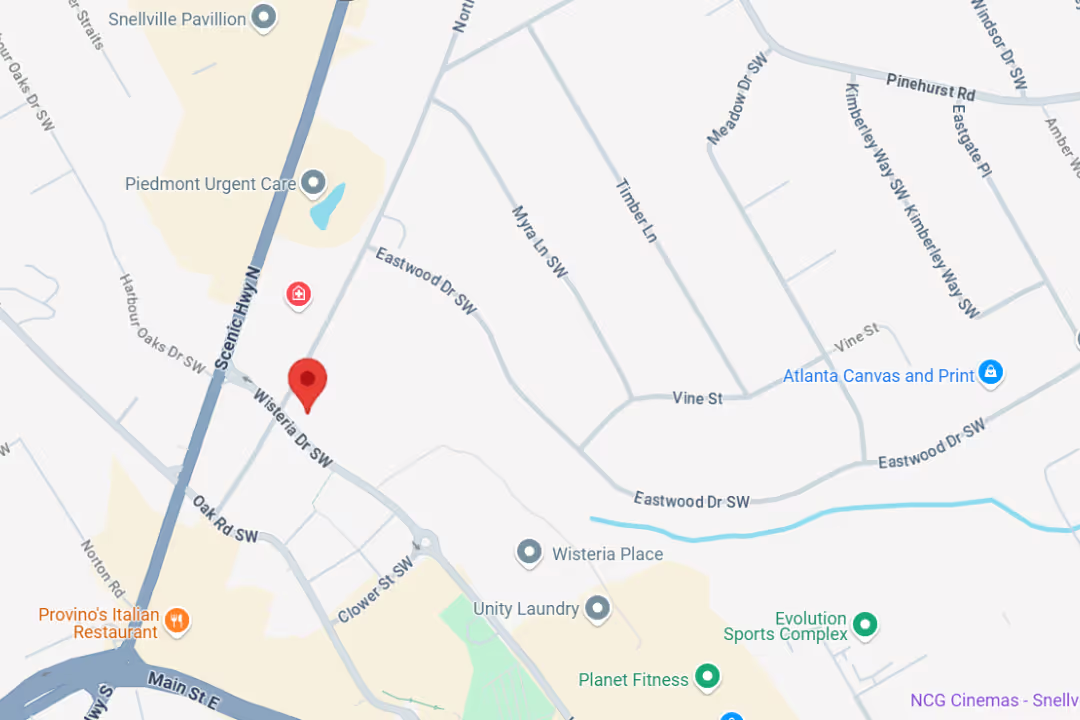
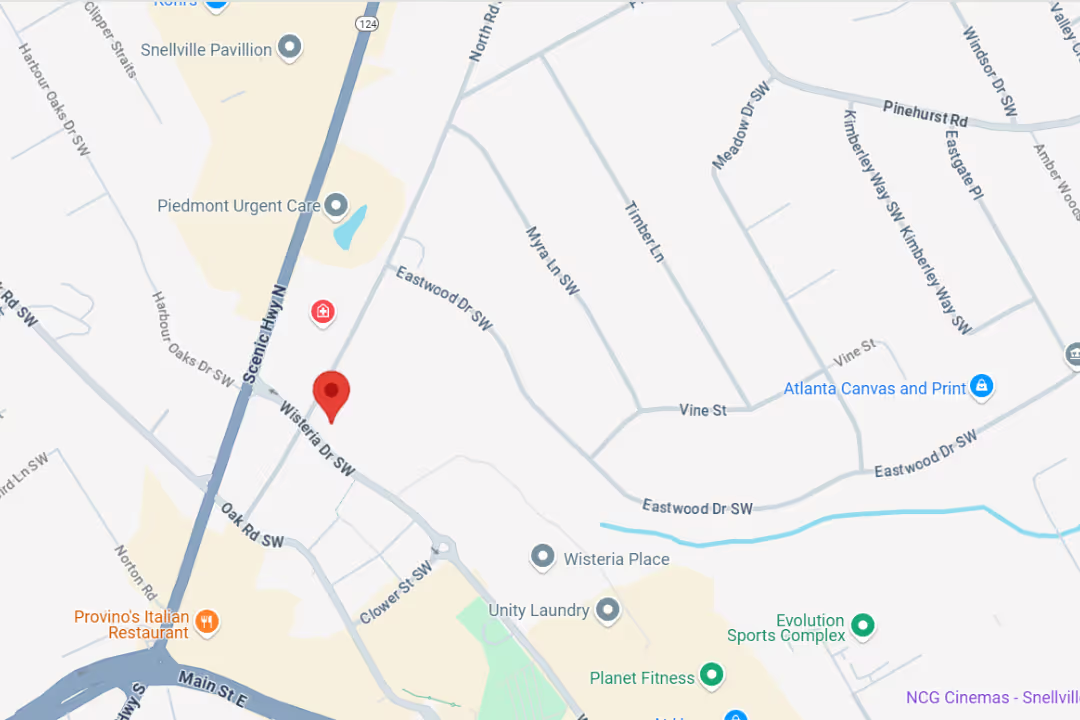
Snellville Ambulatory Surgery Center
2220 Wisteria Dr, Unit 100
Snellville, GA 30078
(470) 795-8398
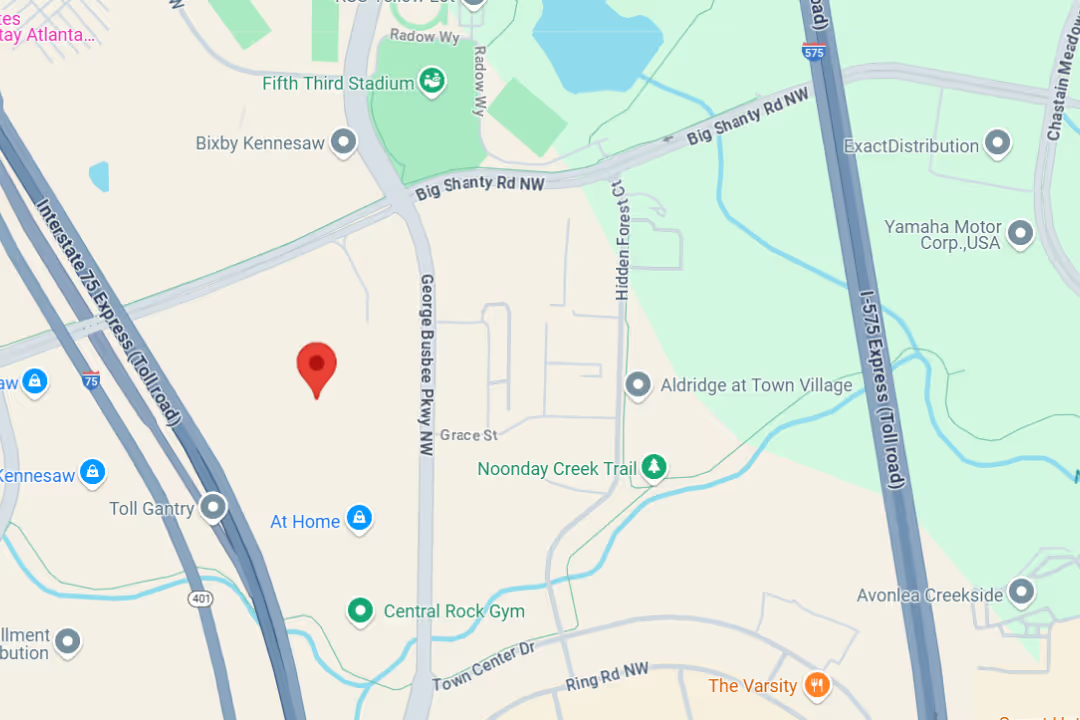
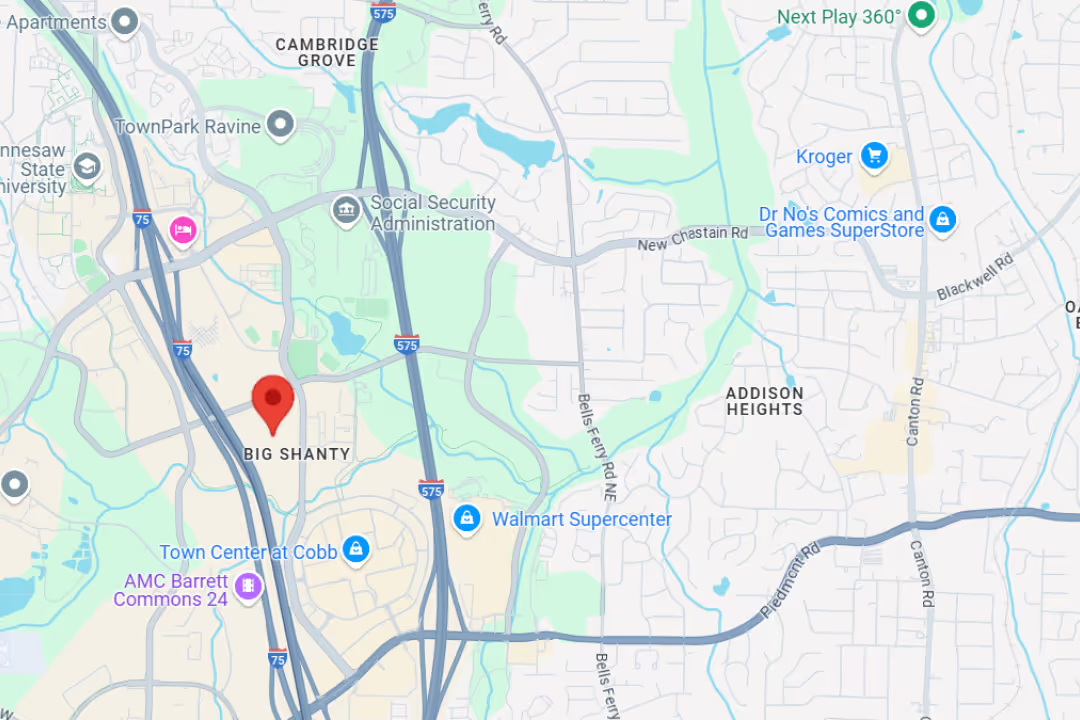
Kennesaw Clinic
2911 George Busbee Parkway, Suite 50
Kennesaw, GA 30144
(770) 545-6404
Snellville Clinic
2220 Wisteria Drive, Unit 101
Snellville, GA 30078
(470) 645-9297
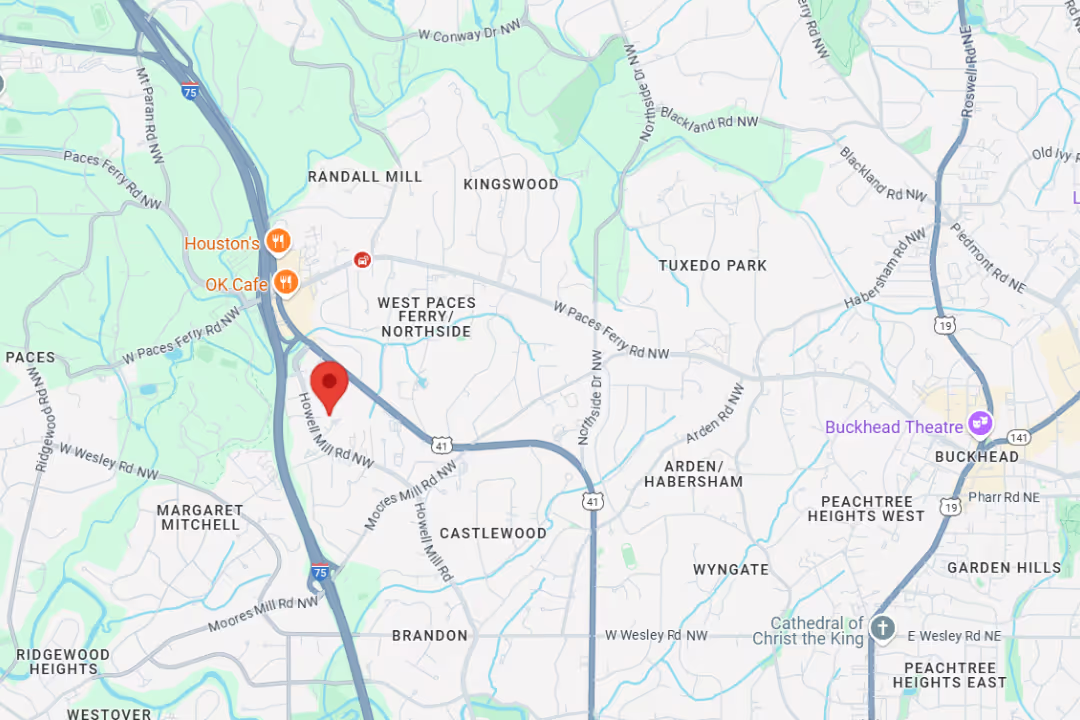
Buckhead PM&R
3200 Downwood Circle NW, Suite 520
Atlanta, GA 30327
(770) 872-7549
Explore our library of patient support guides covering the conditions we treat, the treatments we offer, and the questions we hear most. Each one is written to help you understand your options and feel confident about your next step. Browse the topics below to learn more, or reach out to our team anytime.

At Medici, you’re more than your MRI.
We take time to hear your story, understand your pain, and create a plan that actually works for you.

Our team delivers specialist care at convenient locations across Metro Atlanta:
Get expert tips on injury recovery, pain relief, joint health, and movement strategies—straight from our Fellowship-Trained team.