Arthritis is becoming increasingly common across all ages in the state of Georgia, affecting not only older adults but also young professionals, athletes, and individuals recovering from injuries. As arthritis progresses, it can significantly impact mobility, physical comfort, joint flexibility, and long-term quality of life—turning everyday tasks into painful challenges.
Because arthritis affects each person differently, early, precision-based evaluation is essential. Identifying the exact type of arthritis and the extent of joint degeneration allows for far more effective and minimally invasive treatment. At Medici Orthopaedics & Spine, our mission is to deliver compassionate, patient-centered arthritis care that prioritizes function, comfort, and long-term wellness. Our approach focuses on advanced diagnostics, minimally invasive options, and non-addictive solutions designed to help you return to a life you enjoy.
Arthritis is a condition marked by joint inflammation, tissue breakdown, and gradual degeneration of the soft tissues that cushion and stabilize movement. Over time, these changes can lead to stiffness, pain, swelling, and loss of mobility.
Arthritis-related symptoms may appear suddenly (acute) or progress slowly over months or years (chronic). Chronic arthritis typically worsens without treatment, making early assessment crucial for preserving joint health and preventing long-term disability.
Arthritis presents in many forms, each affecting the body differently. The most common types include:
If you’re searching for an arthritis pain specialist near me, recognizing the signs that require professional evaluation is important. Key symptoms include:
These symptoms are often early indicators of joint deterioration, and timely evaluation can help prevent further damage.
Proper arthritis treatment starts with understanding the underlying cause—and that requires comprehensive diagnostics. Medici uses advanced evaluation techniques to pinpoint the exact type and severity of arthritis you’re experiencing.
Imaging tools allow specialists to visualize the inner workings of your joints and detect signs of degeneration, inflammation, or structural abnormalities. These may include:
These tools guide precise, targeted treatment strategies.
For certain types of arthritis—particularly inflammatory or autoimmune forms—lab testing is an essential part of the diagnostic process. Testing may include:
These insights help specialists diagnose the exact arthritis subtype and tailor treatment accordingly.
Understanding how arthritis affects your daily movement is crucial for building an effective care plan. Functional assessments may include:
Together, these assessments guide both treatment choices and long-term joint protection strategies.
At Medici Orthopaedics & Spine, nonsurgical care is the foundation of arthritis treatment. Our goal is to reduce pain, restore mobility, and support long-term joint health using the safest, least invasive, and most effective methods available.
PRP uses a concentrated portion of your own blood—rich with growth factors—to help reduce inflammation, support cartilage health, and promote natural tissue repair.
These advanced therapies may include cell-based or biologic treatments aimed at enhancing the body’s healing response, particularly in joints affected by wear-and-tear or injury.
Regenerative treatments work by:
Regenerative therapies are ideal for individuals who:
Patients often experience improved mobility, reduced pain, and increased joint function.
These injections are used to quickly reduce inflammation and provide short-term relief in arthritic joints experiencing swelling or stiffness.
Often used for knee arthritis, this treatment helps lubricate the joint, improve shock absorption, and ease movement-related pain.
These targeted injections temporarily disrupt pain signals from nerves surrounding the knee, providing significant relief for patients who may not yet need—or want—surgery.
RFA offers longer-lasting relief by gently heating and disabling small nerves responsible for transmitting chronic pain. Relief often lasts 6–18 months.
Medici’s medication approach emphasizes safety, effectiveness, and non-addictive strategies.
These may include short-term anti-inflammatories, nerve-calming medications, or topical formulations designed to reduce pain without systemic side effects.
For autoimmune or inflammatory arthritis, disease-modifying medications may help slow progression and protect joints from long-term damage.
Lifestyle intervention is an essential part of joint health and whole-body wellness.
Even small weight reductions can significantly relieve stress on weight-bearing joints like the knees and hips.
Instruction on posture, movement patterns, and ergonomics helps patients avoid unnecessary wear on arthritic joints.
Food choices play a meaningful role in reducing inflammation. Integrating nutrient-rich, anti-inflammatory foods can greatly improve joint comfort.
When nonsurgical treatments are no longer effective, minimally invasive surgical options may offer long-term relief with less downtime than traditional surgery.
Surgery may be recommended when:
A tiny camera and instruments allow surgeons to remove damaged tissue, smooth cartilage surfaces, and repair minor joint issues.
This procedure removes loose fragments, inflamed tissue, or cartilage debris that contribute to pain and limited movement.
Treatments aimed at stimulating new cartilage growth or transplanting healthy tissue to damaged areas.
Less invasive than full joint replacement, these procedures address localized damage while preserving healthy structures.
Minimally invasive arthritis surgery provides:
These techniques give patients the long-term relief they need with far less downtime.
Arthritis treatment doesn’t end when pain improves—ongoing management ensures long-term joint function, stability, and comfort.
Physical therapy focuses on:
Tailored exercises help protect joints and prevent future flare-ups.
Hands-on techniques help:
These therapies are especially beneficial for chronic stiffness and mobility restrictions.
Sports massage supports:
It is ideal for active individuals or those recovering from flare-ups.
Long-term strategies may include:
These habits help patients stay active and maintain independence as they age.
Arthritis pain can feel overwhelming, but with expert guidance and a personalized treatment plan, meaningful relief is absolutely within reach. The right specialist can help you understand the source of your pain, protect your joints from further damage, and regain the mobility and comfort you may have lost over time.
Seeking care early is one of the most important steps you can take. Early evaluation helps prevent progression, reduces long-term joint deterioration, and opens the door to minimally invasive treatments that can dramatically improve quality of life.
If you or someone you love is struggling with joint stiffness, inflammation, or chronic arthritis pain, the team at Medici Orthopaedics & Spine is here to help. We provide advanced, minimally invasive, and highly personalized arthritis treatment designed to restore comfort, mobility, and long-term joint health.
Schedule your consultation today:
🌐 Website: https://www.mediciortho.com/
📞 Main Contact: +1-844-328-4624
Marietta
792 Church Street, Unit 101
Marietta, GA 30060
(470) 795-8398
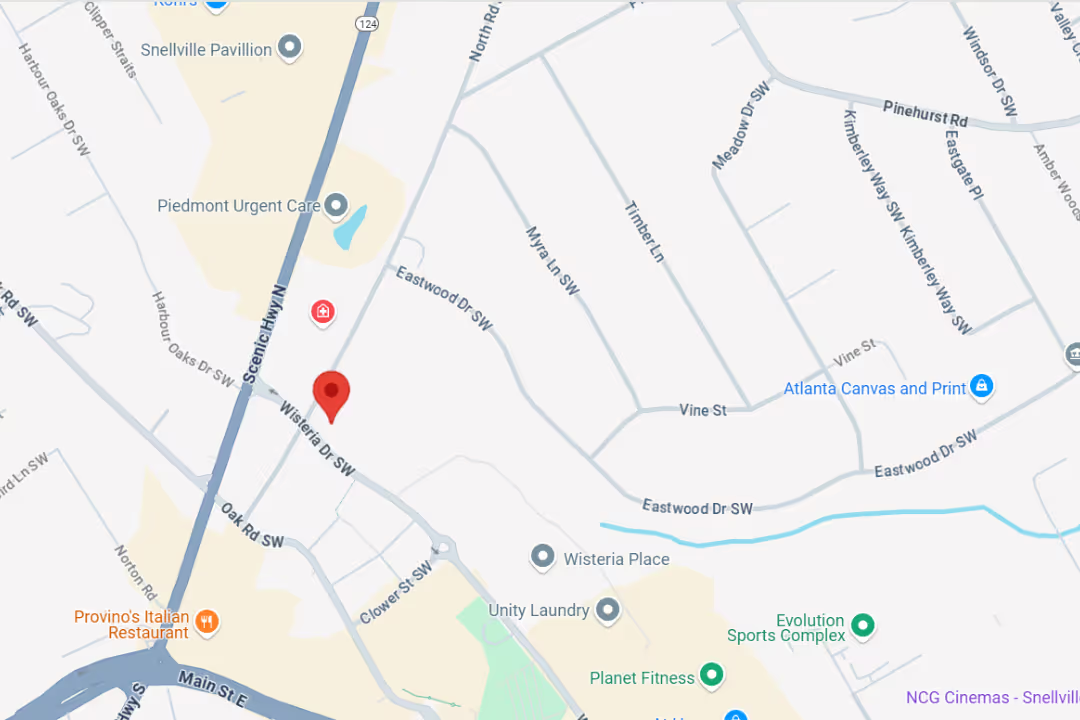
Snellville
2220 Wisteria Dr, Unit 100
Snellville, GA 30078
(470) 795-8398
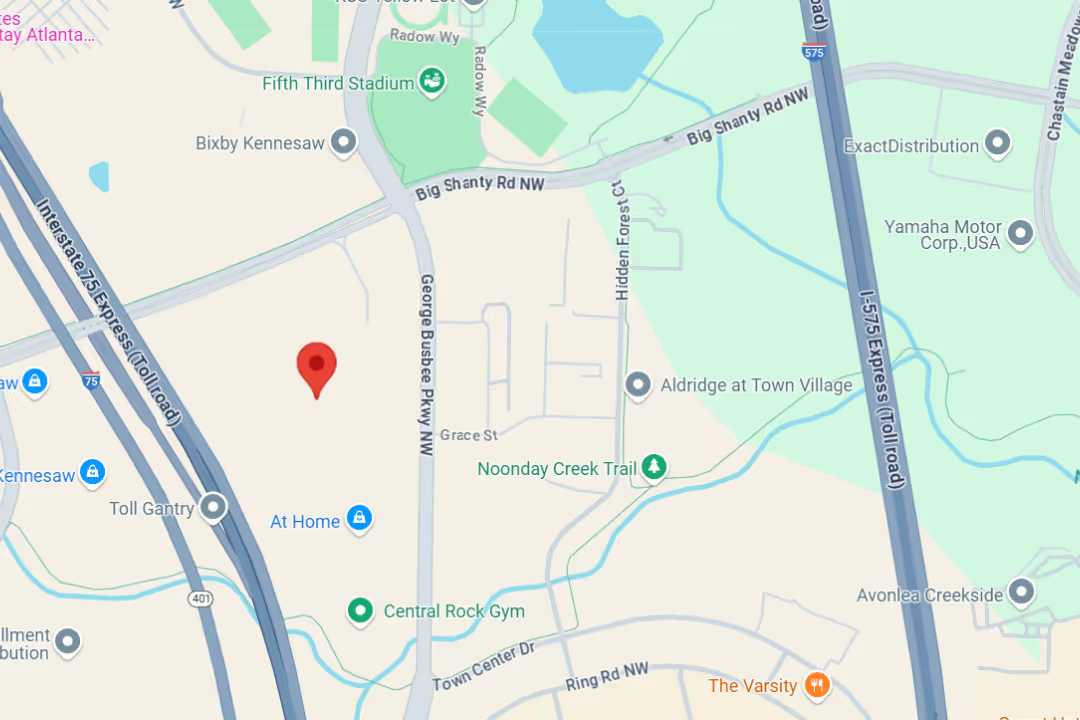
Kennesaw
2911 George Busbee Pkwy, Suite 50
Kennesaw, GA 30144
(770) 545-6404
Snellville
2220 Wisteria Dr, Unit 101
Snellville, GA 30078
(470) 645-9297
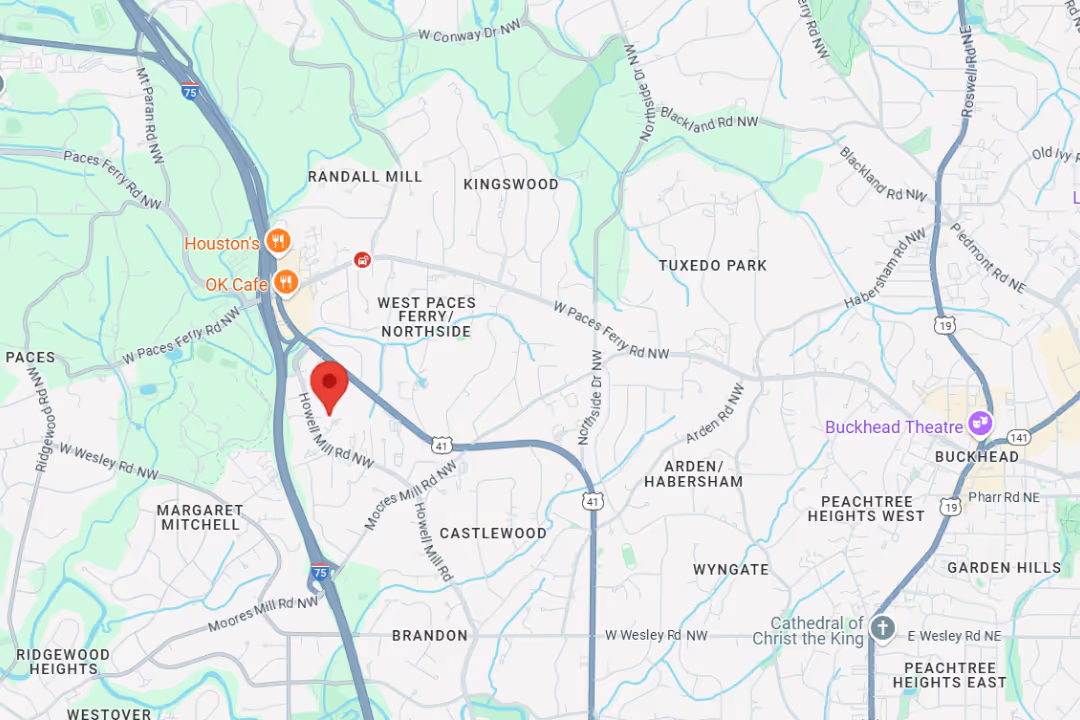
Buckhead PM&R
3200 Downwood Circle NW, Suite 520
Atlanta, GA 30327
(770) 872-7549
Explore our library of patient support guides covering the conditions we treat, the treatments we offer, and the questions we hear most. Each one is written to help you understand your options and feel confident about your next step. Browse the topics below to learn more, or reach out to our team anytime.

At Medici, you’re more than your MRI.
We take time to hear your story, understand your pain, and create a plan that actually works for you.

Our team delivers specialist care at convenient locations across Metro Atlanta:
Get expert tips on injury recovery, pain relief, joint health, and movement strategies—straight from our Fellowship-Trained team.