Sports injuries have a way of disrupting more than just your training schedule. They can affect your performance, your daily movement, your confidence, and even your overall well-being—whether you’re a competitive athlete, a weekend runner, or someone who simply got hurt during routine activity. The frustration that comes with pain, limited mobility, and being forced to rest is completely understandable. Many patients express feeling discouraged when they can’t move the way they’re used to, and that emotional toll is just as real as the physical pain.
But there is good news: your body is incredibly resilient. With the right interventions and support, it has a remarkable capacity to heal, rebuild, and return to strength. The key is choosing treatments that don’t just mask symptoms but actually promote recovery at the tissue level.
At Medici Orthopaedics & Spine, we are committed to helping injured athletes regain their mobility and confidence using minimally invasive, evidence-based, and drug-sparing treatments. Our goal is to shorten recovery time, reduce pain safely, and help you return to the activities you love—stronger than before.
#1 Physical Therapy & Corrective Exercise
Diagnosis-Driven Treatment Plans
Every athlete’s body moves differently, which is why the right plan always starts with a thorough assessment.
- Targeting specific muscles, joints, and movement limitations: Identifying exactly where dysfunction occurs allows therapy to focus on the true source of pain.
- Correcting imbalances and gait abnormalities: Small alignment issues can lead to major performance limitations; correcting them restores efficiency and reduces strain.
Techniques Used in Sports Rehab
Sports rehabilitation uses a wide range of targeted methods to restore athletic performance.
- Strengthening: Builds resilient muscles that protect joints and support powerful movement.
- Mobility restoration: Improves flexibility and range of motion, reducing stiffness and compensations.
- Balance and stability training: Essential for preventing falls, missteps, and joint overload.
- Sport-specific reconditioning: Prepares athletes for the unique demands of their sport so they can return confidently and safely.
Benefits
The right physical therapy plan accelerates healing and prepares the body to return to activity without setbacks.
- Faster recovery: Efficient movement patterns reduce strain and promote quicker tissue repair.
- Reduced inflammation: Targeted exercise improves circulation and decreases swelling.
- Improved performance and injury prevention: Athletes often return stronger, more balanced, and more coordinated than before the injury.
How Medici Integrates It
At Medici Orthopaedics & Spine, physical therapy isn’t an isolated treatment—it’s an integrated part of a complete recovery strategy.
- Collaborative care with physicians and therapists: Providers work together to monitor progress and adjust plans as needed.
- Customized programming based on activity level and goals: Whether someone is a competitive athlete or simply wants to return to pain-free movement, programs are tailored to the individual.
#2 Regenerative Medicine
What Regenerative Therapies Support
Regenerative treatments help enhance the body’s own repair mechanisms.
- Natural tissue healing: Encourages the growth of healthy tissue in areas of injury or degeneration.
- Pain reduction: Targets inflammation at the source for more sustained relief.
- Cellular repair: Supports the recovery of damaged cells to restore function more effectively.
Ideal Conditions
Regenerative medicine isparticularly helpful for injuries that struggle to heal on their own.
- Tendon injuries: Such as Achilles tendonitis or rotator cuff irritation.
- Ligament sprains: Including chronic ankle instability or knee ligament irritation.
- Chronic overuse conditions: Repetitive strain injuries common in running, lifting, or racquet sports.
- Early arthritis in athletes: Helps support joint health and maintain mobility.
These conditions often improve significantly when regenerative therapies are introduced alongside physical therapy.
Why Athletes Benefit
Athletes value treatments that are safe, effective, and minimally disruptive to their training schedules.
- Non-surgical: Avoids the risks, pain, and downtime associated with traditional surgery.
- Minimal downtime: Most athletes can continue modified training or activity while healing progresses.
- Supports long-term recovery: Rather than just treating symptoms, regenerative therapies target the root cause of pain and promote lasting improvements.
For many athletes, regenerative medicine becomes the turning point that allows them to return to their sport with confidence and reduced risk of reinjury.
#3 Prolotherapy
How Prolotherapy Works
- Stimulates natural healing response: A healing solution is injected into areas of chronic strain, prompting the body to repair and rebuild weakened tissues.
- Strengthens weakened ligaments and tendons: Over time, these structures become thicker, stronger, and more capable of supporting joint movement.
This makes prolotherapy especially valuable for athletes who struggle with joints that feel loose, unstable, or prone to re-injury.
When It's Recommended
Prolotherapy is ideal for soft-tissue injuries that haven’t responded well to rest alone.
- Joint instability: Especially in areas like the ankle, knee, shoulder, or spine.
- Chronic repetitive strain: Overuse injuries from running, jumping, or overhead movements.
- Ligament laxity: When ligaments are overstretched, causing joints to slip or feel weak.
Athletes often notice improvements in stability and overall movement efficiency after a series of treatments.
Key Benefits
- Improved structural support: Stronger ligaments and tendons help prevent ongoing strain and reduce risk of future injury.
- Long-term pain reduction: Prolotherapy addresses the source of instability rather than masking symptoms.
- Enhanced performance and mobility: With stronger supporting tissues, athletes move more confidently and effectively.
#4 Hyperbaric Oxygen Therapy (HBOT)
Physiological Benefits
- Increased oxygen delivery: High-pressure oxygen saturates the bloodstream, reaching areas with limited circulation.
- Accelerated tissue repair: Muscles, tendons, and bones heal faster with enhanced oxygen availability.
- Reduced inflammation: HBOT helps calm swelling and promotes quicker recovery from acute injuries.
This makes HBOT especially valuable during the early phases of healing or after intense training cycles.
Sports Injuries HBOT Helps
HBOT can benefit both acute injuries and chronic soft-tissue conditions:
- Muscle strains: Speeds healing and reduces soreness.
- Fractures: Helps bone tissue regenerate more efficiently.
- Tendon injuries: Supports recovery from tendonitis or partial tears.
- Post-surgical recovery: Reduces swelling, pain, and healing time after orthopedic procedures.
Because HBOT works at a cellular level, its effects complement nearly every aspect of sports medicine treatment.
Why Athletes Use It
Athletes choose HBOT because it accelerates healing without interrupting training goals.
- Faster recovery windows: Helps athletes return to sport sooner—and with fewer setbacks.
- Enhanced endurance and performance capacity: Improved tissue oxygenation translates to better energy production and stamina.
#5 Myofascial Release & Hands-On Therapies
Techniques Involved
Sports rehabilitation often incorporates a blend of hands-on techniques tailored to each athlete’s needs:
- Myofascial release: Targets tight fascia—the connective tissue surrounding muscles—to restore normal movement and reduce tension.
- Sports massage: Uses deeper, targeted pressure to address overused muscles and improve circulation after intense activity.
- Trigger point therapy: Focuses on releasing localized knots that can cause referred pain and limit performance.
Benefits for Sports Injuries
Myofascial therapy and hands-on work offer powerful benefits for injured or recovering athletes:
- Reduced muscle tension: Loosens tight tissues that pull joints out of alignment or restrict motion.
- Improved mobility: Restores flexibility and range of motion essential for athletic performance.
- Restored tissue glide: Healthy fascia moves smoothly; releasing restrictions enhances movement efficiency.
- Faster recovery between training sessions: Better circulation and reduced muscle tightness help athletes bounce back more quickly.
At-Home Tools
To maintain progress between treatments, athletes can safely use certain mobility tools:
- Foam rolling: Helps reduce muscle tightness and improve circulation when used with controlled, slow movements.
- Mobility balls: Target smaller or deeper areas like the hips, shoulders, or calves.
- Safe usage guidelines:
- Avoid rolling directly over joints.
- Stop if pain becomes sharp or radiating.
- Move slowly and breathe; avoid “forcing” pressure into painful tissues.
Stronger Healing Starts Today
Sports injuries can feel overwhelming, especially when they interrupt your routine, limit your performance, or keep you sidelined from the activities you love. But they do not have to become a long-term setback. With the right treatments—guided by experts who understand both the physical and emotional impact of injury—recovery can be faster, safer, and far more complete than many athletes expect.
Your body is built to heal. With the correct support, it can regain strength, mobility, and resilience, allowing you to return to movement with confidence.
If you’re dealing with a sports injury that just won’t heal—or you’re ready for a guided approach that truly works—our team is here to help. We invite you to reach out for a personalized evaluation so we can understand your goals, your challenges, and the best path forward for your recovery.
Contact Medici Orthopaedics & Spine
🌐 Website: https://www.mediciortho.com/
📞 Main Contact: +1-844-328-4624
Ambulatory Surgery Centers
• Marietta – 792 Church Street, Unit 101, Marietta, GA 30060 | (470) 795-8398
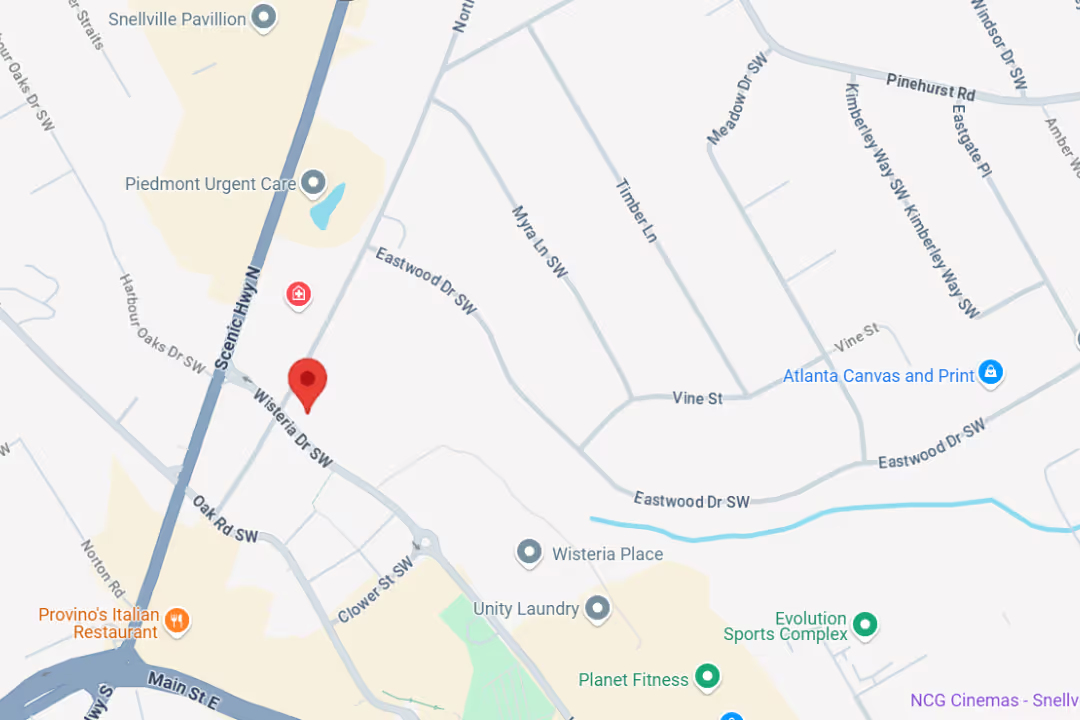
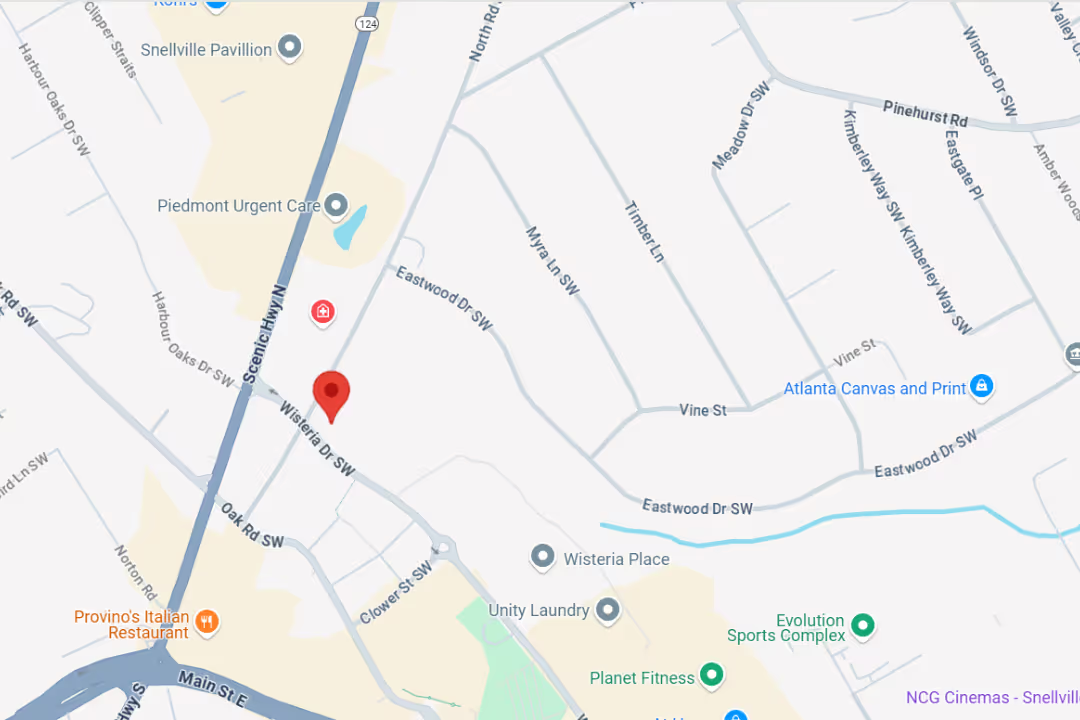
• Snellville – 2220 Wisteria Dr, Unit 100, Snellville, GA 30078 | (470) 795-8398
Clinics
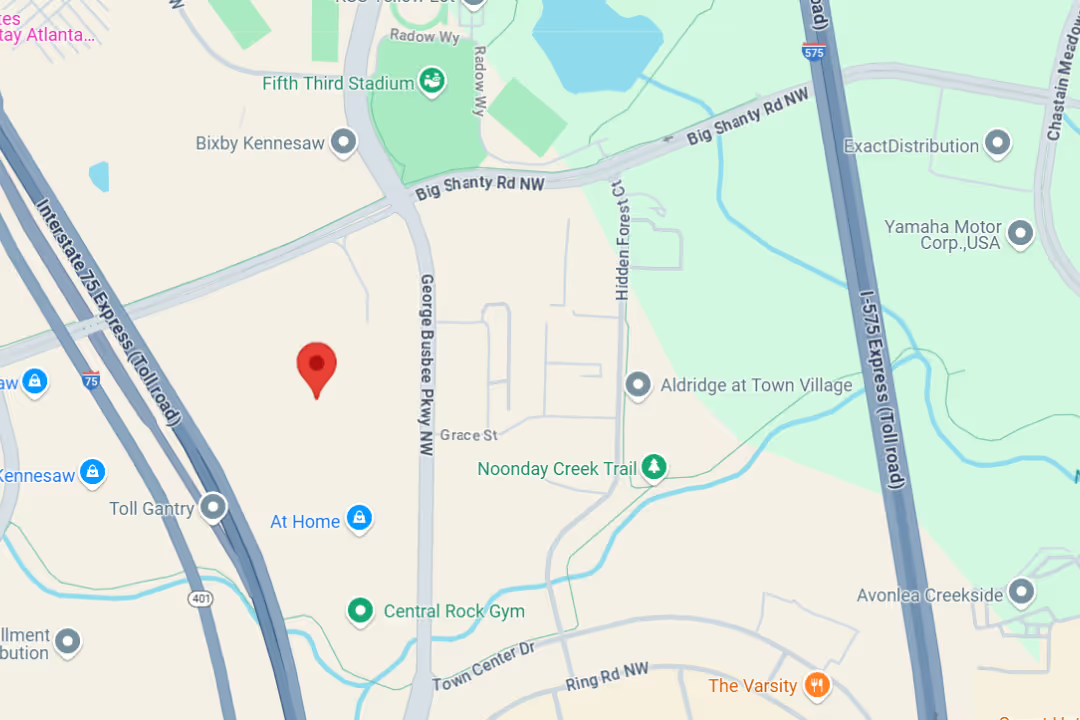
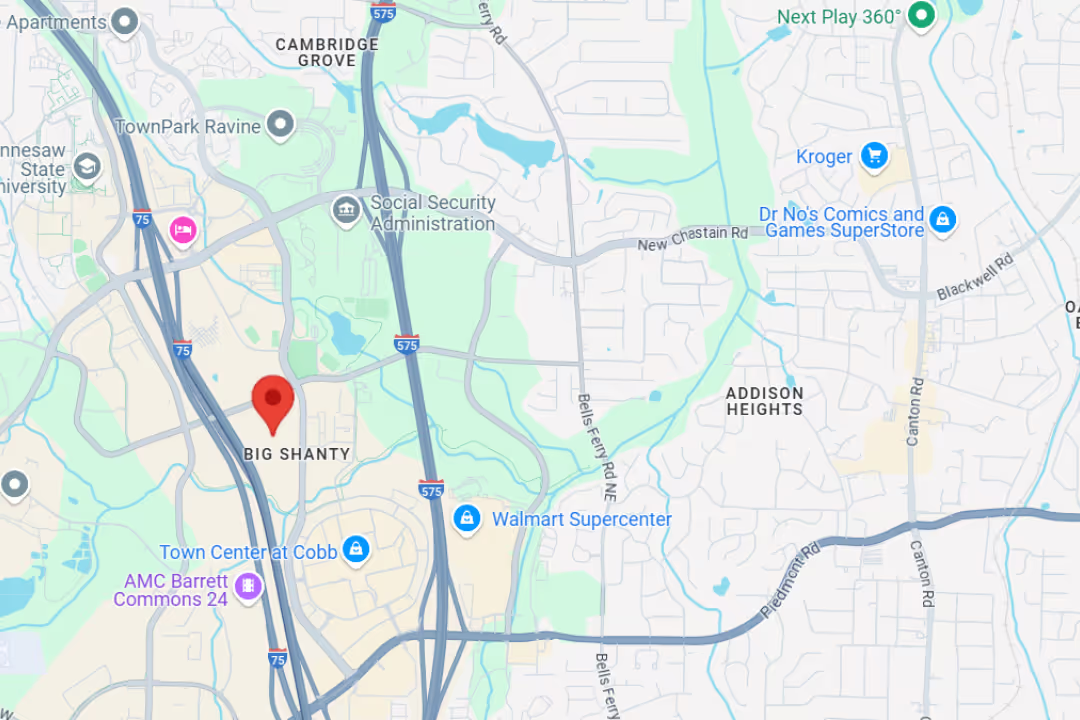
• Kennesaw – 2911 George Busbee Parkway, Suite 50, Kennesaw, GA 30144 | (770) 545-6404
• Snellville – 2220 Wisteria Drive, Unit 101, Snellville, GA 30078 | (470) 645-9297
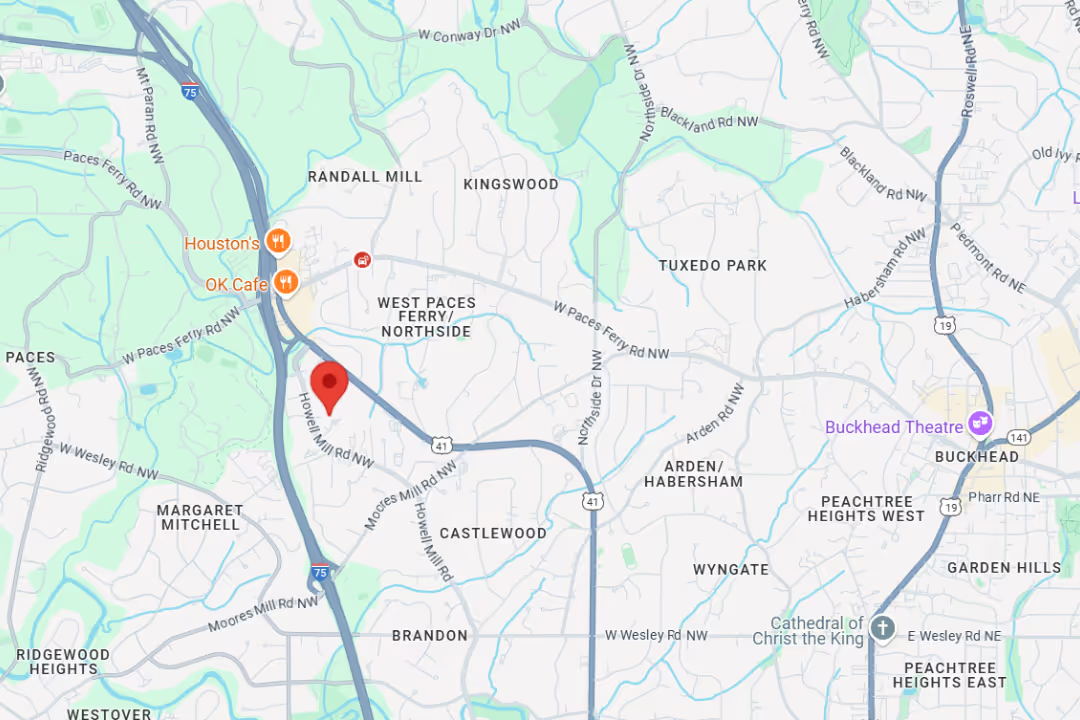
• Buckhead PM&R – 3200 Downwood Circle NW, Suite 520, Atlanta, GA 30327 | (770) 872-7549