A sports injury can stop you in your tracks—whether you’re a competitive athlete, a dedicated gym-goer, or a weekend warrior who just loves to stay active. One wrong move, overuse over time, or an unexpected impact can suddenly make training impossible and everyday movements painful. What starts as “just a tweak” can quickly turn into weeks or months on the sidelines.
The frustration runs deep. You’re not just dealing with physical pain—you’re dealing with missed workouts, lost progress, and the mental stress that comes with uncertainty. Many athletes struggle with the fear of re-injury, wondering if they’ll ever move the same way again or perform at the level they once did. That loss of momentum can be just as discouraging as the injury itself.
Most athletes don’t just want to heal enough to get by. They want to return stronger, faster, and more confident than before. That kind of comeback doesn’t happen by accident. It requires a recovery approach that goes beyond quick fixes and focuses on proper healing, movement, and long-term performance. With the right plan in place, an injury doesn’t have to define—or limit—your future.
Sports Injuries: More Than Just “Rest and Ice”
While rest and ice can help in the very early stages of an injury, many sports injuries are far more complex than they initially appear. Pain often signals deeper issues involving muscle imbalances, joint instability, tissue damage, or faulty movement patterns. Without addressing those underlying problems, symptoms may linger—or return the moment activity resumes.
One key factor in recovery is understanding the difference between acute and overuse injuries:
- Acute injuries happen suddenly, often from trauma or a specific incident—such as a sprained ankle, muscle strain, or ligament tear.
- Overuse injuries develop gradually from repetitive stress without adequate recovery, commonly affecting tendons, joints, and soft tissue.
Athletes in Marietta commonly experience a wide range of sports-related injuries, including:
- Muscle strains and ligament sprains
Often caused by sudden acceleration, deceleration, or improper mechanics. - Tendon injuries
Including Achilles, patellar, and rotator cuff issues that result from repetitive loading or poor movement patterns. - Joint injuries
Affecting the knee, shoulder, ankle, or hip—often involving instability, cartilage stress, or inflammation. - Spine and neck injuries
From contact sports, improper lifting, or repetitive strain that impacts posture and nerve function.
The Importance of Early, Targeted Sports Injury Care
When a sports injury occurs, the instinct to “wait it out” or push through discomfort is common—especially among athletes who are driven and competitive. However, early, targeted care is one of the most important factors in how quickly and successfully you recover.
Addressing an injury early can:
- Shorten recovery time
- Prompt evaluation helps identify the true source of pain before it worsens
- Early treatment can reduce inflammation and tissue stress, allowing healing to begin sooner
- Athletes who seek care early often return to activity faster and with fewer setbacks
- Prevent compensatory movement patterns and secondary injuries
- When pain is ignored, the body adapts by shifting load to other muscles or joints
- These compensations can lead to new injuries in the knees, hips, shoulders, or spine
- Early correction helps preserve natural movement and balance
- Address biomechanics, strength imbalances, and mobility restrictions
- Poor mechanics or asymmetries often contribute to the original injury
- Targeted care identifies weak links and movement faults
- Correcting these issues reduces stress on injured tissue and improves performance
- Avoid prolonged recovery from “playing through pain”
- Continuing to train on an injured area often delays healing
- Micro-damage can accumulate, turning a manageable injury into a chronic one
- Pain is the body’s warning signal—not something to override
Core Components of Effective Sports Injury Rehabilitation
Sports-Specific Physical Therapy
Physical therapy is the foundation of successful sports injury recovery—but it must be tailored to the demands of your sport. Generic exercises may help temporarily, but sports-specific therapy focuses on how your body actually moves during training and competition.
Key elements include:
- Restoring strength, flexibility, balance, and coordination
- Rebuilding strength in injured and supporting muscles
- Improving flexibility to reduce strain on healing tissue
- Enhancing balance and coordination to support safe movement
- Correcting movement patterns that caused or worsened the injury
- Identifying faulty mechanics such as poor landing, improper lifting, or uneven loading
- Retraining movement to reduce stress on vulnerable areas
- Preventing the same injury from recurring once activity resumes
- Gradual return-to-play protocols
- Progressing from basic movement to sport-specific drills
- Advancing only when strength, stability, and control are restored
- Reducing the risk of re-injury by ensuring the body is truly ready
Myofascial Release & Soft Tissue Therapy
Muscle tightness, scar tissue, and restricted fascia can significantly slow recovery if left unaddressed. Soft tissue therapies focus on restoring tissue quality so movement becomes smoother, more efficient, and less painful.
Benefits include:
- Reducing muscle tension and scar tissue
- Chronic tightness can place stress on joints and healing tissue
- Releasing restrictions helps muscles function normally again
- Improving circulation and tissue healing
- Increased blood flow delivers oxygen and nutrients needed for repair
- Supports faster recovery and reduced inflammation
- Enhancing mobility and pain control
- Improved tissue mobility allows joints to move through full range of motion
- Less stiffness leads to better movement confidence and comfort
Interventional Pain Management (When Needed)
In some cases, pain and inflammation can limit an athlete’s ability to participate fully in rehabilitation. When this happens, interventional pain management may be used strategically to support—not replace—active recovery.
Key considerations include:
- Targeted injections to reduce inflammation and pain
- Precisely delivered to affected joints, tendons, or spinal structures
- Helps calm inflammation that interferes with movement and healing
- Supporting rehab progression—not replacing it
- Pain relief creates a window for more effective physical therapy
- Allows athletes to move, strengthen, and retrain safely
- Minimally invasive options tailored to athletes
- Designed to minimize downtime and recovery disruption
- Used selectively based on injury type, severity, and response to therapy
Advanced & Regenerative Therapies for Athletic Recovery
Regenerative Medicine Options
Regenerative medicine focuses on supporting the body’s natural repair processes, particularly in tissues that are slow to heal on their own. These therapies are considered carefully, based on the type of injury, severity, and how the athlete has responded to conservative care.
Key benefits include:
- Supporting healing in tendons, ligaments, joints, and soft tissue
- Tendons and ligaments have limited blood supply and often heal slowly
- Regenerative approaches aim to improve the local healing environment
- May help reduce ongoing irritation that limits rehab progress
- Used when conservative care alone isn’t enough
- Considered after physical therapy and standard treatments have been tried
- Appropriate for lingering pain, partial tissue injuries, or degenerative changes
- Selected based on clear clinical findings—not as a first-line treatment
- Integrated into a broader rehab plan
- Always combined with physical therapy and movement retraining
- Designed to support function, strength, and return-to-play goals
- Helps create a smoother transition from healing to performance
Hyperbaric Oxygen Therapy for Recovery
Hyperbaric oxygen therapy (HBOT) has gained attention among athletes for its potential role in recovery and tissue healing. By increasing the amount of oxygen delivered throughout the body, HBOT may support healing processes that are critical during injury recovery.
Potential benefits include:
- Enhancing oxygen delivery to injured tissues
- Higher oxygen levels can support cellular repair and tissue regeneration
- May be beneficial for muscles, tendons, and soft tissue under stress
- Supporting inflammation reduction and recovery
- Improved oxygenation may help reduce inflammatory responses
- Can support overall recovery when combined with rehab and rest
- Often used by athletes to speed healing
- Frequently pursued during intense training or post-injury recovery phases
- Used as an adjunct—not a standalone solution
- Best results occur when integrated into a comprehensive treatment plan
Recover Smarter. Come Back Stronger.
Most sports injuries can recover without surgery—especially when they’re treated early and guided by a plan built for athletes, not just “pain relief.” The key is recovering the right way: restoring strength, stability, and movement quality so you can return to your sport with confidence, not hesitation.
That’s where comprehensive, least-invasive, athlete-focused care makes a difference. When your recovery includes accurate diagnosis, sports-specific rehab, soft tissue support, and minimally invasive options when needed, you’re not just chasing short-term relief—you’re building a stronger foundation for performance.
If you’ve been sidelined by a sports injury and want to recover faster—without sacrificing long-term performance—the team at Medici Orthopaedics & Spine is here to help. Our physicians specialize in sports injury diagnosis, advanced rehabilitation, and minimally invasive treatments designed to get you back in the game safely and confidently.
Contact Medici Orthopaedics & Spine
📞 Main Appointment Line: 1-844-328-4624
🌐 Website: https://www.mediciortho.com
Clinics
- Kennesaw:
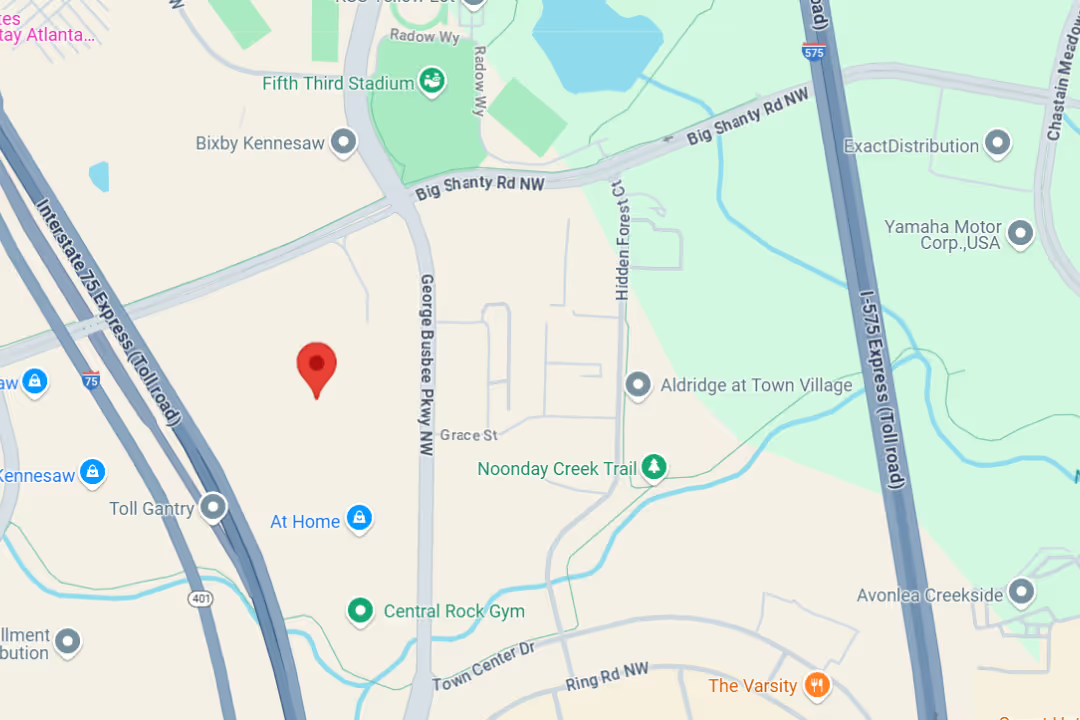
2911 George Busbee Parkway, Suite 50, Kennesaw, GA 30144
(770) 545-6404 - Snellville:
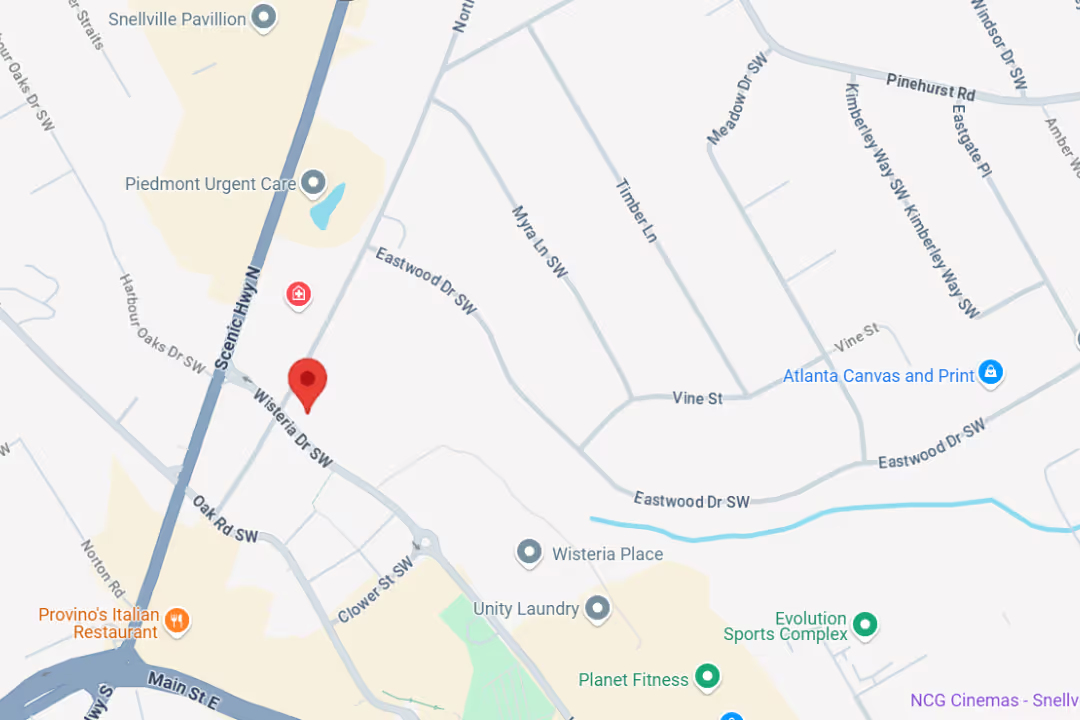
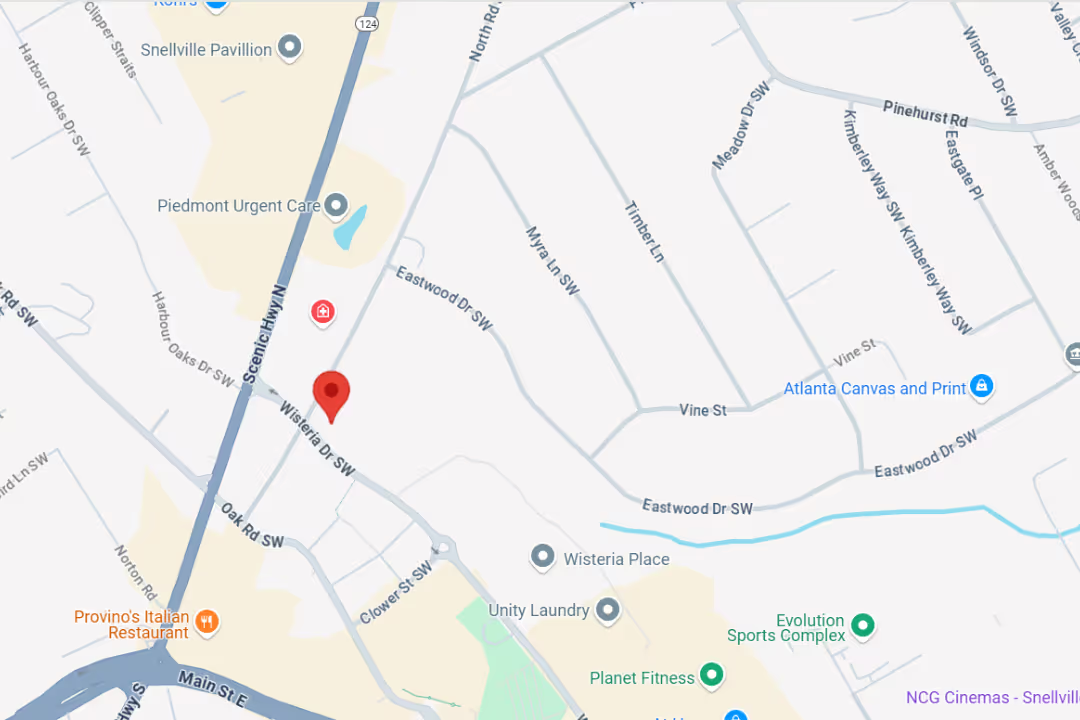
2220 Wisteria Drive, Unit 101, Snellville, GA 30078
(470) 645-9297 - Buckhead PM&R:
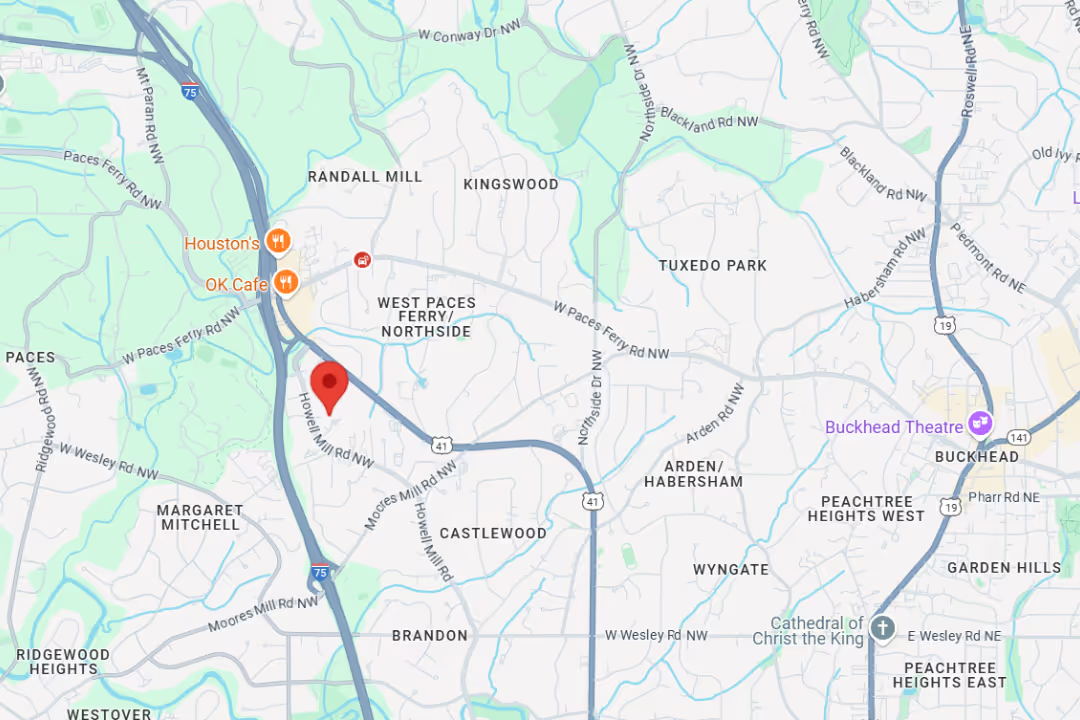
3200 Downwood Circle NW, Suite 520, Atlanta, GA 30327
(770) 872-7549

.avif)