Chronic joint pain touches nearly every part of daily life. It can influence how you move, how you sleep, and even how you feel emotionally—turning simple routines like getting out of bed, climbing stairs, or reaching overhead into moments of hesitation or discomfort. Many of our patients describe a sense of frustration or fatigue that comes from living with pain that never fully “turns off.” And that experience is completely valid.
Joint pain rarely has one single cause. It may stem from inflammation, gradual degeneration, muscle imbalances, an old injury, posture issues, repetitive work demands, or even lifestyle factors you wouldn’t immediately associate with musculoskeletal stress. When these elements overlap, pain becomes persistent—and it’s easy to feel like your body is working against you.
At Medici Orthopaedics & Spine, our commitment is simple: restore your quality of life using the most effective, least invasive, and least drug-dependent methods available today. Whether your pain is mild or life-limiting, we meet you where you are—with compassion, clarity, and solutions tailored to your needs.
Anti-Inflammatory Nutrition
Foods That Reduce Joint Inflammation
Certain foods have powerful anti-inflammatory properties that help calm irritated joints and nourish cartilage, muscles, and surrounding tissues.
- Omega-3 rich foods: salmon, sardines, walnuts, and flax seeds all help regulate inflammation and support joint lubrication.
- Colorful fruits and vegetables: produce such as berries, leafy greens, peppers, and cherries are rich in antioxidants that neutralize inflammation at the cellular level.
- Healthy fats: olive oil and avocado provide monounsaturated fats that protect joint tissues and improve overall mobility.
- Lean proteins and collagen-supportive foods: poultry, eggs, bone broth, and collagen-rich foods strengthen muscles and connective tissues that stabilize your joints.
Foods That Worsen Pain
Just as some foods support joint health, others can quietly fuel inflammation and discomfort.
- Sugars and refined carbohydrates: pastries, white bread, candy, and sweetened drinks spike inflammation and stress your joints.
- Excessive alcohol: disrupts natural repair processes and can worsen swelling.
- Processed oils and fried foods: soybean oil, vegetable oil, and fried foods increase oxidative stress.
- High-sodium packaged foods: canned soups, frozen meals, and processed snacks can lead to bloating and stiffness.
Natural Supplements (with medical guidance)
While food is foundational, certain supplements can enhance recovery—especially when inflammation or cartilage wear is significant. Always discuss supplements with a medical professional to ensure safety and effectiveness.
- Turmeric/curcumin: helps block inflammatory pathways.
- Ginger: naturally reduces pain and stiffness.
- Glucosamine & chondroitin: support cartilage health and joint cushioning.
- Collagen peptides: promote strong connective tissue and may improve joint elasticity.
- Vitamin D & magnesium: assist with bone strength, muscle relaxation, and nerve function.
Movement as Medicine
Low-Impact Exercises
These activities reduce stress on your joints while still keeping your body active and mobile:
- Walking: improves circulation and joint lubrication.
- Cycling: builds leg strength without pounding the joints.
- Swimming and aquatic therapy: water reduces joint pressure and allows smooth, pain-free movement.
Strengthening for Joint Support
Strong muscles act like scaffolding for your joints, decreasing strain and improving stability.
- Core engagement: supports the spine and improves whole-body mechanics.
- Hip and glute stability: reduces knee and lower-back overloading.
- Quadriceps and hamstring balancing: essential for proper knee tracking.
- Shoulder girdle strengthening: stabilizes the shoulder joint and reduces neck or upper-back compensation.
Flexibility & Mobility Work
Improving mobility can quickly reduce joint tension and improve everyday movement.
- Gentle stretching: lengthens tight muscles that pull on joints.
- Daily mobility routines: maintain range of motion and reduce stiffness.
- Restoring full joint movement: helps reduce compensations that create additional pain elsewhere in the body.
Heat & Cold Therapy
When to Use Ice
Ice is best used during times when your joints feel irritated, swollen, or acutely painful.
- Acute flare-ups: Ice helps calm sudden increases in pain, especially after activity.
- Swelling: Cold decreases circulation to the irritated area, reducing inflammation.
- Sharp or inflammatory pain: Ice numbs the area and slows nerve conduction, offering quick relief.
When to Use Heat
Heat is ideal when stiffness or muscle tightness is limiting your movement.
- Stiffness: Heat increases blood flow and helps tissues relax, making movement easier.
- Muscle tightness: Warmth reduces tension in surrounding muscles that often pull on painful joints.
- Chronic ache patterns: A gentle, soothing heat source can help calm long-standing discomfort.
Contrast Therapy
Alternating between heat and cold—known as contrast therapy—can produce even greater benefits when used correctly.
- Boosting circulation: The alternating temperatures act like a pump, flushing out inflammation and bringing fresh nutrients to tissues.
- Improving recovery: Many patients notice reduced soreness and improved range of motion after contrast sessions.
- Safe home routines:
- Start with heat for 3–5 minutes
- Apply ice for 1–2 minutes
- Repeat 3–5 cycles
- Always end with cold
Lifestyle Modifications for Long-Term Relief
Posture & Ergonomics
Your posture throughout the day affects how hard your joints have to work.
- Sitting alignment: Keeping feet flat, shoulders relaxed, and spine neutral reduces strain on the neck, back, and hips.
- Workstation adjustments: Monitor height, chair support, and keyboard placement all influence joint stress.
- Standing posture and footwear considerations: Supportive shoes and even weight distribution protect the knees, ankles, and lower back.
Sleep Optimization
Sleep plays a major role in the body’s ability to recover.
- How poor sleep worsens pain processing: When sleep is disrupted, the nervous system becomes more sensitive, amplifying pain signals.
- Supportive mattresses & pillow positioning: Proper alignment during sleep reduces nighttime strain and morning stiffness.
Stress Reduction
Stress does more than affect your mood—it can directly intensify physical pain.
- Cortisol's role in inflammation: Chronic stress elevates cortisol, which increases inflammation throughout the body.
- Breathing exercises: Deep, slow breathing signals the nervous system to relax and reduces muscle tension.
- Meditation and mindfulness practices: These approaches calm the brain and make pain easier to manage.
- Gentle yoga or tai chi: Both blend controlled breathing, movement, and flexibility—excellent for joint health and stress relief.
Myofascial Release & Hands-On Therapies
Benefits of Myofascial Release
Myofascial release focuses on the fascia—thin connective tissue that surrounds your muscles and joints. When it becomes tight or restricted, pain often spreads.
- Reducing trigger points: These tight, knotted spots in the muscle can cause localized pain or refer discomfort to surrounding joints.
- Restoring tissue glide: Healthy fascia moves smoothly. Myofascial work helps tissues slide properly, reducing stiffness and improving mobility.
- Decompressing joints indirectly by releasing surrounding tension: When tight muscles relax, joints finally have space to move more freely and naturally.
Massage Therapy
Massage therapy supports joint health by improving circulation and decreasing tension in overworked or protective muscle groups.
- Improving blood flow: Better circulation means more oxygen and nutrients reach irritated tissues.
- Easing protective muscle guarding: When joints hurt, surrounding muscles often tense up to “shield” the area—massage helps break that cycle.
- How sports massage differs from relaxation massage:
- Sports massage targets specific muscles and movement patterns, making it ideal for chronic pain, athletic strain, and mobility issues.
- Relaxation massage focuses on whole-body calm and stress reduction, which indirectly helps reduce pain sensitivity.
Regenerative & Natural Treatment Options at Medici Orthopaedics & Spine
Prolotherapy
Prolotherapy is a natural injection-based therapy designed to stimulate the body’s healing response.
- Stimulating natural repair mechanisms: The treatment encourages the body to strengthen weakened structures.
- Strengthening ligaments and tendons: Over time, the targeted tissues become more stable, reducing joint stress and recurring pain.
Regenerative Medicine Options
Regenerative medicine focuses on restoring damaged tissues and calming chronic inflammation.
- Supporting soft-tissue healing: These treatments encourage the growth of new, healthy tissue where degeneration or injury has occurred.
- Reducing inflammation naturally: This helps decrease pain without relying on medications.
- When regenerative therapies are recommended: Often used when patients haven’t fully improved with conservative treatments alone or when joint degeneration is present.
Hyperbaric Oxygen Therapy
Hyperbaric oxygen therapy (HBOT) is a powerful way to support tissue healing naturally.
- Increasing oxygen delivery: Inside the chamber, the body absorbs oxygen at a much higher concentration, boosting tissue repair.
- Enhancing tissue recovery & reducing inflammation: HBOT improves cellular energy, reduces swelling, and accelerates recovery from chronic pain or injury.
Your Path Back to Pain-Free Living Starts Here
Chronic joint pain may feel overwhelming at times, but it does not have to define your future. Your body is capable of healing, adapting, and growing stronger with the right support. Natural strategies—nutrition, movement, hands-on therapies, stress reduction, and regenerative treatments—can create powerful, lasting improvements. But you don’t have to navigate this journey alone.
If joint pain has been holding you back, this is your invitation to take the next step toward meaningful relief. Our team would be honored to partner with you in building a personalized plan that supports whole-body recovery and long-term wellbeing.
Contact Medici Orthopaedics & Spine
🌐 Website: https://www.mediciortho.com/
📞 Main Contact: +1-844-328-4624
Ambulatory Surgery Centers
• Marietta – 792 Church Street, Unit 101, Marietta, GA 30060 | (470) 795-8398
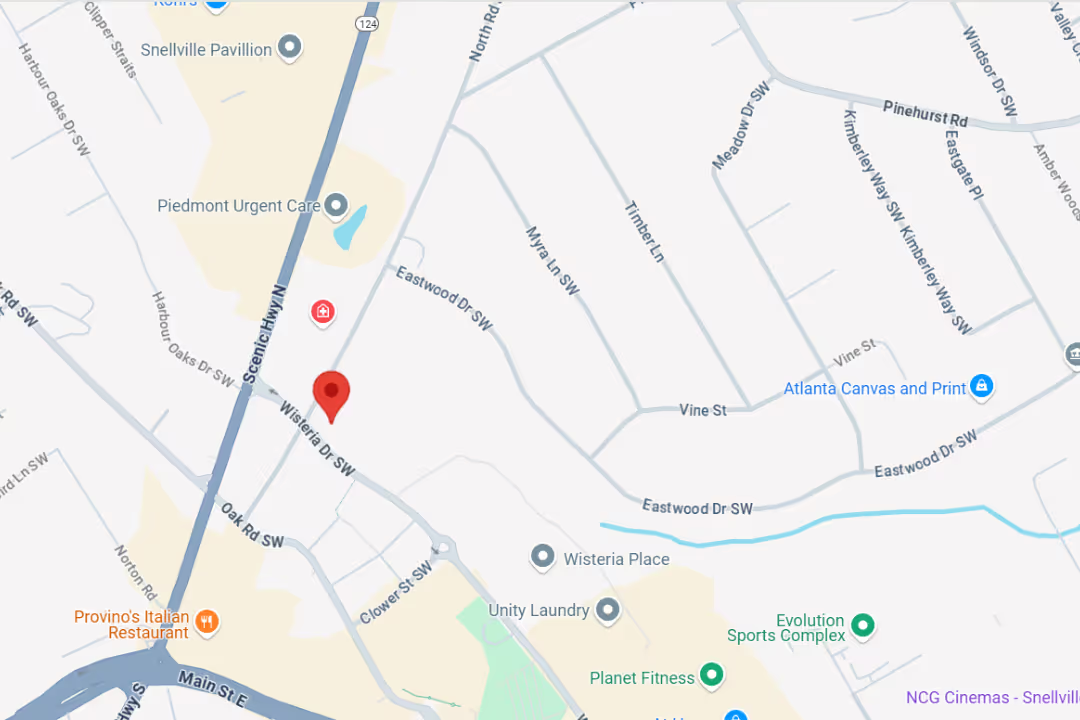
• Snellville – 2220 Wisteria Dr, Unit 100, Snellville, GA 30078 | (470) 795-8398
Clinics
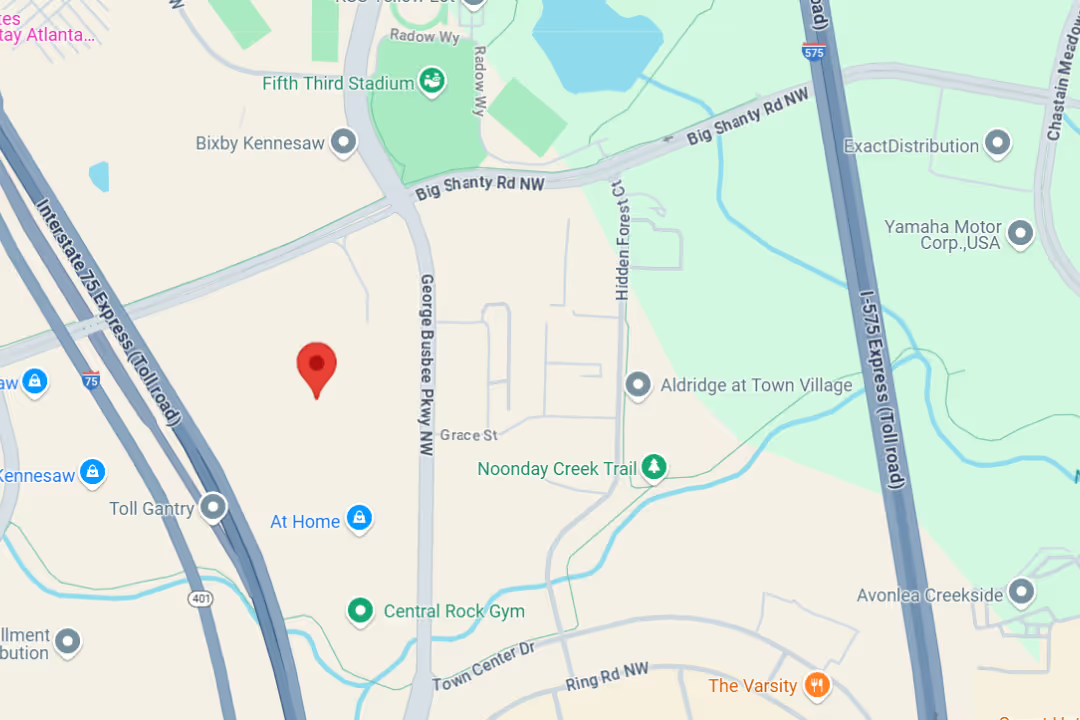
• Kennesaw – 2911 George Busbee Parkway, Suite 50, Kennesaw, GA 30144 | (770) 545-6404
• Snellville – 2220 Wisteria Drive, Unit 101, Snellville, GA 30078 | (470) 645-9297
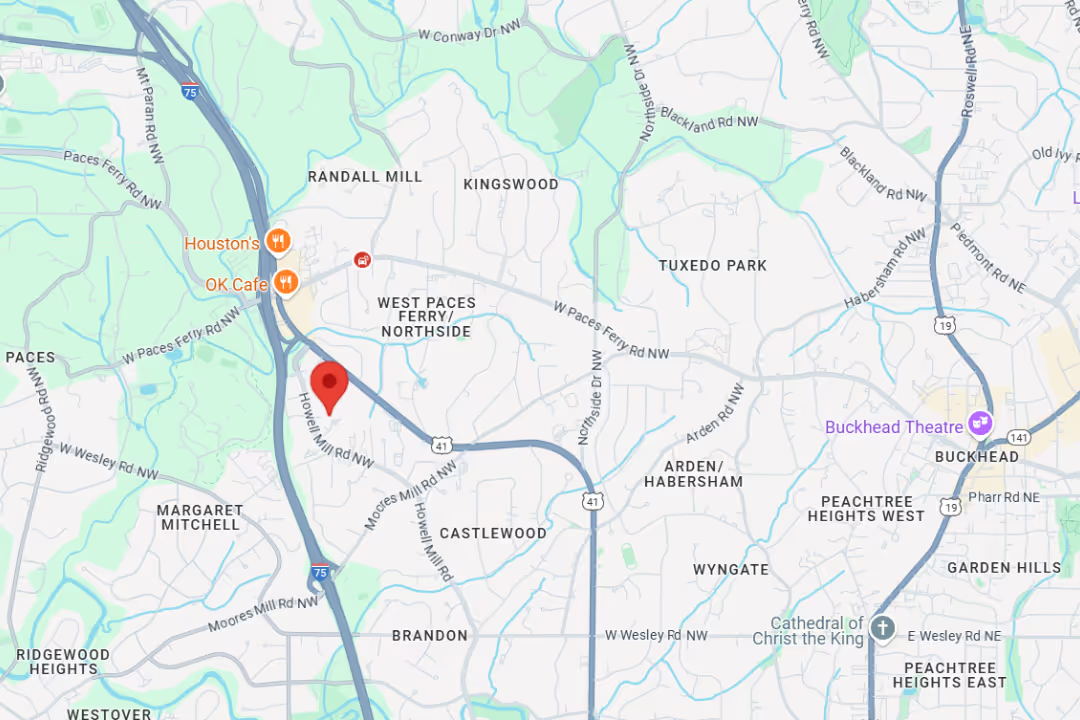
• Buckhead PM&R – 3200 Downwood Circle NW, Suite 520, Atlanta, GA 30327 | (770) 872-7549