If you’re searching for an “orthopedic specialist for arthritis,” chances are you’re not dealing with occasional aches—you’re dealing with pain or stiffness that’s starting to shape your day. Many people begin looking for an orthopedic specialist when joint symptoms become more frequent, more intense, or more limiting—especially when walking, working, exercising, or sleeping starts to feel harder than it should.
It’s understandable to worry that arthritis automatically leads to surgery. The reassuring truth is: many patients can improve without surgery when they have a structured, step-by-step plan that addresses pain, inflammation, movement mechanics, and long-term joint protection. The key is getting a clear diagnosis and the right combination of treatments—not just “pushing through it.”
At Medici Orthopaedics & Spine, our physician-led team takes a patient-centered approach to arthritis care. Under the leadership of Dr. Sonny Dosanjh, M.D., we focus on least-invasive, evidence-based strategies aimed at reducing pain, improving mobility, and restoring quality of life and function—so you can move better, feel better, and stay active as safely as possible.
Osteoarthritis is the most common form of arthritis. It involves gradual degeneration of cartilage and structural changes within the joint.
Commonly affected areas include:
Rheumatoid arthritis (RA) is an autoimmune condition where the immune system attacks the lining of the joints, leading to inflammation, swelling, stiffness, and pain.
Common features include:
Post-traumatic arthritis can develop after an injury such as:
Other types of arthritis and joint inflammation can include:
Seeing an orthopedic specialist isn’t just about getting an X-ray and being told “you have arthritis.” A good arthritis evaluation looks at the full picture: the joint, the surrounding tissues, your movement patterns, and how symptoms are impacting your life.
At Medici Orthopaedics & Spine, arthritis care starts with clarity and a plan.
Comprehensive evaluation and diagnosis
Your provider will review your history, your activity level, the timeline of symptoms, and what triggers flare-ups—then perform a focused exam to understand how the joint is functioning.
Identifying pain drivers beyond “arthritis”
Arthritis often overlaps with other pain sources that can be treated directly, such as:
Creating a stepwise, conservative-first treatment plan
Most patients do best with a structured approach that begins with the least invasive options and builds only as needed. This can include movement changes, therapy, targeted treatments, and long-term joint protection strategies.
Coordinating care across the right services
Arthritis often responds best when care is coordinated, including:
Small changes done consistently can reduce daily joint irritation and slow down symptom progression.
Low-impact movement recommendations
Staying active is important, but the type of activity matters. Many arthritis patients do best with low-impact options that support circulation, strength, and mobility without pounding the joints.
Weight management and joint load reduction
Extra load increases stress on weight-bearing joints like the hips, knees, and spine. Even modest weight reduction can decrease joint strain and help improve walking and stair tolerance.
Ergonomics and pacing strategies
Arthritis flare-ups often come from doing “too much too fast.” Pacing strategies, better posture, supportive footwear, workstation adjustments, and joint-friendly movement habits can reduce day-to-day irritation—especially for people who sit for long periods or do repetitive tasks.
Physical therapy is one of the most effective non-surgical tools for arthritis because it improves what the joint depends on most: support, stability, and mechanics.
Strengthening muscles around the joint to reduce stress
When surrounding muscles are stronger, the joint absorbs less strain. Strengthening can improve stability and reduce painful compensation patterns.
Mobility and flexibility work
Stiff joints often lead to stiff muscles and restricted movement. Therapy helps restore motion safely, reduce tightness, and improve how the joint moves during daily activity.
Balance and gait training (especially for knee/hip arthritis)
Arthritis can change the way you walk without you realizing it. Balance work and gait training help restore confidence, improve stability, and reduce stress on neighboring joints.
Medication can help control symptoms, especially during flare-ups, but at Medici the goal is to use medication thoughtfully—as support, not as the entire plan.
Anti-inflammatories and topical options
For the right patient, anti-inflammatory medications or topical treatments may reduce pain and swelling, making it easier to stay active and participate in rehabilitation.
Joint-friendly pain control strategies
Your provider may recommend options aimed at improving function and comfort while minimizing side effects, especially when pain is interfering with sleep or movement.
Minimizing long-term medication dependence
Whenever possible, Medici emphasizes strategies that reduce reliance on long-term medications—especially when the underlying issue can be addressed through strengthening, targeted treatments, and movement correction.
When inflammation is significant—or when pain is blocking progress in therapy—targeted injections can be an effective way to calm symptoms and help you move forward.
Corticosteroid injections (short-term inflammation control)
These injections can reduce inflammation and pain, often helping patients return to activity and therapy with less discomfort. They are typically used strategically rather than repeatedly.
Viscosupplementation (where appropriate, joint-specific)
In some cases (often joint-specific), lubrication-type injections may be considered to improve joint comfort and movement.
Image-guided precision and safety considerations
When injections are used, accuracy matters. Image guidance can improve precision, helping deliver medication where it’s most likely to help while reducing risk.
Interventional options for spine arthritis (facet-related pain)
Arthritis in the spine can involve facet joints and may mimic nerve pain. Interventional options may be used to clarify and treat facet-related pain when appropriate.
For select patients, regenerative approaches may be used to support tissue health and stability around the joint.
Prolotherapy and other regenerative approaches (where appropriate)
These treatments are designed to stimulate the body’s natural healing response—especially when joint instability or connective tissue weakness is contributing to ongoing irritation.
Supporting tissue health and joint stability
The goal is to strengthen support structures and improve joint mechanics, which can reduce recurrence of flare-ups.
Complementing rehab and strengthening
Regenerative treatments work best when paired with a rehab plan that reinforces stability, posture, and movement quality.
Arthritis pain isn’t only “inside the joint.” Muscles often tighten to protect a painful area, creating additional pain, stiffness, and reduced mobility.
Addressing muscle tension that worsens joint pain
Soft tissue work can reduce guarding and tightness, especially around the hip, knee, shoulder, neck, and low back.
Improving mobility and circulation
Reducing soft tissue restriction can improve movement quality, increase circulation, and make strengthening exercises easier and more effective.
If arthritis pain has become part of your daily routine, it can start to feel like you’re supposed to “just live with it.” But the truth is: you don’t have to accept daily joint pain as normal—and you don’t have to wait until symptoms become unbearable to get help. With the right diagnosis and a thoughtful, structured plan, many patients are able to reduce pain, improve mobility, and stay active without rushing into surgery.
At Medici Orthopaedics & Spine, we take a patient-centered, least-invasive approach to arthritis care. Under the leadership of Dr. Sonny Dosanjh, M.D., our physician-led team focuses on evidence-based options that aim to restore function and quality of life—whether that means improving strength and mechanics, controlling inflammation, using targeted injections when appropriate, or building a long-term plan to reduce flare-ups and protect your joints.
If you’re not sure what’s causing your pain—or you’ve been told “it’s arthritis” but still don’t have clear answers—an evaluation can help. We’ll take the time to understand your symptoms, confirm the diagnosis, and walk you through your options without pressure. The goal is to help you make confident decisions and move forward with a plan that supports real, lasting improvement.
Website: https://www.mediciortho.com
Main Phone: +1-844-328-4624
Marietta
792 Church Street, Unit 101
Marietta, GA 30060
📞 (470) 795-8398
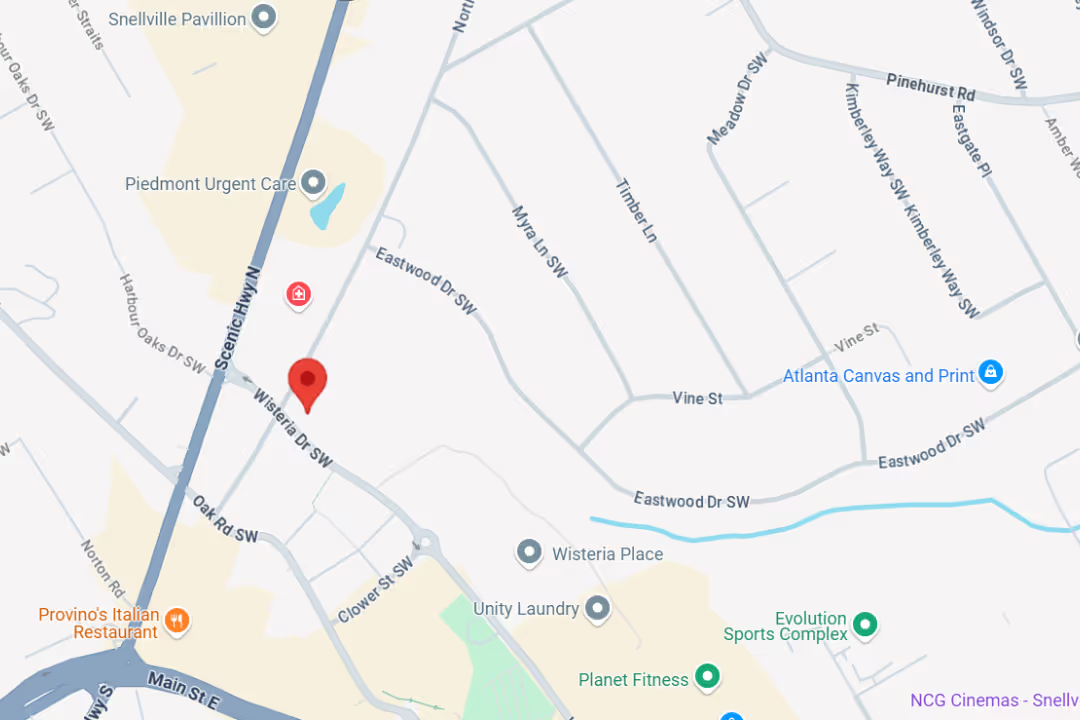
Snellville
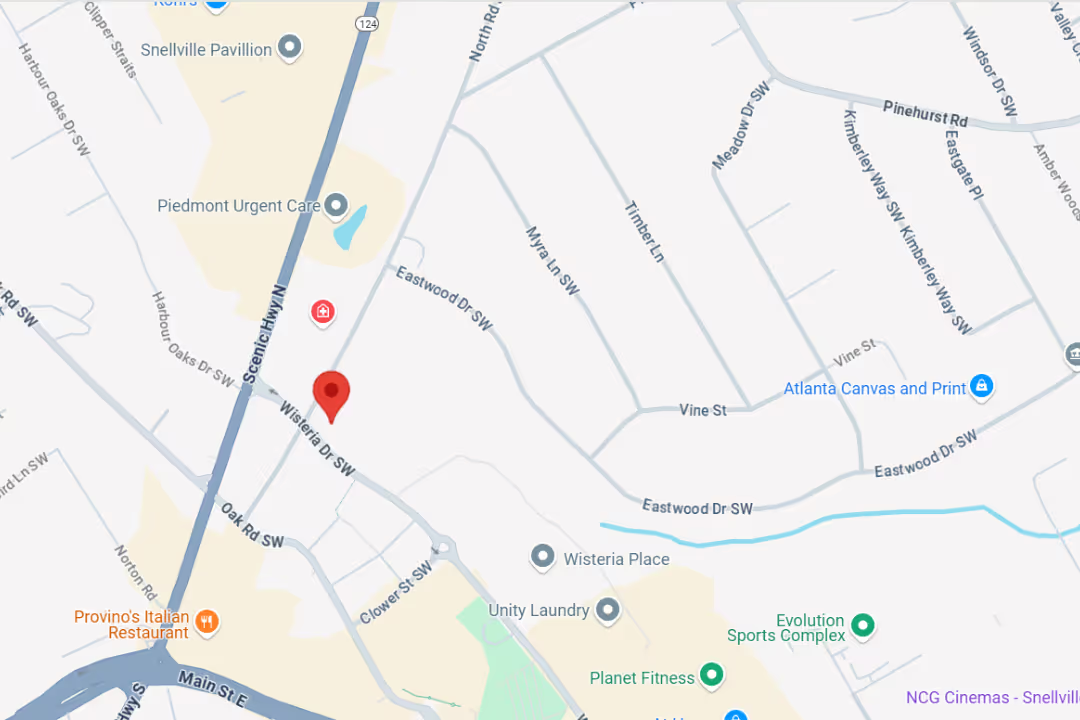
2220 Wisteria Dr, Unit 100
Snellville, GA 30078
📞 (470) 795-8398
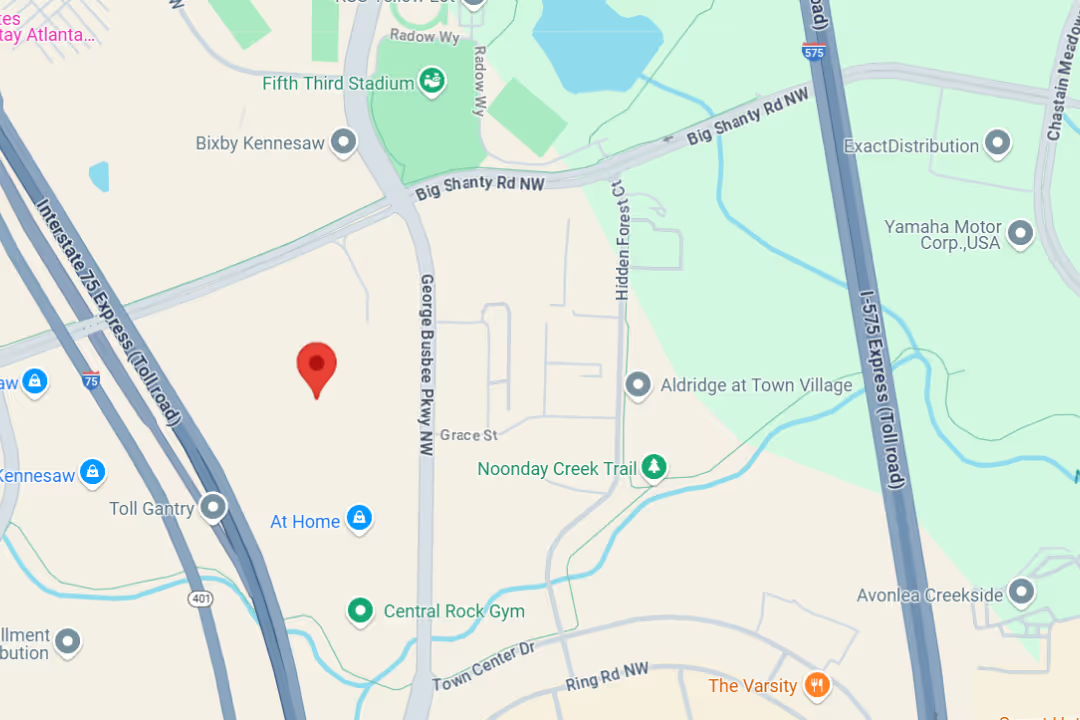
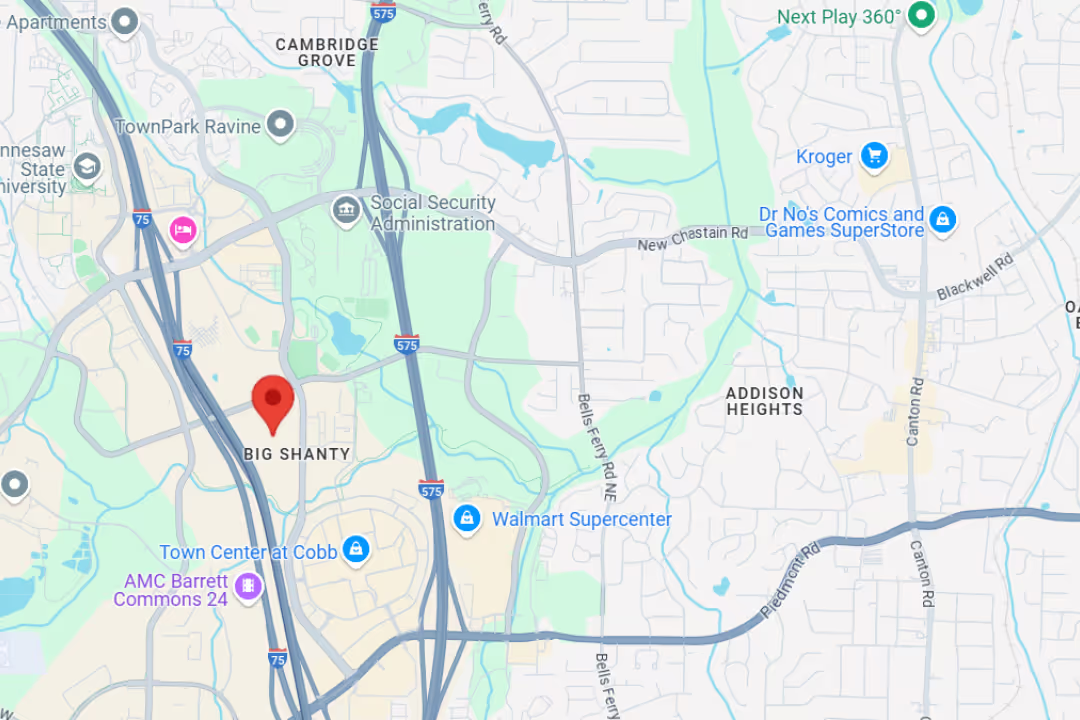
Kennesaw
2911 George Busbee Parkway, Suite 50
Kennesaw, GA 30144
📞 (770) 545-6404
Snellville
2220 Wisteria Drive, Unit 101
Snellville, GA 30078
📞 (470) 645-9297
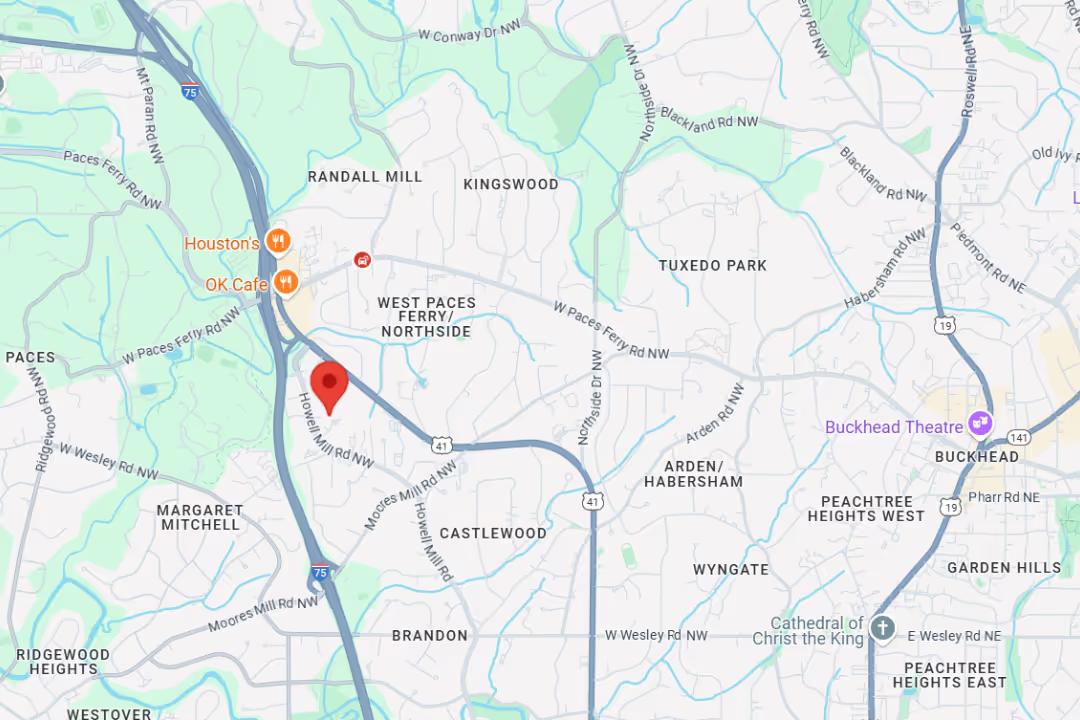
Buckhead PM&R
3200 Downwood Circle, NW, Suite 520
Atlanta, GA 30327
📞 (770) 872-7549
Explore our library of patient support guides covering the conditions we treat, the treatments we offer, and the questions we hear most. Each one is written to help you understand your options and feel confident about your next step. Browse the topics below to learn more, or reach out to our team anytime.

At Medici, you’re more than your MRI.
We take time to hear your story, understand your pain, and create a plan that actually works for you.

Our team delivers specialist care at convenient locations across Metro Atlanta:
Get expert tips on injury recovery, pain relief, joint health, and movement strategies—straight from our Fellowship-Trained team.