Joint pain becomes increasingly common as we age. Whether caused by arthritis, years of wear and tear, old injuries, or degenerative changes, aching knees, hips, shoulders, and backs can make even simple movements feel challenging. For many older adults, pain leads to fear—fear of movement, fear of falling, or fear of making the problem worse.
The good news is that movement is not only possible as we age—it’s one of the most powerful tools for joint pain relief. When done correctly, the right exercises can reduce stiffness, ease pain, improve balance, and restore confidence in everyday activities like walking, standing, and reaching.
The key is choosing exercises that are safe, low-impact, and tailored to the individual. Aggressive or high-impact workouts are rarely appropriate for aging joints, but gentle, therapeutic movement can actually protect joints and slow further decline.
At Medici Orthopaedics & Spine, we take a physician-guided approach to joint pain relief in older adults. Our goal is not to push patients through painful routines, but to help them move smarter—using targeted exercises and advanced medical care to reduce pain, preserve independence, and improve quality of life.
Improves Circulation
Movement increases blood flow to joints and surrounding tissues, delivering oxygen and nutrients that help reduce inflammation and promote healing.
Strengthens Muscles That Support Joints
Strong muscles act like shock absorbers. When muscles around a joint are weak, more stress is placed directly on the joint itself—leading to increased pain.
Maintains Range of Motion
Gentle exercise keeps joints moving through their natural range, preventing stiffness and loss of mobility that can make daily tasks more difficult.
Reduces Stiffness and Inflammation
Regular, low-impact movement helps joints stay lubricated, which can significantly reduce morning stiffness and discomfort after periods of rest.
Pain during movement can be frightening, especially after years of joint problems. However, there is an important difference between therapeutic discomfort and harmful pain. Proper exercises should feel gentle and controlled—not sharp, sudden, or worsening.
A medical evaluation helps identify:
Exercise should be stopped and medically reviewed if you experience:
Warming up prepares joints and muscles for movement, while cooling down helps prevent stiffness afterward. Even a few minutes of gentle motion can make a significant difference in comfort and safety.
Chairs, handrails, resistance bands, or supportive footwear can make exercises safer and more accessible. Using support is not a weakness, .it’s a smart way to reduce fall risk and build confidence.
Range-of-motion exercises involve gentle, controlled movements that take joints through their natural motion without resistance. These exercises are especially helpful for reducing stiffness, which is one of the most common complaints among older adults with joint pain.
Benefits for Arthritis and Post-Surgical Joints
Examples of Range-of-Motion Exercises
These exercises are often best performed daily and are ideal for warming up before other activities.
Low-impact aerobic exercise improves cardiovascular health while minimizing stress on the joints. These activities encourage consistent movement, which is essential for joint lubrication and endurance.
Benefits
Examples of Low-Impact Aerobic Exercise
These exercises are particularly helpful for individuals with knee, hip, or spine pain.
Strong muscles are essential for joint protection. When muscles weaken with age, joints absorb more force—often leading to increased pain. Strengthening exercises help stabilize joints and reduce mechanical stress.
Why Strengthening Matters
Key Principles
Examples of Strengthening Exercises
Balance naturally declines with age, increasing the risk of falls and injury. Balance training improves coordination, strengthens stabilizing muscles, and builds confidence during movement.
Benefits
Examples of Balance Exercises
These exercises are especially valuable for older adults who feel unsteady or have experienced falls.
Stretching helps reduce muscle tightness around painful joints, improving comfort and movement efficiency. For older adults, stretching should always be gentle and pain-free.
Benefits of Stretching
Gentle Stretching Principles for Aging Joints
Stretching is often most effective after light activity, when muscles are warm.
Older adults with joint pain should generally avoid or significantly modify:
The idea that pushing through pain leads to progress does not apply to joint pain relief. Pain is an important signal—especially in older adults—and ignoring it can accelerate joint damage or lead to injury. Effective exercise should feel challenging but controlled, not sharp, worsening, or unstable.
Joint pain varies widely depending on the underlying condition. Arthritis, prior joint replacement, spinal degeneration, or osteoporosis all require different movement strategies. Modifying range, resistance, or body position allows older adults to stay active without aggravating the joint. This is why individualized guidance is critical for safe, lasting relief.
Joint pain does not have to mean giving up movement, or independence. When approached correctly, exercise can be safe, effective, and empowering at any age. Gentle, purposeful movement helps reduce stiffness, strengthen supportive muscles, improve balance, and ease daily discomfort.
The most important takeaway is that the best exercises are always individualized. What works well for one person may not be appropriate for another, especially when different joints, medical conditions, or prior injuries are involved. Avoiding movement out of fear often leads to more stiffness, weakness, and pain over time.
With professional guidance, older adults can move with confidence—knowing their exercise plan supports healing rather than causing harm. Proper evaluation and oversight are key to achieving lasting joint pain relief and preserving long-term mobility.
Schedule a consultation today and take a proactive step toward protecting your joints, your mobility, and your quality of life.
Medici Orthopaedics & Spine🌐 Website: https://www.mediciortho.com/
📞 Main Appointment Line: +1-844-328-4624
Marietta
792 Church Street, Unit 101
Marietta, GA 30060
📞 (470) 795-8398
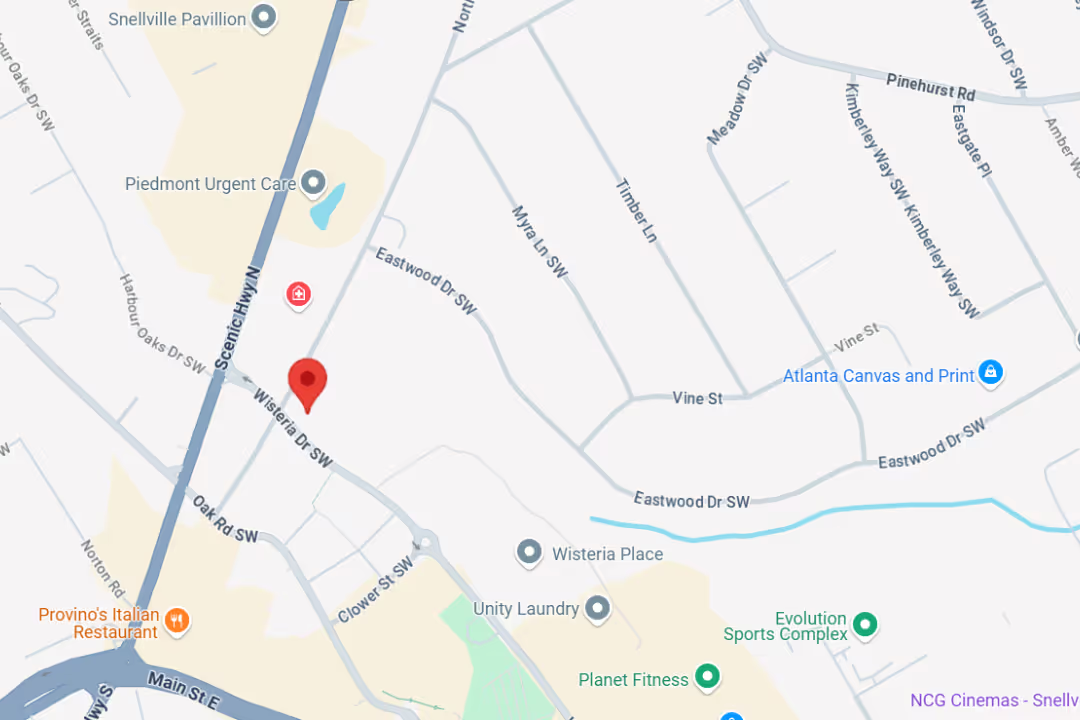
Snellville
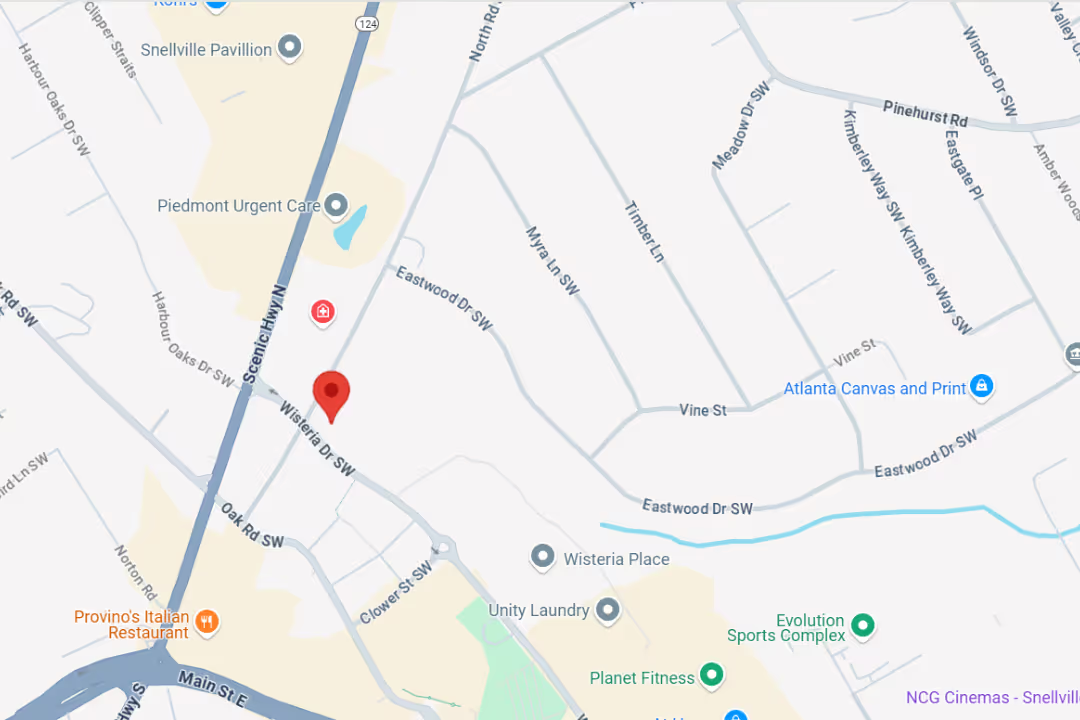
2220 Wisteria Dr, Unit 100
Snellville, GA 30078
📞 (470) 795-8398
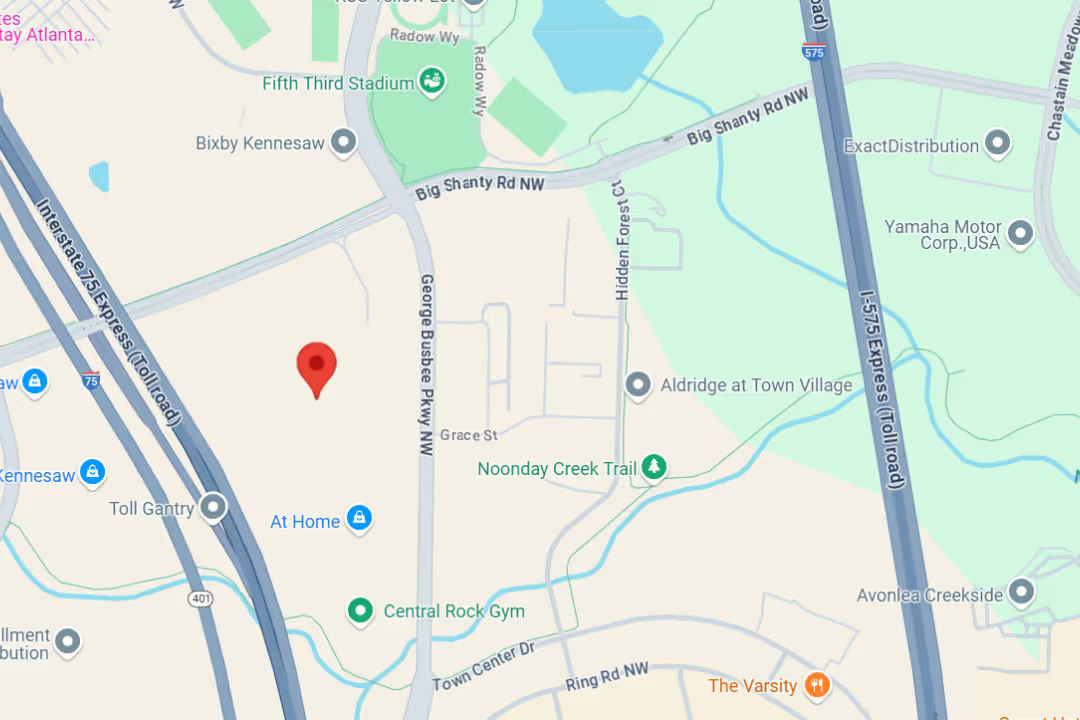
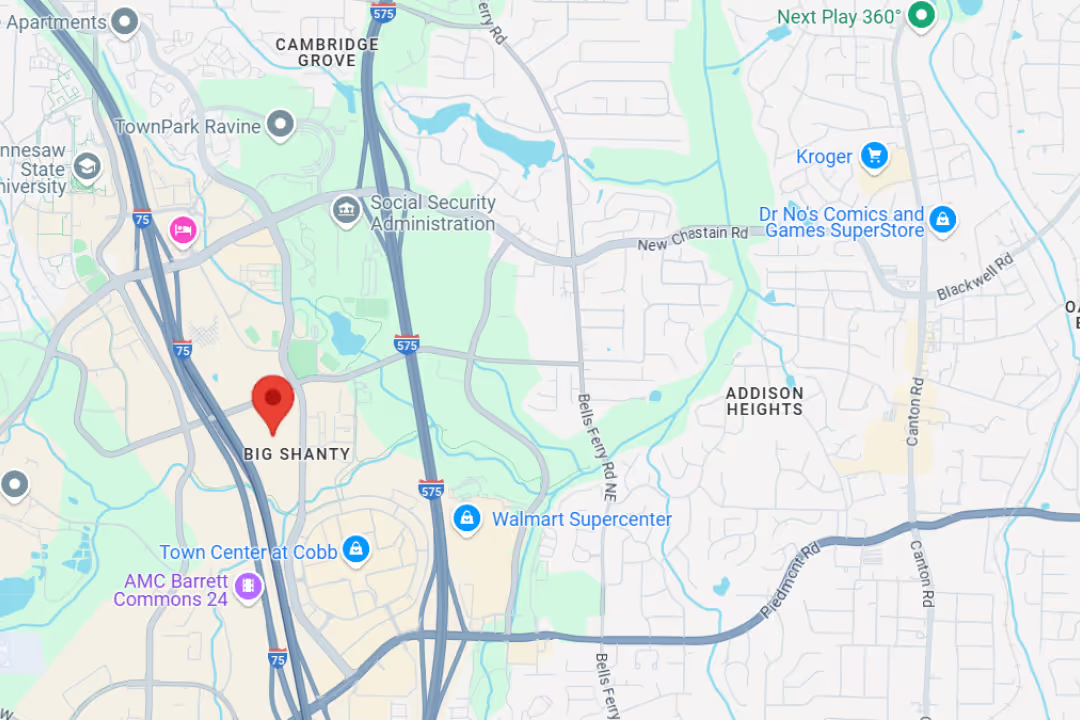
Kennesaw
2911 George Busbee Parkway, Suite 50
Kennesaw, GA 30144
📞 (770) 545-6404
Snellville
2220 Wisteria Drive, Unit 101
Snellville, GA 30078
📞 (470) 645-9297
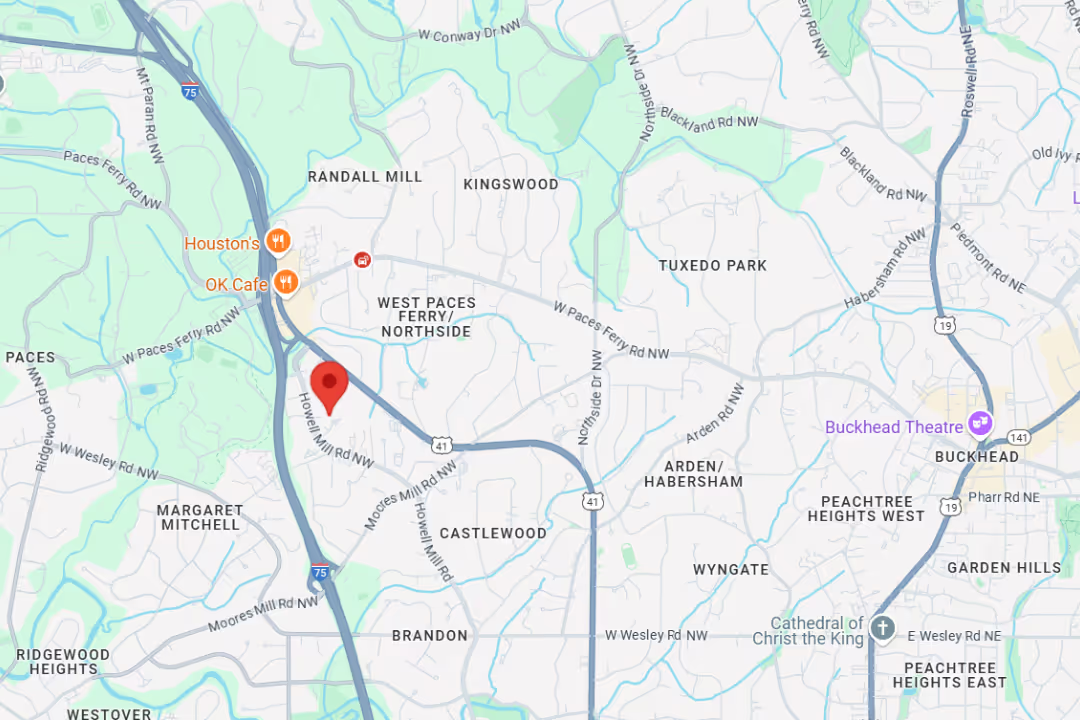
Buckhead PM&R
3200 Downwood Circle, NW, Suite 520
Atlanta, GA 30327
📞 (770) 872-7549
Explore our library of patient support guides covering the conditions we treat, the treatments we offer, and the questions we hear most. Each one is written to help you understand your options and feel confident about your next step. Browse the topics below to learn more, or reach out to our team anytime.

At Medici, you’re more than your MRI.
We take time to hear your story, understand your pain, and create a plan that actually works for you.

Our team delivers specialist care at convenient locations across Metro Atlanta:
Get expert tips on injury recovery, pain relief, joint health, and movement strategies—straight from our Fellowship-Trained team.